




Vigilante Anti-Idling Law Hits NYC Fleets with Heavy Fines
Known as the Citizens Air Complaint Program, New York City citizens can make money by reporting commercial vehicles that are left idling for more than three minutes without a driver.


Under this anti-idling law, a commercial truck or bus can be fined at least $250 for idling for more than three minutes on a New York City street.
Photo by Carlos Rodrigo/Unsplash
In New York City, people can make money for reporting commercial vehicles left idling without a driver.
Former Mayor Bill de Blasio tried to publicize this Citizens Air Complaint Program in his final days in office as he pushed his climate agenda. Idling emissions from gasoline and diesel motor vehicle engines can contribute to health-related impacts, including asthma, respiratory, and cardiovascular harm, according to New York’s Environmental Protection website.
Under this law, a commercial truck or bus can be fined for idling for more than three minutes (or for one minute in a school zone), according to a NBC4 New York report.
One New York City man has already made six figures from reporting idling vehicles, says the report. So far, Donald Blair has gotten paid $55,000 and has another $70,000 on the way. Under the rules of this 2019 law, vehicle owners can be fined $250 or more, while the citizen reporting the idling gets $87.50 (or one-quarter of each issued fine).
Blair belongs to a group of watchdogs that calls itself the IDLE Warriors, according to the NBC report. Currently, there are approximately 60 New Yorkers involved in this group.
But it appears that many commercial vehicle owners aren’t paying the fines. According to City Hall, there are about $8 million in unpaid idling vehicle fines. Amazon owes the most in fines at $250,000. UPS and FedEx also owe a lot in fines at $70,000 and $60,000, respectively. Amazon said it’s working with city representatives to resolve its outstanding fines, according to the report. FedEx and UPS issued similar statements.
Last year, almost 11,500 idling tickers were issued, more than double the 5,000 given out in 2019 before the law took effect, according to the Department of Environmental Protection.
To file an idling complaint, a citizen needs to submit a time- and date-stamped video taken during the time of observation that shows the commercial truck or bus continuously idling for more than three minutes, according to the NYC Environmental Protection website. The video needs to contain the license plate and the company information from the vehicle. Additionally, the sound of the idling engine needs to be clearly heard on the video.
Using the online Idling Complaint System, citizens must submit their completed complaint and the supporting evidence within 60 days from the date of observing the idling truck or bus.
If the Department of Environmental Protection issues the summons, the citizen might need to be available in person or by phone to testify. If the summons is upheld, the company or business must pay the penalty for the citizen to receive payment for his or her complaint.
Originally posted on Automotive Fleet
More Fuel

The Smart Way to Build a Mixed-Energy Fleet Isn’t About Picking a Side
Mixed-energy fleets aren’t about picking a winning fuel. Sarah Booth of WEX explains how vehicle data, duty cycles, charging strategy, and real-world costs can help fleets choose the right energy source for each job.
Read More →
Ignoring This Dashboard Warning Could Cost Your Fleet Thousands in Fuel
New research suggests neglected diesel aftertreatment systems could waste up to $30 in fuel per vehicle each day. Here's why vocational fleets should pay attention.
Read More →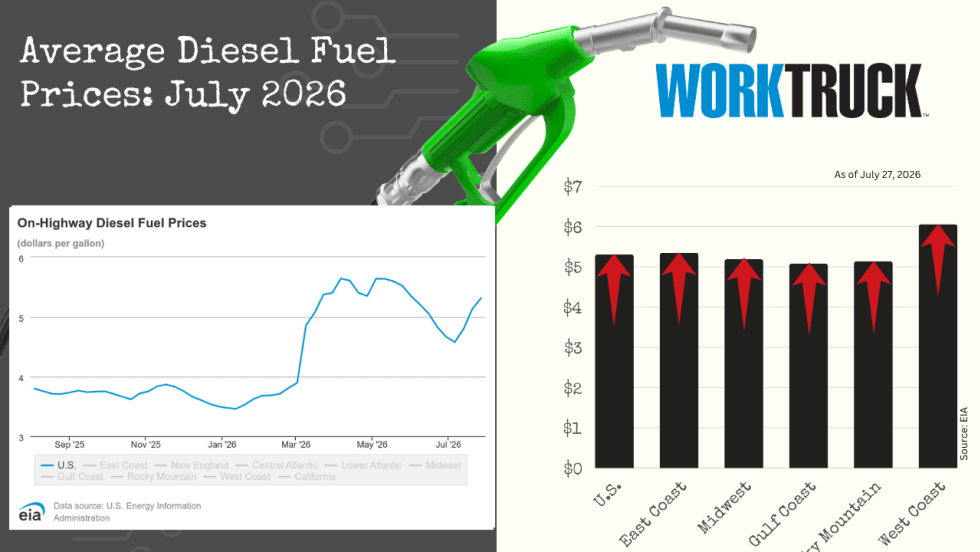
July Diesel Trends Update
The average price of a gallon of diesel increased again this week, and the EIA reported a new national average of $5.31 at the start of the week.
Read More →
WEX Brings Standard Fleet's Connected Vehicle Platform to Fleet Customers
This week’s product launch with Standard Fleet’s connected vehicle platform reflects WEX Venture Capital's strategy of turning startup innovation into customer solutions. Standard Fleet is now available to WEX fleet customers.
Read More →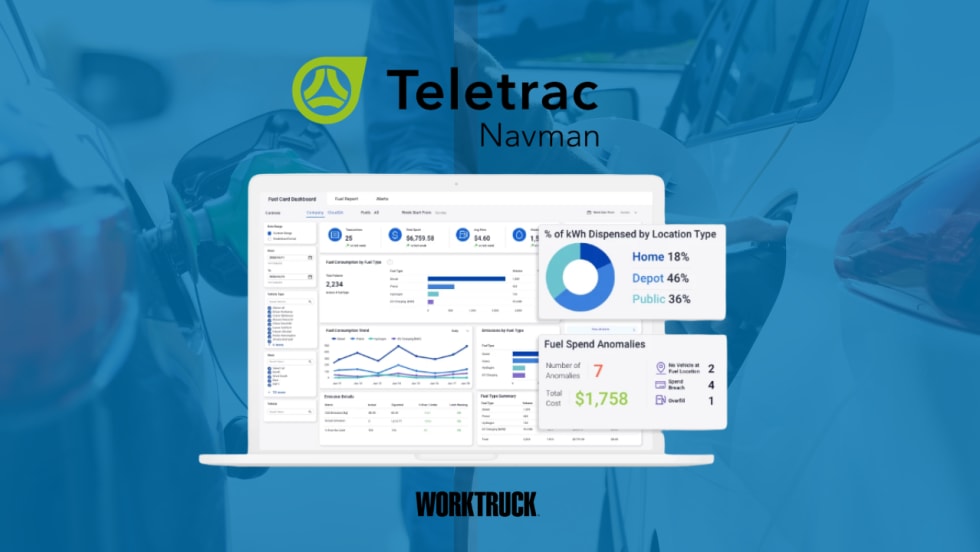
Teletrac Navman Adds Mixed-Energy Fleet Tools to TN360
The new Energy Hub combines fuel transactions, EV charging data, vehicle range, and energy costs in one dashboard for fleets operating multiple vehicle and energy types.
Read More →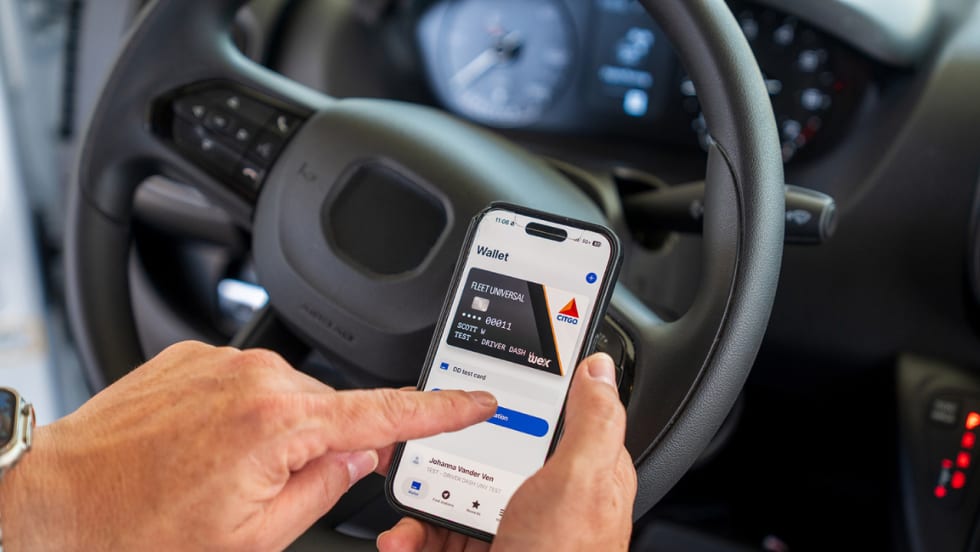
WEX DriverDash adds CITGO, Expands Nationwide Access for Fleets
The DriverDash mobile payment app, by WEX, has been integrated into the CITGO merchant network, which means WEX has expanded its U.S. station footprint with the addition of approximately 4,000 CITGO locations.
Read More →
Mixed Energy Fleet Tips for Balancing EVs, Gas and Diesel Vehicles
Mixed energy fleets are becoming the new normal. Learn how fleet managers are balancing EVs, gas and diesel vehicles while controlling costs and planning for the future.
Read More →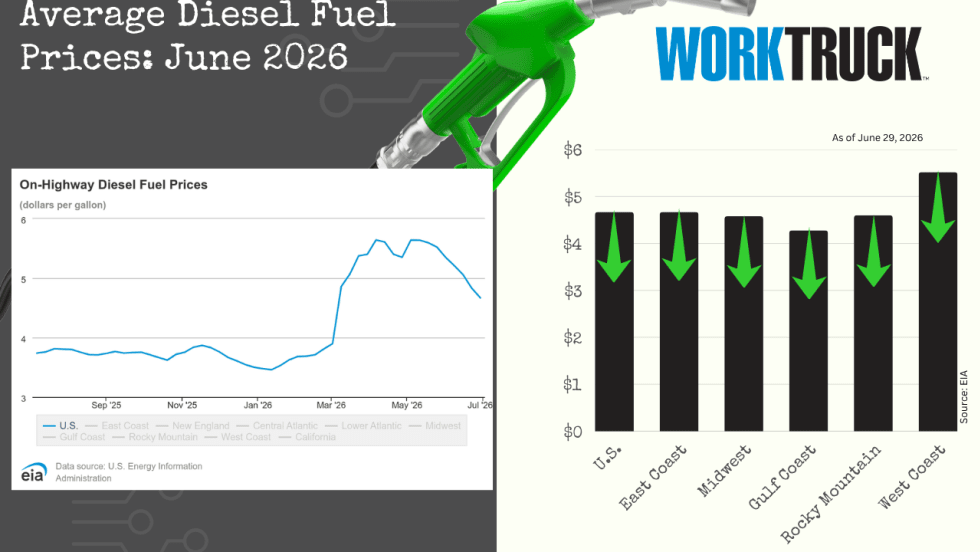
June Diesel Trends Update
The national average price of a gallon of diesel has dropped again, this week by more than 16 cents. All five regions reported lower average prices, ranging from almost 13 cents to more than 28 cents cheaper than a week ago.
Read More →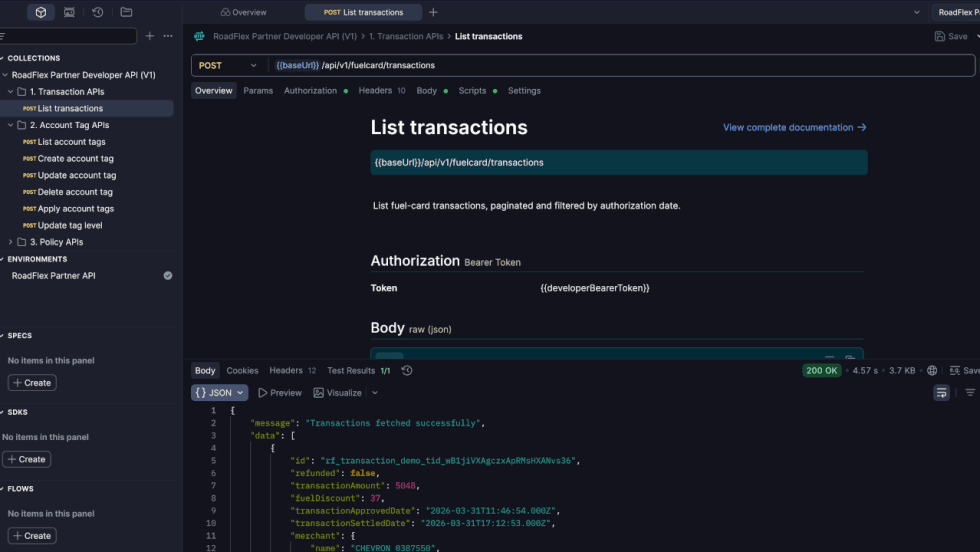
RoadFlex Launches RoadFlex Direct Open API Platform
RoadFlex Direct connects fuel cards, controls, and data to the telematics and fleet management systems fleets already run, from Geotab and Samsara to Fleetio and RTA, with no separate dashboard or double data entry.
Read More →
The Key to Fuel Efficiency Sits in the Cab
Learn how driver behavior, telematics, coaching, and fuel data can help fleets improve fuel efficiency, lower costs, and reduce emissions.
Read More →