




Verizon Converting 501 New Ford E-Series Vans to Run on Natural Gas
DEARBORN, MI - Verizon, expects to save 1.62 metric tons of CO2 each year by adding 501 Ford E-250 cargo vans upfitted with clean-burning compressed natural gas (CNG) engine packages versus conventional gas models.
DEARBORN, MI - Verizon, a global leader in delivering broadband and other wireless and wireline communications services, expects to save 1.62 metric tons of CO2 each year by adding 501 Ford E-250 cargo vans upfitted with clean-burning compressed natural gas (CNG) engine packages versus conventional gas models.
Verizon's purchase and upfitting of the 2010 Ford E-250 vans is part of the company's comprehensive sustainability effort designed to conserve energy, reduce greenhouse gas emissions and contribute to improved air quality in the communities it serves, according to Ken McKenney, Sustainable Fleet-Technical Engineering Lead for Verizon.
"Verizon's fleet team is constantly on the watch for new, lower-carbon technology," McKenney said. "CNG is a leading alternative fuel choice right now, so converting these cargo vans to run on the cleaner-burning fuel helps us cut CO2 emissions and fuel consumption. We will continue to find ways to increase the efficiency of our fleet."
Cargo vans represent the single largest group of vehicles in Verizon's vehicle fleet. They are primarily used by technicians who install and maintain phones and FiOS TV and Internet services for homes and businesses. The CNG-equipped Ford E-250 vans will be used in key Verizon markets throughout the country that have retail infrastructures in place for fueling.
The vehicles are being converted to CNG by BAF, a wholly owned subsidiary of Clean Energy Fuels Corp.
"Verizon's deployment of natural gas-fueled vehicles sets a powerful example for fleet operators across America to emulate," said John Bacon, president of BAF. "Use of natural gas for fleets is a trend that is rapidly gaining momentum in many U.S. industry sectors. Because it is abundant and renewable, and cleaner and cheaper than gasoline or diesel fuel, natural gas can carry us forward to a sustainable future."
The BAF CNG vehicle upfits for Verizon will be completed at Steelweld Equipment Company in Hemet, Calif., and Temple, Texas, and at North American Equipment Upfitters in Hooksett, N.H. Both Steelweld and North American Equipment Upfitters are women-owned businesses and participants in Verizon's Supplier Diversity program. Verizon purchased the vans from Ukiah Ford in Ukiah, Calif., a minority-owned business.
Verizon's sustainability program is multifaceted. In addition to replacing more than 1,100 traditional fuel vehicles with cleaner, lower-carbon alternatives and increasing its use of biodiesel and flex-fuel (E85) to power 470 vehicles, Verizon employees have been reducing CO2 emissions by cutting engine idle times. Since 2008, drivers of Verizon vehicles have conserved more than 2.7 million gallons of fuel, the equivalent amount of greenhouse gases emitted by about 4,580 vehicles annually.
More Green Fleet

Fleet Forward Conference Introduces One-Day Passes for 2026
New one-day registration gives fleet professionals the flexibility to attend Tuesday, Wednesday, or Thursday, with passes available for $199 through Sept. 18.
Read More →
CALSTART Rebrands as Catalyst Mobility, Will Combine with Forth in 2027
CALSTART has rebranded as Catalyst Mobility and will combine with Forth at the start of 2027. The new organization said it is poised to become one of the world's largest, strongest, and most impactful clean transportation nonprofits.
Read More →
Electric Truck and Charging Programs to Boost Sustainability at NY & NJ Ports
Together, the Port Authority of New York and New Jersey and CALSTART will electrify drayage and terminal operations serving the East Coast’s busiest container port. A pair of incentive programs totaling $45 million has launched to accelerate adoption of zero-emission drayage trucks and terminal tractors.
Read More →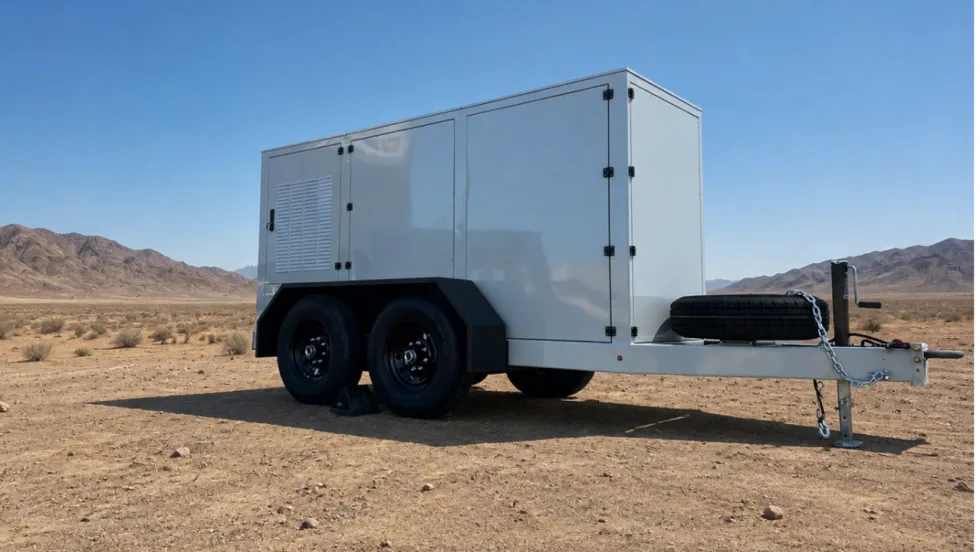
Xos Hub Surpasses One Gigawatt-Hour of Energy Delivered in the Field
A single Xos Hub has surpassed one gigawatt-hour of energy across more than 33,600 charging sessions in the field, demonstrating performance that supports Xos' expansion across new products and markets.
Read More →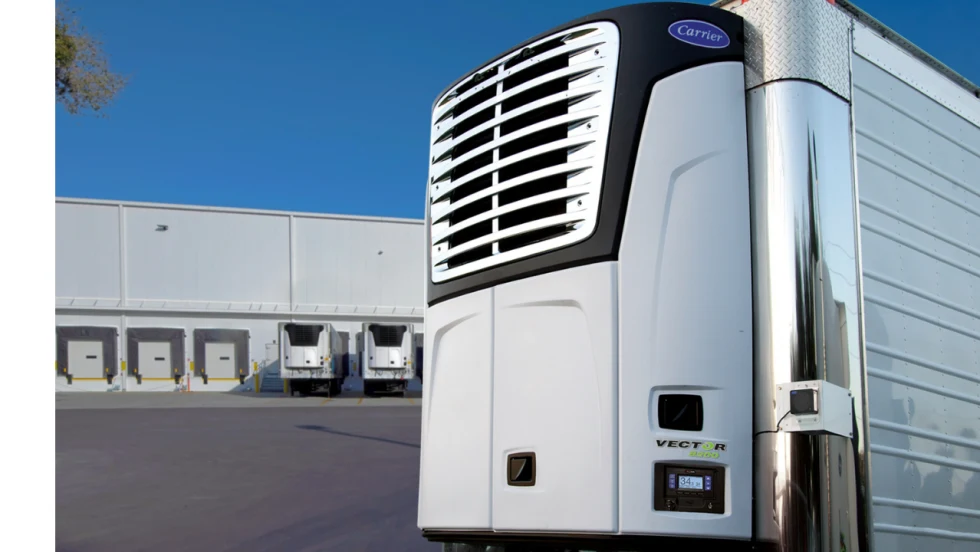
Carrier Transicold Launches All-Electric Vector 8200 TRU for Diesel-Free On-Site Cold Storage
Carrier Transicold’s first engineless multi-temperature TRU helps fresh- and frozen-food fleets add supplemental cold storage capacity during seasonal peaks.
Read More →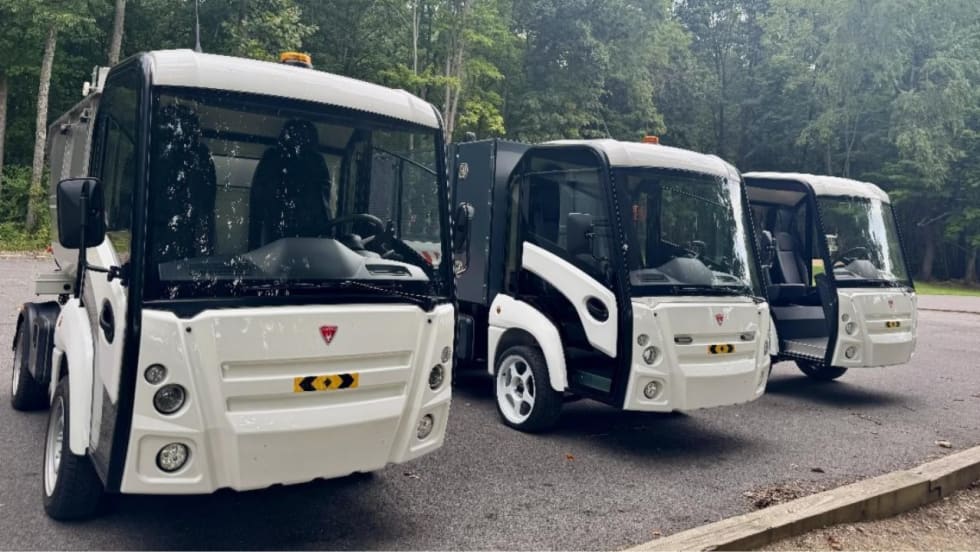
Narro Trucks Introduces Electric Utility Vehicle
Narro Trucks officially launched its operations on Aug. 20 and hosted a ride and drive to showcase its electric truck, which will be produced in Virginia.
Read More →
Samsung SDI Takes Full Control of GM Battery JV as Indiana Plant Pivots to Energy Storage
Samsung SDI is taking full control of its Indiana battery plant with GM, marking a major shift from the EV-focused joint venture Charged Fleet first covered in 2023.
Read More →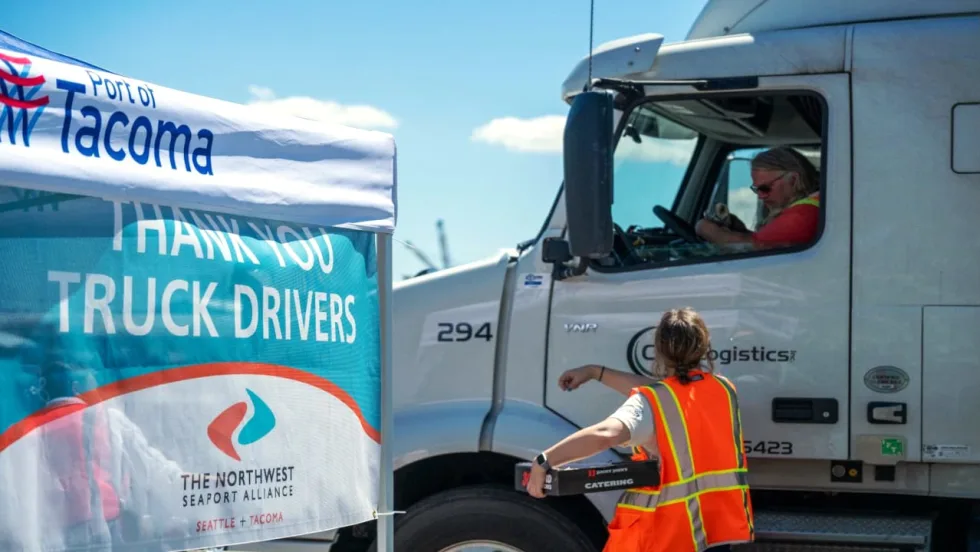
NWSA Taps CALSTART to Administer Zero-Emission Drayage Assistance Program
CALSTART will provide free technical assistance services to drayage fleets serving the Ports of Seattle and Tacoma and looking to transition to cleaner technologies and help decarbonize freight hubs.
Read More →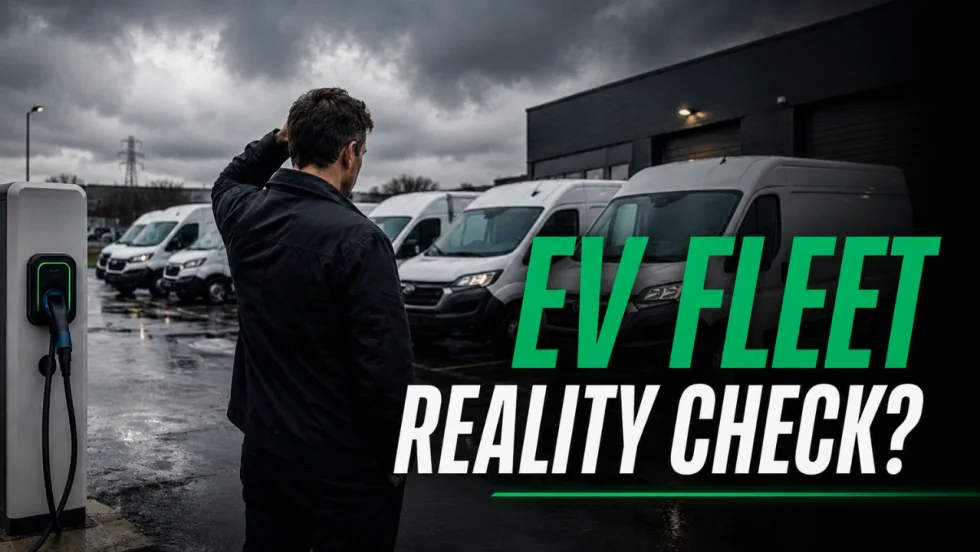
EV Fleet Reality Check: What Operators Wish They Knew Before Electrifying Their Work Vans
Electric work truck upfits bring new compatibility questions. Learn how parts availability, OEM guidance, power demands, and route planning can affect fleet performance.
Read More →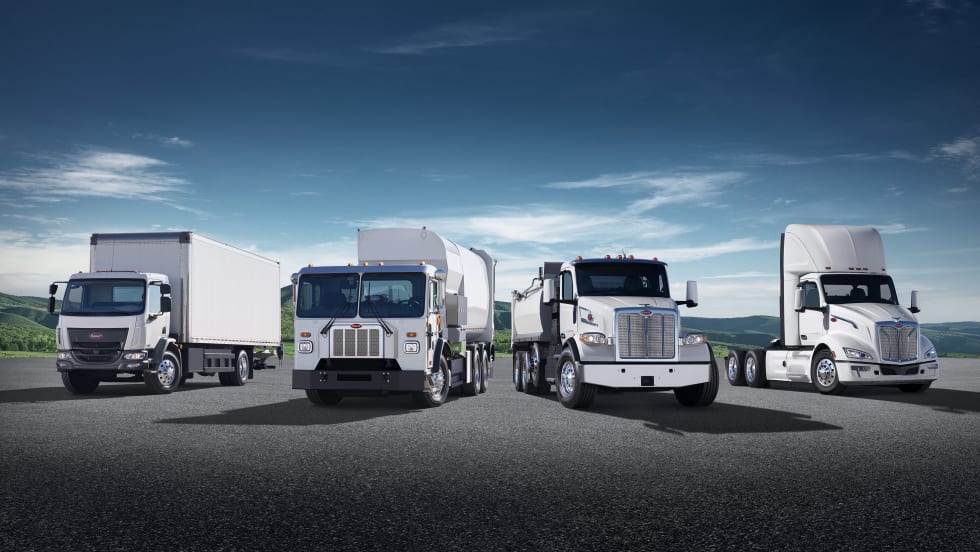
Peterbilt Expands Sourcewell Partnership with Electric Vehicle Lineup
Peterbilt Motors Company’s cooperative purchasing agreement with Sourcewell and its Canadian partner, Canoe Procurement Group, now includes including Peterbilt's battery-electric vehicle lineup.
Read More →