




UPS Testing Composite Delivery Trucks
ATLANTA– UPS’s Automotive division is testing new CV-23 delivery truck prototypes it had custom built by working with Utlilimaster/Isuzu.
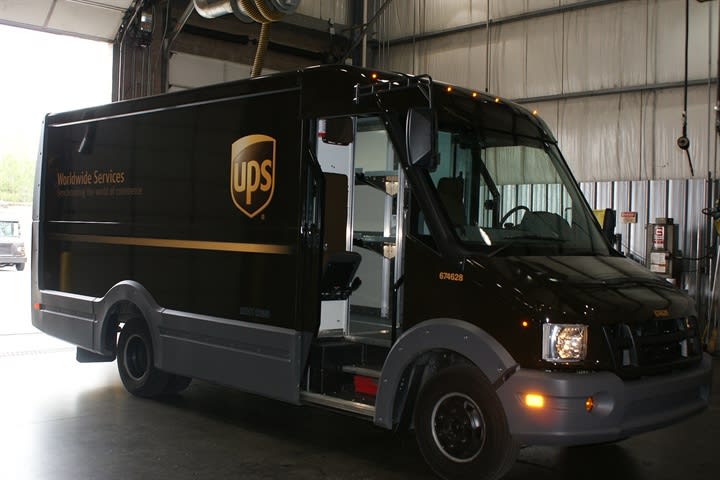
The CV-23's cost is comparable to the P70, according to UPS.
ATLANTA – UPS’s Automotive division is testing new CV-23 delivery truck prototypes it had custom built by working with Utlilimaster/Isuzu. UPS hopes these vehicles will provide improved fuel economy characteristics and be able to withstand the rigors of long-haul routes.
The CV-23’s four-cylinder diesel engine can produce 150-horsepower. It’s mated to a six-speed Aisin automatic transmission. UPS said the engine is smaller than the diesel engine used in its P70 delivery truck, and the company is hoping for a 40-percent reduction in fuel use when compared with the P70. Other vehicle characteristics include lighter vehicle weight, approximately 1,000 lbs. less than the P70 (due to the use of ABS plastic), and somewhat less cargo room, with 630 cu. ft. of space compared with 700 cu. ft.
“The UPS Automotive group worked closely with Utilimaster / Isuzu on the engineering requirements to take an ‘off the shelf’ chassis and custom-modify the cab and cargo areas to meet UPS operations requirements while working to save weight and utilize a smaller engine,” said Michael French, public relations supervisor for UPS.
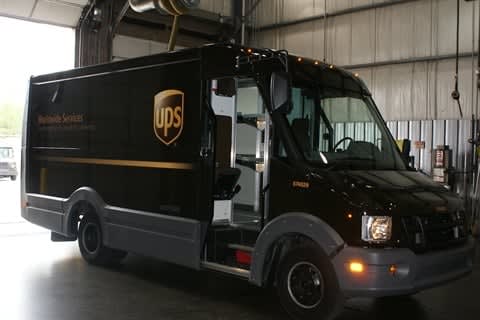
The company is testing the vehicles currently and plans to conclude testing in December. The regions the company is testing these vehicles in include Lincoln, Neb., which has rough back roads; Albany, N.Y, to test the vehicles in tough winter conditions; Tuscon, Ariz., to test them in desert heat; Flint, Mich., which has a long urban route near Isuzu’s headquarters; and Roswell, Ga., which is close to UPS’ corporate automotive department.
The company is basing future purchase decisions related to this prototype vehicle on these tests, French said.
“This test will help UPS determine what the durability and lifespan of this vehicle would be under constant operating conditions,” he said. “If the vehicle holds up to the rigors of UPS's delivery network, and if it achieves a 40 percent increase in fuel efficiency, we would consider purchasing CV-23 vehicles to incorporate into our fleet as the next step in our continuing effort to reduce our dependence on imported fuel.”
One main reason the company is going this route with regard to a potential fleet vehicle is cost.
“The cost of the CV-23 is comparable with the P70,” French said. “That is one of the advantages of this vehicle - it has cost parity due to the use of traditional diesel drivetrains.”
UPS’ French said the company regularly pursues technological innovations to improve its fleet efficiency, from alternative fuels and technologies, such as hybrid-electric or liquefied natural gas, to working on improving current technologies.
“Our telematics system monitors and collects data on vital vehicle systems so our maintenance teams can predict repairs and keep maintenance costs lower on every vehicle in our fleet,” French said. “This test of composite vehicles is one of many improvements UPS Automotive actively explores.”
By Greg Basich
Originally posted on Automotive Fleet
More Fuel

The Smart Way to Build a Mixed-Energy Fleet Isn’t About Picking a Side
Mixed-energy fleets aren’t about picking a winning fuel. Sarah Booth of WEX explains how vehicle data, duty cycles, charging strategy, and real-world costs can help fleets choose the right energy source for each job.
Read More →
Ignoring This Dashboard Warning Could Cost Your Fleet Thousands in Fuel
New research suggests neglected diesel aftertreatment systems could waste up to $30 in fuel per vehicle each day. Here's why vocational fleets should pay attention.
Read More →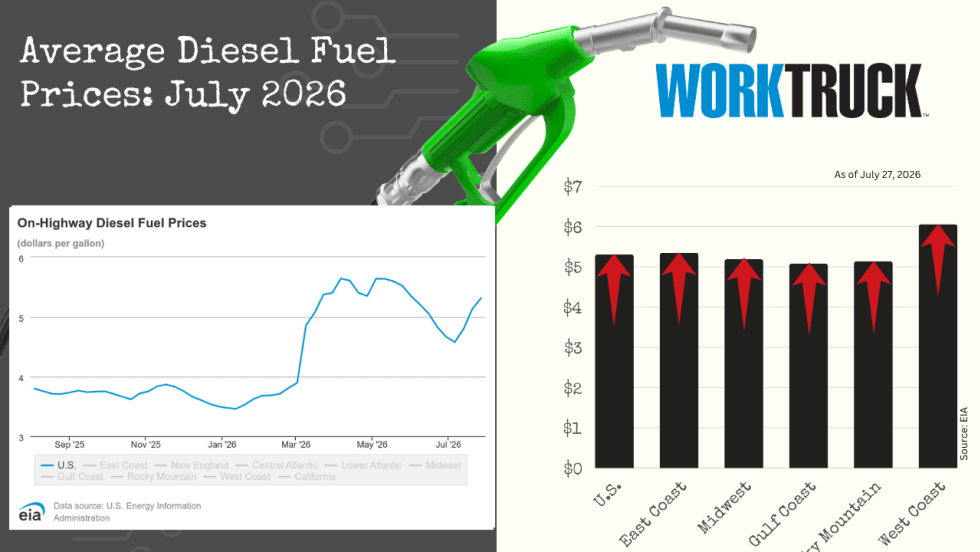
July Diesel Trends Update
The average price of a gallon of diesel increased again this week, and the EIA reported a new national average of $5.31 at the start of the week.
Read More →
WEX Brings Standard Fleet's Connected Vehicle Platform to Fleet Customers
This week’s product launch with Standard Fleet’s connected vehicle platform reflects WEX Venture Capital's strategy of turning startup innovation into customer solutions. Standard Fleet is now available to WEX fleet customers.
Read More →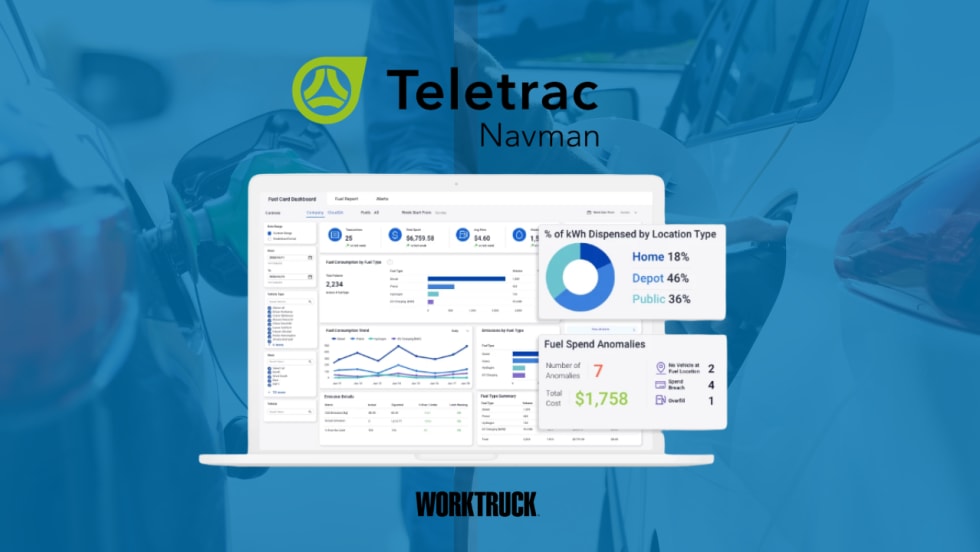
Teletrac Navman Adds Mixed-Energy Fleet Tools to TN360
The new Energy Hub combines fuel transactions, EV charging data, vehicle range, and energy costs in one dashboard for fleets operating multiple vehicle and energy types.
Read More →
WEX DriverDash adds CITGO, Expands Nationwide Access for Fleets
The DriverDash mobile payment app, by WEX, has been integrated into the CITGO merchant network, which means WEX has expanded its U.S. station footprint with the addition of approximately 4,000 CITGO locations.
Read More →
Mixed Energy Fleet Tips for Balancing EVs, Gas and Diesel Vehicles
Mixed energy fleets are becoming the new normal. Learn how fleet managers are balancing EVs, gas and diesel vehicles while controlling costs and planning for the future.
Read More →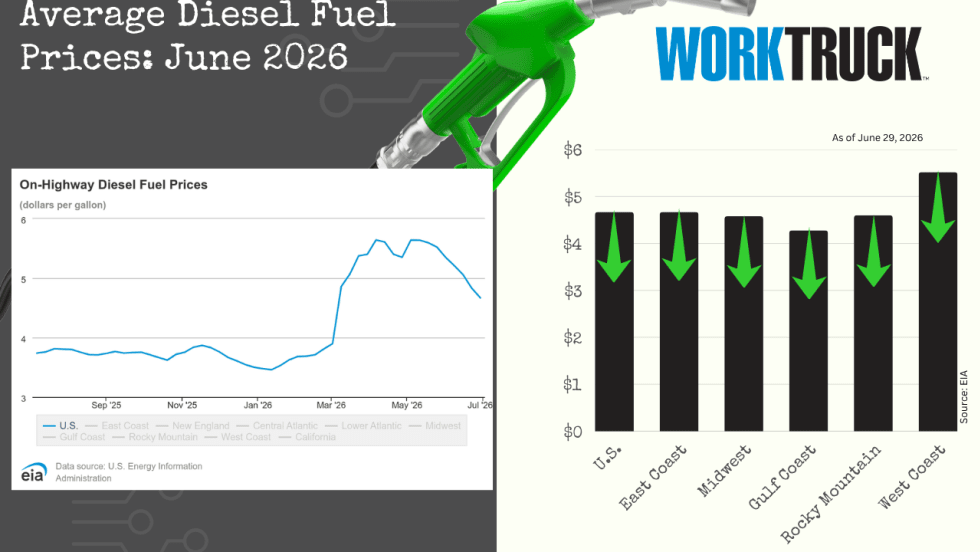
June Diesel Trends Update
The national average price of a gallon of diesel has dropped again, this week by more than 16 cents. All five regions reported lower average prices, ranging from almost 13 cents to more than 28 cents cheaper than a week ago.
Read More →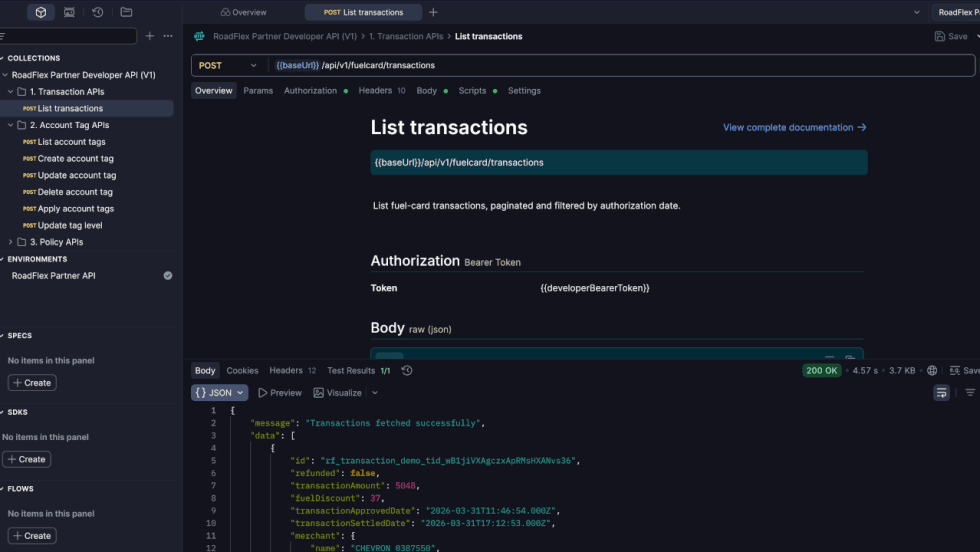
RoadFlex Launches RoadFlex Direct Open API Platform
RoadFlex Direct connects fuel cards, controls, and data to the telematics and fleet management systems fleets already run, from Geotab and Samsara to Fleetio and RTA, with no separate dashboard or double data entry.
Read More →
The Key to Fuel Efficiency Sits in the Cab
Learn how driver behavior, telematics, coaching, and fuel data can help fleets improve fuel efficiency, lower costs, and reduce emissions.
Read More →