




UPS Telematics Initiative Reduces Fuel Use, Allows for Conditions-Based PM Program
ATLANTA – UPS' telematics technology is capable of providing vast amounts of data about how the company's delivery trucks are operating.
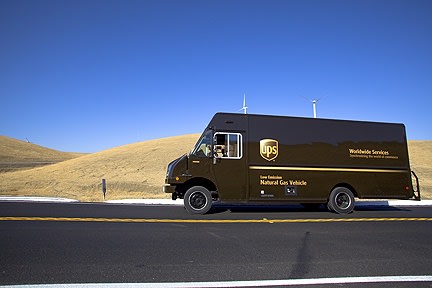
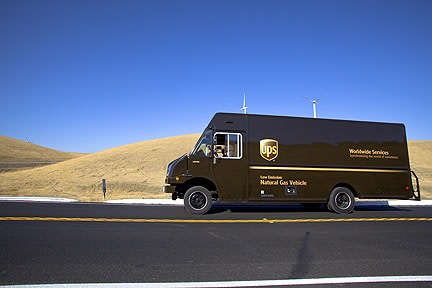
One of UPS' package delivery trucks. (Photo courtesy of UPS.)
ATLANTA – UPS posted an update on its blog about its telematics initiative, stating it plans to have 32,000 vehicles in the U.S. and Canada equipped with telematics technology by year end. Automotive Fleet spoke with Donna Longino, PR manager for UPS, to get more details about the company’s telematics system.
This telematics technology is capable of providing vast amounts of data about how the company's delivery trucks are operating. The telematics system involves vendor-supplied hardware and software developed by UPS that uses a proprietary algorithm. This telematics system can capture more than 200 vehicle-related types of data. Examples of the types of data UPS collects includes speed, RPMs, oil pressure, seatbelt use, time spent idling, and the number of times a driver places a UPS delivery truck in reverse.
“When a UPS driver returns to a package center at the end of the work day, the data is uploaded to a computer and then transmitted to UPS’ data center in Alpharetta, Ga.,” Longino said.
She explained that the company developed algorithms and proprietary firmware in the data center to analyze all the incoming information. Pertinent data, for example data related to vehicle maintenance, is fed back out to operational systems in the package centers.
The company was able to adopt a conditions-based preventive maintenance schedule by using the available data in this way. For this PM program, vehicle-installed sensors provide data on components acting outside normal parameters. After delivery trucks return to package centers, if the provided data indicates vehicles have issues, UPS service technicians will then diagnose the potential problems to determine whether maintenance is necessary.
The company said it began its telematics initiative in 2008. One metric from the program includes reducing vehicle idle time by 15 minutes per driver per day (which adds up to 25 gallons of fuel per driver annually). UPS said it’s evaluating the telematics initiative for use in its UPS Freight and European small package operation.
By Greg Basich
Originally posted on Automotive Fleet
More Technology
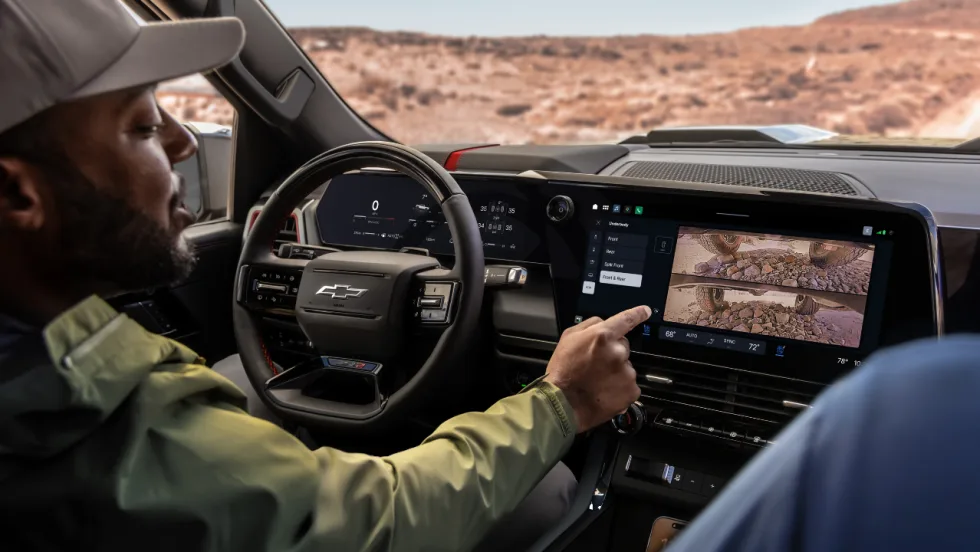
GM Brings New Truck Focused Interface to 2027 Silverado and Sierra
GM's new pickup interface puts trailering data, camera views, vehicle controls, and smartphone integration closer to the driver in the 2027 Silverado and Sierra.
Read More →
Samsara Driver Perks Expands Rewards Beyond the Long Haul Driver
Samsara’s new driver rewards program was built with a broader professional driver in mind, including employees who split their day between driving, job sites, service calls, and other work.
Read More →
AI Service Advisor Aims to Cut Fleet Repair Downtime
Fleetio said its AI Service Advisor can help fleets cut repair downtime by an average of 2.5 hours per repair while reducing manual maintenance work.
Read More →
Verra Mobility Launches AI-Driven Title & Registration Solution
Verra Mobility has launched a new AI-driven Title & Registration platform to help fleets move vehicles from acquisition to the road the same day while reducing compliance risk.
Read More →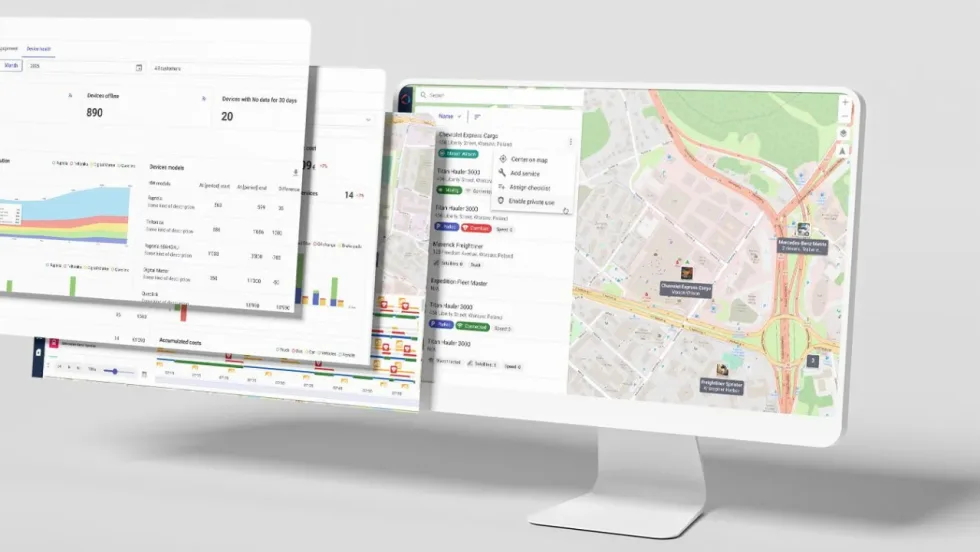
Wialon Unlocks OEM Data to Give Fleet Owners Data Ownership & Operational Clarity
Wialon has introduced hardware-free OEM integration as the EU Data Act accelerates the shift in vehicle data access across the fleet industry in many countries.
Read More →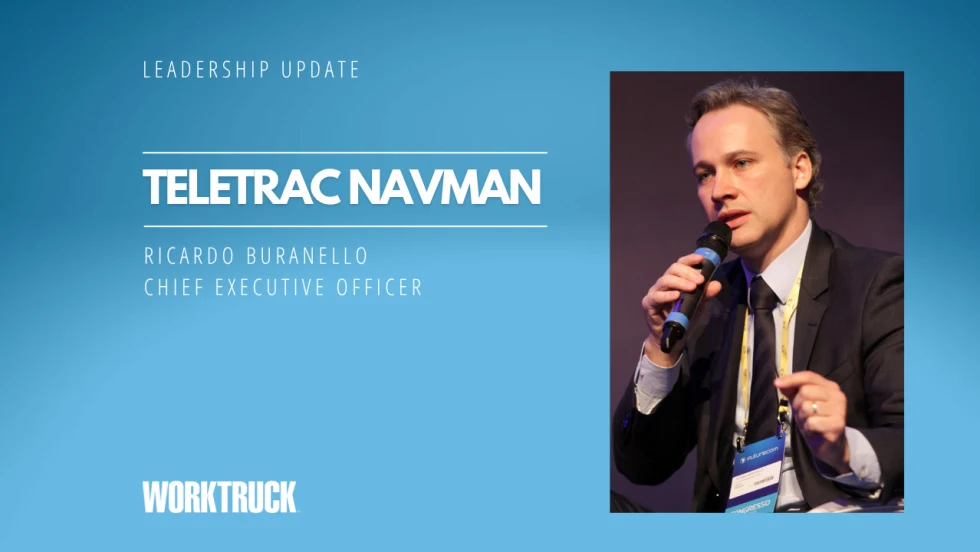
Teletrac Navman Promotes New CEO from Within
Teletrac Navman’s next CEO, Ricardo Buranello, has served as the company’s chief financial and operating officer. He brings deep financial and operational expertise, a strong strategic orientation, and an intimate knowledge of the business to his new role.
Read More →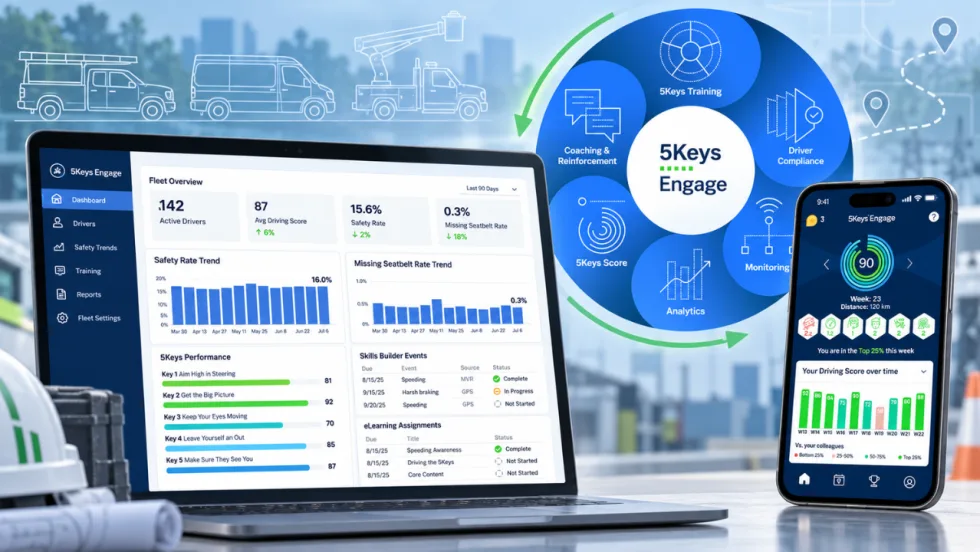
Smith System Wants Work Truck Fleets to Look Beyond the Driver Alert
Smith System’s new Driver Risk Management program is built to help mixed work truck fleets turn telematics alerts and observations into specific behaviors, coaching actions, and measurable follow-up.
Read More →
Ford Pro Software Updates: August 26
Check out the latest Ford Pro software updates, including Google Maps integration, Remote Vehicle Alarm integration, Motor Pool for easier management of shared pool vehicles, and more.
Read More →
Where AI Is Actually Saving Fleet Managers Time
AI is moving past the buzzword stage and into the daily fleet workflow. Fleetio’s Brianna Perry Lang breaks down where fleets are seeing real time savings, from maintenance and data entry to repair decisions, safety, and compliance
Read More →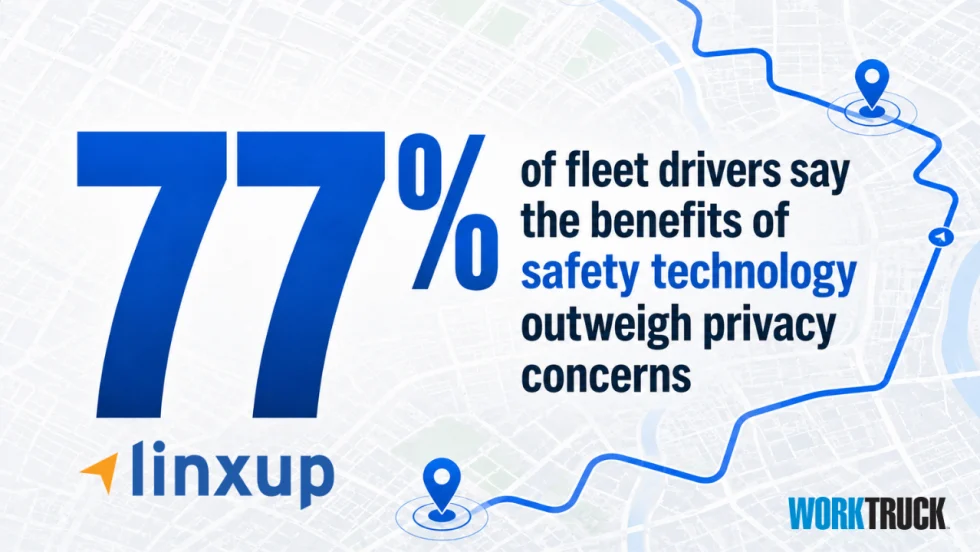
Are Work Truck Drivers Warming Up to Dash Cams and GPS Tracking?
A new survey finds field-service drivers may be more comfortable with dash cams and GPS tracking than fleet managers think, especially when the technology helps protect them after a crash.
Read More →