




UPS Sustainability Report Details Fuel Use Reduction of 1.3 Million Gallons in 2012
UPS detailed the technologies and methods it employed to reduce fuel use and emissions, in many cases by helping its drivers avoid traveling unnecessary miles and idling.
UPS released its latest sustainability report, which details the progress the company made that year toward making its overall operations more environmentally friendly and offers specifics on how it is managing its fleet to meet its larger goals.
One of the key performance indicators (KPIs) the company measures is total miles driven, and in 2012, UPS avoided driving more than 12.1 million miles, compared to 2011, in its U.S. Domestic Package segment. This also reduced CO2 emissions by 13,000 metric tonnes. The company was able to achieve this via a number of methods.
To start, the company used its own telematics platform to optimize routes, which helped reduce idling time at stoplights and helped drivers avoid traffic and to reach destinations in less time. Next, the company re-routed vehicles as-needed based on changing customer pick-up requests, requested changes in delivery, etc. Also, the company identified loading and unloading locations that allow for multiple deliveries.
In terms of measuring miles avoided by using telematics, UPS tracks the number of stops its delivery drivers made per mile traveled during a given year. In 2012, the company said it improved the number of stops per mile to 1.456 from 1.437 in 2011, which translates into the 12.1 million miles the company's drivers avoided driving. Although UPS said its total number of stops increased 2.3 percent in 2012, the number of miles its drivers traveled only increased 1.3 percent.
UPS' telematics platform provides the company’s drivers with feedback on their fuel-efficiency performance and tells them methods for improving it. For example, in dealing with idling, UPS said telematics helped its drivers reduce the average time spent idling per driver per day to 48 minutes in 2012, which was down from the average of 122 minutes spent idling in 2011. UPS said this equates to 250,000 gallons of fuel savings and emissions reductions of 2,600 metric tonnes.
The company also uses telematics to collect vehicle data that allowed it to replace parts and perform service closer to when needed. In 2012, the company said it completed 96 percent of its targeted telematics rollout for its U.S. Domestic Package segment, which includes more than 74,800 vehicles.
Beyond optimizing its ground fleet’s operations, UPS operates a number of alternative-fuel vehicles, and at the end of 2012, the company had 2,688 of the on the road in 10 countries. The company drove these vehicles 49 million more miles in 2012, which was approximately 43 percent more compared to 2011.
When measuring its sustainability progress, one method the company uses is the metric of ground packages per gallon of fuel to track the carbon intensity of its ground transportation fleet in its U.S. Domestic Package service. The company said in 2012, it increased the number of ground packages per gallon of fuel used for the fourth year in a row to 8.85. UPS added that although its package volume rose 2.7 percent for this business segment in 2012, its fuel consumption only rose 0.3 percent.
Originally posted on Automotive Fleet
More Fuel

The Smart Way to Build a Mixed-Energy Fleet Isn’t About Picking a Side
Mixed-energy fleets aren’t about picking a winning fuel. Sarah Booth of WEX explains how vehicle data, duty cycles, charging strategy, and real-world costs can help fleets choose the right energy source for each job.
Read More →
Ignoring This Dashboard Warning Could Cost Your Fleet Thousands in Fuel
New research suggests neglected diesel aftertreatment systems could waste up to $30 in fuel per vehicle each day. Here's why vocational fleets should pay attention.
Read More →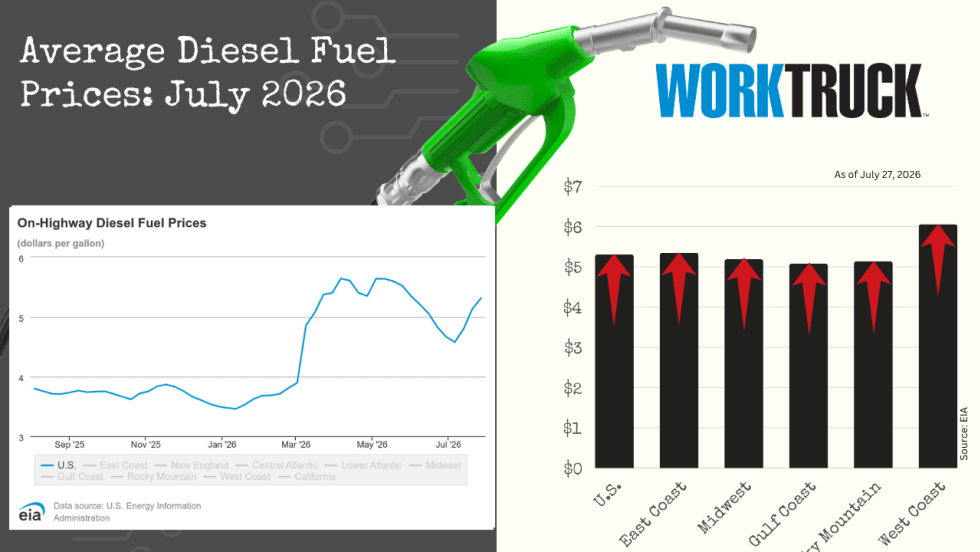
July Diesel Trends Update
The average price of a gallon of diesel increased again this week, and the EIA reported a new national average of $5.31 at the start of the week.
Read More →
WEX Brings Standard Fleet's Connected Vehicle Platform to Fleet Customers
This week’s product launch with Standard Fleet’s connected vehicle platform reflects WEX Venture Capital's strategy of turning startup innovation into customer solutions. Standard Fleet is now available to WEX fleet customers.
Read More →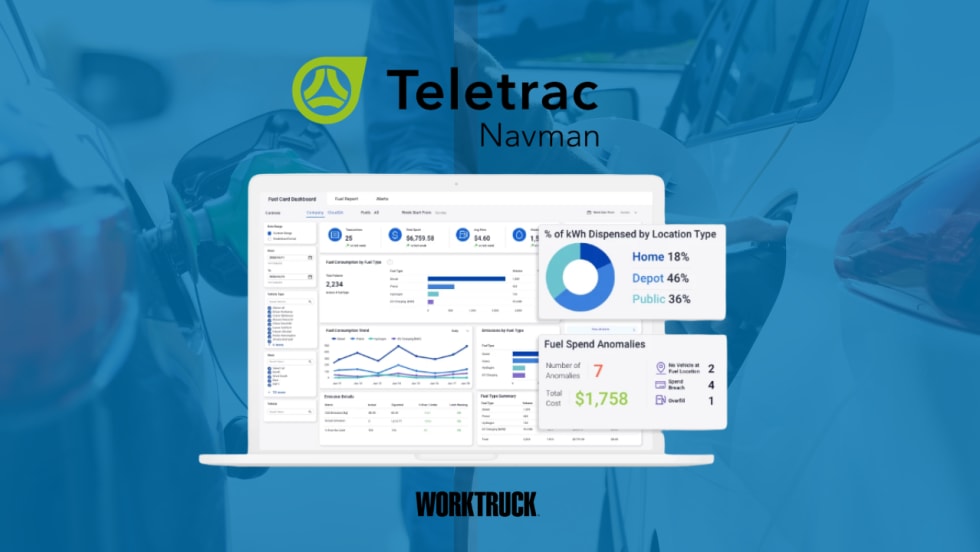
Teletrac Navman Adds Mixed-Energy Fleet Tools to TN360
The new Energy Hub combines fuel transactions, EV charging data, vehicle range, and energy costs in one dashboard for fleets operating multiple vehicle and energy types.
Read More →
WEX DriverDash adds CITGO, Expands Nationwide Access for Fleets
The DriverDash mobile payment app, by WEX, has been integrated into the CITGO merchant network, which means WEX has expanded its U.S. station footprint with the addition of approximately 4,000 CITGO locations.
Read More →
Mixed Energy Fleet Tips for Balancing EVs, Gas and Diesel Vehicles
Mixed energy fleets are becoming the new normal. Learn how fleet managers are balancing EVs, gas and diesel vehicles while controlling costs and planning for the future.
Read More →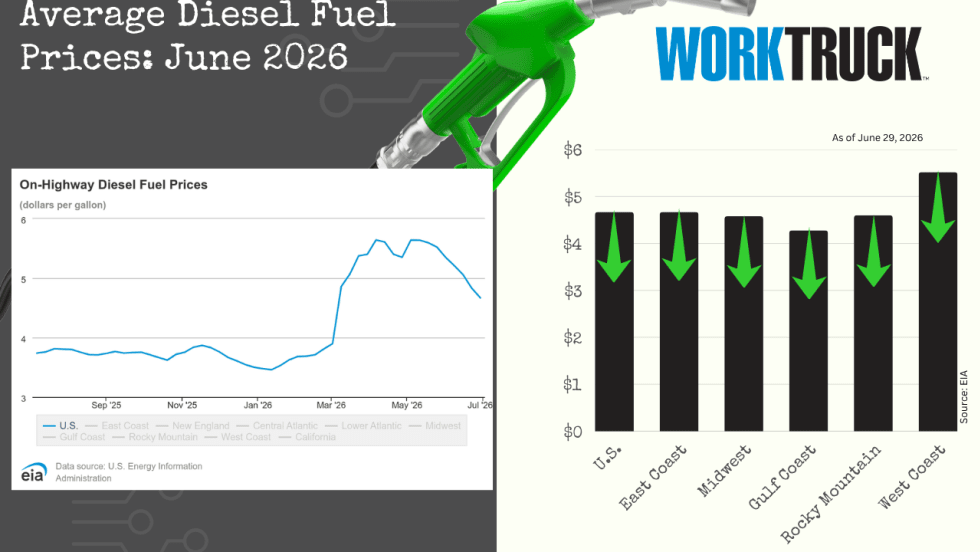
June Diesel Trends Update
The national average price of a gallon of diesel has dropped again, this week by more than 16 cents. All five regions reported lower average prices, ranging from almost 13 cents to more than 28 cents cheaper than a week ago.
Read More →
RoadFlex Launches RoadFlex Direct Open API Platform
RoadFlex Direct connects fuel cards, controls, and data to the telematics and fleet management systems fleets already run, from Geotab and Samsara to Fleetio and RTA, with no separate dashboard or double data entry.
Read More →
The Key to Fuel Efficiency Sits in the Cab
Learn how driver behavior, telematics, coaching, and fuel data can help fleets improve fuel efficiency, lower costs, and reduce emissions.
Read More →