




UPS Reaches Alternative Fuels Goal a Year Early
UPS has achieved its goal of driving 1 billion miles with its alternative fuel and advanced technology fleet one year earlier than planned, the global delivery company announced.
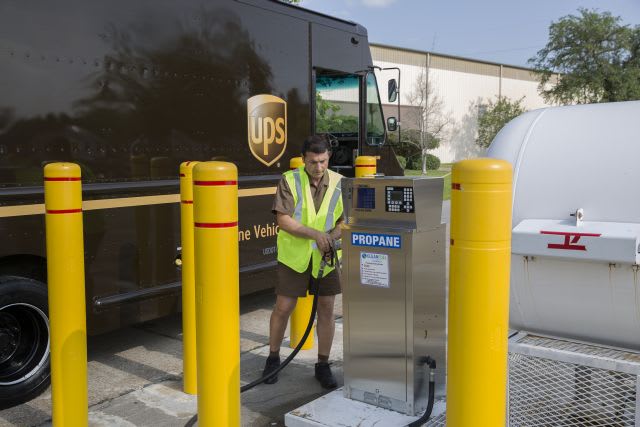
By the end of 2016, UPS will have invested more than $750 million in alternative fuel and advanced technology vehicles and fueling stations globally since 2009, including propane autogas vehicles. (Photo courtesy of UPS)
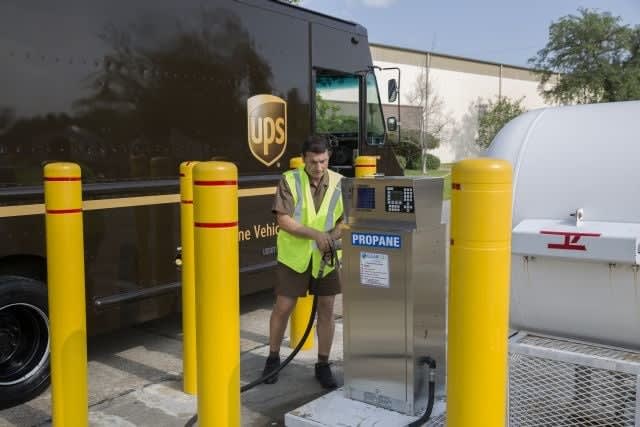
By the end of 2016, UPS will have invested more than $750 million in alternative fuel and advanced technology vehicles and fueling stations globally since 2009, including propane autogas vehicles. (Photo courtesy of UPS)
UPS has achieved its goal of driving 1 billion miles with its alternative fuel and advanced technology fleet one year earlier than planned, the global delivery company announced.
UPS detailed its commitment to sustainability in its 14th annual Sustainability Report.
“We had a big sustainability goal as we set out to make the most of our rolling laboratory by driving 1 billion clean miles in alternative fuel vehicles – that’s the equivalent of well over 4,000 trips to the moon,” said David Abney, UPS chairman and CEO. “While attaining this goal is new, our commitment to seeking out alternative fuels actually dates back to the 1930s when UPS tested electric vehicles. With more than 100,000 drivers logging more than 3 billion miles per year, our future depends on our ability to meet the growing demand for global trade while reducing our impact on the environment.”
UPS deepened its commitment to alternative fuels in 2012 when it set the goal of reaching 1 billion miles driven with alternative fuels by the end of 2017. Shattering that goal one year early, about 12% of the conventional diesel and gasoline fuel previously used by the UPS ground fleet is now being replaced by alternative fuels, including renewable natural gas and renewable diesel.
“The question wasn’t should we make alternative fuels work?” said Mike Whitlatch, vice president of global energy and procurement. “Instead, it was ’What’s the best way to make alternative fuels work for UPS, and for the environment?’ After more than a decade of focus, we are now driving more than 1 million miles globally each business day in our alternative fuel and advanced technology fleet.”
Recognizing alternative fuels and advanced technologies each have unique advantages depending on the routes and geographies in which they are used, UPS deploys more than 7,200 vehicles in the Rolling Lab to determine what works best in each situation.
From old-fashioned pedal power and electric-assisted bicycles in dense urban areas like London and Hamburg to electric and hybrid electric vehicles in the U.S., and natural gas, renewable natural gas, and propane globally, UPS said it is putting sustainability innovation into action, all over the world.
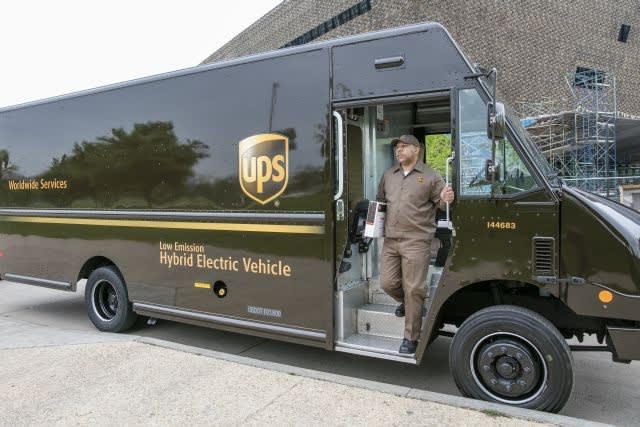
From old-fashioned pedal power and electric-assisted bicycles in dense urban areas like London and Hamburg to electric and hybrid electric vehicles in the U.S., and natural gas, renewable natural gas and propane globally, UPS is putting sustainability innovation into action, all over the world.(Photo courtesy of UPS)
“Many congested cities around the world are implementing zero tailpipe emissions zones, and UPS is keeping ahead of the curve by investing in advanced technologies and creating the commercial delivery fleet of the future,” said Abney.
By the end of 2016, UPS will have invested more than $750 million in alternative fuel and advanced technology vehicles and fueling stations globally since 2009. That continued investment, combined with supportive government policies, and a collaborative set of partners has helped to expand development and utilization of alternative fuels, vehicles, and infrastructure throughout the world.
Along the way UPS learned several lessons that can help other companies make sustainability investments that create long-term payoffs:
Encourage innovation. What started out as an “approach” has become an ecosystem of innovation and progress shaped by collaboration with suppliers, policymakers, and other stakeholders. UPS applied its expertise in logistics to the sustainability challenge and leveraged the scale of its 100,000-vehicle fleet to drive technology, market, and infrastructure improvements that make cleaner fuels and technologies economically viable.
Adapt and tailor the solution. The best solution is not always the perfect solution. The fuels and vehicles that work in one region or one setting may not make sense in another. Technology constraints, range, infrastructure availability, government policies, and local air-quality goals all play a role in determining vehicle deployment and fuel selection.
There’s no substitute for real-world big data. UPS is able to see 30,000 delivery route optimizations per minute through its On-Road Integrated Optimization and Navigation (ORION) system, which uses fleet telematics and algorithms to reduce the number of miles driven. The application of this Big Data approach to the UPS Rolling Lab’s fleet has been a key enabler to improving performance and reducing costs. When fully implemented, ORION is expected to help UPS avoid 100 million miles driven every year, reduce greenhouse gas emissions by 100,000 metric tons annually, and avoid 10 million gallons of fuel per year.
It takes consistent, unwavering commitment from leadership. Long-term investments don’t always pay off in the short term. Economic and market forces are constantly changing, and the political environment that is necessary to foster investment and infrastructure development can be unpredictable. It took UPS more than a decade to reach a point where the accumulation of miles driven by its fleet was rising nearly exponentially. That wouldn’t have happened without a long-term commitment.
Partner, promote and report progress. Sharing progress and results with key stakeholders and partnering with alternative fuel and technology developers, non-profits, government agencies and industry trade groups have been critical to the Rolling Laboratory’s success. UPS reports its progress annually in its Sustainability Report and includes key metrics such as CO2 emissions, energy consumption, and alternative fuel and advanced technology miles driven, among others. Together, these metrics demonstrate the positive impact of the company’s sustainability and social responsibility programs.
Originally posted on Automotive Fleet
More Green Fleet

Fleet Forward Conference Introduces One-Day Passes for 2026
New one-day registration gives fleet professionals the flexibility to attend Tuesday, Wednesday, or Thursday, with passes available for $199 through Sept. 18.
Read More →
CALSTART Rebrands as Catalyst Mobility, Will Combine with Forth in 2027
CALSTART has rebranded as Catalyst Mobility and will combine with Forth at the start of 2027. The new organization said it is poised to become one of the world's largest, strongest, and most impactful clean transportation nonprofits.
Read More →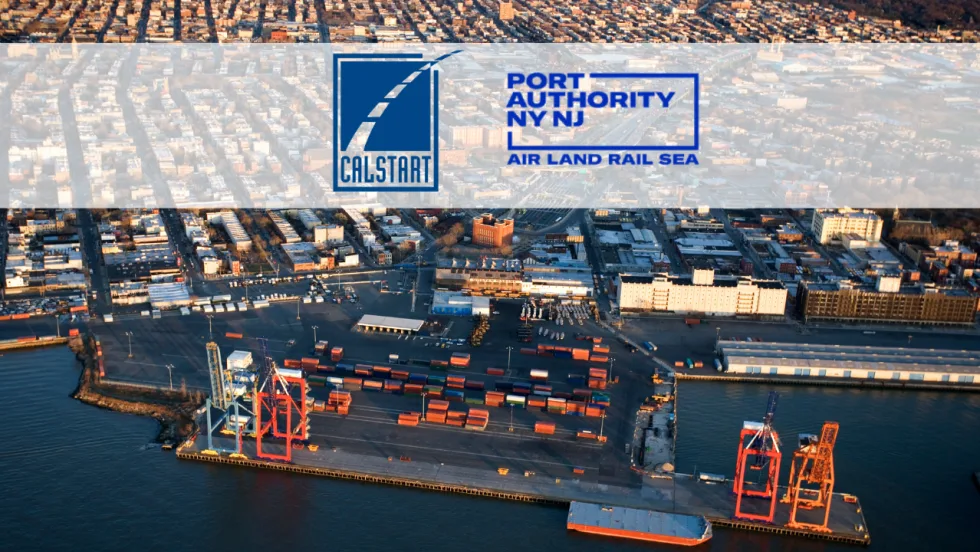
Electric Truck and Charging Programs to Boost Sustainability at NY & NJ Ports
Together, the Port Authority of New York and New Jersey and CALSTART will electrify drayage and terminal operations serving the East Coast’s busiest container port. A pair of incentive programs totaling $45 million has launched to accelerate adoption of zero-emission drayage trucks and terminal tractors.
Read More →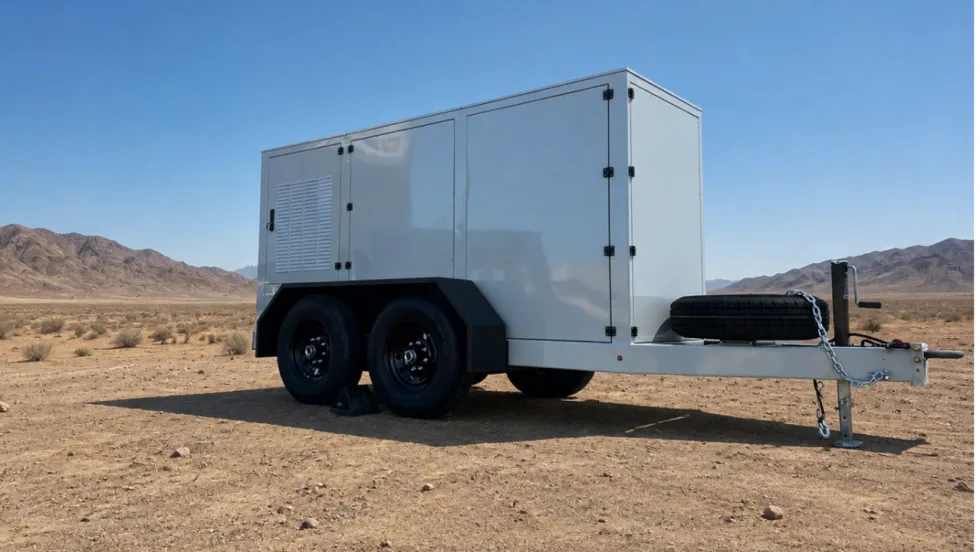
Xos Hub Surpasses One Gigawatt-Hour of Energy Delivered in the Field
A single Xos Hub has surpassed one gigawatt-hour of energy across more than 33,600 charging sessions in the field, demonstrating performance that supports Xos' expansion across new products and markets.
Read More →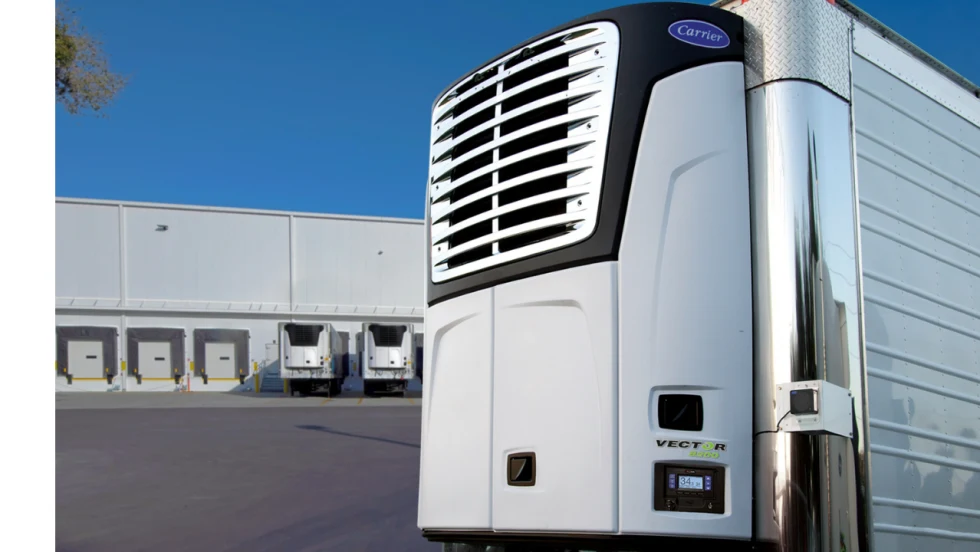
Carrier Transicold Launches All-Electric Vector 8200 TRU for Diesel-Free On-Site Cold Storage
Carrier Transicold’s first engineless multi-temperature TRU helps fresh- and frozen-food fleets add supplemental cold storage capacity during seasonal peaks.
Read More →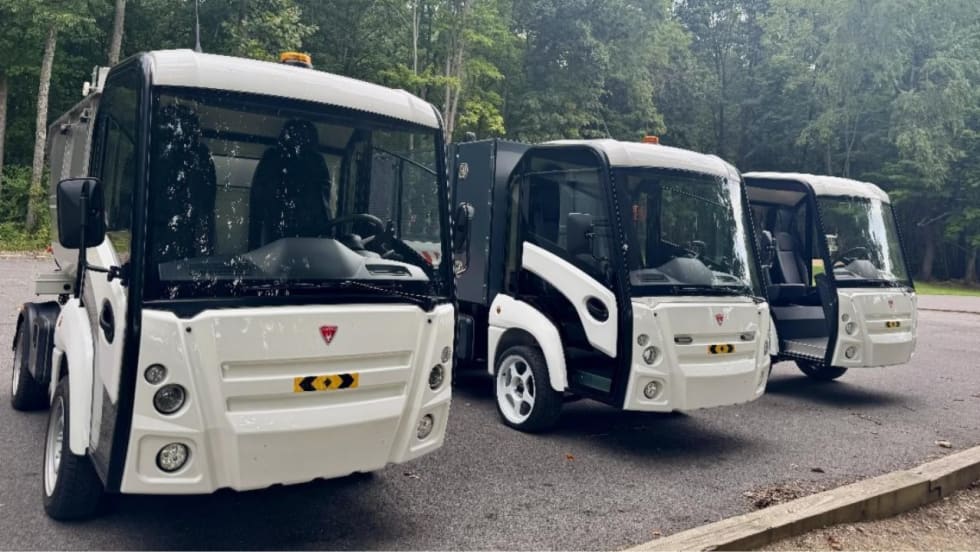
Narro Trucks Introduces Electric Utility Vehicle
Narro Trucks officially launched its operations on Aug. 20 and hosted a ride and drive to showcase its electric truck, which will be produced in Virginia.
Read More →
Samsung SDI Takes Full Control of GM Battery JV as Indiana Plant Pivots to Energy Storage
Samsung SDI is taking full control of its Indiana battery plant with GM, marking a major shift from the EV-focused joint venture Charged Fleet first covered in 2023.
Read More →
NWSA Taps CALSTART to Administer Zero-Emission Drayage Assistance Program
CALSTART will provide free technical assistance services to drayage fleets serving the Ports of Seattle and Tacoma and looking to transition to cleaner technologies and help decarbonize freight hubs.
Read More →
EV Fleet Reality Check: What Operators Wish They Knew Before Electrifying Their Work Vans
Electric work truck upfits bring new compatibility questions. Learn how parts availability, OEM guidance, power demands, and route planning can affect fleet performance.
Read More →
Peterbilt Expands Sourcewell Partnership with Electric Vehicle Lineup
Peterbilt Motors Company’s cooperative purchasing agreement with Sourcewell and its Canadian partner, Canoe Procurement Group, now includes including Peterbilt's battery-electric vehicle lineup.
Read More →