




Related: UPS to Invest $100M in CNG Trucks and Infrastructure
UPS Adds 2-Cylinder Engine to Hybrids to Boost Range
UPS has extended the range and improved the fuel economy of 125 of its hybrid-electric delivery trucks, the logistics company announced.
by Staff
May 3, 2016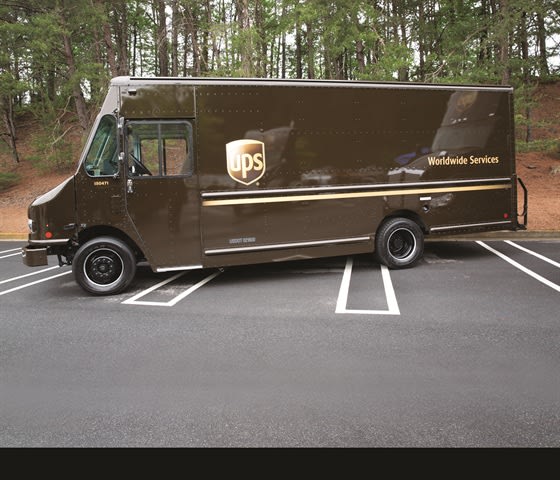
Photo courtesy of Workhorse.
2 min to read
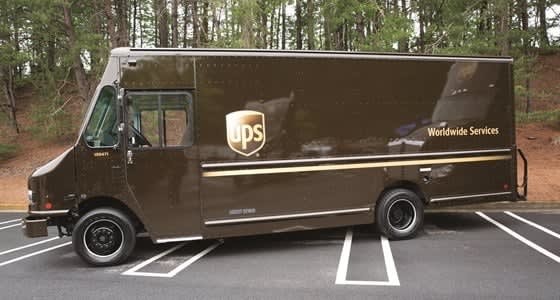
Photo courtesy of Workhorse.
UPS has extended the range and improved the fuel economy of 125 of its hybrid-electric delivery trucks, the logistics company announced.
The update is part of the company’s broader Rolling Laboratory, a cutting-edge approach to optimizing the use of alternative fuel and advanced technology vehicles. The updated trucks feature a compact, quiet-running 2-cylinder engine to extend their range and improve performance and fuel efficiency. The 650cc engine (which replaces a 4-cylinder engine) and updated E-Gen chassis were provided by Workhorse Group.
The trucks deliver up to four times the fuel economy of a gasoline-powered vehicle. They will be deployed in Alabama, Arizona, Georgia, Florida, Mississippi, Nevada, Ohio, and Texas later this year.
"These vehicles are a great example of the impact our Rolling Lab approach is having," said Carlton Rose, UPS Global Fleet Maintenance and Engineering president. "Our real-world testing of this new technology revealed opportunities to improve its performance and efficiency, which led to the development of a more advanced propulsion system."
The trucks were purchased under UPS’s commitment to log 1 billion miles with alternative fuel and advanced-technology vehicles by the end of 2017.
“These low-emission trucks are designed specifically to meet the stop and start needs of UPS’s urban delivery routes, while driving unprecedented fuel and maintenance savings,” said Steve Burns, CEO of Workhorse. “This new system enables the vehicle to accommodate UPS’s typical route on battery energy and uses a very small internal combustion engine to add additional energy to the batteries when and if needed and eliminates range anxiety.”
Originally posted on Automotive Fleet
More Green Fleet

Fleet Forward Conference Introduces One-Day Passes for 2026
New one-day registration gives fleet professionals the flexibility to attend Tuesday, Wednesday, or Thursday, with passes available for $199 through Sept. 18.
Read More →
CALSTART Rebrands as Catalyst Mobility, Will Combine with Forth in 2027
CALSTART has rebranded as Catalyst Mobility and will combine with Forth at the start of 2027. The new organization said it is poised to become one of the world's largest, strongest, and most impactful clean transportation nonprofits.
Read More →
Electric Truck and Charging Programs to Boost Sustainability at NY & NJ Ports
Together, the Port Authority of New York and New Jersey and CALSTART will electrify drayage and terminal operations serving the East Coast’s busiest container port. A pair of incentive programs totaling $45 million has launched to accelerate adoption of zero-emission drayage trucks and terminal tractors.
Read More →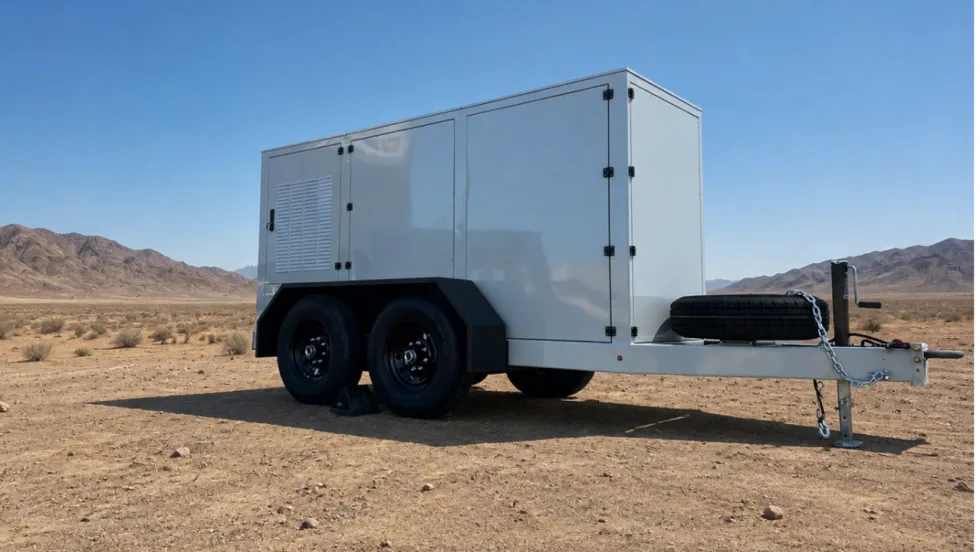
Xos Hub Surpasses One Gigawatt-Hour of Energy Delivered in the Field
A single Xos Hub has surpassed one gigawatt-hour of energy across more than 33,600 charging sessions in the field, demonstrating performance that supports Xos' expansion across new products and markets.
Read More →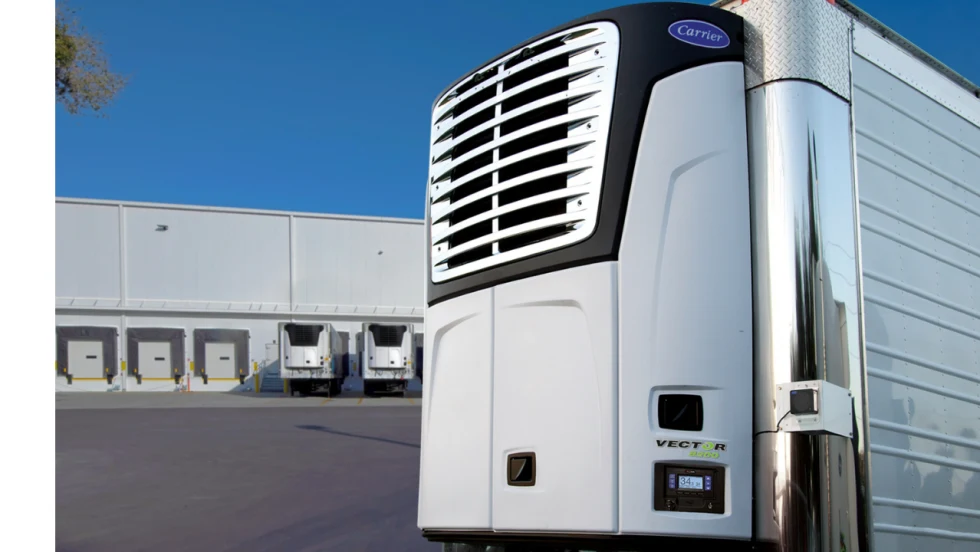
Carrier Transicold Launches All-Electric Vector 8200 TRU for Diesel-Free On-Site Cold Storage
Carrier Transicold’s first engineless multi-temperature TRU helps fresh- and frozen-food fleets add supplemental cold storage capacity during seasonal peaks.
Read More →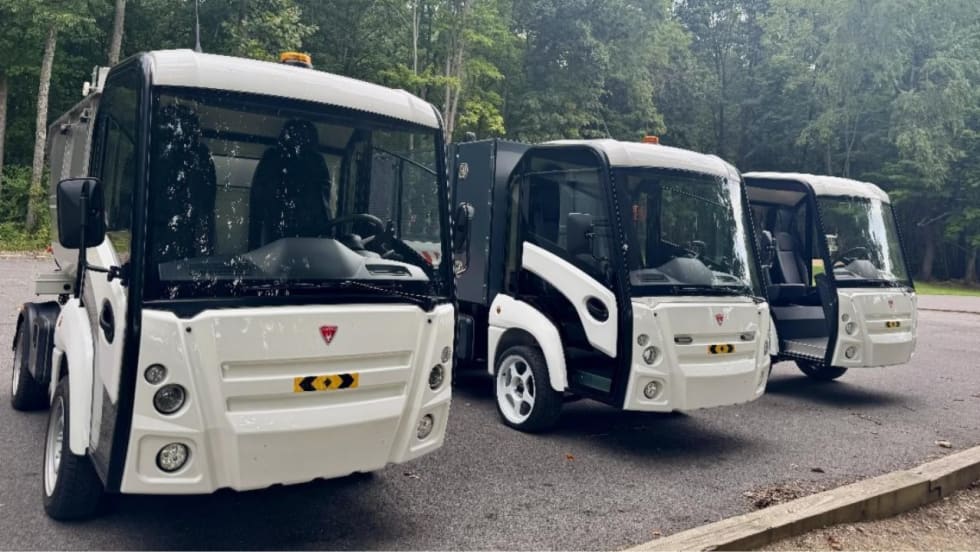
Narro Trucks Introduces Electric Utility Vehicle
Narro Trucks officially launched its operations on Aug. 20 and hosted a ride and drive to showcase its electric truck, which will be produced in Virginia.
Read More →
Samsung SDI Takes Full Control of GM Battery JV as Indiana Plant Pivots to Energy Storage
Samsung SDI is taking full control of its Indiana battery plant with GM, marking a major shift from the EV-focused joint venture Charged Fleet first covered in 2023.
Read More →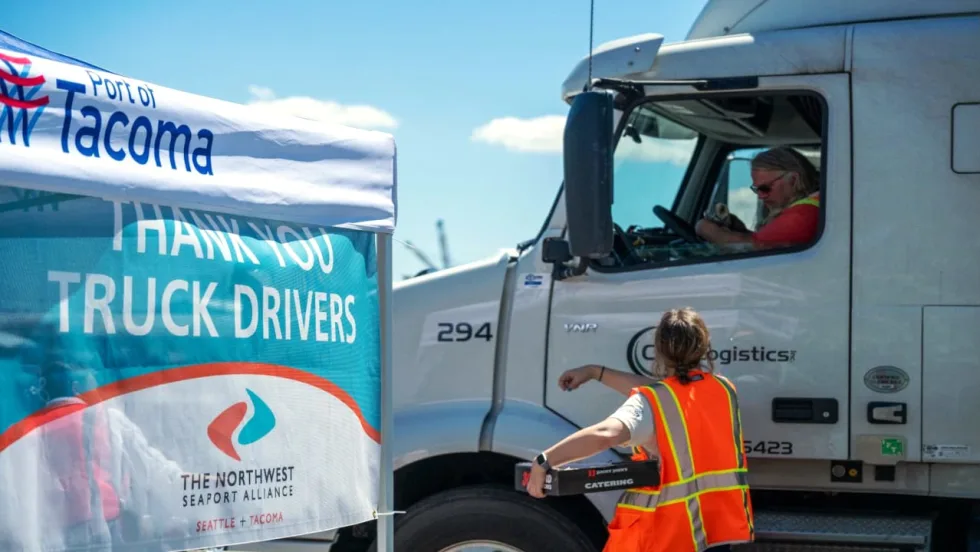
NWSA Taps CALSTART to Administer Zero-Emission Drayage Assistance Program
CALSTART will provide free technical assistance services to drayage fleets serving the Ports of Seattle and Tacoma and looking to transition to cleaner technologies and help decarbonize freight hubs.
Read More →
EV Fleet Reality Check: What Operators Wish They Knew Before Electrifying Their Work Vans
Electric work truck upfits bring new compatibility questions. Learn how parts availability, OEM guidance, power demands, and route planning can affect fleet performance.
Read More →
Peterbilt Expands Sourcewell Partnership with Electric Vehicle Lineup
Peterbilt Motors Company’s cooperative purchasing agreement with Sourcewell and its Canadian partner, Canoe Procurement Group, now includes including Peterbilt's battery-electric vehicle lineup.
Read More →