




Trump Administration Moves to Establish Drone Policy
The Trump administration issued a memorandum on Oct. 25 directing the Department of Transportation to establish a program in conjunction with state and local governments to regulate drone operation in delivery applications.
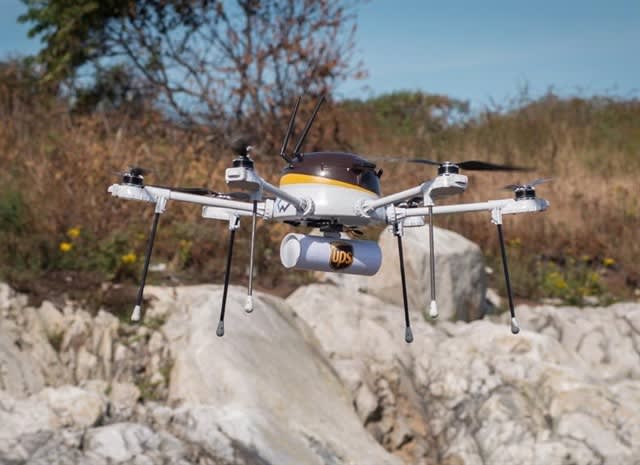
A new drone policy proposed by the Trump Administration allows drone operations up to 200 feet above ground or even 400 feet where appropriate. Photo: UPS
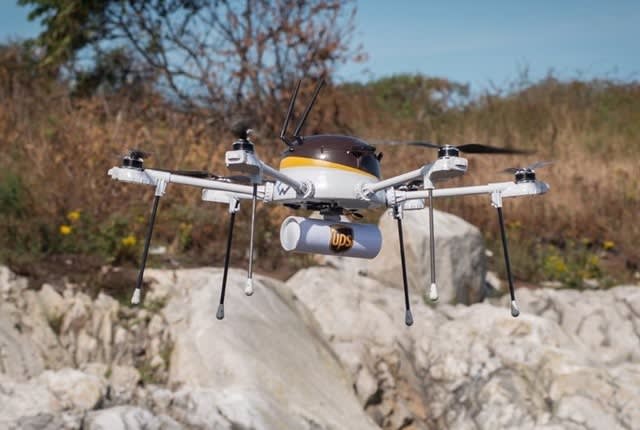
A new drone policy proposed by the Trump Administration allows drone operations up to 200 feet above ground or even 400 feet where appropriate.Photo: UPS
The Trump administration is making moves to establish a coherent federal policy governing the use of drones in delivery applications.
A presidential memorandum issued Wednesday, Oct. 25, directs the Department of Transportation to establish a pilot program inviting state and local governments, in partnership with private entities, to enter into agreements with the Federal Aviation Administration for sweeping waivers of current regulations on activities like flying at night and over people.
According to Politico.com, the DOT has six months to enter into at least five agreements pertaining to delivery drone operation, and the program is set to last three years. The information gathered from local and state experiments with drone operations will inform future regulatory actions.
FAA has been clear that it thinks state and local participation will be necessary for the foreseeable future, Politico notes. The memorandum states that "input from state, local, tribal, and private-sector stakeholders will be necessary to craft an optimal strategy for the national management of [unmanned aircraft system] operations. A coordinated effort between the private sector and among these governments will provide certainty and stability to UAS owners and operators, maximize the benefits of UAS technologies for the public, and mitigate risks to public safety and security."
The White House said a flexible regulatory framework is needed to "promote continued technological innovation and to ensure the global leadership of the United States in this emerging industry."
The memorandum allows for proposals for drone operations up to 200 feet above ground or even 400 feet where appropriate. More details will come in a federal register notice in the coming days or weeks.
Rep. Jason Lewis (R-Minn.), who had previously proposed a similar program, said the pilot should go even further in allowing states and municipalities to set restrictions on drone flights. "Amazon wants to take that delivery right down your avenue on Sunday morning," Lewis told Politico. "The question is, who should decide that?"
Additionally, Politico reports, FAA is looking for applications submitted jointly from a state or municipality and a private entity for a specific program. Ideally, the applications would be from "a commercial operation or first responder operation or, quite frankly, anything innovative that a community would want to employ and partner with a private entity to conduct," according to a DOT official cited by Politico. This move is part of an effort on the part of the FAA to learn how potential operators plan to use drones without being a nuisance for people on the ground. Concerns about drones used for snooping in private areas will be addressed as well.
Originally posted on Automotive Fleet
More Operations
Family Ties Inside the Fleet Families Building Careers Across Generations
Three fleet families share what it really takes to work together, learn across generations, and keep business from following them home.
Read More →
Shades of Fleet Call for Voices: Fleet's Hidden Heroes
Fleet’s hidden heroes are often the ones keeping everything moving behind the scenes. September’s Shades of Fleet is looking for dispatchers, coordinators, parts specialists, and other support pros to share their stories.
Read More →
Truck Centers, Inc. Celebrates National Truck Driver Appreciation Week with $1,000 Fuel Card Giveaways
During National Truck Driver Appreciation Week, Truck Centers, Inc. is offering customers a chance to fuel up for free. Customers at all Truck Centers locations can enter to win one of four $1,000 fuel cards from Sept. 14 - 18.
Read More →
Fleet Guides, AI Time-Savers, Truck Tariffs & Fuel Strategy Lead the News
This week’s Truck Chat Cheat Sheet covers new fleet vehicle guides, practical AI use cases, U.S.-Canada truck production, mixed-energy strategy, and more.
Read More →
What Fleet Employers Are Missing When Hiring Veterans
What if some of the strongest candidates for fleet are already out there, but their experience is written in a language our industry does not always recognize?
Read More →
Automotive Fleet Opens 2026 Personal Use Survey for Commercial Fleet Managers
Less than two weeks left! Commercial and corporate fleet managers are invited to share how their organizations handle company vehicle personal-use policies, charges, and driver eligibility.
Read More →
What Resilient Fleets Do Differently When Conditions Change
Fleet resilience is about more than reacting to disruption. Lauren Fletcher talks with AP Fleet’s Alex Coveney about flexibility, planning, scaling, and what helps fleets adapt when business conditions shift.
Read More →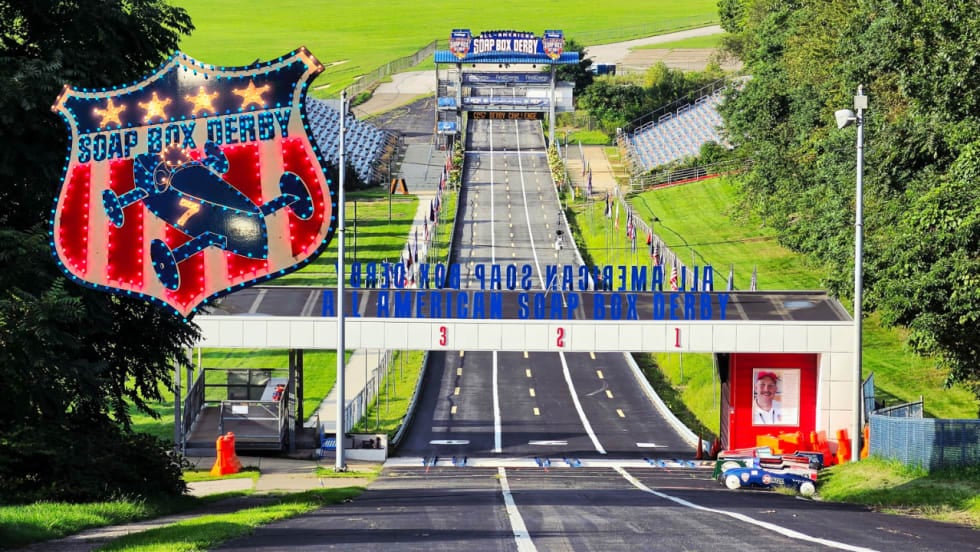
If We Want the Next Generation in Automotive, We Have to Give Them a Reason to Care
The automotive industry talks constantly about its workforce shortage. But before we can recruit the next generation, we may need to do a better job giving kids a reason to care about automotive in the first place.
Read More →
Ram ProMaster City Under $40K, Truck Tariffs, and AI Maintenance Lead the News
A sub-$40K commercial van, tariff questions, AI-powered maintenance, and a new EV production strategy headline this week’s Truck Chat Cheat Sheet.
Read More →
Bob Adamsky Shares the Fleet Lessons You Usually Learn the Hard Way
After more than 30 years in fleet, Arrow International’s Bob Adamsky has learned that the job is about far more than vehicles. He shares the lessons he wishes every fleet manager could learn a little earlier.
Read More →