




Truck Drivers Compete Worldwide
Between May 1 and July 31, 2017, truck drivers worldwide competed to record the most economical driving style in the 13th Fleetboard Drivers' League. This year, a total of 25 724 drivers and 759 fleets from 20 countries took part.

Image courtesy of Daimler Trucks
Between May 1 and July 31, 2017, truck drivers worldwide competed to record the most economical driving style in the 13th Fleetboard Drivers' League. This year, a total of 25 724 drivers and 759 fleets from 20 countries took part. The best truck drivers have now been announced: in Germany two-times Drivers' League champion Wilfried Schweika from
The best truck drivers have now been announced: in Germany two-times Drivers' League champion Wilfried Schweika from DOEGO Fruchthandel & Import eG topped the podium again with an overall score of 10.69. The best driver worldwide was Miroslav Císar, who drives for NAD-RESS a.s. in Slovakia, with an outstanding overall score of 10.94.
The best fleets have also been named: in Germany the team from Achse GmbH took first place for the second time in a row with an average driving style score of 9.90. The best international fleet comes from Asia: Chinese haulage company Dongguan Tianyou Logistics Services Co., Ltd. took the top spot with an average driving style score of 9.93.
In the Fleetboard Drivers' League, drivers compete against each other in their everyday business behind the wheels of their trucks. The winners are the participants who record the most wear-optimised, consumption-optimised driving style. The participants' driving styles are evaluated on the basis of their driving style score from the Fleetboard Performance Analysis. This is based on a combination of wear and consumption-related factors, such as anticipatory driving, speed changes, and braking behavior.
New this year are bonus points for driver duels – drivers can challenge each other and earn 0.1 bonus points for each duel they win, boosting their overall Drivers' League score. This is composed of the total driving style score from the Fleetboard Performance Analysis and the bonus points from the duels won. If more than one driver has the same overall Drivers' League score, the second criterion applied is a score for the degree of difficulty in the driver's deployment, which will also come from the Fleetboard Performance Analysis. If drivers are still level at this point, then the third criterion - namely the mileage - will come into play.
However, the Drivers' League is about more than just winning: the drivers prove on every trip that they are masters of their art and that their driving style can result in fuel savings of up to 15%. Lower fuel consumption means fewer CO2 emissions and a reduced impact on the environment.
More Fuel

The Smart Way to Build a Mixed-Energy Fleet Isn’t About Picking a Side
Mixed-energy fleets aren’t about picking a winning fuel. Sarah Booth of WEX explains how vehicle data, duty cycles, charging strategy, and real-world costs can help fleets choose the right energy source for each job.
Read More →
Ignoring This Dashboard Warning Could Cost Your Fleet Thousands in Fuel
New research suggests neglected diesel aftertreatment systems could waste up to $30 in fuel per vehicle each day. Here's why vocational fleets should pay attention.
Read More →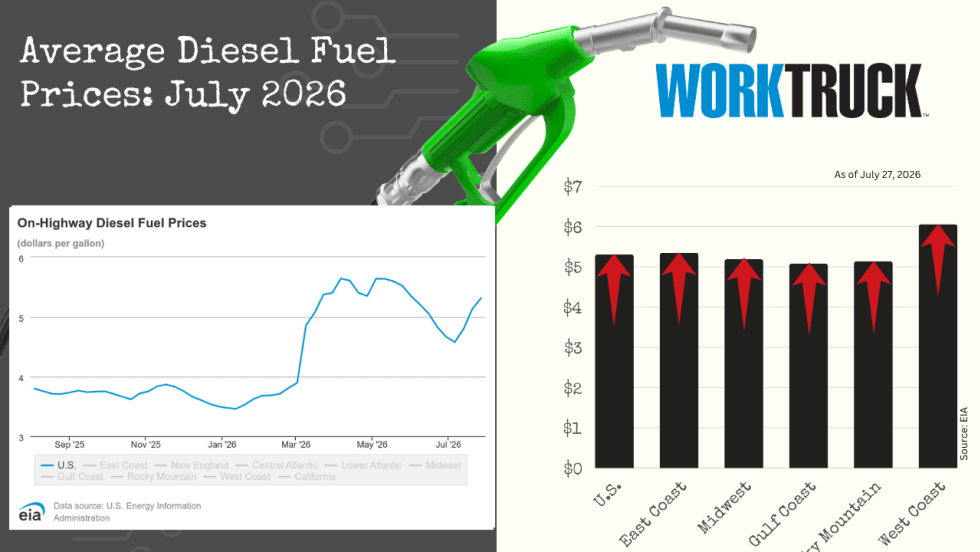
July Diesel Trends Update
The average price of a gallon of diesel increased again this week, and the EIA reported a new national average of $5.31 at the start of the week.
Read More →
WEX Brings Standard Fleet's Connected Vehicle Platform to Fleet Customers
This week’s product launch with Standard Fleet’s connected vehicle platform reflects WEX Venture Capital's strategy of turning startup innovation into customer solutions. Standard Fleet is now available to WEX fleet customers.
Read More →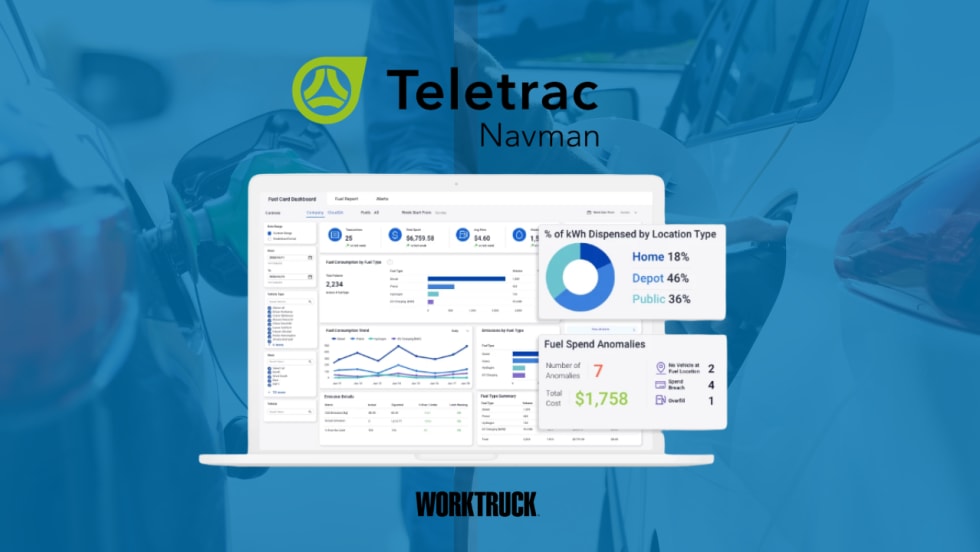
Teletrac Navman Adds Mixed-Energy Fleet Tools to TN360
The new Energy Hub combines fuel transactions, EV charging data, vehicle range, and energy costs in one dashboard for fleets operating multiple vehicle and energy types.
Read More →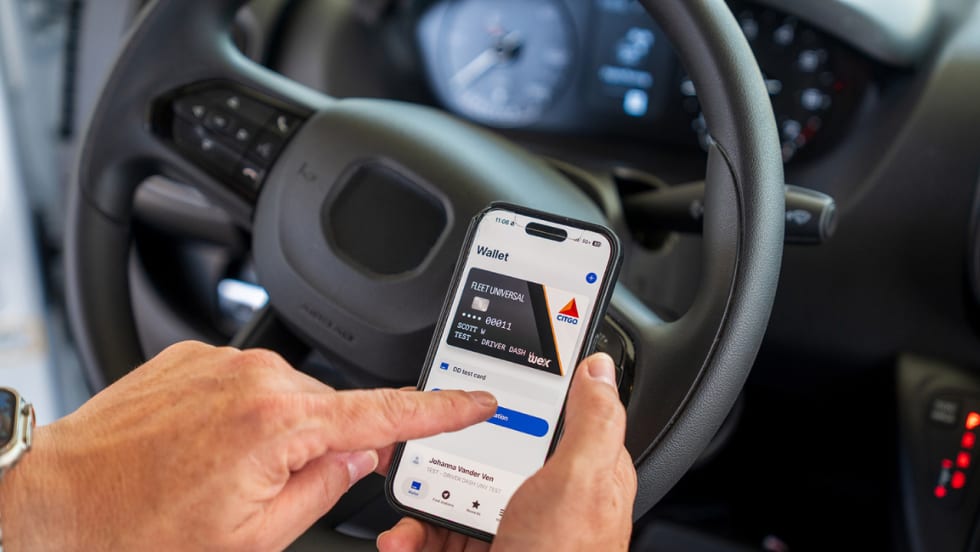
WEX DriverDash adds CITGO, Expands Nationwide Access for Fleets
The DriverDash mobile payment app, by WEX, has been integrated into the CITGO merchant network, which means WEX has expanded its U.S. station footprint with the addition of approximately 4,000 CITGO locations.
Read More →
Mixed Energy Fleet Tips for Balancing EVs, Gas and Diesel Vehicles
Mixed energy fleets are becoming the new normal. Learn how fleet managers are balancing EVs, gas and diesel vehicles while controlling costs and planning for the future.
Read More →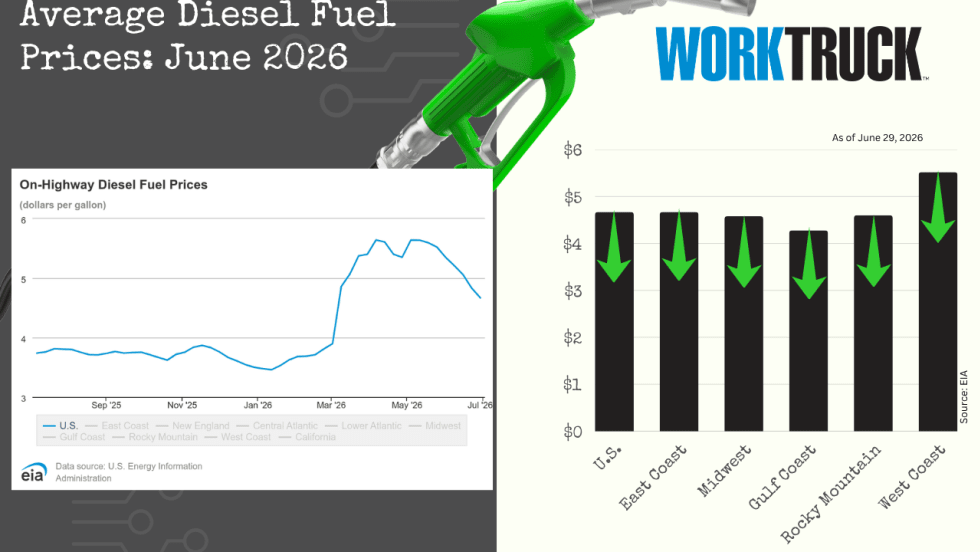
June Diesel Trends Update
The national average price of a gallon of diesel has dropped again, this week by more than 16 cents. All five regions reported lower average prices, ranging from almost 13 cents to more than 28 cents cheaper than a week ago.
Read More →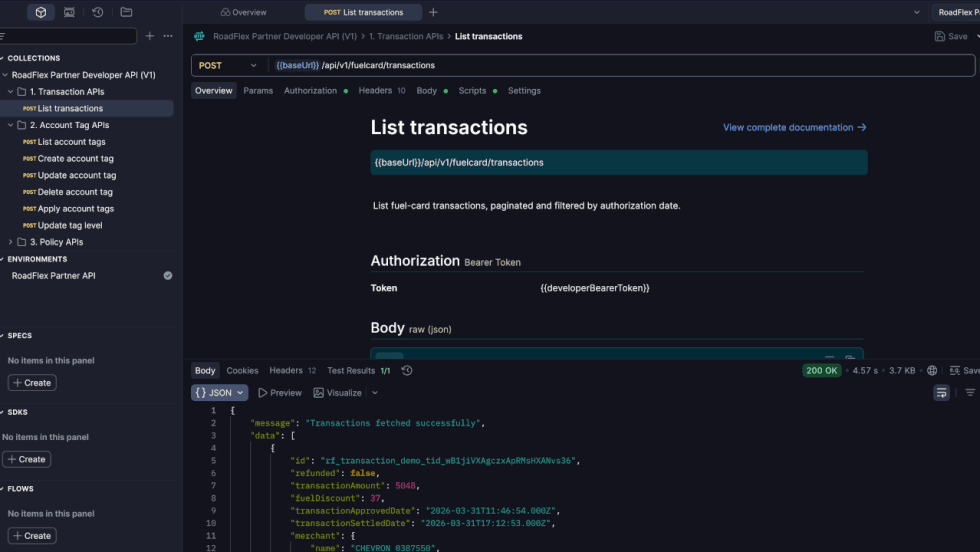
RoadFlex Launches RoadFlex Direct Open API Platform
RoadFlex Direct connects fuel cards, controls, and data to the telematics and fleet management systems fleets already run, from Geotab and Samsara to Fleetio and RTA, with no separate dashboard or double data entry.
Read More →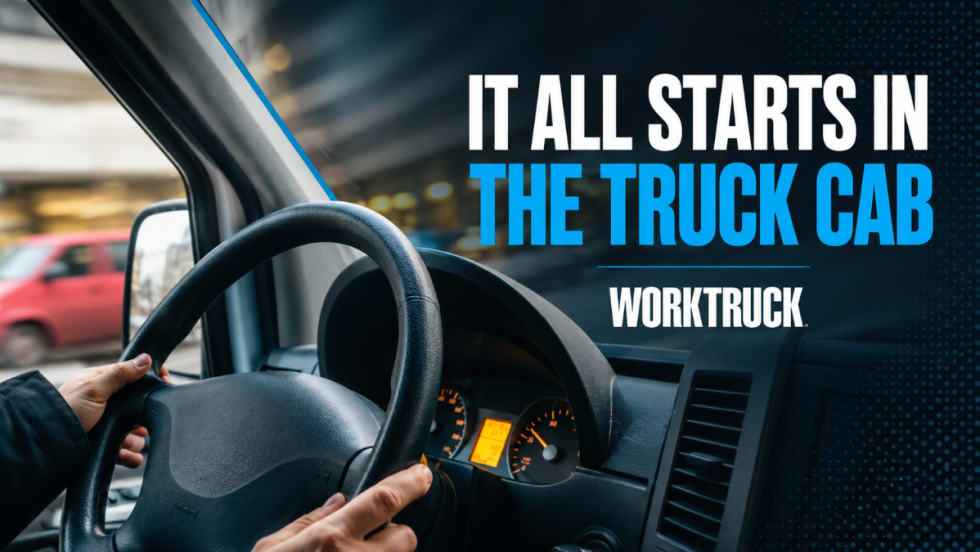
The Key to Fuel Efficiency Sits in the Cab
Learn how driver behavior, telematics, coaching, and fuel data can help fleets improve fuel efficiency, lower costs, and reduce emissions.
Read More →