





Related: Predictive Maintenance: Tell Me Something I Don’t Know
Transportation Incidents Top Cause of Fatal Work Injuries
Inspired by the labor shortages in the transport and construction industries, Teletrac Navman assessed if the relationship between compensation and the danger of the jobs within those fields could potentially be affecting the size of the recruitment pool.
April 4, 2019
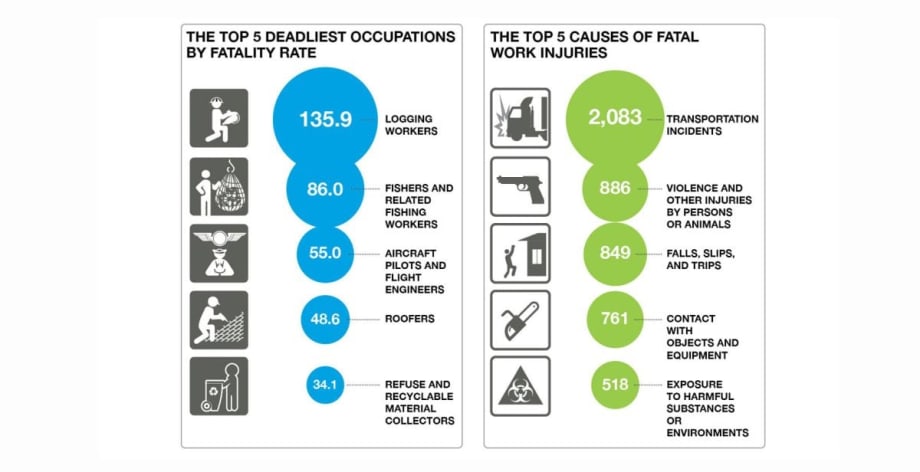
When it comes to tough or dangerous jobs, truck drivers top the list as one of the deadliest occupations.
Image courtesy of Teletrac Navman
2 min to read
Inspired by the labor shortages in the transport and construction industries, Teletrac Navman assessed if the relationship between compensation and the danger of the jobs within those fields could potentially be affecting the size of the recruitment pool.
By taking into account the fatality rate (a rate calculated by the Bureau of Labor Statistics by considering the number of fatal injuries and the number of hours worked) rather than just total fatalities, the telematics solutions provider gauged which truly are the riskiest and deadliest jobs in America.
Furthermore, Teletrac Navman dove a little deeper and took a look at how much the individuals within those professions are compensated for the level of danger they are subjected to. Are the most dangerous jobs also those with the highest compensation?
The most dangerous job in the U.S. right now is logging work. Logging workers have a fatality rate of 135.9, which is nearly 50-points higher than the closest second. About 91 loggers died in 2016, according to the bureau, and considering that the job only pays $40,830 as an annual mean wage, the job hardly seems worth it.
Here’s the list of the 10 most dangerous jobs in the U.S.:
Logging workers — 135.9 fatality rate (91 total fatalities)
Fishers and related fishing workers — 86.0 fatality rate (24 total fatalities)
Aircraft pilots and flight engineers — 55.0 fatality rate (75 total fatalities)
Roofers — 48.6 fatality rate (101 total fatalities)
Refuse and recyclable material collectors — 34.1 fatality rate (31 total fatalities)
Structural iron and steel workers — 25.1 fatality rate (16 total fatalities)
Delivery truck drivers and driver/sales workers — 24.7 fatality rate (918 total fatalities)
Farmers, ranchers, and other agricultural managers — 23.1 fatality rate (260 total fatalities)
First-line supervisors of construction trades and extraction workers — 18.0 fatality rate (134 total fatalities)
Grounds maintenance workers — 17.4 fatality rate (217 total fatalities)
It’s somewhat upsetting that some of the most stressful, hazardous, and riskiest jobs in America don’t have particularly high mean salaries at all. Most of these dangerous jobs, in fact, make less than the median household income in America (which is $61,372).
Dangerous jobs that pay well include aircraft pilots and flight engineers, who make an average of $138,690 per year. Also, farm managers and agricultural managers make an average of $80,320 per year, but the range between high earners and low earners can be very high.
In 2016, 570 individuals have died in the trucking industry, and 991 died in the construction industry. They might have fairly low fatality rates, but every individual death is one too many. Make your operation safer and more effective using our solutions.
More Safety
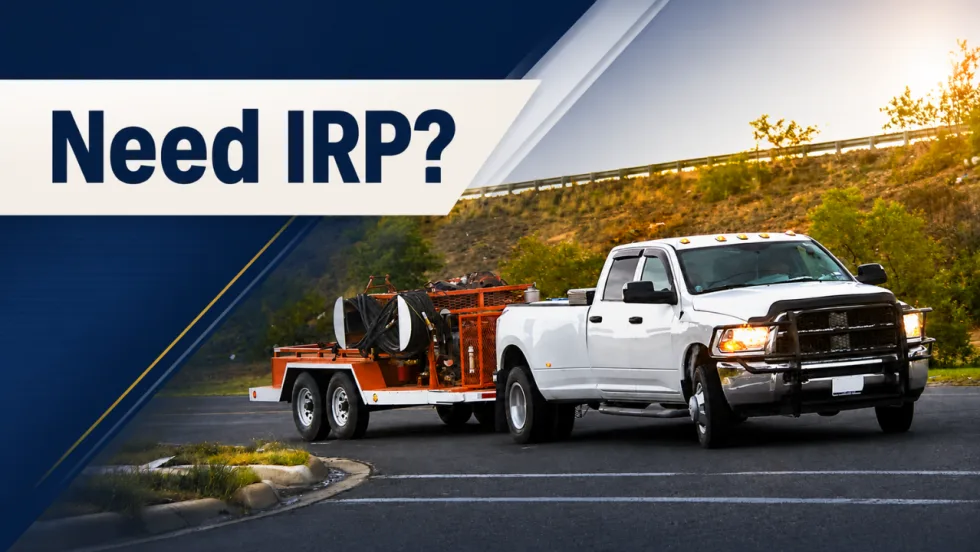
When Work Trucks Under 26,001 Pounds Need IRP Registration
Think trucks under 26,001 pounds are automatically in the clear when it comes to IRP? Not always. Learn where lighter vehicles can still run into trip permit, apportioned registration, and IFTA compliance requirements when crossing state or provincial lines.
Read More →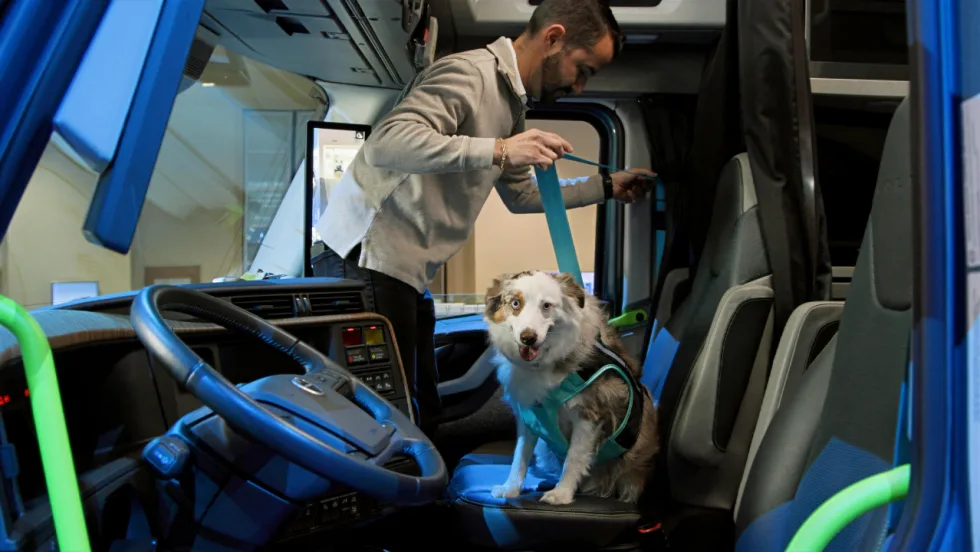
Volvo Trucks Releases New Safety Recommendations for Traveling with Pets
One of the most important recommendations for professional drivers traveling with pets is to ensure pets are properly restrained while the truck is moving. Other tips are available in the new guide from Volvo Trucks North America and Center for Pet Safety.
Read More →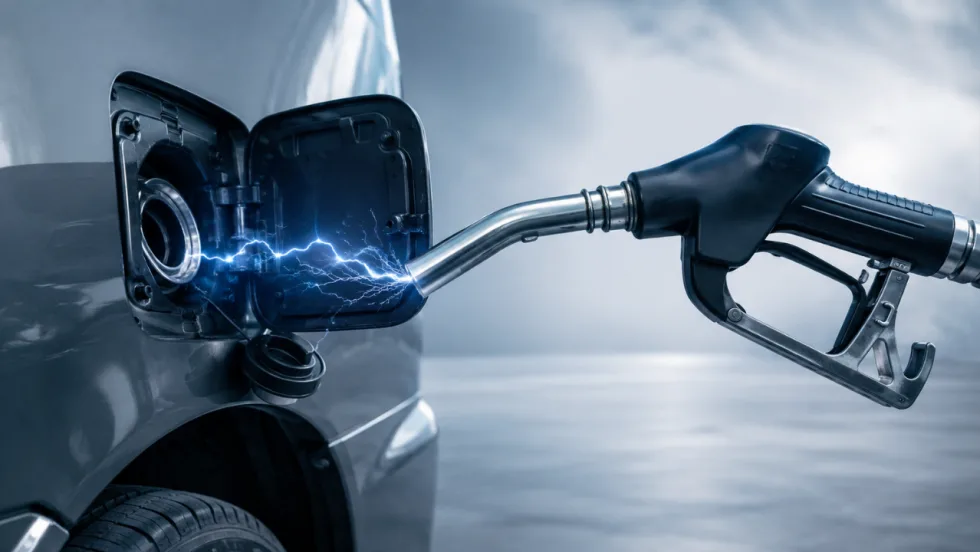
API Issues Refueling Safety Guidelines
The American Petroleum Institute offers a list of safe vehicle refueling guidelines, including ways to avoid potential problems with static electricity discharges in fall, winter, and early spring.
Read More →
Winter Fleet Prep: Expert Tips to Keep Vehicles Running Smoothly
Cold weather can expose weak batteries, tires, fuel systems, and maintenance gaps fast. Use this winter fleet checklist to prepare trucks and drivers before temperatures drop.
Read More →
When a Work Truck Breaks Down, the Job Can Stop, Too
A work truck breakdown can stop more than the vehicle. Discover how payloads, jobsites, and specialty equipment change the roadside response.
Read More →
What Stronger Long-Term Fleet Service Partnerships Actually Require
Fleet service partnerships rarely fall apart all at once. Learn the three warning signs that trust is eroding and what fleets and providers can do before downtime, frustration, and lost revenue follow.
Read More →
Applause & TRUCE Software Partner to Improve Driver Safety Through AI-Powered Telematics & Employee Performance Management
Applause has integrated TRUCE driving metrics directly into its employee-first performance and safety platform that transforms mobile devices into AI-powered telematics.
Read More →
How Detroit Assurance with Active Brake Assist Works
Do you want to see what it is like to experience Detroit Assurance’s Active Brake Assist? In this video, Work Truck will put you in the cab to see how it all works and then hear more details from DTNA’s Mike Young.
Read More →
Get Left of Loss: A 5-Step Workplace Violence Prevention Framework for Fleet Operators
Violence risks do not stop at the driver’s door. Learn five practical steps fleets can take to spot threats early and protect workers before loss occurs.
Read More →
Sponsored•July 17, 2026
How Better Visibility Cut Speeding Violations by 48%
Fleet leaders don't need more data, they need clearer visibility into what the data is saying. This case study explores how one utility replaced speeding-event counts with a single metric — miles driven in violation — to strengthen safety and significantly reduce speeding violations.
Read More →