




Third-Gen Sprinter Van to Focus on Mobility, Connectivity
The 2018 Mercedes-Benz Sprinter will add a gasoline engine, optional factory telematics offering, and more than 1,000 configurations to provide a "holistic mobility solution" when it debuts in February, the head of the company's van division told journalists in Stuttgart, Germany.

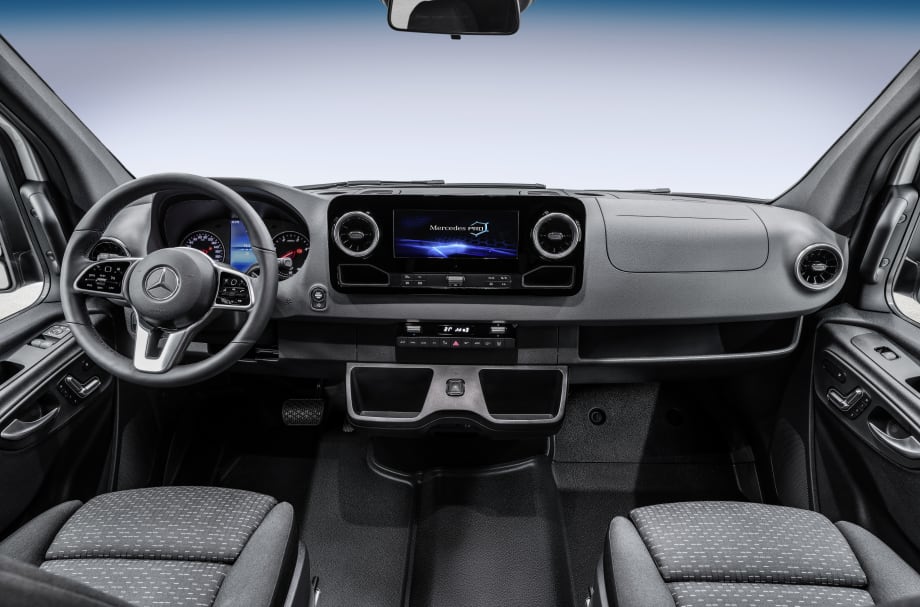
One of four dashboards offered on the 2018 Sprinter. Photo courtesy of Mercedes-Benz.
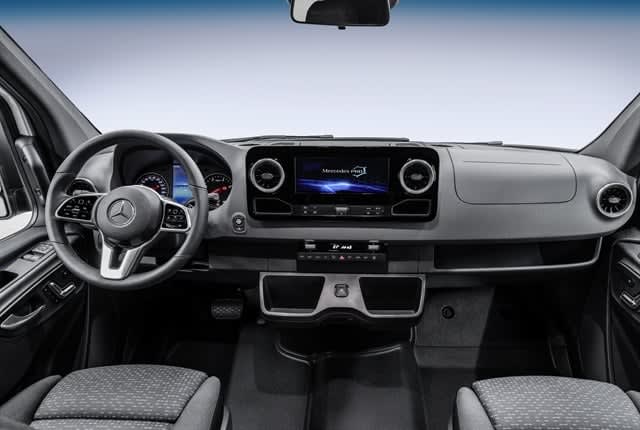
One of four dashboards offered on the 2018 Sprinter. Photo courtesy of Mercedes-Benz.
The 2018 Mercedes-Benz Sprinter will add a gasoline engine, optional factory telematics offering, and more than 1,000 configurations to provide a "holistic mobility solution" when it debuts in February, the head of the company's van division told journalists in Stuttgart, Germany.
Mercedes-Benz is launching the third generation of its Sprinter that was first introduced in the U.S. 1995 and updated in 2010.
"The Sprinter is the flagship of our commercial fleet and embodies our approach toward an integrated system solution," said Volker Mornhinweg, head of Mercedes-Benz Vans. "Comprehensive industry-specific know-how, a vehicle that is adaptable to different transport requirements, and innovative networking services add up to a fully-integrated product offering."
Mornhinweg's van unit provided general information about the new full-size van at Sprinter Innovation Campus, an event that focused on six aspects of the vehicle, including its versatility, possible electrification, telematics capabilities, and features suited for grocery delivery, passenger hauling, and service fleets.
The 2018 Sprinter will provide plenty of versatility with its three wheelbases, four body lengths, three roof heights, four engine powers, and four dashboards. Commercial buyers can also configue many of the interior features such as the van's storage compartments, cupholders, head unit, and climate controls. All models will offer push-button start.
Mercedes-Benz is also shifting the van's drive train to a front-wheel orientation — the van now offers standard rear-wheel drive or a 4x4 option — to lower the load floor to help drivers load cargo. The move will eliminate the prop shaft.
Mercedes-Benz hopes to offer a battery-electric model now known as eSprinter in the U.S., as well as an all-electric eVito (the mid-size van known as the Metris in the U.S.), but the "demand has to be there," Mornhinweg said.
When the 2018 Sprinter arrives in late 2018 or early 2019, Mercedes will offer a manufacturer telematics system known as Mercedes Pro that will provide fleet managers a cloud-based vehicle management tool, telematics data served to a mobile app, cargo monitoring, a digital key, and Linux-based vehicle platform that's designed to encourage third-party vehicle apps. Mercedes-Benz began offering the product in September for used Sprinter vans.

Volker Mornhinweg said Mercedes-Benz hopes to offer a battery-electric model in the U.S. Photo courtesy of Mercedes-Benz.
The company considered partnering with an aftermarket telematics provider such as Verizon Telematics to offer the telematics product, but elected to retain control of Sprinter data.
"We decided it would be better to do it by ourself because we have control of the solution," Mornhinweg said. "We thought it would be better to have it under one umbrella, our umbrella."
Originally posted on Automotive Fleet
More Technology & AI
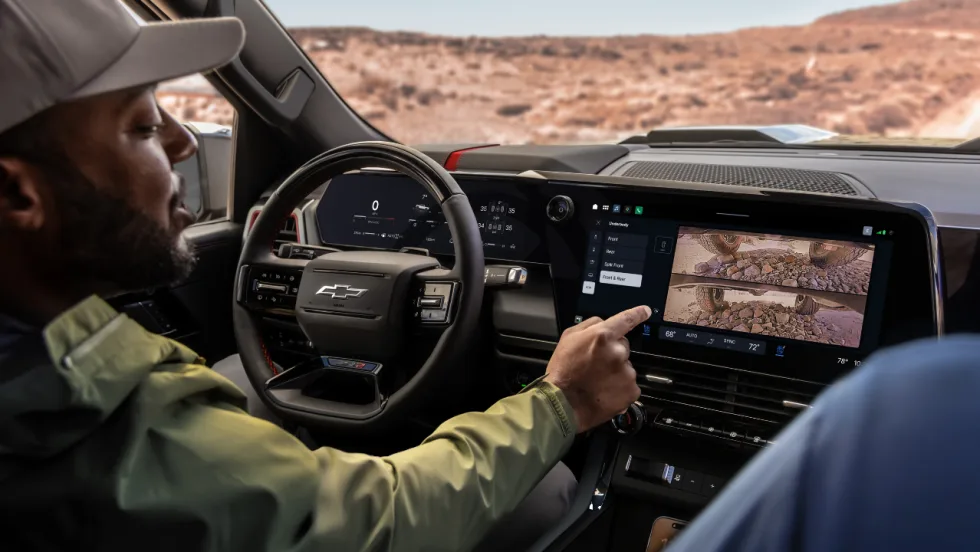
GM Brings New Truck Focused Interface to 2027 Silverado and Sierra
GM's new pickup interface puts trailering data, camera views, vehicle controls, and smartphone integration closer to the driver in the 2027 Silverado and Sierra.
Read More →
Samsara Driver Perks Expands Rewards Beyond the Long Haul Driver
Samsara’s new driver rewards program was built with a broader professional driver in mind, including employees who split their day between driving, job sites, service calls, and other work.
Read More →
AI Service Advisor Aims to Cut Fleet Repair Downtime
Fleetio said its AI Service Advisor can help fleets cut repair downtime by an average of 2.5 hours per repair while reducing manual maintenance work.
Read More →From Our Partners



Verra Mobility Launches AI-Driven Title & Registration Solution
Verra Mobility has launched a new AI-driven Title & Registration platform to help fleets move vehicles from acquisition to the road the same day while reducing compliance risk.
Read More →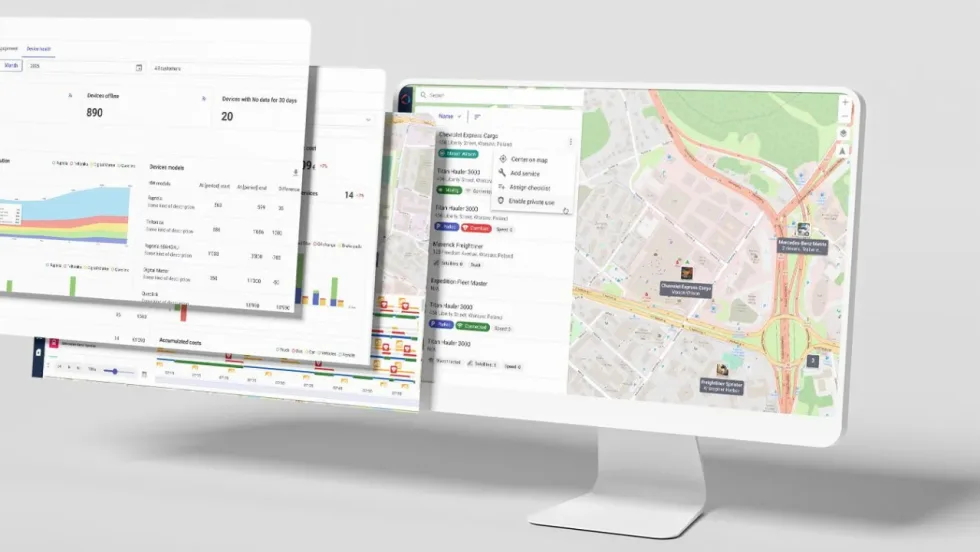
Wialon Unlocks OEM Data to Give Fleet Owners Data Ownership & Operational Clarity
Wialon has introduced hardware-free OEM integration as the EU Data Act accelerates the shift in vehicle data access across the fleet industry in many countries.
Read More →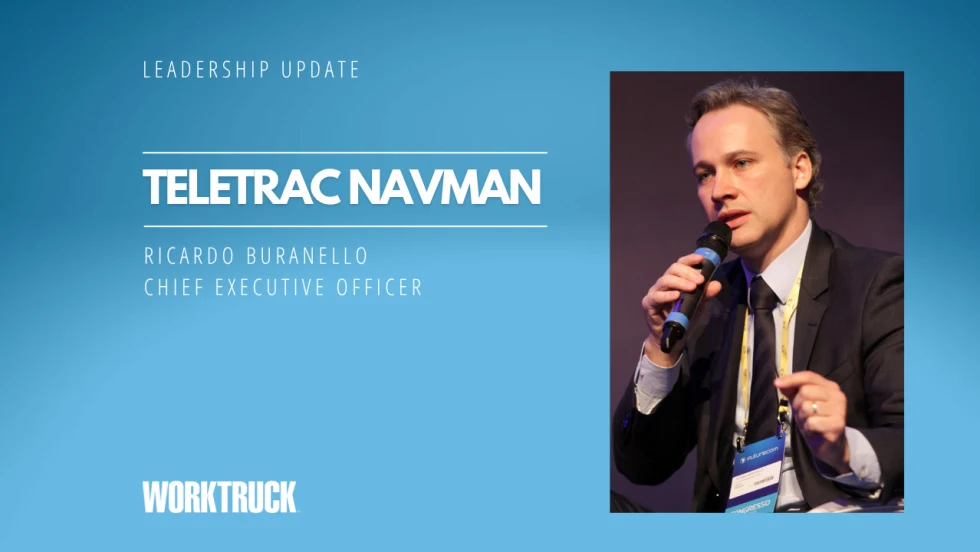
Teletrac Navman Promotes New CEO from Within
Teletrac Navman’s next CEO, Ricardo Buranello, has served as the company’s chief financial and operating officer. He brings deep financial and operational expertise, a strong strategic orientation, and an intimate knowledge of the business to his new role.
Read More →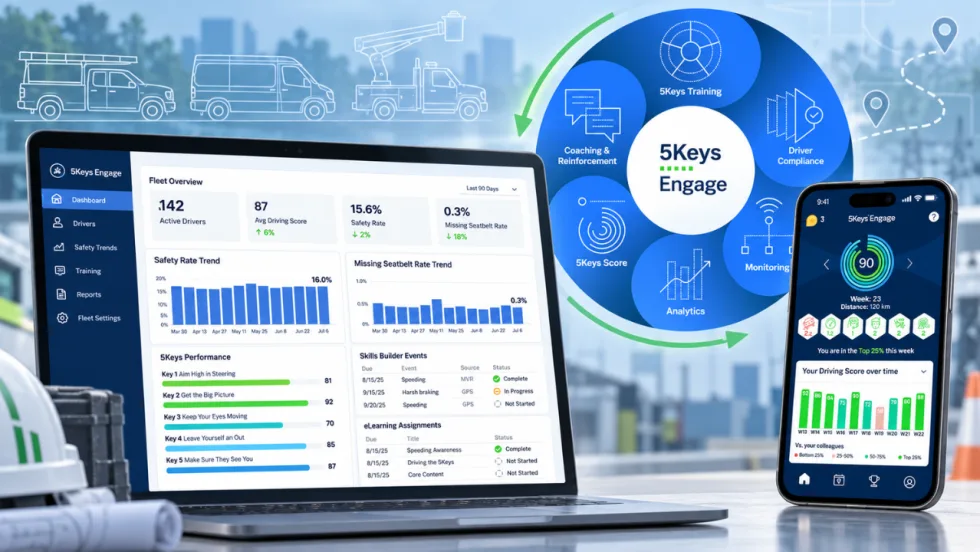
Smith System Wants Work Truck Fleets to Look Beyond the Driver Alert
Smith System’s new Driver Risk Management program is built to help mixed work truck fleets turn telematics alerts and observations into specific behaviors, coaching actions, and measurable follow-up.
Read More →
Ford Pro Software Updates: August 26
Check out the latest Ford Pro software updates, including Google Maps integration, Remote Vehicle Alarm integration, Motor Pool for easier management of shared pool vehicles, and more.
Read More →
Where AI Is Actually Saving Fleet Managers Time
AI is moving past the buzzword stage and into the daily fleet workflow. Fleetio’s Brianna Perry Lang breaks down where fleets are seeing real time savings, from maintenance and data entry to repair decisions, safety, and compliance
Read More →
Are Work Truck Drivers Warming Up to Dash Cams and GPS Tracking?
A new survey finds field-service drivers may be more comfortable with dash cams and GPS tracking than fleet managers think, especially when the technology helps protect them after a crash.
Read More →