




The role of GVWR and GCWR in Specifying Work Trucks
Understanding GVWR and GCWR is a key part of assessing CDL operator requirements and ensuring employee safety.
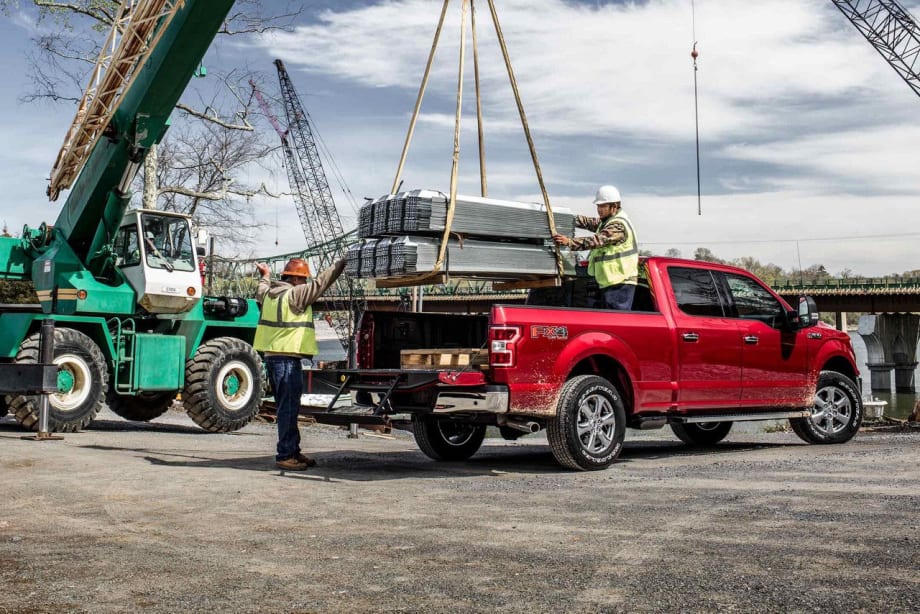
A truck's chassis manufacturer determines a vehicle's gross vehicle weight rating (GVWR). The GVW is the total weight of a truck and its payload. Photo courtesy of Ford
Often, GVWR and gross vehicle weight (GVW) are thought to be the same, but they are not. A truck’s GVWR is the maximum weight rating established by the chassis manufacturer. GVW is the total weight of the truck and payload at a point in time.
There’s a common misconception that a truck’s GVWR is determined by adding gross axle weight ratings (GAWRs) together for all axles. Although this was a common way of calculating GVWR many years ago, it’s no longer an accurate method. The chassis manufacturer task of establishing a vehicle GVWR is much more difficult today due to advancement of safety system standards and how vehicles meet these requirements. This is why many trucks have a GVWR much lower than the combined axle ratings. It is not uncommon for a truck with a GVWR of 19,500 pounds to have a front axle rated at 7,500 pounds and a rear axle rated at 14,700 pounds. Safety standards that apply to braking, vehicle stability, and chassis manufacturer internal standards for durability, dynamic stability and handling can restrict GVWR even though the sum of the axle ratings exceeds 22,000 pounds. In this instance, the OEM set the GVWR at 19,500 pounds based on test results and vehicle dynamic performance to ensure a safe, reliable truck.
A specific vehicle’s GCWR is based on parameters established by chassis manufacturers. The manufacturer makes an assessment in accordance with SAE International test protocols, determining maximum GCWR. Additionally, the OEM runs stringent tests based on internal requirements which may include testing total GCWR braking capability using only the towing vehicle chassis braking system. As noted in the previous article, GCWR is the total weight of the truck pulling the trailer and the trailer itself. The truck chassis dictates proper GCWR for safe operation of the combination truck and trailer.
When end users and fleets are looking to either purchase or specify the proper chassis for their needs, different driver qualifications and regulations are part of the process. A key driver qualification is the commercial driver’s license rule, better known as CDL. Many fleets prefer to specify their chassis in a way that allows drivers without a CDL license to operate their vehicles. Federal CDL requirements help clarify what’s considered a non-CDL truck and how GVWR comes into play. Each individual state may have more stringent CDL licensing requirements. However, every state must follow federal requirements as a baseline. One element in federal CDL operator requirements is a vehicle’s GVWR. The federal requirement specifies that, when a vehicle has a GVWR of 26,000 pounds or less, the operator does not need a CDL license. However, this does not mean the truck GVW can be loaded above the GVWR of 26,000 pounds and operated by a non-CDL driver. Federal requirements state the GVW must, in addition, be 26,000 pounds or less. CDL requirements become more confusing when the vehicle is towing a trailer.
There are three key aspects to consider when assessing CDL operator requirements for commercial work trucks involved in towing a trailer: truck GVWR, trailer GVWR and GCWR of the truck-trailer combination. Trailer GVWR is most critical to determining when a CDL is required. When a trailer has a GVWR of 10,001 pounds or more and the combined GCWR of the truck and trailer is 26,001 pounds or more, a CDL is required by the operator. For example, if a trailer has a GVWR of 11,500 pounds and is towed by a truck with a GVWR of 15,000 pounds, resulting in a GCWR of 26,500 pounds, then the operator must have a CDL.
In contrast, when the trailer in the truck-trailer combination has a GVWR of 10,000 pounds or less, the CDL requirements allow for a greater GCWR for both the truck and trailer without requiring a CDL license. For example, a truck with a GVWR of 26,000 pounds or less can tow a trailer with a GVWR of 10,000 pounds or less and not require the operator to have a CDL under federal requirements. However, CDL requirements mandate that the truck and trailer GVW not exceed 26,000 pounds and 10,000 pounds, respectively. In short, the truck and trailer cannot be overloaded.
When determining the truck and trailer combination(s) that end customers or fleets want, it’s important to understand which combination(s) will require a CDL or know how to specify and load trucks and trailers properly to remain within CDL weight limitations. There’s a common perception that a truck’s original GVWR can be changed to avoid CDL requirements. Even though there are provisions in the vehicle certification rules that allow the company finishing the new incomplete vehicle (final-stage manufacturer) to determine the vehicle’s final GVWR, the final-stage manufacturer is typically reluctant to make changes to the original GVWR without guidance from the incomplete vehicle manufacturer.
Many incomplete medium-duty vehicle manufacturers include GVWR information as part of the Vehicle Identification Number (VIN) coding in the vehicle description section (4–8) and, therefore, will not change an incomplete vehicle’s GVWR after it is manufactured as the VIN would need to be updated. Many incomplete vehicle OEMs will provide guidance about changing GVWR for a VIN-specific new incomplete chassis through their dealer network; however, they make the final-stage manufacturer the responsible party. Many times, altering GVWR requires changing key components (such as tires, suspensions or even axles). If a company claims it can change GVWR, consider asking about the organization’s approach to testing, engineering analysis and certification documentation to ensure ongoing compliance.
As a company or fleet, you’re placing your employees in these vehicles. It is very important to company well-being and employee safety to make sure the trucks you purchase are designed for their intended purposes and GVWR and GCWR are specified properly for safe, efficient operation.
Bob Rayburn is director of technical services for NTEA, the Association for the Work Truck Industry. NTEA offers fleet managers access to publications and reference materials on current regulations, safety standards and other technical issues at https://www.ntea.com//.
More Safety
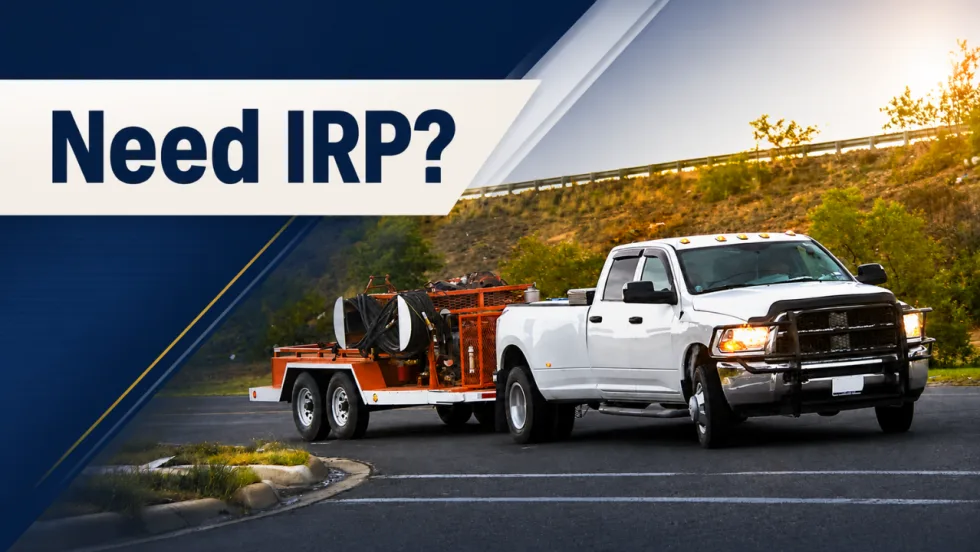
When Work Trucks Under 26,001 Pounds Need IRP Registration
Think trucks under 26,001 pounds are automatically in the clear when it comes to IRP? Not always. Learn where lighter vehicles can still run into trip permit, apportioned registration, and IFTA compliance requirements when crossing state or provincial lines.
Read More →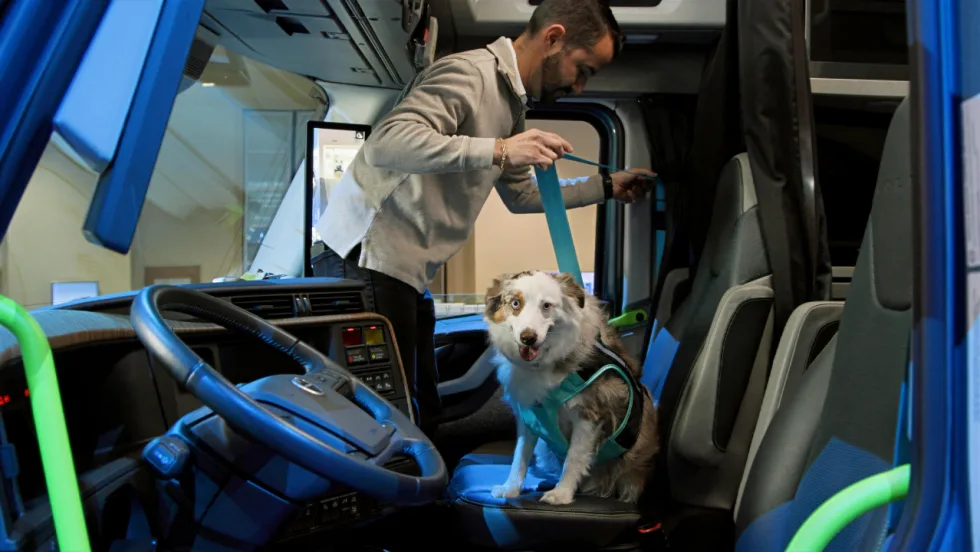
Volvo Trucks Releases New Safety Recommendations for Traveling with Pets
One of the most important recommendations for professional drivers traveling with pets is to ensure pets are properly restrained while the truck is moving. Other tips are available in the new guide from Volvo Trucks North America and Center for Pet Safety.
Read More →
API Issues Refueling Safety Guidelines
The American Petroleum Institute offers a list of safe vehicle refueling guidelines, including ways to avoid potential problems with static electricity discharges in fall, winter, and early spring.
Read More →
Winter Fleet Prep: Expert Tips to Keep Vehicles Running Smoothly
Cold weather can expose weak batteries, tires, fuel systems, and maintenance gaps fast. Use this winter fleet checklist to prepare trucks and drivers before temperatures drop.
Read More →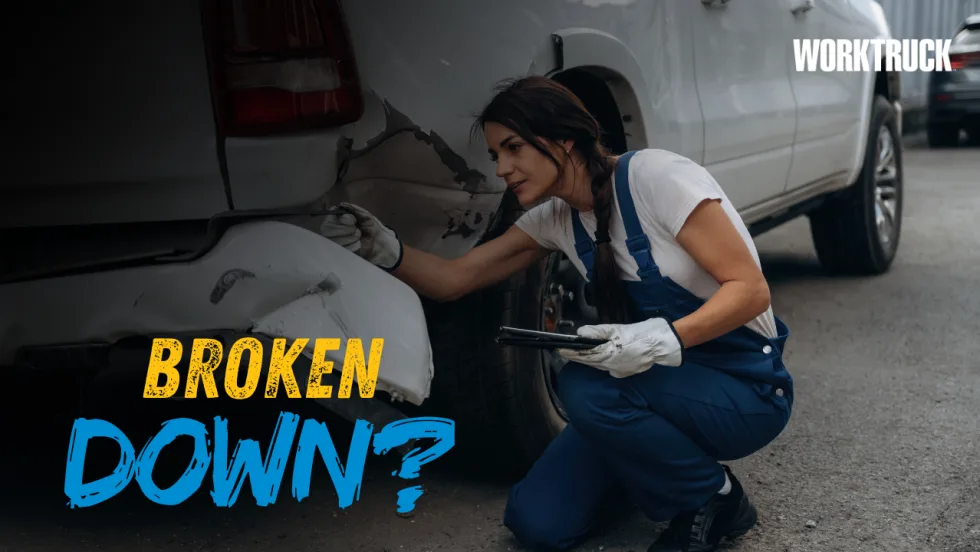
When a Work Truck Breaks Down, the Job Can Stop, Too
A work truck breakdown can stop more than the vehicle. Discover how payloads, jobsites, and specialty equipment change the roadside response.
Read More →
What Stronger Long-Term Fleet Service Partnerships Actually Require
Fleet service partnerships rarely fall apart all at once. Learn the three warning signs that trust is eroding and what fleets and providers can do before downtime, frustration, and lost revenue follow.
Read More →
Applause & TRUCE Software Partner to Improve Driver Safety Through AI-Powered Telematics & Employee Performance Management
Applause has integrated TRUCE driving metrics directly into its employee-first performance and safety platform that transforms mobile devices into AI-powered telematics.
Read More →
How Detroit Assurance with Active Brake Assist Works
Do you want to see what it is like to experience Detroit Assurance’s Active Brake Assist? In this video, Work Truck will put you in the cab to see how it all works and then hear more details from DTNA’s Mike Young.
Read More →
Get Left of Loss: A 5-Step Workplace Violence Prevention Framework for Fleet Operators
Violence risks do not stop at the driver’s door. Learn five practical steps fleets can take to spot threats early and protect workers before loss occurs.
Read More →
How Better Visibility Cut Speeding Violations by 48%
Fleet leaders don't need more data, they need clearer visibility into what the data is saying. This case study explores how one utility replaced speeding-event counts with a single metric — miles driven in violation — to strengthen safety and significantly reduce speeding violations.
Read More →