




Telematics to Boost Truck Fleet Efficiency & Safety
ATLANTA - According to a global study unveiled at the HTUF Conference this week, 71-percent of respondents believe technology will be one of the most important external forces impacting the industry in 2020.
ATLANTA - Trucks will become more fuel efficient, environmentally sound, and safer due to the adoption of new technologies throughout the vehicle, according to the findings of a new global study by IBM.
The Global Truck 2020 Study, titled "Transcending Turbulence," was developed by IBM Global Business Services' Auto practice and the IBM Institute for Business Value (IBV) and unveiled this week at CALSTART's Hybrid Truck Users Forum National Conference in Atlanta.
"IBM's study shows the trucking industry is eager to transform itself," said Sanjay Rishi, vice president and global automotive industry leader for IBM. "Increasingly, fleet owners choose cleaner, more fuel efficient trucks that also have advanced systems to make transport more efficient."
The study indicates that truck industry executives believe smart systems will play an increasingly prominent role in trucks as well as transportation networks.
Key findings from the study include:
Technology: 71-percent of respondents said technology will be one of the most important external forces impacting the industry in 2020, up from 61 percent currently. Telematics will reduce service time by allowing remote and faster diagnostics and also will enable prognostic capabilities and proactive servicing.
Globalization: 54-percent of executives surveyed said globalization will be one of the most important external forces impacting the truck industry in 2020, up from 48 percent today. Truck manufacturers are just beginning to establish their global footprint, while light vehicle manufacturers have fought the hard battles of platform creation, process standardization and the development of global supply chains.
Sustainability: 48-percent of respondents said sustainability will be one of the most important external forces in 2020, up from 32 percent today. Environmental and fuel efficiency standards along with new safety capabilities mandated by government regulations will force the trucking industry to change aggressively over the next decade.
"Truck transportation drives our economy; goods movement fills our stores and supplies our factories. But those benefits come with costs that are causing rapid change," said Bill Van Amburg, senior vice president of CALSTART, an organization dedicated to clean transportation. "That's why IBM's study is critical. It highlights the emerging needs of truck customers, the technical and environmental challenges for the industry and lays out a roadmap for clean and profitable growth for the future."
A copy of the study can be found at www-935.ibm.com/services/us/gbs/bus/html/future-of-truck-industry-2020.html.
Originally posted on Automotive Fleet
More Safety
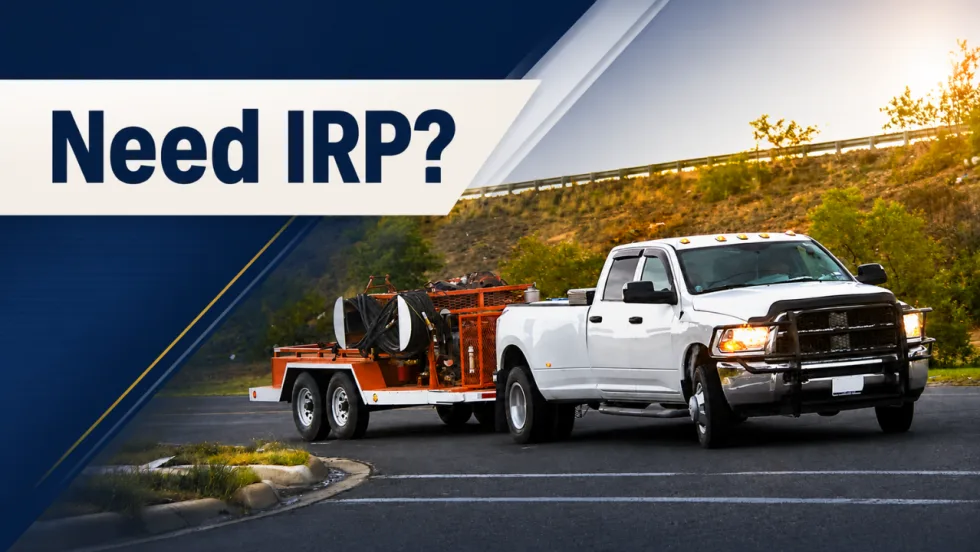
When Work Trucks Under 26,001 Pounds Need IRP Registration
Think trucks under 26,001 pounds are automatically in the clear when it comes to IRP? Not always. Learn where lighter vehicles can still run into trip permit, apportioned registration, and IFTA compliance requirements when crossing state or provincial lines.
Read More →
Volvo Trucks Releases New Safety Recommendations for Traveling with Pets
One of the most important recommendations for professional drivers traveling with pets is to ensure pets are properly restrained while the truck is moving. Other tips are available in the new guide from Volvo Trucks North America and Center for Pet Safety.
Read More →
API Issues Refueling Safety Guidelines
The American Petroleum Institute offers a list of safe vehicle refueling guidelines, including ways to avoid potential problems with static electricity discharges in fall, winter, and early spring.
Read More →
Winter Fleet Prep: Expert Tips to Keep Vehicles Running Smoothly
Cold weather can expose weak batteries, tires, fuel systems, and maintenance gaps fast. Use this winter fleet checklist to prepare trucks and drivers before temperatures drop.
Read More →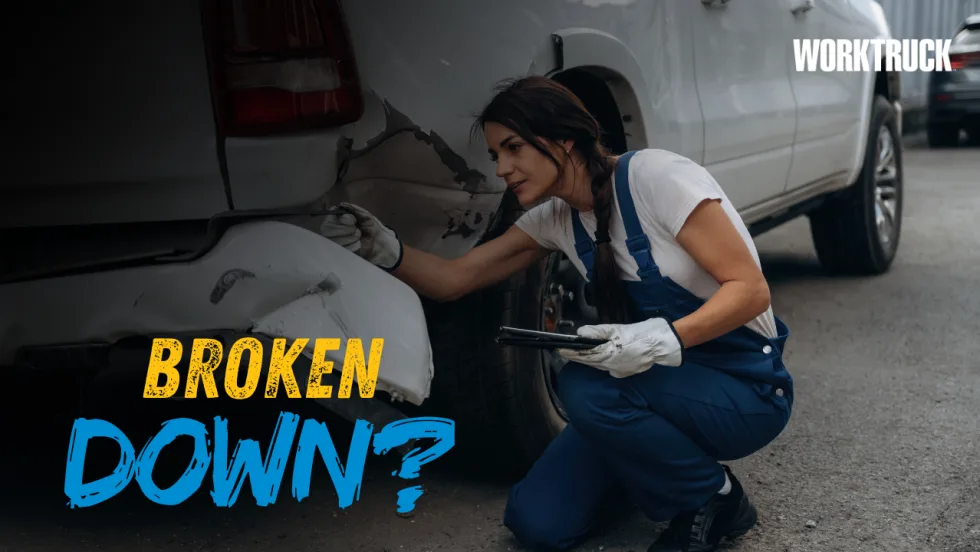
When a Work Truck Breaks Down, the Job Can Stop, Too
A work truck breakdown can stop more than the vehicle. Discover how payloads, jobsites, and specialty equipment change the roadside response.
Read More →
What Stronger Long-Term Fleet Service Partnerships Actually Require
Fleet service partnerships rarely fall apart all at once. Learn the three warning signs that trust is eroding and what fleets and providers can do before downtime, frustration, and lost revenue follow.
Read More →
Applause & TRUCE Software Partner to Improve Driver Safety Through AI-Powered Telematics & Employee Performance Management
Applause has integrated TRUCE driving metrics directly into its employee-first performance and safety platform that transforms mobile devices into AI-powered telematics.
Read More →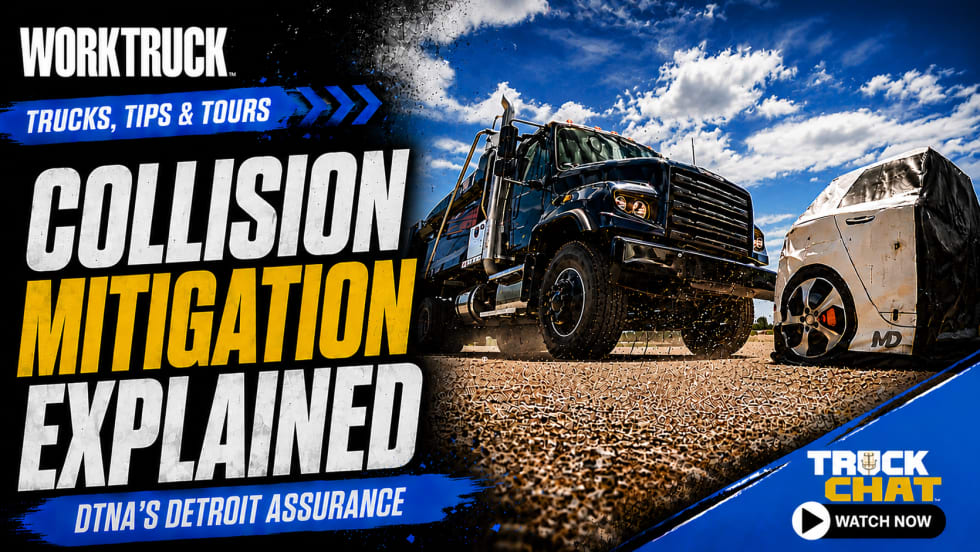
How Detroit Assurance with Active Brake Assist Works
Do you want to see what it is like to experience Detroit Assurance’s Active Brake Assist? In this video, Work Truck will put you in the cab to see how it all works and then hear more details from DTNA’s Mike Young.
Read More →
Get Left of Loss: A 5-Step Workplace Violence Prevention Framework for Fleet Operators
Violence risks do not stop at the driver’s door. Learn five practical steps fleets can take to spot threats early and protect workers before loss occurs.
Read More →
How Better Visibility Cut Speeding Violations by 48%
Fleet leaders don't need more data, they need clearer visibility into what the data is saying. This case study explores how one utility replaced speeding-event counts with a single metric — miles driven in violation — to strengthen safety and significantly reduce speeding violations.
Read More →