




Related: Future Telematics Will Come From the Factory: Verizon Connect
Telematics Brings Big Efficiency Gains for Quanta's Mega Fleet
By implementing telematics in Quanta Services, Inc.'s mega fleet, Dave Meisel was able to achieve an array of efficiency improvements in reduced miles traveled, idling, and fuel consumption.

Paul Clinton・Former Senior Web Editor
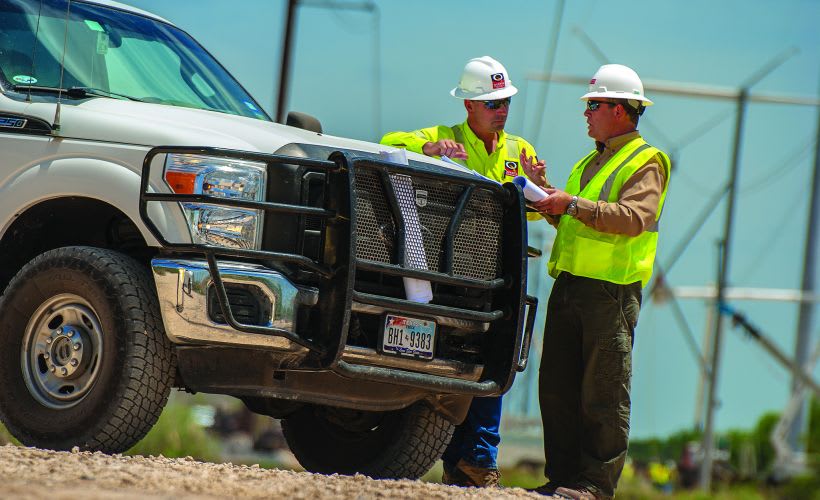
A broad rollout of telematics devices in Quanta Service's 53,000-vehicle fleet is giving its fleet manager significant gains in fuel efficiency.
Photo courtesy of Quanta Services.
2 min to read
By implementing telematics in Quanta Services, Inc.'s mega fleet, Dave Meisel was able to achieve an array of efficiency improvements in reduced miles traveled, idling, and fuel consumption.
Meisel, Quanta's executive vice president of operations, detailed his results at Verizon Connect's 2018 Latitude business conference in October.
Meisel has been managing the Quanta fleet since September 2017. He began rolling out Verizon Connect's embedded telematics products in January. Through September, he added telematics devices to more than 24,000 of the company’s 53,000 vehicles, mostly vocational trucks that support Quanta businesses that manage and service power lines around the country.
"Verizon Connect allowed us to understand how much and where we drove or didn't drive in some cases," said Meisel. "Our fleet isn’t fully rolled out yet, but we did install Verizon Connect in 24,000 vehicles."
Meisel and his team is implementing several processes that helped him achieve his goals, including implementing a staffing-based fleet model, mileage management program, and process to manage new vehicles added to the fleet. He also designed vehicle specifications based on operator input and standardized the specs.
The gains were impressive. Between December of 2017 and September of 2018, Meisel saw significant improvements among fleet vehicles that were driven 125.7 million miles on 13.6 million trips and 3.8 million hours of driving. The vehicles idled for 5.5 million hours.
In that time, Meisel achieved a 9.6% reduction in miles per trip (to 9.64), a 3.5% reduction in drive time per vehicle (to 27.33 minutes), and a 4.8% reduction in miles per vehicle (to 910).
Less driving and idling helped Meisel significantly improve his fuel efficiency. During the year, he saw a 12.7% reduction in non-productive idling to 55% and a 20.9% improvement in miles per gallon to 7.98 mpg.
As a result, his fully burdened fuel cost, including fuel and overhead, declined significantly for both bulk and retail fuel purchases.
"The cheapest gallon of fuel that you will ever find, is the one that you don’t use," Meisel said.
Meisel arrived at Houston-based Quanta with deep fleet management experience. He spent more than 35 years managing the fleets of Fortune 500 companies such as San Francisco-based Pacific Gas & Electric; Consumers Energy in Michigan; Plano, Texas-based Frito-Lay; and Roadway Express throughout the Midwest.
Topics:EfficiencyTelematicsUtility FleetsMega FleetsVerizon ConnectService FleetsFuel CostsTechnology & AI
Originally posted on Automotive Fleet
More Technology & AI
Fleet Downtime, Truck Theft, and Electric Growth Lead This Month
Where is your fleet losing time? This Truck Chat recap connects repair delays, theft risks, storm planning, and lessons from scaling electric trucks.
Read More →
HCSS Partners with Verizon Connect to Deliver Fleet Intelligence for Construction Fleets
HCSS has integrated with Verizon Connect to provide near real-time fleet insights so contractors can spend less time tracking assets and more time keeping projects on schedule.
Read More →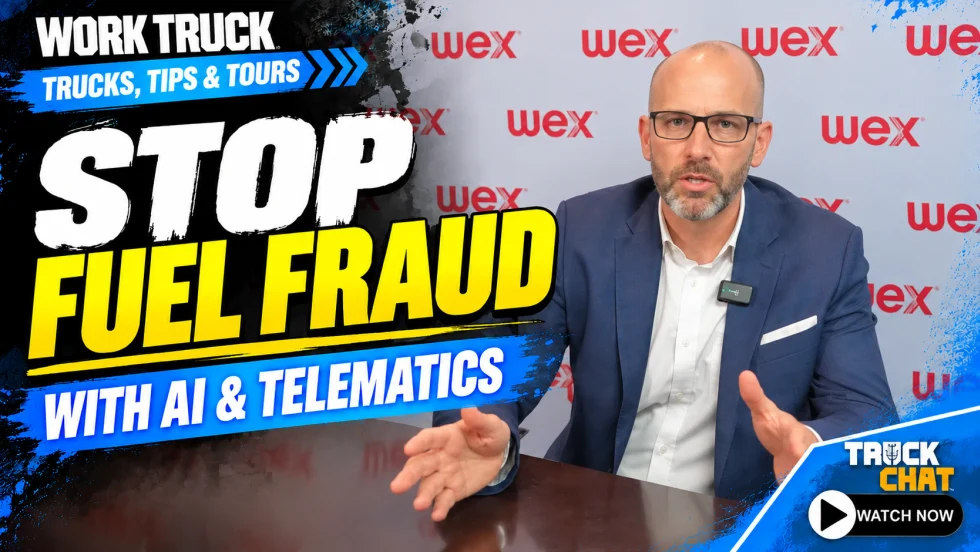
How Fleets Can Use Technology to Fight Fuel Fraud
Fuel fraud and theft remain significant challenges for commercial fleets, whether the problem involves third-party fraud or driver misuse. In this video, David Abraham of WEX explains how SecureFuel uses vehicle geolocation, telematics, transaction information, and AI to help fleet managers identify suspicious fuel purchases and make more informed decisions.
Read More →From Our Partners
Basic Tracking vs Next Generation Fleet Technology
Sponsored by AT&T Business

5 Facts Every Fleet Manager Should Know About Embedded Telematics
Sponsored by Stellantis/Mobilisights

How AI Video Telematics Boosts Driver Safety and Helps to Avoid Unnecessary Costs
Sponsored by Verizon Connect

Charting the 8 Bottom-Line Benefits of Workforce Optimization
Sponsored by Verizon Connect

Can AI Agents Help Small Work Truck Fleets Do More With Less?
Motive's new AI Agents automate fleet safety, maintenance, compliance, and dispatch tasks. Here's how they work for smaller fleets, what managers control, and what early users are seeing.
Read More →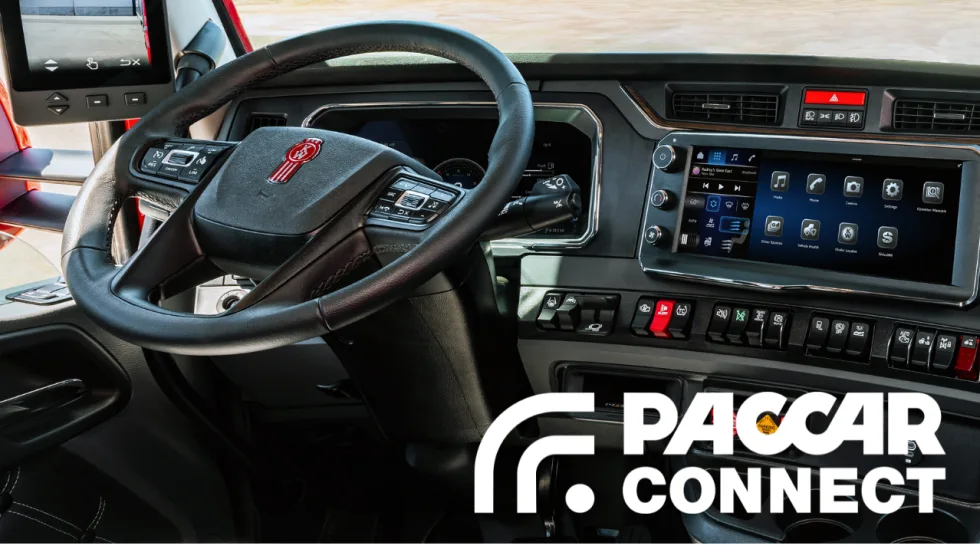
Paccar Launches Paccar Connect for Peterbilt and Kenworth Trucks
The new Paccar Connect offers touchscreen displays, telematics capabilities, and an expanding app ecosystem to boost productivity and streamline driver workflows.
Read More →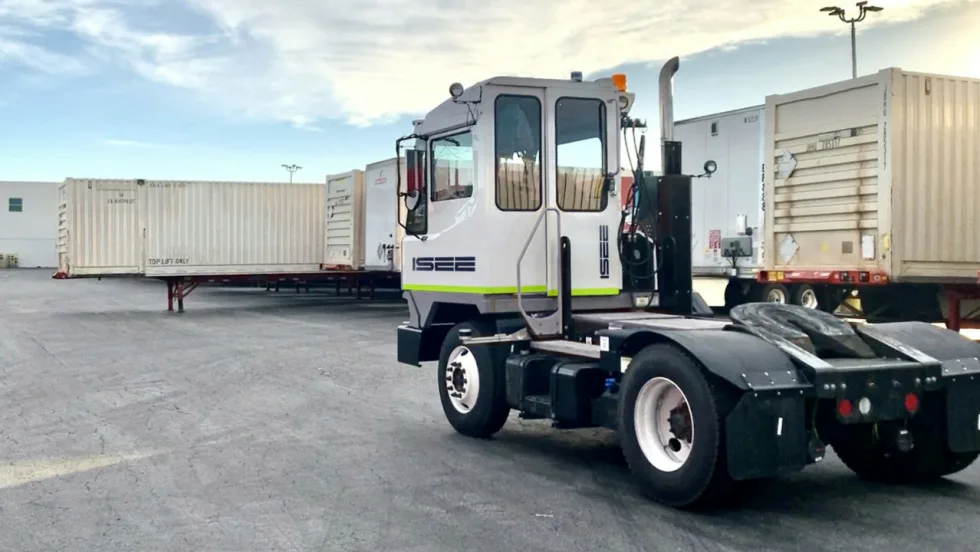
Holman and ISEE Partner to Expand Autonomous Yard Truck Operations
The partnership combines Holman's fleet management and upfitting capabilities with ISEE's autonomous driving technology to help businesses deploy and manage driverless yard trucks.
Read More →
Who You Gonna Call? Rivian Turns Electric Vehicles Into Ghostbusters Rides
Rivian teams up with Sony Pictures for a Ghostbusters-inspired Halloween software update, complete with custom sounds, lighting effects, and a special Ecto-R1.
Read More →
The Second Trip and What Missing Tools Really Cost a Service Business
For service fleets, missing tools and equipment can lead to second trips, lost technician time, higher operating costs, and delayed jobs. Equipment tracking can help HVAC, plumbing, electrical, landscaping, and other service businesses improve visibility and reduce downtime.
Read More →
GeoFencing Adds to Your Truck Security Arsenal
Geofencing is a familiar fleet tool today, but its early adoption marked a major shift in vehicle tracking, route monitoring, and the debate over employee privacy.
Read More →
Geotab Data Shows Regional Trucking Growing Faster as Last Mile Routes Get Denser
Geotab's first U.S. supply chain report finds stable long-haul activity, stronger regional freight movement, tighter hub-and-spoke utilization, and more last-mile trips on shorter routes.
Read More →