




Technology in the Truck: Changing the Game
SCHAUMBURG, IL - Automating can seem overwhelming — something only the “big boys” do. Today, technology innovation has put automation within the reach of any carrier.
SCHAUMBURG, IL – According Michael Geffroy, vice president, North America, for TomTom Business Solution, and Chris Lee, vice president of marketing for ProMiles, writing for truckinginfo.com, automating can seem overwhelming — something only the “big boys” do.
Today, technology innovation has put automation within the reach of any carrier. So how do you evaluate the strategies and technologies that can make it cost-effective and easy to automate your business? What should you keep in mind as you search for the right technology solutions?
Fuel Tax Automation: In Reach for Any Size Carrier.
How many of us are still using spreadsheets to manage fuel taxes? For years, the cost of fuel tax automation has been prohibitive for all but the largest carriers. Keeping track of data manually has always been a huge headache. And the more states you operate in, the harder it is to keep track. Meanwhile valuable time is spent each month on spreadsheets, calculations and reporting.
Today, instead of investing thousands of dollars in the hardware traditionally necessary for each truck, now carriers can spend a few hundred dollars on smart in-vehicle navigation devices that integrate directly with routing, planning and back office systems to calculate and track fuel taxes. Previous systems could cost $2,000 - $3,000 or more. Today, a smart personal navigation device from TomTom, integrated with the ProMiles system, can accomplish the same thing for an investment of about $400 per vehicle. This can represent a savings of up to 90 percent, making it possible for a carrier of any size to begin automating the fuel tax reporting process.
It's not only a matter of purchasing fuel in states that have the lowest fuel tax rates. Even more important is purchasing fuel at the lowest price. The best navigation and route mapping solutions will provide smart routing and real-time fuel information as well as fuel tax automation capabilities.
Simplifying the Auditing Process.
As recently as three years ago, using GPS data in the auditing process was almost impossible. Auditors did not have clear guidelines on how to use automated trip sheets and most carriers had to provide manual trip sheets even if things were logged automatically.
Today, technology can capture and record actual mileage and integrate it with your other systems, providing auditors with the most accurate mileage available. Removing the manual process - and capturing the actual audit trail is a huge cost and labor savings.
Visibility and Management.
Perhaps most importantly, integrated navigation/fleet management/route planning and back office systems can deliver a level of visibility and control that can have a huge impact on your business.
If you know where your drivers are, and what they are doing, you are better able to guard against behaviors like excessive idling, hard braking or steering, unsafe speeds or other actions that can impact fuel, maintenance or insurance costs. If you're able to integrate GPS and traffic avoidance solutions, you can cut down on these costs even more, potentially by 15 percent every month. Similarly, GPS and traffic avoidance solutions that are tightly integrated with route planning and dispatch products can increase the reliability of your ETAs and improve productivity.
Making it Work.
So what do carriers need to think about as they make technology investments focused in improving operations as well as automating some of their most time-intensive tasks? Greater visibility and accurate information, captured automatically, are key to making it work.
Some things to look for:
- Integration partnerships between route planning, navigation and other technology vendors;
- Accurate ETA calculations that take road conditions, traffic patterns and real-time events into consideration;
- Automated fuel tax calculations;
- Ability to monitor driver behavior;
- Accurate reports on mileage, idling and other factors.
By Michael Geffroy, vice president, North America, for TomTom Business Solution, and Chris Lee, vice president of marketing for ProMiles.
More Technology
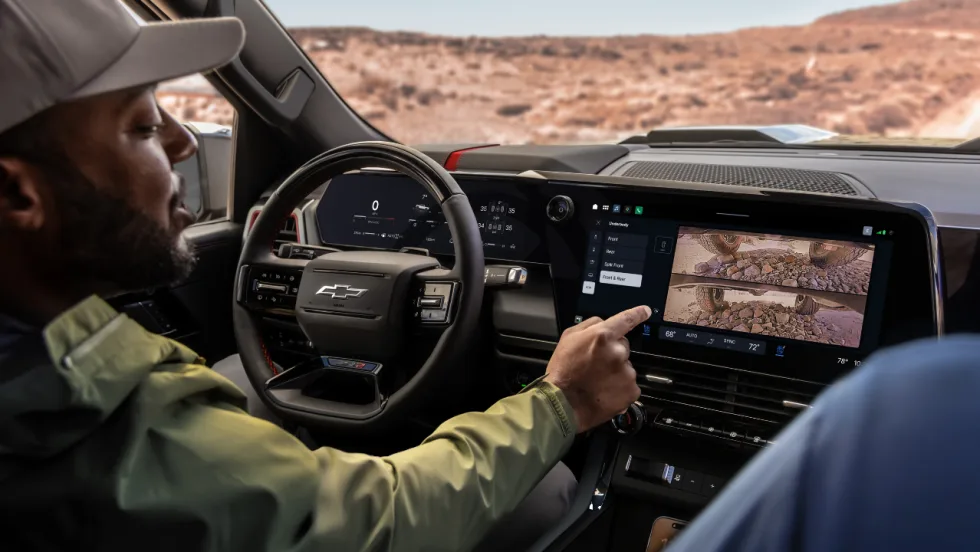
GM Brings New Truck Focused Interface to 2027 Silverado and Sierra
GM's new pickup interface puts trailering data, camera views, vehicle controls, and smartphone integration closer to the driver in the 2027 Silverado and Sierra.
Read More →
Samsara Driver Perks Expands Rewards Beyond the Long Haul Driver
Samsara’s new driver rewards program was built with a broader professional driver in mind, including employees who split their day between driving, job sites, service calls, and other work.
Read More →
AI Service Advisor Aims to Cut Fleet Repair Downtime
Fleetio said its AI Service Advisor can help fleets cut repair downtime by an average of 2.5 hours per repair while reducing manual maintenance work.
Read More →
Verra Mobility Launches AI-Driven Title & Registration Solution
Verra Mobility has launched a new AI-driven Title & Registration platform to help fleets move vehicles from acquisition to the road the same day while reducing compliance risk.
Read More →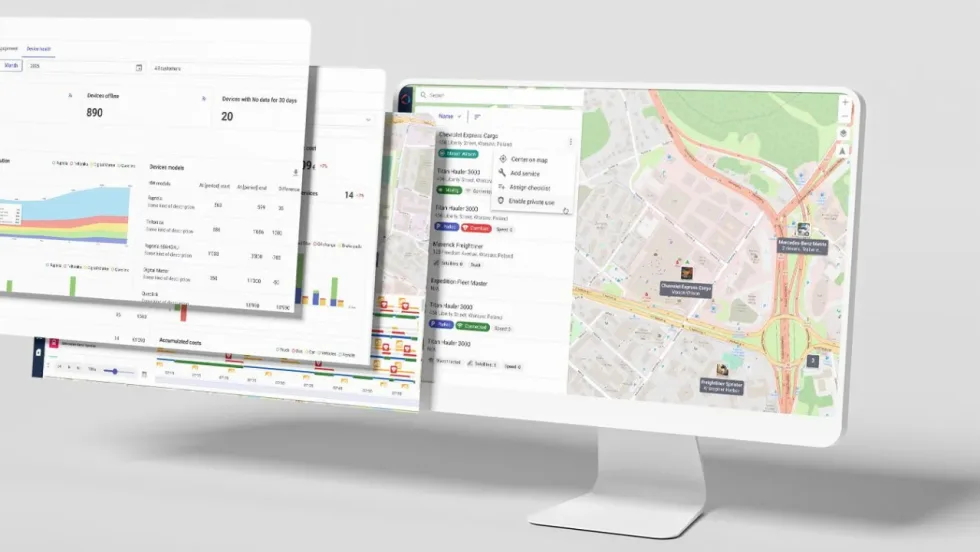
Wialon Unlocks OEM Data to Give Fleet Owners Data Ownership & Operational Clarity
Wialon has introduced hardware-free OEM integration as the EU Data Act accelerates the shift in vehicle data access across the fleet industry in many countries.
Read More →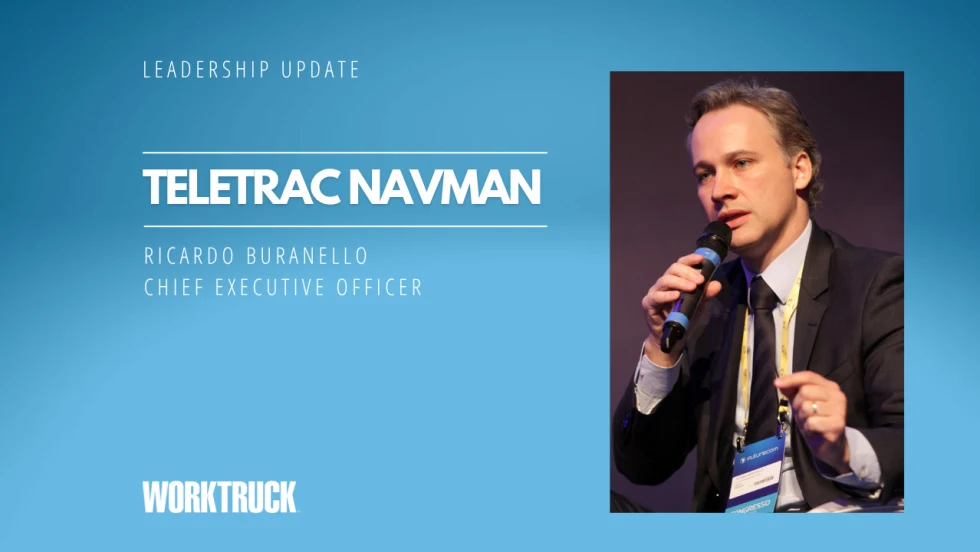
Teletrac Navman Promotes New CEO from Within
Teletrac Navman’s next CEO, Ricardo Buranello, has served as the company’s chief financial and operating officer. He brings deep financial and operational expertise, a strong strategic orientation, and an intimate knowledge of the business to his new role.
Read More →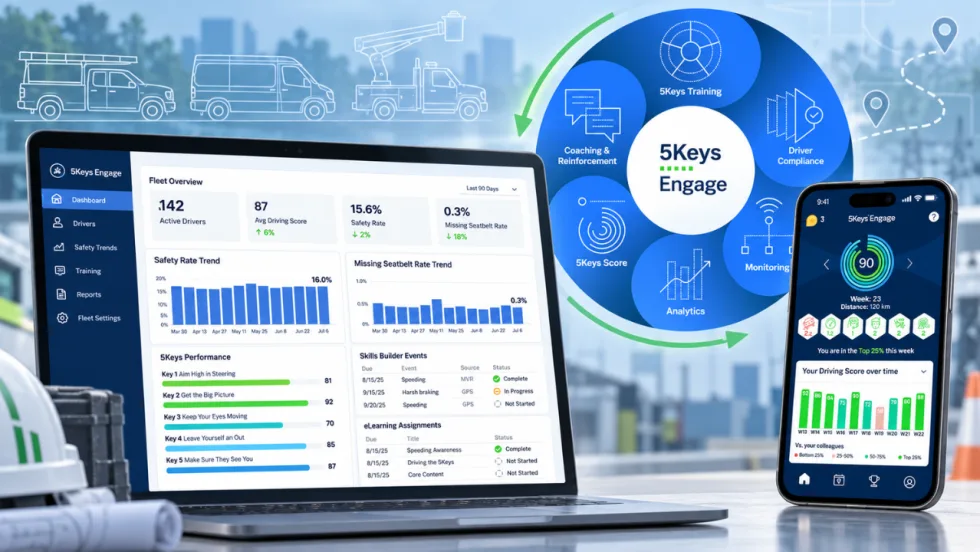
Smith System Wants Work Truck Fleets to Look Beyond the Driver Alert
Smith System’s new Driver Risk Management program is built to help mixed work truck fleets turn telematics alerts and observations into specific behaviors, coaching actions, and measurable follow-up.
Read More →
Ford Pro Software Updates: August 26
Check out the latest Ford Pro software updates, including Google Maps integration, Remote Vehicle Alarm integration, Motor Pool for easier management of shared pool vehicles, and more.
Read More →
Where AI Is Actually Saving Fleet Managers Time
AI is moving past the buzzword stage and into the daily fleet workflow. Fleetio’s Brianna Perry Lang breaks down where fleets are seeing real time savings, from maintenance and data entry to repair decisions, safety, and compliance
Read More →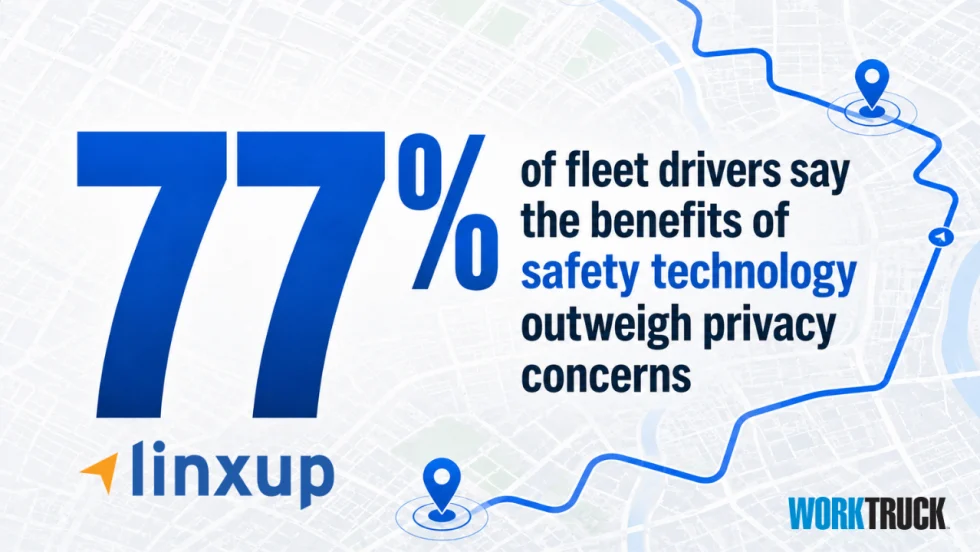
Are Work Truck Drivers Warming Up to Dash Cams and GPS Tracking?
A new survey finds field-service drivers may be more comfortable with dash cams and GPS tracking than fleet managers think, especially when the technology helps protect them after a crash.
Read More →