




Survey Finds Many Energy Fleets Haven't Established Safety and Fuel Policies
HOUSTON – ARI released its findings from a benchmarking survey that it conducted at its annual Energy Fleet Forum on May 15, 2012, in Houston. The company's survey found that many energy fleets haven’t established fuel or safety policies.
HOUSTON – ARI released its findings from a benchmarking survey that it conducted at its annual Energy Fleet Forum on May 15, 2012, in Houston. The company's survey found that many energy fleets haven’t established fuel or safety policies. Data use was also an issue. Of respondents that do use telematics and fuel management technologies, many experience challenges in integrating available data into their main fleet management systems.
The survey found that 47% of all respondents either don’t have a driver safety policy or don’t require their drivers to acknowledge that they have received it if a policy does exist. The survey also found that 23% of energy fleet respondents don’t offer basic driver safety programs.
Fuel management was another issue that ARI’s survey discovered. For example, 62% of energy fleet respondents don’t have a fuel use policy, and 46% use a payment plan that doesn’t provide fuel management data available with a fleet fuel card.
One key finding is that 38% of energy fleets use telematics. This figure is 18% greater than the results from the previous year, but only 15% of respondents said they integrate that data into a primary fleet management system. ARI said it found that fleets that integrate the data experience a more significant return on their investment.
Upfitting was another area, outside the control of energy fleets, where ARI uncovered issues. The company's Senior Vice President of Client Relations, Frank Cardile, presented trends specific to the energy sector among truck manufacturers and upfitters.
His presentation said 60% of truck manufacturers and 87% of upfitters experienced “very significant” material/component supply problems during the past 18 months and that they expect these issues to continue for the next 18 months. The same percentage of respondents said accurate 12 – 24-month order forecasting would help them control production scheduling and costs.
The Energy Forum agenda used the benchmarking survey’s findings as talking points during the event. Breakout sessions focused on cost reduction, best practices associated with vehicle standardization, and upfitting and maintenance management. ARI said its Energy Fleet Forum attendees were pleased with the cross section of representatives from companies in the energy business, and they enjoyed this chance to meet their peers, share information and learn from everyone present.
Originally posted on Automotive Fleet
More Safety & Compliance

GeoFencing Adds to Your Truck Security Arsenal
Geofencing is a familiar fleet tool today, but its early adoption marked a major shift in vehicle tracking, route monitoring, and the debate over employee privacy.
Read More →
Recalls You Need to Know About in October 2026
In October 2026, what recalls might impact your fleet? Work Truck has the answers in this comprehensive overview of recent NHTSA recalls.
Read More →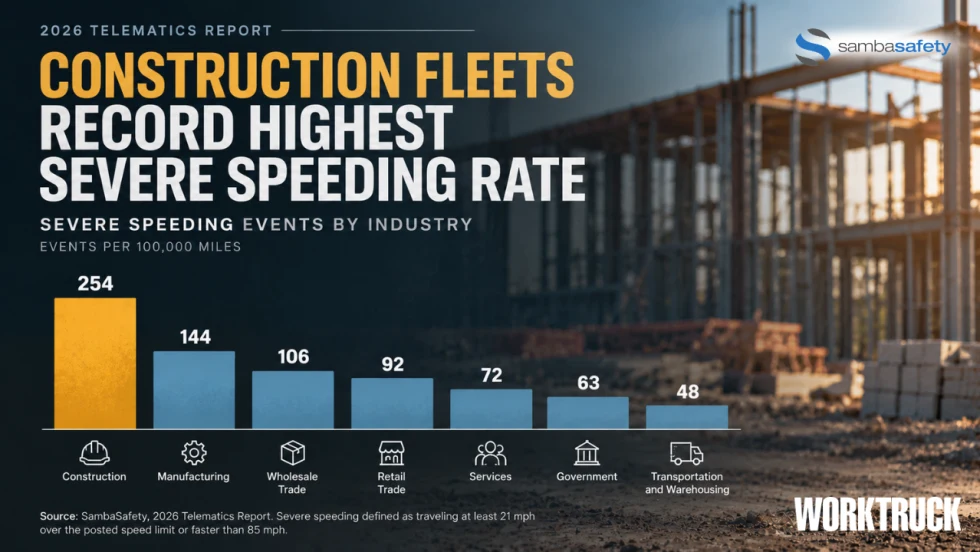
Construction Fleets Show Telematics Adoption Alone May Not Reduce Driving Risk
SambaSafety found construction fleets monitor roughly 92% of their vehicles but recorded the highest severe speeding rate among industries studied.
Read More →From Our Partners




Lytx Launches 360 Hub Kit for Expanded Fleet Camera Visibility
Lytx’s new AI-ready gateway and HD auxiliary camera ecosystem, the Lytx 360 Hub Kit, extends visibility across side, rear, cargo, and blind-zone views to help fleets see more and respond faster.
Read More →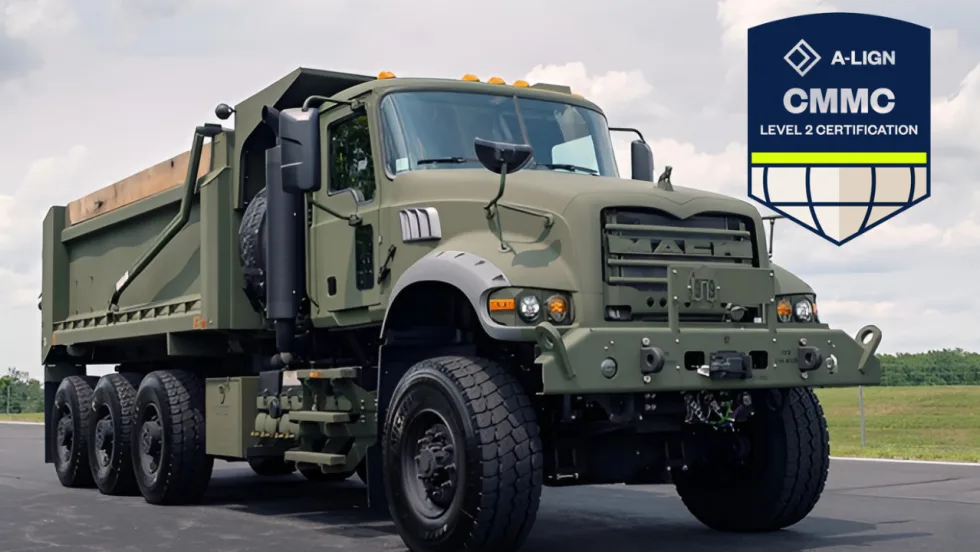
Mack Defense Achieves Cybersecurity Maturity Model Certification Level 2
After an assessment conducted by an authorized Certified Third-Party Assessment Organization (C3PAO), Mack Defense has achieved Cybersecurity Maturity Model Certification (CMMC) Level 2.
Read More →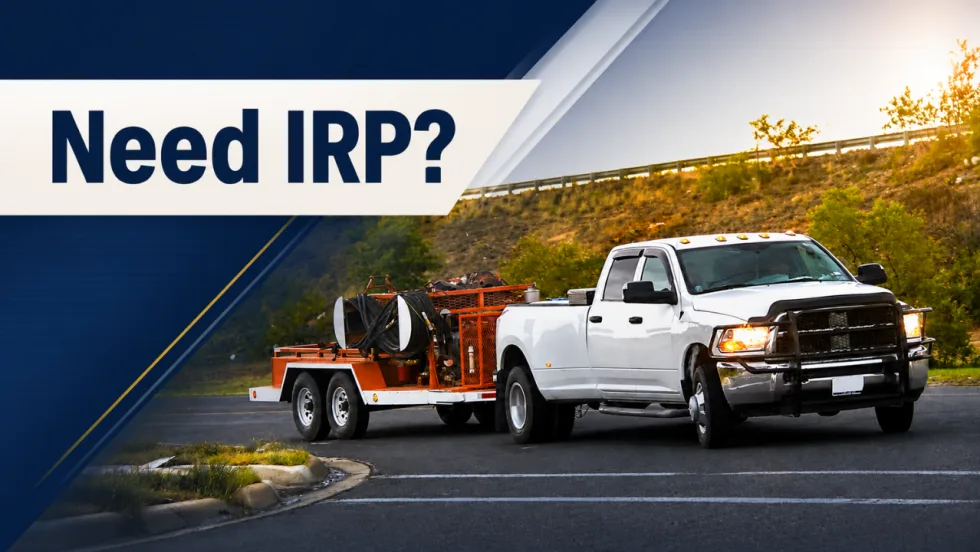
When Work Trucks Under 26,001 Pounds Need IRP Registration
Think trucks under 26,001 pounds are automatically in the clear when it comes to IRP? Not always. Learn where lighter vehicles can still run into trip permit, apportioned registration, and IFTA compliance requirements when crossing state or provincial lines.
Read More →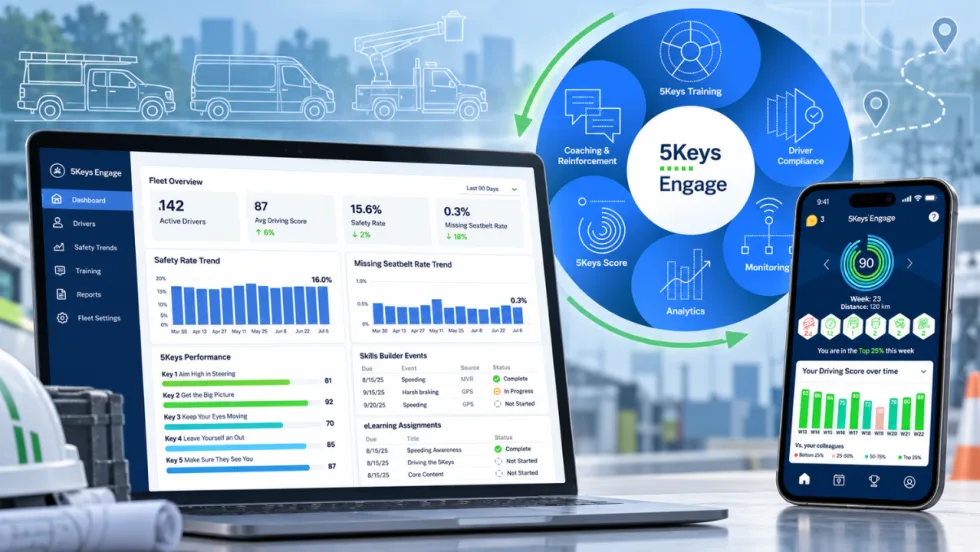
Smith System Wants Work Truck Fleets to Look Beyond the Driver Alert
Smith System’s new Driver Risk Management program is built to help mixed work truck fleets turn telematics alerts and observations into specific behaviors, coaching actions, and measurable follow-up.
Read More →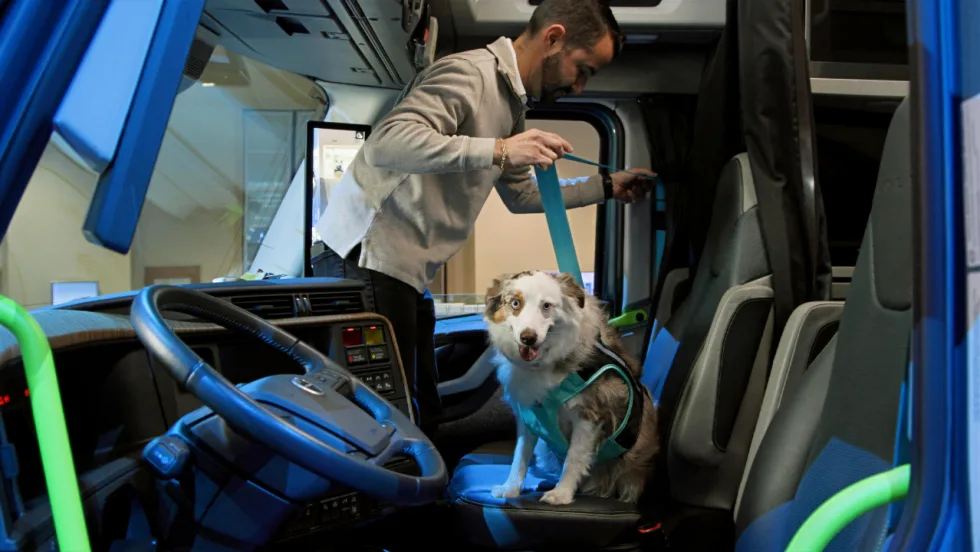
Volvo Trucks Releases New Safety Recommendations for Traveling with Pets
One of the most important recommendations for professional drivers traveling with pets is to ensure pets are properly restrained while the truck is moving. Other tips are available in the new guide from Volvo Trucks North America and Center for Pet Safety.
Read More →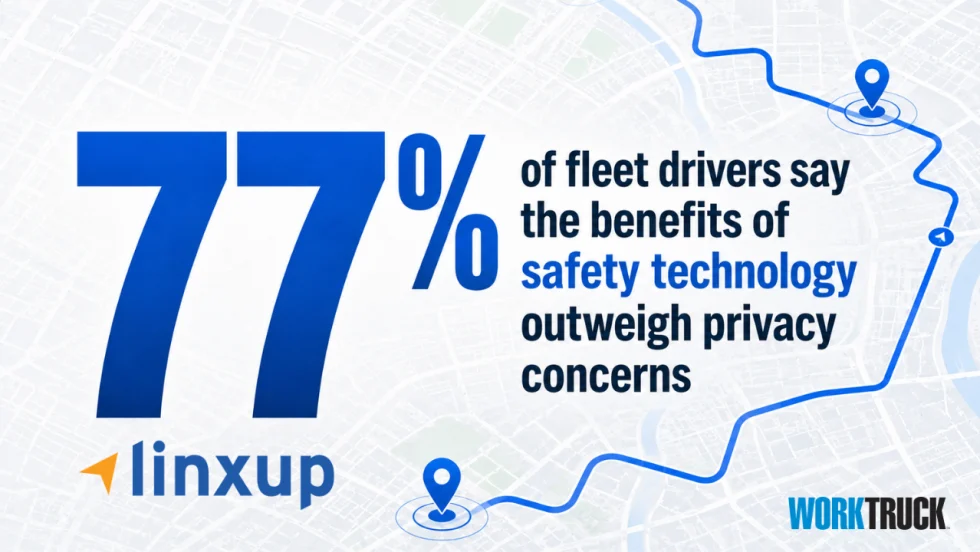
Are Work Truck Drivers Warming Up to Dash Cams and GPS Tracking?
A new survey finds field-service drivers may be more comfortable with dash cams and GPS tracking than fleet managers think, especially when the technology helps protect them after a crash.
Read More →
Recalls You Need to Know About in September 2026
If you have Altec, Chrysler, Ford, Heil, General Motors, International, Mack Trucks, Paccar, Rivian, Royal Truck, Toyota, US Truck Body, or Volvo Trucks vehicles in your fleet, you should check these important recalls issued by the National Highway Safety Administration.
Read More →