




Smith Launches World's Largest Electric Truck in USA
TYNE & WEAR, U.K. – Smith, a manufacturer of commercial electric vehicles, is launching its unique zero emission truck in the North American market.
TYNE & WEAR, U.K. – Smith, a manufacturer of commercial electric vehicles, is launching its unique zero emission truck in the North American market.
The robust Smith Newton is the world's largest high performance electric truck, weighing in with a Gross Vehicle Weight (GVW) of over 24,000 lbs. A rack of suitcase-sized, 278 volt batteries and a 120kw motor quickly propel the vehicle up to its top speed of 50 mph. In fact, Newton can accelerate from 0-30 mph faster than the equivalent diesel-powered truck.
Fully charged, the vehicle has a range of up to 150 miles, while the regenerative braking system returns power to the batteries every time the vehicle slows or stops.
Kevin Harkin, Sales Director for Smith Electric Vehicles, said: “Automotive manufacturers are telling us that the technology for mass-produced electric cars is some years away.”
However, the larger sized commercial vehicle and the truck in particular is perfectly suited to electric technology that is available today.
There are millions of commercial vehicles in North America that work in urban areas, within defined low mileage zones or routes. All of these machines, from light postal vehicles to heavier duty distribution trucks, can be replaced with our new technology electric vehicles.
These congested, densely populated urban areas are exactly where vehicles with zero tailpipe emissions can make the biggest improvement to air quality.
Newton is the first vehicle in its class that can compete with the diesel equivalent, but without the polluting effects of tailpipe emissions such as nitrogen oxide; particulate matter and CO2. The vehicle has a payload capacity of up to 15,800lbs and is available in US truck Classes 5 through 7.
Launched in early 2007 in Europe, the Smith Newton is already in fleets for household names such as Starbucks, DHL and TK Maxx, along with British institutions like the Royal Mail and retailer Marks & Spencer.
It is designed for urban, intra-city operations, including home shopping delivery; 3PL logistics; post and parcel distribution; and municipal duties.
“An added benefit for fleet operators is that drivers love this vehicle,” said Kevin Harkin. “We take all the stress out of city truck driving — no gear changes, no noise, no cab rattle and no diesel smell.”
Along with addressing the problem of vehicle emissions in cities, the Newton also proves highly cost effective when it comes to maintenance.
“Newton’s electric motor has just four moving parts, compared to over one thousand in a modern diesel driveline,” said Kevin Harkin. “The major components are solid state and will still be in operation years after the rest of the vehicle has outlived its usefulness.”
Smith Electric Vehicles has a facility in Fresno, CA which will open next year to manufacture US-specific vehicles for North America. This will be followed by a larger factory capable of 10,000 vehicles a year, expected to open in 2010.
More Operations
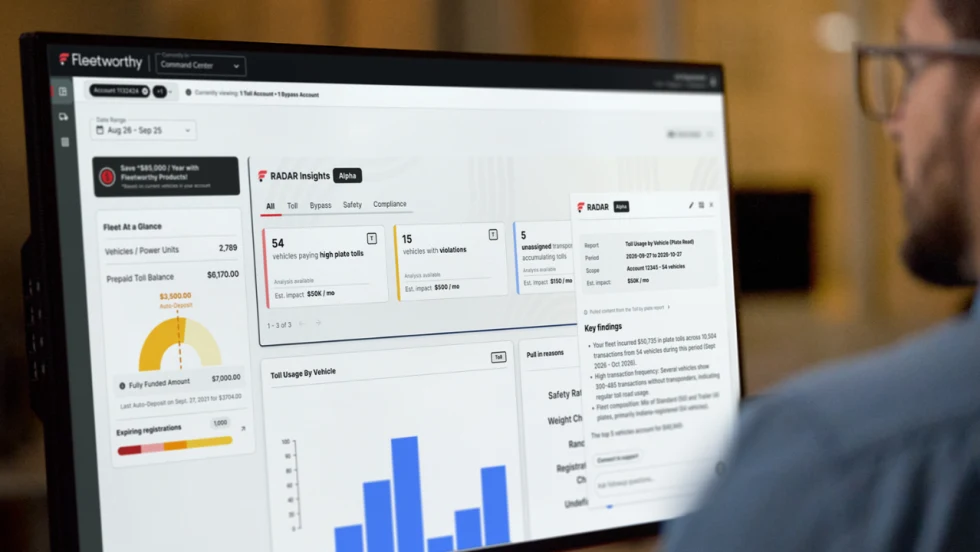
Fleetworthy Unveils RADAR, an Embedded AI Layer Powering Smarter Fleet Decisions
A new artificial intelligence layer inside Fleetworthy Toll Management turns toll data into instant answers and proactive insights, with weigh station bypass, compliance, and safety enhancements next.
Read More →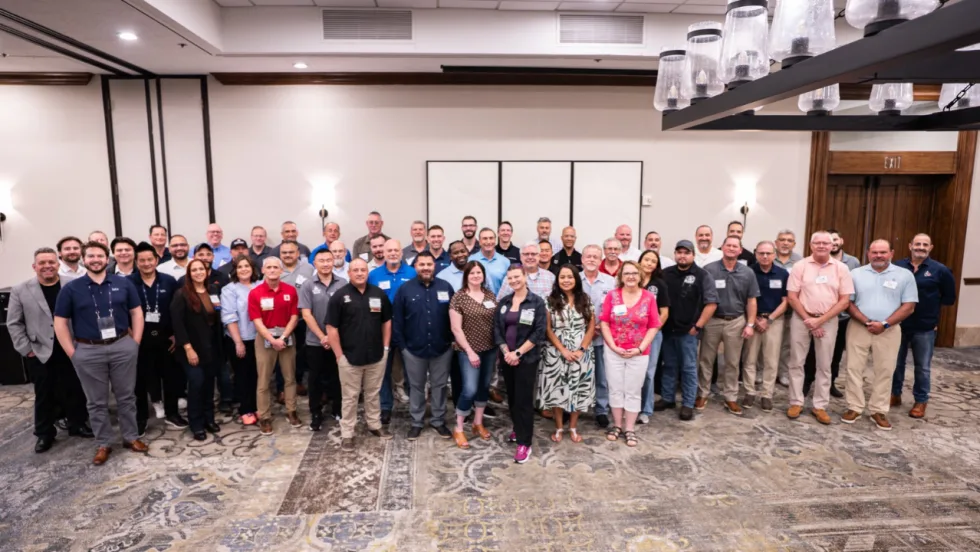
Fleet Conversations and Connections at Work Truck Exchange 2026
Fleet connections, friendly competition, and a few flying axes. See the people and moments that brought Work Truck Exchange 2026 to life.
Read More →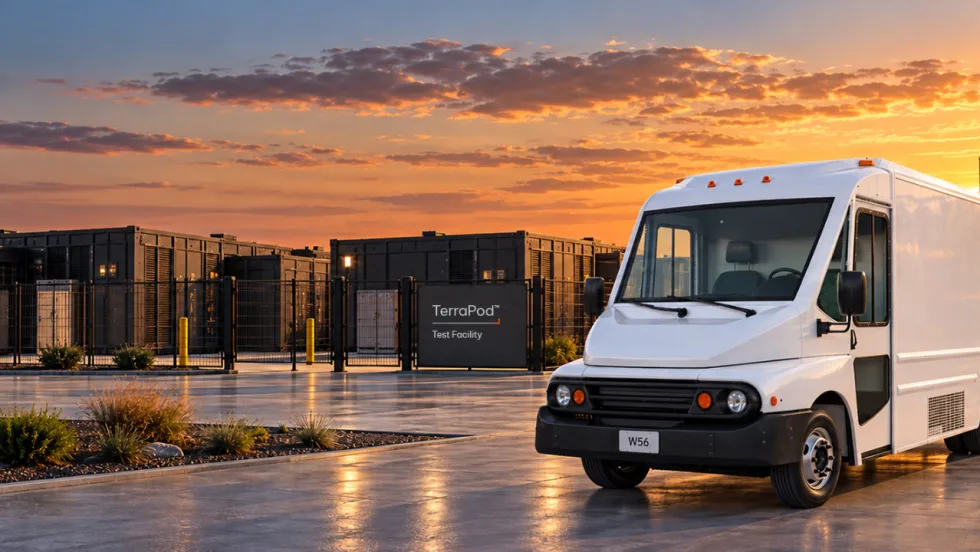
Workhorse Enters Modular AI Infrastructure Market Through TerraPod Partnership with RHAELM
Workhorse’s initial agreement with RHAELM is to develop a full-scale TerraPod manufacturing spec unit, then a non-binding letter of intent covers further expanding the partnership, including a supply agreement and a contemplated contingent initial order for 150 TerraPod systems.
Read More →From Our Partners
Basic Tracking vs Next Generation Fleet Technology
Sponsored by AT&T Business

5 Facts Every Fleet Manager Should Know About Embedded Telematics
Sponsored by Stellantis/Mobilisights

How AI Video Telematics Boosts Driver Safety and Helps to Avoid Unnecessary Costs
Sponsored by Verizon Connect

Charting the 8 Bottom-Line Benefits of Workforce Optimization
Sponsored by Verizon Connect

Your Fleet Experience Deserves a Vote
You know what happens after the vehicle leaves the dealership. Work Truck’s fleet awards give that experience a place in the industry conversation, and a reason to make your voice heard.
Read More →
Work Truck Seeks Fleet and Industry Insights on 2026 Trends and 2027 Forecasts
Work Truck is seeking insights from fleet leaders and industry partners on the trends that shaped 2026 and what commercial fleets should prepare for in 2027. Participate today!
Read More →
30 Years in Fleet and Still Learning: Lessons Beyond Trucks
After more than three decades in fleet, Bob Adamsky has learned that knowing trucks is only part of the job. The bigger lessons come down to communication, understanding, and never assuming you know it all.
Read More →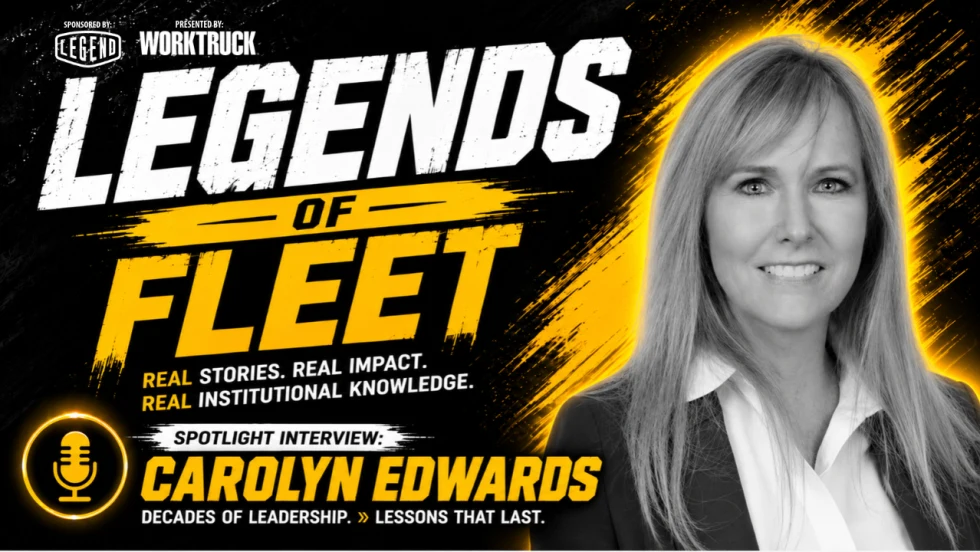
What Every New Fleet Manager Should Know
Carolyn Edwards shares lessons on finding mentors, showing fleet’s value, and leading teams in this episode of Legends of Fleet.
Read More →
Les Schwab Tires Launches Foundation With $100,000 for Community Recovery
Les Schwab Tires launches a foundation with $100,000 to support recovery for Silver Rail Elementary and the Bend community following a school shooting.
Read More →
Bring Some Fleet to Your Halloween with Our Pumpkin Carving Templates
Download Work Truck’s truck-themed pumpkin patterns, explore more automotive designs, and give your shop or front porch a seasonal upgrade.
Read More →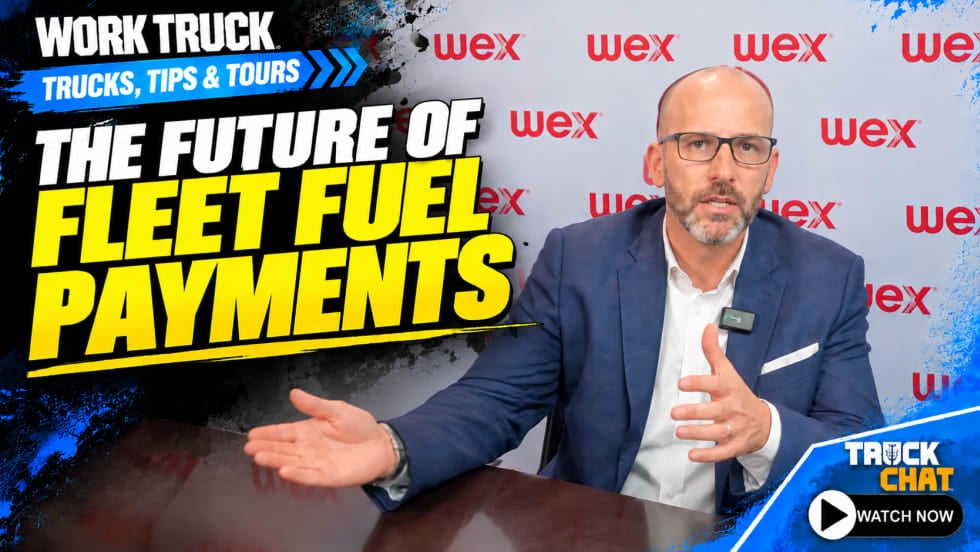
How Cardless Fuel Payments Benefit Commercial Fleets
Is it time for fleets to move beyond plastic fuel cards? David Abraham of WEX explains how cardless fuel payments can help reduce fraud, simplify driver transactions, and improve efficiency by allowing drivers to pay for fuel using their smartphones.
Read More →