





Miss This? Drivewyze and Verizon Partner on Connected Truck Services
Severe Weather Alerts Now Part of Drivewyze Safety+
Severe Weather Alerts start at up to 50 miles from the severe weather occurrence.
August 16, 2022

Safety+ is an always-on service and does not require third party navigation services to be running.
Photo: Drivewyze
3 min to read
Drivewyze is now providing real-time weather warnings as part of its Drivewyze Safety+ proactive driver notification platform.
Drivewyze has integrated its technology with weather data partners – to pinpoint extreme or severe weather occurrences in the U.S., giving drivers time to slow down, alter routes, or pull over in severe weather cases. Severe Weather Alerts start at up to 50 miles from the severe weather occurrence. Alerts are only delivered when and where drivers need them and are discontinued when the weather threat passes. Safety+ is an always-on service and does not require third party navigation services to be running.
“Providing early warning for extreme and severe weather helps protect truck drivers and others on our roadways,” said Brian Heath, CEO of Drivewyze. “The latest FMCSA data showed that weather was a factor in 20% of truck crashes that resulted in death, and 12% that resulted in injuries. It also created 13% of property damage. It’s very clear that early warning can help prevent accidents involving trucks – we now have a tool that can deliver specific weather alerts to vehicles based on location and bearing.”
According to Heath, the alerts help drivers prepare for inclement weather, as well as high-risk weather events.
“Every year we hear of cars and trucks that hit a wall of fog or an area where an ice storm made the interstate an ice rink, causing a major pileup," Heath said. "Tornados, extreme high winds, and wildfires – causing dense smoke -- are occurring more frequently. And, earlier this summer, a dust storm in Montana caused virtually zero visibility -- killing several people who couldn’t see cars or trucks that were stopped ahead. We collect critical risk information from our data partners and use it to warn our subscribers before they get caught in a serious situation.”
Since Drivewyze Safety+ is running in the background on supported ELD devices, the alerts are always on. Currently, the Severe Weather Alerts feature is rolling out to all compatible ELD devices.
In cab alerts with messages like “Snow Squall Warning, Drive for Conditions” are displayed on the ELD.
“Weather can turn on a dime and we work with partners to utilize real-time, high-quality data that impacts real driving conditions,” said Heath. “Our platform allows us to take that critical information and immediately pass it along to drivers.”
Severe Weather Alerts is one of the proactive alerts on the Drivewyze Safety+ platform. It also provides drivers with alerts for high rollover areas, low bridges, mountain corridors (steep grades/runaway ramps), real-time congestion, speed (areas known for high citations), cargo theft (high alert areas), and rest areas (parking availability).
Drivewyze Safety+ also allows fleets to create their own custom geo-fencing and alert notifications. A web portal allows fleets to track the impact of the alerts for driver coaching.
“While all the alerts we offer are designed around driver safety, we feel the Severe Weather Alerts are extremely important since weather is often a contributing factor in an accident – it’s why it was something fleets and drivers requested from Drivewyze,” said Heath. “These alerts give drivers ‘eyes’ to something they can’t see ahead. They’re a way to protect drivers, the motoring public, and the cargo and company they work for. It’s a critical component to making a fleet safer.”
More Safety & Compliance
Navigating the Effects of Daylight Saving Time on Work Truck Fleets
Discover how daylight saving time impacts work truck fleets and get essential tips for fleet managers and drivers to navigate the "fall back" transition.
Read More →
How Halloween Changes the Job for Work Truck Drivers
Truck traffic doesn’t take the same Halloween break as other drivers. What fleet managers should know about timing, neighborhood stops, and braking data.
Read More →
Tips for Driving Safely on Halloween Night
This video features a reminder from the Connecticut Department of Transportation (DOT) and the Connecticut Police Chiefs Association, urging drivers to prioritize safety this Halloween.
Read More →From Our Partners



Re-rating Gross Vehicle Weight Ratings (GVWR): Why and How it's Done
Sometimes, it is not in a fleet’s best interests to have a vehicle at a given GVWR. Changing the GVWR to a special value can be done, but the process is complicated.
Read More →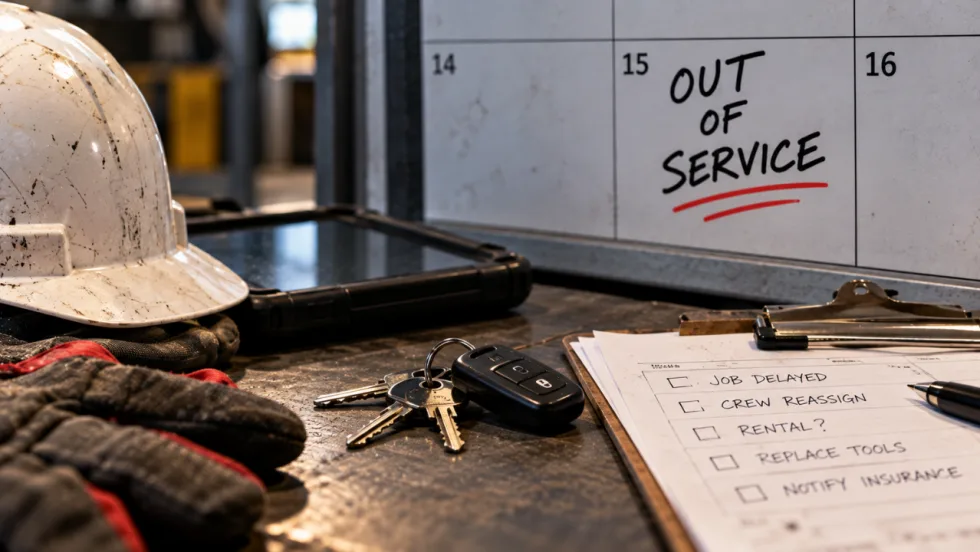
When a Work Truck Gets Stolen, the Real Loss Is Time
A stolen work truck can take more than a vehicle off the road. From tools and access cards to crew downtime, here’s how fleets can prepare for theft before it disrupts the entire workday.
Read More →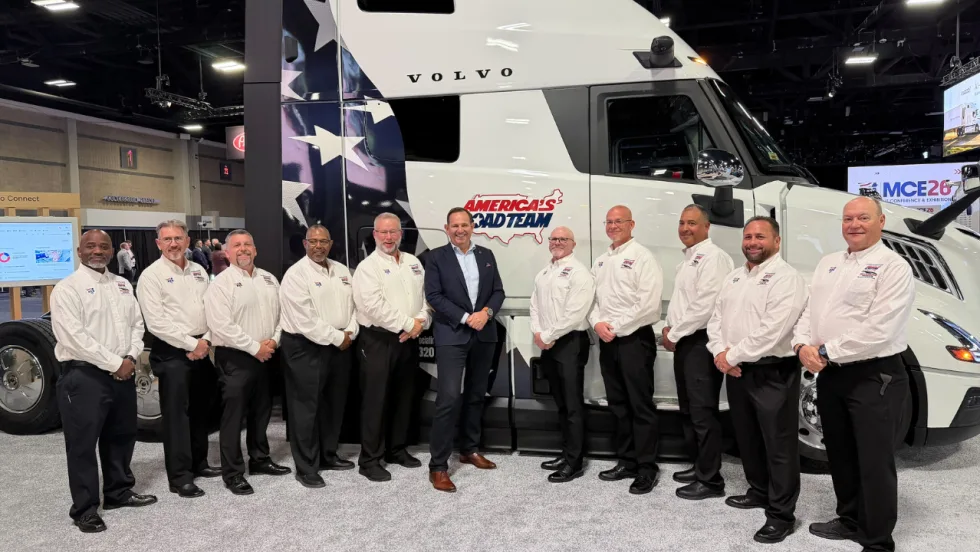
Volvo Trucks Marks 25 Years as Exclusive Sponsor of America's Road Team
Volvo Trucks North America will serve as the exclusive sponsor of the American Trucking Associations' America's Road Team, marking 25 years of Volvo sponsorship. The group of professional drivers promotes safety and the industry as they travel the country.
Read More →
Streamlight’s High-Output Scene Light Recognized with Occupational Safety Award
Streamlight’s Portable Scene Light III (PSL III) won the 2026 Occupational Health & Safety (OH&S) New Product of the Year Award in the Lighting category.
Read More →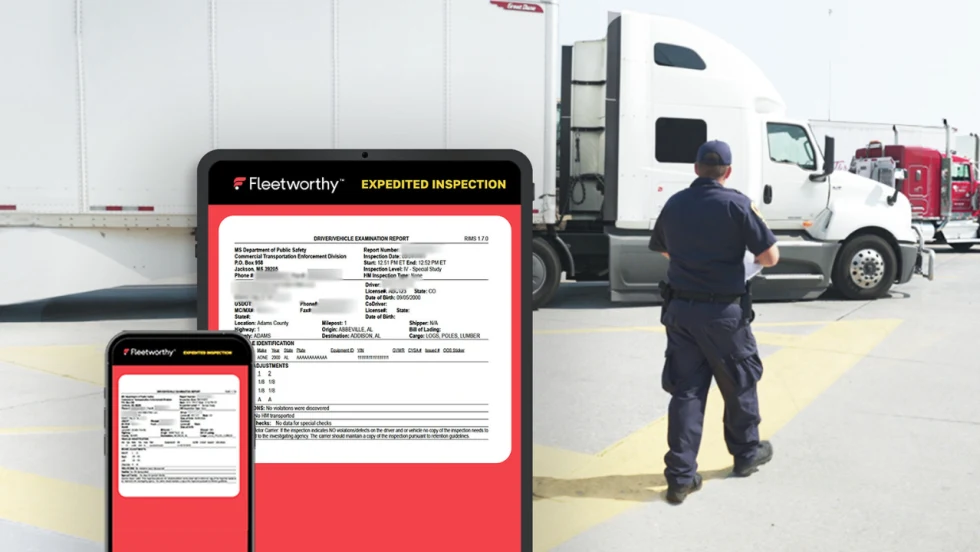
Fleetworthy Expands Expedited Inspection to 5 States
Following its industry-first launch in Nevada, Fleetworthy’s automated inspection technology is now live in California, Michigan, Vermont, and Maine.
Read More →
Crossing State Lines in a Light-Duty Work Truck? Check These Rules First
Crossing state lines in a lighter work truck? J.J. Keller's Kathy Close explains when IRP registration, trip permits, and towing rules come into play.
Read More →
Simple Tire Checks That Help Keep Your Business Fleet Moving
A survey found that nearly one in every 10 passenger vehicles has at least one bald tire. What's more, 27% -- more than one in four -- of vehicles are driven with one or more severely under-inflated tires.
Read More →