





Safety Tips: Follow the 4 Principles of Safe Driving
Safety Tip: Driving in High Winds
The Nevada Department of Transportation offers advice on how to drive safely during windy weather.
March 13, 2017

Slow your speed to a safe driving speed and turn on headlights if needed to account for potentially lower visibility created by blowing dust, sand, snow or rain.
Photo: WikiCommons
2 min to read
High winds in parts of the Midwest and Northeast last week led to extremely difficult driving conditions and a rash of downed power lines. Michigan saw gusts up to 68 mph, while New York saw them as high as 81 mph.
Meanwhile, the Northeast is bracing for a major blizzard due to hit on Tuesday, March 14.
Here’s some advice, provided by the Nevada Department of Transportation, on how to drive in high winds:
Plan ahead. Leave extra time, as your drive may take longer because of the need to drive more slowly in high winds.
Always wear a seatbelt.
Slow your speed to a safe driving speed and turn on headlights if needed to account for potentially lower visibility created by blowing dust, sand, snow or rain.
Keep your hands firmly on the wheel.
Make steering corrections when driving from wind-protected areas to unprotected areas. The wind may suddenly move your car when traveling from a protected to unprotected area.
Be aware of and maintain safe distances from other vehicles near you, particularly RVs, campers, trucks, buses, or trailers being towed. These vehicles could swing out and hit your car in sudden wind gusts.
Take extra care in a high-profile vehicle such as trucks, vans, SUVs, or when towing a trailer, since these are more prone to being pushed or flipped by high winds.
Watch for objects that could potentially blow into the roadway. Tree limbs may break and/or other debris may come loose during strong winds.
Listen to the radio for changes in weather conditions that could create more dangerous driving.
If winds are severe enough to prevent safe driving, pull over into a safe parking area (the shoulder of a busy roadway is not safe) and stop, making sure you are away from trees, power lines or other tall objects that could fall onto your vehicle.
When arriving at your destination, avoid parking near trees, downed power lines and buildings.
In the event of downed power lines:
Never drive over downed power lines. Even if they have been knocked over by the wind, high-voltage wires may still be alive and very dangerous.
Avoid anything that may be touching downed lines, including vehicles or tree branches.
Report downed lines to your local utility emergency center and to the police.
Originally posted on Automotive Fleet
More Safety & Compliance
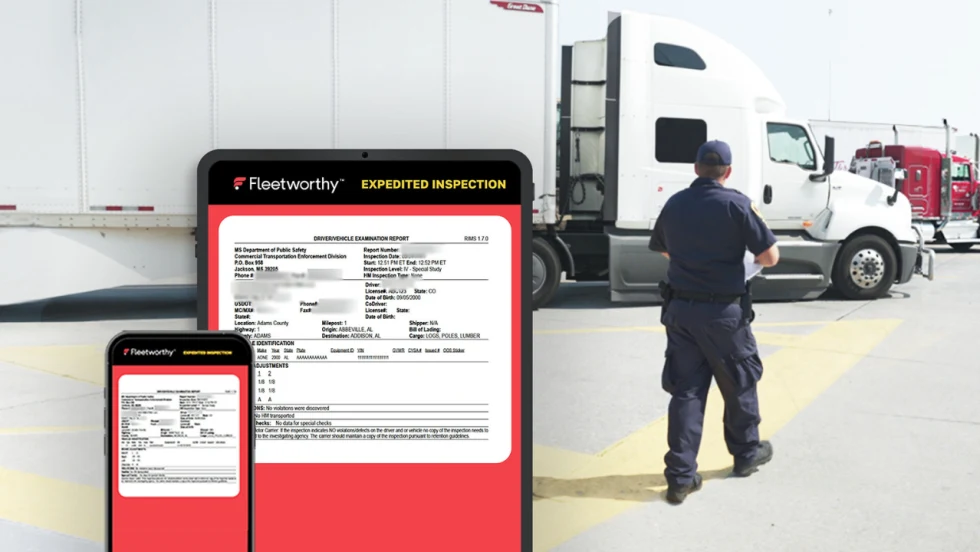
Fleetworthy Expands Expedited Inspection to 5 States
Following its industry-first launch in Nevada, Fleetworthy’s automated inspection technology is now live in California, Michigan, Vermont, and Maine.
Read More →
Crossing State Lines in a Light-Duty Work Truck? Check These Rules First
Crossing state lines in a lighter work truck? J.J. Keller's Kathy Close explains when IRP registration, trip permits, and towing rules come into play.
Read More →
GeoFencing Adds to Your Truck Security Arsenal
Geofencing is a familiar fleet tool today, but its early adoption marked a major shift in vehicle tracking, route monitoring, and the debate over employee privacy.
Read More →From Our Partners


Recalls You Need to Know About in October 2026
In October 2026, what recalls might impact your fleet? Work Truck has the answers in this comprehensive overview of recent NHTSA recalls.
Read More →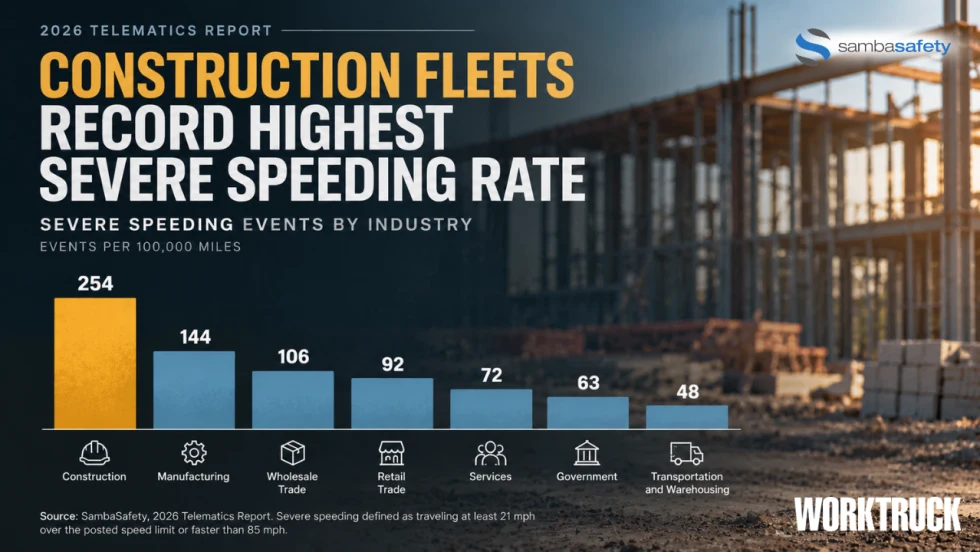
Construction Fleets Show Telematics Adoption Alone May Not Reduce Driving Risk
SambaSafety found construction fleets monitor roughly 92% of their vehicles but recorded the highest severe speeding rate among industries studied.
Read More →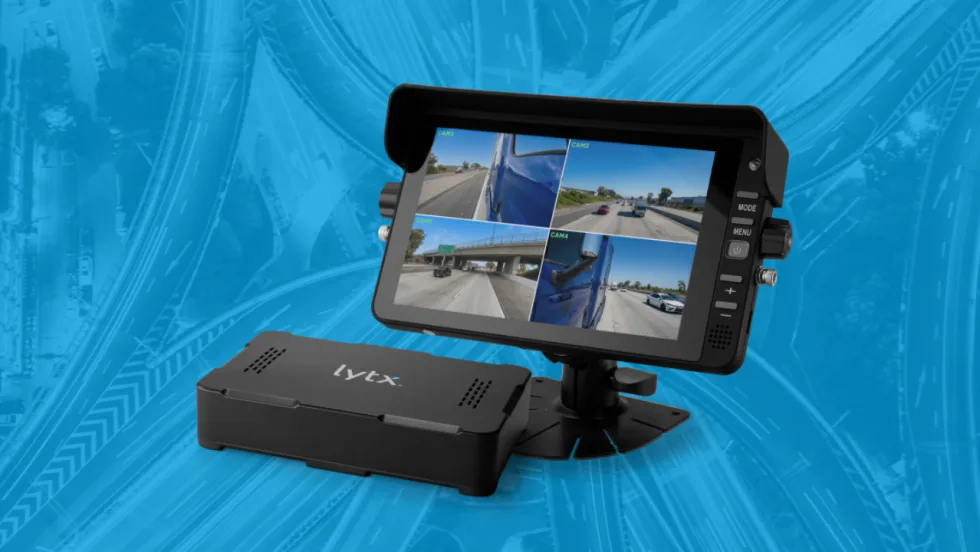
Lytx Launches 360 Hub Kit for Expanded Fleet Camera Visibility
Lytx’s new AI-ready gateway and HD auxiliary camera ecosystem, the Lytx 360 Hub Kit, extends visibility across side, rear, cargo, and blind-zone views to help fleets see more and respond faster.
Read More →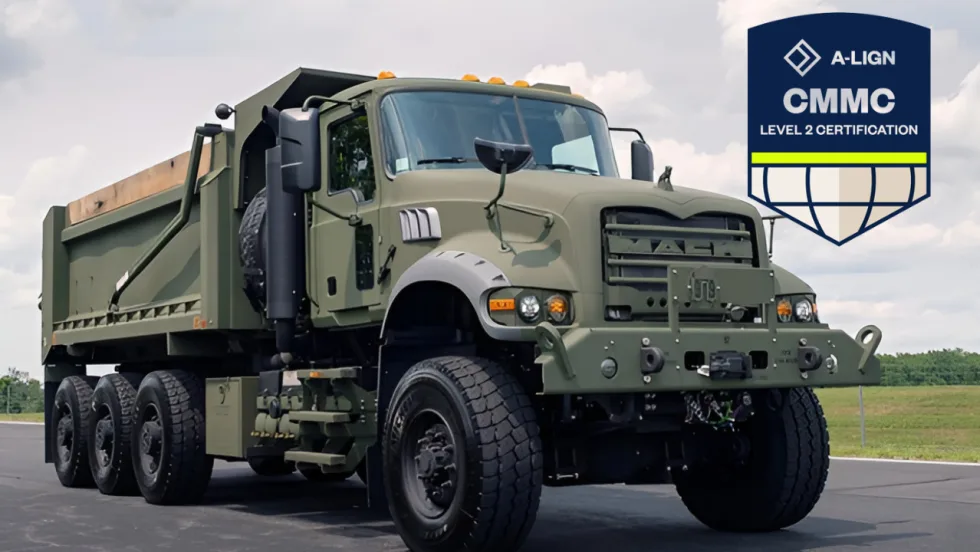
Mack Defense Achieves Cybersecurity Maturity Model Certification Level 2
After an assessment conducted by an authorized Certified Third-Party Assessment Organization (C3PAO), Mack Defense has achieved Cybersecurity Maturity Model Certification (CMMC) Level 2.
Read More →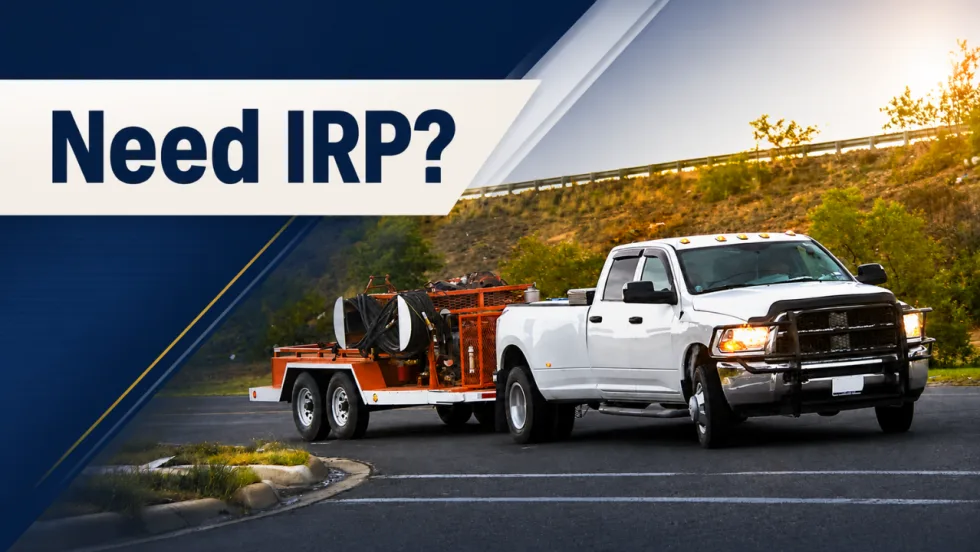
When Work Trucks Under 26,001 Pounds Need IRP Registration
Think trucks under 26,001 pounds are automatically in the clear when it comes to IRP? Not always. Learn where lighter vehicles can still run into trip permit, apportioned registration, and IFTA compliance requirements when crossing state or provincial lines.
Read More →
Smith System Wants Work Truck Fleets to Look Beyond the Driver Alert
Smith System’s new Driver Risk Management program is built to help mixed work truck fleets turn telematics alerts and observations into specific behaviors, coaching actions, and measurable follow-up.
Read More →
Volvo Trucks Releases New Safety Recommendations for Traveling with Pets
One of the most important recommendations for professional drivers traveling with pets is to ensure pets are properly restrained while the truck is moving. Other tips are available in the new guide from Volvo Trucks North America and Center for Pet Safety.
Read More →