




Ram, Ford, & Toyota Trucks Earned Poor Backseat Safety Ratings
Three of four large pickups tested earn poor ratings in a safety study. But the group performed well in the updated side test.

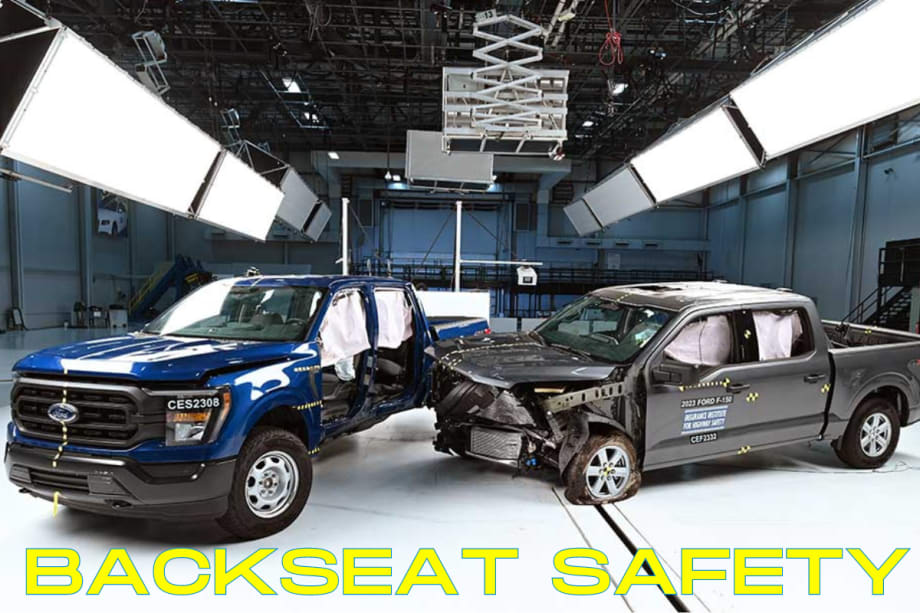
The IIHS performed the Highway Safety’s updated side crash test on four pickup truck companies.
Photo: IIHS/Work Truck
Four large pickups offer strong protection in side crashes but fall short when protecting passengers in the back seat.
The following 2023 models earn good ratings in the Insurance Institute for Highway Safety’s updated side crash test:
The Ram 1500 crew cab.
Ford F-150 crew cab.
Toyota Tundra crew cab.
While the 2023 Chevrolet Silverado 1500 crew cab is rated acceptable.
However, in the updated moderate overlap front crash test, which now emphasizes back seat safety, only the Tundra manages a marginal rating. The F-150, Ram 1500, and Silverado are rated poor.
“Like most other vehicle classes, large pickups don’t perform as well in the new moderate overlap evaluation as they do in the updated side test, which is now a requirement for our TOP SAFETY PICK awards,” said IIHS President David Harkey.
Latest IIHS Crash Test Findings: Why Second-Row Seat Safety Matters
The IIHS launched the updated moderate overlap front test last year.
According to its research, "in newer vehicles, the risk of a fatal injury is now higher for belted occupants in the second row than for those in front."
It clarified that this isn't because the second row has become less safe; instead, it's due to the increased safety of the front seat, thanks to improved airbags and advanced seat belts that are rarely available in the back.
It also emphasized that even with these advancements, the back seat remains the safest place for children, as they can be harmed by inflating front airbags, and the rating doesn't apply to children properly secured in child safety seats.
In the updated test, a second dummy is positioned in the second row behind the driver. The driver dummy represents an average adult man, while the rear dummy simulates the size of a small woman or a 12-year-old child. IIHS researchers introduced new metrics focusing on injuries most seen in backseat passengers.
Improved Front-Seat Safety Highlights Rear-Seat Concerns
To earn a good rating, a vehicle should not pose an excessive risk of head, neck, chest, or thigh injury to the second-row dummy.
The dummy must remain correctly positioned during the crash, without "submarining" beneath the lap belt, which increases the risk of abdominal injuries.
The head should maintain a safe distance from the front seatback and the vehicle's interior, and the shoulder belt should remain on the shoulder for maximum effectiveness. A pressure sensor on the rear dummy's torso checks the shoulder belt's position during the crash.
Like the original test, the occupant compartment's structure must ensure adequate survival space for the driver, and measurements from the driver dummy should not indicate an excessive risk of injuries.
All four pickups provided good protection in the front seat but had inadequate restraint systems in the rear. Harkey said, "Submarining was a problem for all four pickups, and belt forces were too high in all but the Tundra."
Measurements from the rear dummy suggested that the F-150 and Ram 1500 had a likelihood of chest injuries and head or neck injuries.
The Silverado had somewhat lower but still excessive risks of these injuries. While the Tundra had high chest injury risks due to poor belt positioning, the risk of head or neck injuries was only slightly elevated.
The updated side test was introduced to address higher-speed crashes that continue to cause fatalities, even in vehicles that excelled in the original evaluation. It uses two dummies, a driver and a rear passenger, but employs a heavier barrier at a higher speed to simulate the striking vehicle. This updated test replaced the original criteria for the TOP SAFETY PICK awards in 2023.
In this test, the F-150, Ram 1500, and Tundra, all rated as "good," provided solid protection in both the front and back. However, the occupant compartment of the F-150 was slightly compromised by the impact, and there was an elevated risk of chest injury to the rear passenger in the Silverado, which received an "acceptable" rating.
More Safety & Compliance
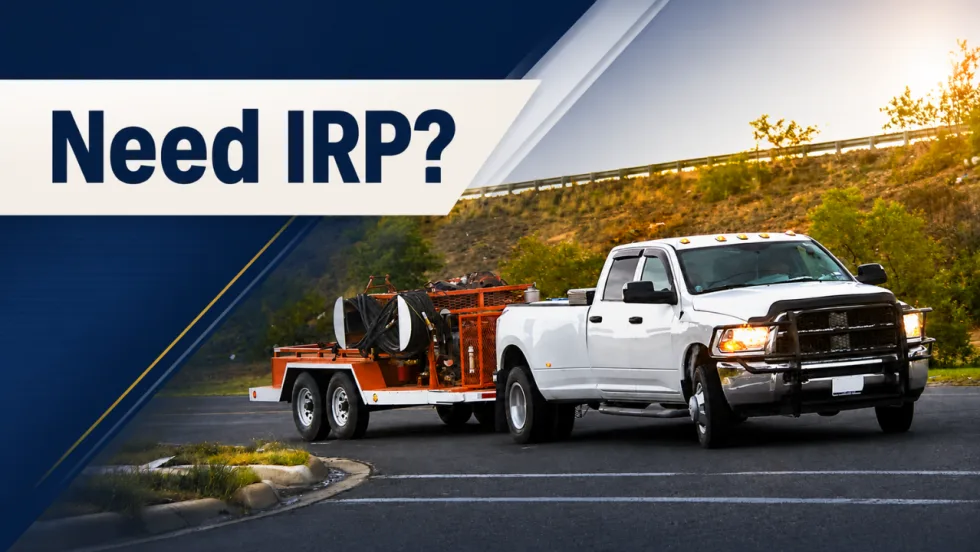
When Work Trucks Under 26,001 Pounds Need IRP Registration
Think trucks under 26,001 pounds are automatically in the clear when it comes to IRP? Not always. Learn where lighter vehicles can still run into trip permit, apportioned registration, and IFTA compliance requirements when crossing state or provincial lines.
Read More →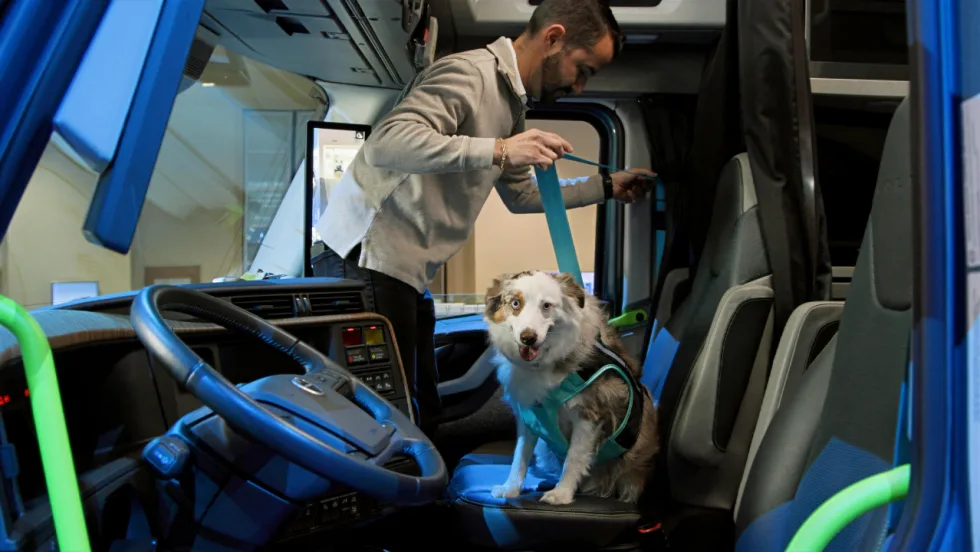
Volvo Trucks Releases New Safety Recommendations for Traveling with Pets
One of the most important recommendations for professional drivers traveling with pets is to ensure pets are properly restrained while the truck is moving. Other tips are available in the new guide from Volvo Trucks North America and Center for Pet Safety.
Read More →
API Issues Refueling Safety Guidelines
The American Petroleum Institute offers a list of safe vehicle refueling guidelines, including ways to avoid potential problems with static electricity discharges in fall, winter, and early spring.
Read More →


Winter Fleet Prep: Expert Tips to Keep Vehicles Running Smoothly
Cold weather can expose weak batteries, tires, fuel systems, and maintenance gaps fast. Use this winter fleet checklist to prepare trucks and drivers before temperatures drop.
Read More →
When a Work Truck Breaks Down, the Job Can Stop, Too
A work truck breakdown can stop more than the vehicle. Discover how payloads, jobsites, and specialty equipment change the roadside response.
Read More →
What Stronger Long-Term Fleet Service Partnerships Actually Require
Fleet service partnerships rarely fall apart all at once. Learn the three warning signs that trust is eroding and what fleets and providers can do before downtime, frustration, and lost revenue follow.
Read More →
Applause & TRUCE Software Partner to Improve Driver Safety Through AI-Powered Telematics & Employee Performance Management
Applause has integrated TRUCE driving metrics directly into its employee-first performance and safety platform that transforms mobile devices into AI-powered telematics.
Read More →
How Detroit Assurance with Active Brake Assist Works
Do you want to see what it is like to experience Detroit Assurance’s Active Brake Assist? In this video, Work Truck will put you in the cab to see how it all works and then hear more details from DTNA’s Mike Young.
Read More →
Get Left of Loss: A 5-Step Workplace Violence Prevention Framework for Fleet Operators
Violence risks do not stop at the driver’s door. Learn five practical steps fleets can take to spot threats early and protect workers before loss occurs.
Read More →
How Better Visibility Cut Speeding Violations by 48%
Fleet leaders don't need more data, they need clearer visibility into what the data is saying. This case study explores how one utility replaced speeding-event counts with a single metric — miles driven in violation — to strengthen safety and significantly reduce speeding violations.
Read More →