




Prime Lube Offers BlueSky Diesel Exhaust Fluid to Meet EPA Mandates
CARTERET, NJ - Prime Lube, Inc., secured a strategic partnership with Germany's Kruse Group to become the first Mid-Atlantic manufacturer of BlueSky Diesel Exhaust Fluid (DEF) for distribution across 12 states, the District of Columbia and two Canadian provinces.
CARTERET, NJ - Prime Lube, Inc., a Mid-Atlantic distributor of lubricants and anti-freeze, announced it has secured a strategic partnership with Germany's Kruse Group to become the first Mid-Atlantic manufacturer of BlueSky Diesel Exhaust Fluid (DEF) for distribution across 12 states, the District of Columbia and two Canadian provinces.
Effective January 1, U.S. Environmental Protection Agency mandates requiret all diesel-powered passenger and commercial vehicles produced must meet new, lower nitrous oxide emission standards. DEF technology, used in conjunction with selective catalytic reduction (SCR), has emerged as the most effective, safe and affordable means to meet the required mandate.
As part of the arrangement, Kruse will provide Prime Lube with the manufacturing equipment and raw materials, namely automotive grade urea, to produce BlueSky DEF for sale to Prime Lube's fuel and lubricant distributor network throughout the Mid-Atlantic region. Prime Lube will begin production of BlueSky DEF in June. They company is already distributing Kruse-manufactured DEF throughout Ontario, Quebec, all of New England, Pennsylvania, Maryland, Delaware, Virginia, and Washington D.C.
"We're very pleased to partner with Kruse Group and leverage their proven, scalable DEF manufacturing system to provide this emissions-reducing Diesel Exhaust Fluid to our local and regional customer base," said Robert Arbasetti, COO of Prime Lube. "With DEF now mandated by the EPA to control diesel emissions, our customers will be able to save money through reduced transportation costs by buying locally and help further reduce greenhouse gas emissions by minimizing the distance required for delivery."
Kruse's innovative, scalable BlueSky manufacturing process has enabled the company to garner a significant share of the DEF market in Germany and secure manufacturing and distribution partnerships in Belgium, the United Kingdom, the Netherlands, Dubai and India and Brazil. Kruse provides both the manufacturing equipment and the raw materials to suppliers who then produce BlueSky for distribution into their local and regional markets. The company is currently expanding into other U.S. markets.
BlueSky is ISO and API approved for its ability to help neutralize the nitrous oxide emissions generated through diesel exhaust. In January, the U.S. EPA began requiring a DEF system to be onboard all commercial and passenger diesel-powered vehicles to reduce emissions. In its most basic form, DEF is a blend of urea, derived from natural gas, and de-ionized water that combine to form ammonia, which turns nitrous oxide emissions into harmless water vapor and elemental nitrogen. It has shown to increase fuel economy of up to 5 percent.
For more information about Prime Lube and BlueSky DEF please call (800) 634-4615
More Fuel

WEX Report Finds Fleet Fuel Spending Climbed as Consumption Held Steady in 2026
New WEX transaction data highlights rising fuel costs, purchasing habits, and potential savings opportunities for commercial fleets navigating 2026.
Read More →
Everything You Need to Know About Renewable Diesel
Learn how renewable diesel works, how it differs from biodiesel, and what work truck fleets should know about costs, emissions, and performance.
Read More →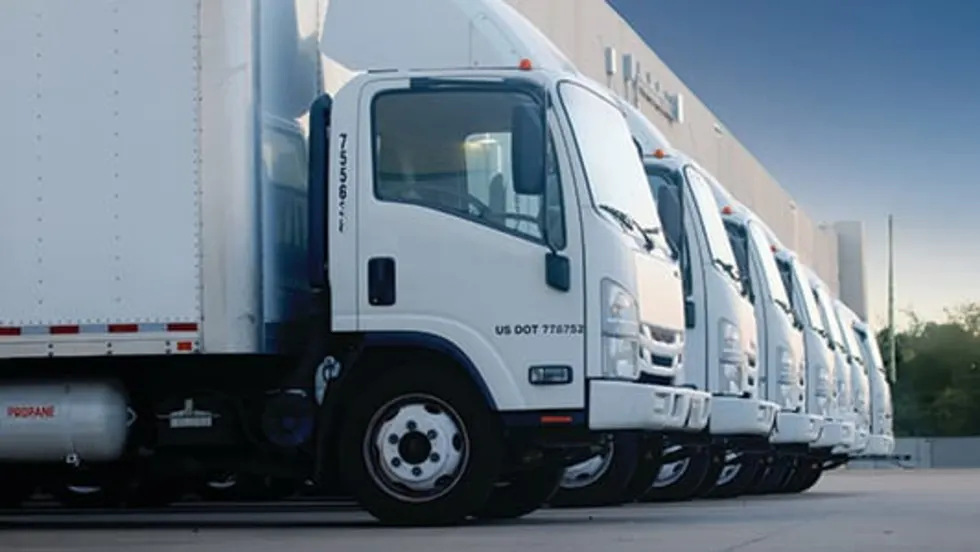
New Propane Autogas Program Offers Fleet Compensation
Qualified commercial fleets can receive $7,500 per eligible propane autogas vehicle and up to $10,000 for new refueling site prep. Learn how the program works and see whether your fleet qualifies.
Read More →From Our Partners
New Propane Autogas Program Offers Fleet Compensation
Sponsored by Propane Education & Research Council

Basic Tracking vs Next Generation Fleet Technology
Sponsored by AT&T Business

How AI Video Telematics Boosts Driver Safety and Helps to Avoid Unnecessary Costs
Sponsored by Verizon Connect

Do You Need an Integrated Fuel Management System?
Sponsored by AssetWorks

Precision Under Pressure: Why Modern Diesels Demand a New Fuel Maintenance Playbook
Modern diesel fuel systems leave little room for contamination, deposits, or old maintenance habits. See why today’s HPCR engines demand a more proactive approach to fuel quality, injector health, and DPF protection.
Read More →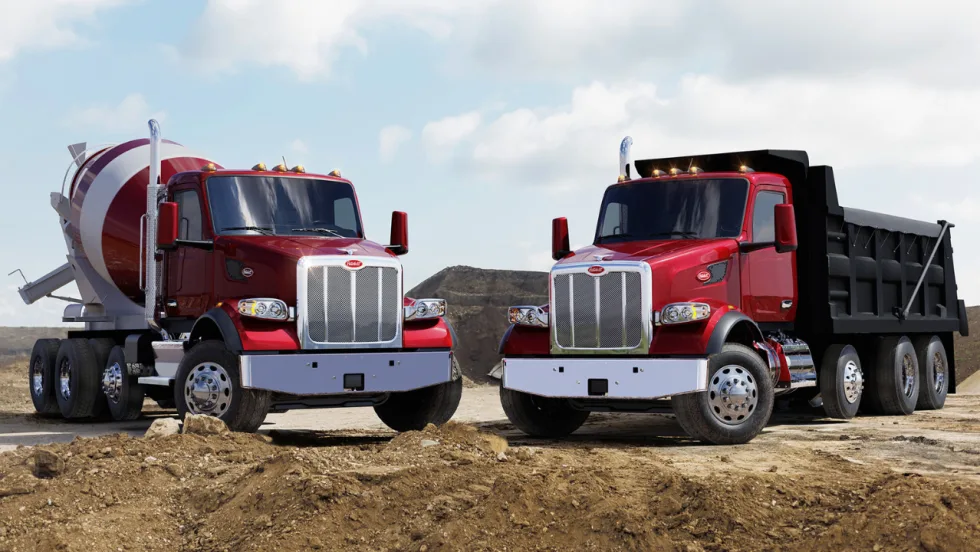
Peterbilt Trucks Equipped with Paccar TX-18 Pro Boost Efficiency for Maryland Fleet
Patuxent Companies is replacing aging trucks with the Peterbilt Model 567 and Model 589, specified with the Paccar TX-18 Pro 18-speed automated transmissions, and is reporting an 8% to 10% improvement in fuel economy.
Read More →
The Smart Way to Build a Mixed-Energy Fleet Isn’t About Picking a Side
Mixed-energy fleets aren’t about picking a winning fuel. Sarah Booth of WEX explains how vehicle data, duty cycles, charging strategy, and real-world costs can help fleets choose the right energy source for each job.
Read More →
Ignoring This Dashboard Warning Could Cost Your Fleet Thousands in Fuel
New research suggests neglected diesel aftertreatment systems could waste up to $30 in fuel per vehicle each day. Here's why vocational fleets should pay attention.
Read More →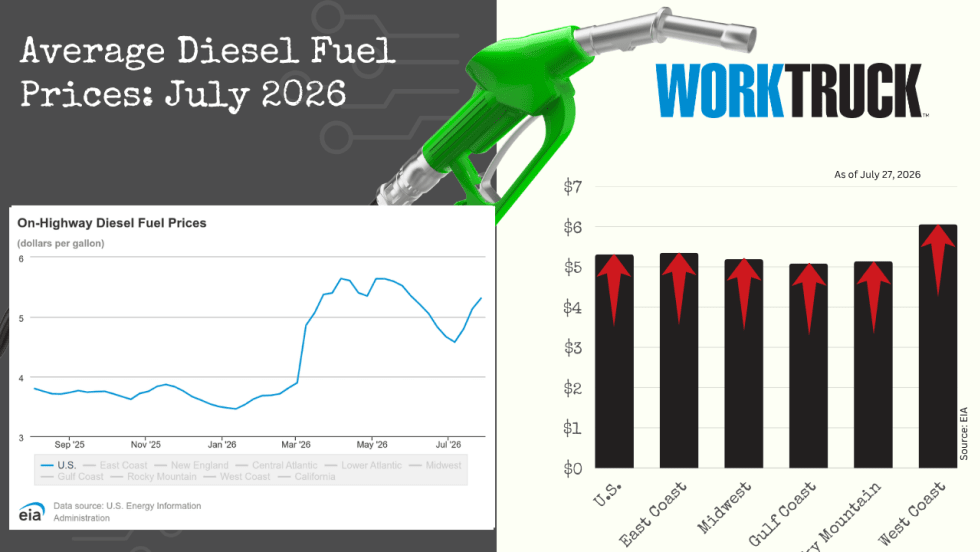
July Diesel Trends Update
The average price of a gallon of diesel increased again this week, and the EIA reported a new national average of $5.31 at the start of the week.
Read More →
WEX Brings Standard Fleet's Connected Vehicle Platform to Fleet Customers
This week’s product launch with Standard Fleet’s connected vehicle platform reflects WEX Venture Capital's strategy of turning startup innovation into customer solutions. Standard Fleet is now available to WEX fleet customers.
Read More →
Teletrac Navman Adds Mixed-Energy Fleet Tools to TN360
The new Energy Hub combines fuel transactions, EV charging data, vehicle range, and energy costs in one dashboard for fleets operating multiple vehicle and energy types.
Read More →