




Prevent Accidents With Check Valves in Aerial Work Trucks
Reliable check valves are essential for trucks operating aerial work platforms. We explain there vital role and how to prevent accidents.

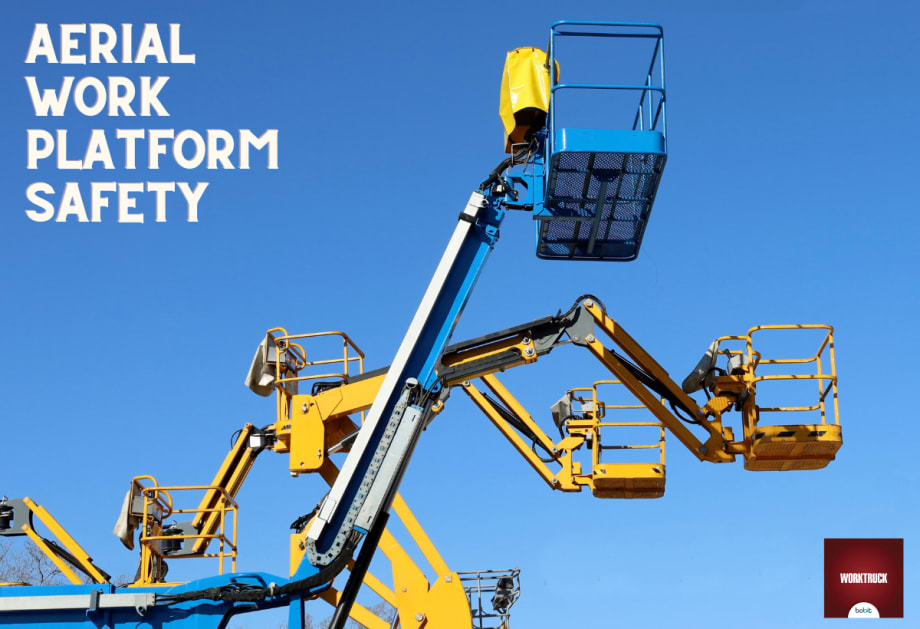
Often overlooked, check valves are indispensable components in emergencies.
Photo: Work Truck
June is National Safety Month, a necessary time to raise awareness and prioritize the well-being of workers in the fleet industry.
Work trucks equipped with aerial work platforms enhance productivity and efficiency in construction, maintenance, and other elevated tasks.
However, ensuring the safety of these work trucks requires meticulous attention to detail, and one component that plays a critical role is the check valve.
These often-overlooked devices are vital safeguards, preventing hydraulic system failures and potential accidents.
With the help of Parker Hannifin QCD, we’ll explore the significance of check valves in work trucks with aerial work platforms and shed light on their essential role in promoting safe and secure operations.
The Vital Role of Check Valves in Aerial Work Trucks
During critical emergency operations, it is crucial to safeguard the integrity of emergency pumps used as backups in case primary pumps fail.
These emergency pumps are commonly found in trucks equipped with aerial work platforms, such as bucket trucks utilized in industries like utilities, tree care, construction, agriculture, and maintenance services.
Check valves play a vital role in the hydraulic systems of bucket trucks by preventing backflow, allowing fluid to flow in only one direction. This safeguard ensures that the emergency pump remains protected from any potential damage.
Additionally, check valves act as a defense mechanism against contamination, preventing foreign particles or debris from entering the hydraulic system and causing harm to the pump or other hydraulic components.
In the event of a primary pump failure, the emergency pump is activated to safely lower the platform to the ground. The presence of a reliable check valve in the system isolates the emergency pump, shielding it from backflow or back pressure, thus ensuring its usability during hazardous situations.
By maintaining pressure in the hydraulic system, check valves enable the emergency pump to operate effectively and safely during emergencies. In case of a hydraulic line rupture, the installation of a check valve on the hydraulic lift cylinder can prevent sudden drops of the aerial work platform, mitigating the risk of injuries or property damage.
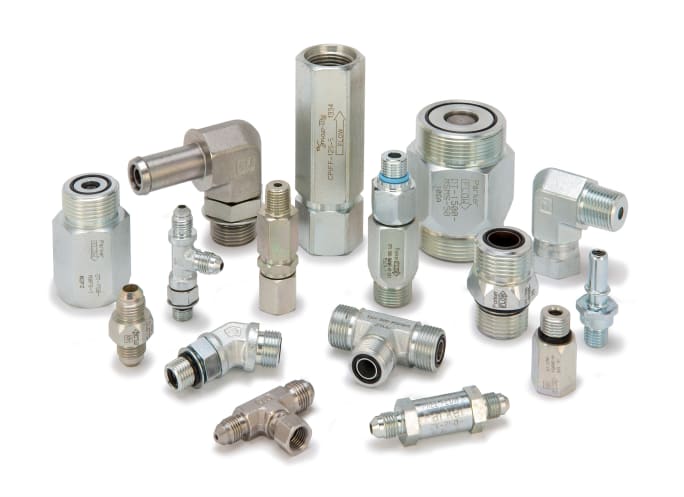
Check valves are often overlooked, but can help prevent accidents.
Parker Hannifin
How Reliable Check Valves Elevate Aerial Work Platform Truck Operations
Reliable check valves are essential for trucks operating aerial work platforms in many ways.
Some benefits include:
Maximizing Efficiency: Harnessing the power of check valves in aerial work platform trucks ensures the hydraulic system maintains optimal pressure, enhancing overall efficiency and boosting truck performance and productivity.
Safeguarding Equipment: By preventing the backflow of fluids, check valves are crucial in shielding the hydraulic system and other equipment from potential damage. This protection extends the lifespan of the equipment, reducing repair needs and enhancing longevity.
Operator Safety: Check valves act as a safety net, preventing catastrophic incidents like booms or buckets falling due to hydraulic failure. This not only safeguards the operator from harm but also prevents damage to the surrounding area, ensuring a secure work environment.
Preventing System Contamination: A key advantage of check valves is their ability to halt the reverse flow of hydraulic fluid, effectively preventing contamination by dirt or foreign materials. This safeguards the integrity of the pump and other vital components, avoiding potential damage and preserving system performance.
Saving on Costs: By maintaining the health of the hydraulic system, check valves indirectly contribute to significant cost savings. With minimized damage, the need for frequent maintenance and repairs is reduced, resulting in long-term financial benefits.
Often overlooked, check valves are indispensable components in emergencies.
Choosing the most reliable check valve for your specific application is paramount, ensuring optimal performance and peace of mind.
More Safety
When Work Trucks Under 26,001 Pounds Need IRP Registration
Think trucks under 26,001 pounds are automatically in the clear when it comes to IRP? Not always. Learn where lighter vehicles can still run into trip permit, apportioned registration, and IFTA compliance requirements when crossing state or provincial lines.
Read More →
Volvo Trucks Releases New Safety Recommendations for Traveling with Pets
One of the most important recommendations for professional drivers traveling with pets is to ensure pets are properly restrained while the truck is moving. Other tips are available in the new guide from Volvo Trucks North America and Center for Pet Safety.
Read More →
API Issues Refueling Safety Guidelines
The American Petroleum Institute offers a list of safe vehicle refueling guidelines, including ways to avoid potential problems with static electricity discharges in fall, winter, and early spring.
Read More →
Winter Fleet Prep: Expert Tips to Keep Vehicles Running Smoothly
Cold weather can expose weak batteries, tires, fuel systems, and maintenance gaps fast. Use this winter fleet checklist to prepare trucks and drivers before temperatures drop.
Read More →
When a Work Truck Breaks Down, the Job Can Stop, Too
A work truck breakdown can stop more than the vehicle. Discover how payloads, jobsites, and specialty equipment change the roadside response.
Read More →
What Stronger Long-Term Fleet Service Partnerships Actually Require
Fleet service partnerships rarely fall apart all at once. Learn the three warning signs that trust is eroding and what fleets and providers can do before downtime, frustration, and lost revenue follow.
Read More →
Applause & TRUCE Software Partner to Improve Driver Safety Through AI-Powered Telematics & Employee Performance Management
Applause has integrated TRUCE driving metrics directly into its employee-first performance and safety platform that transforms mobile devices into AI-powered telematics.
Read More →
How Detroit Assurance with Active Brake Assist Works
Do you want to see what it is like to experience Detroit Assurance’s Active Brake Assist? In this video, Work Truck will put you in the cab to see how it all works and then hear more details from DTNA’s Mike Young.
Read More →
Get Left of Loss: A 5-Step Workplace Violence Prevention Framework for Fleet Operators
Violence risks do not stop at the driver’s door. Learn five practical steps fleets can take to spot threats early and protect workers before loss occurs.
Read More →
How Better Visibility Cut Speeding Violations by 48%
Fleet leaders don't need more data, they need clearer visibility into what the data is saying. This case study explores how one utility replaced speeding-event counts with a single metric — miles driven in violation — to strengthen safety and significantly reduce speeding violations.
Read More →