




Dig Deeper: Tips for Post-Flood Fleet Inspections
Prepare for the Worst: Hurricane Prep for Work Trucks
12 to 17 storms are predicted this season. Here are eight tips on how to prepare your work truck fleet.

Hillary Weiss・Senior Editor

8 Tips to stay prepared this hurricane season.
Photo: Work Truck
3 min to read
Hurricane season runs from June 1 to November 30. However, the most active period usually falls between August and October.
During this time, warm ocean waters and favorable atmospheric conditions create an environment conducive to the formation and intensification of hurricanes. The east coast is affect the most during this time.
It's essential to have a comprehensive plan to protect your work truck fleet and drivers during these challenging times.
8 Tips for Work Trucks During Hurricane Season
This season, the National Oceanic and Atmospheric Administration predicts a range of 12 to 17 total storms with winds of 39 mph or higher.
Of those, 5 to 9 could become hurricanes (winds of 74 mph or higher), including 1 to 4 major hurricanes (category 3, 4 or 5; with winds of 111 mph or higher).
No matter the size or the wind speed, it’s always better to be safe than sorry. As the phrase goes, hope for the best, prepare for the worst.
Here are eight tips to prepare your work trucks for the upcoming hurricane season.
No. 1 — Stay Informed
One of the first steps in hurricane preparation is staying informed about weather conditions.
Monitor reputable weather sources and subscribe to alerts and notifications from meteorological services.
Keep track of storm developments, including potential paths and intensities, and adjust preparations accordingly.
No. 2 — Develop an Emergency Response Plan
Create an emergency response plan specifically tailored to hurricanes.
This plan should outline actions to take before, during, and after a hurricane, including communication protocols, evacuation procedures, and contingency plans.
Ensure all employees know the plan and conduct regular drills to test its effectiveness.
No. 3 — Secure Storage Facilities
Identify secure storage locations for trucks during a hurricane.
If possible, store vehicles in an enclosed, weather-resistant facility such as a garage or warehouse.
If indoor storage is unavailable, select an open area away from trees, power lines, and flood-prone areas.

Make sure all vehicles are parked away from trees, utility poles, or other objects that can fall.
Photo: Work Truck
No. 4 — Perform Maintenance Checks
Prioritize regular maintenance checks for work trucks to ensure they are in optimal condition before a hurricane strikes.
Inspect:
Tires.
Brakes.
Lights.
Wipers.
Any other critical components.
Ensure all vehicles have sufficient fuel and oil levels. Address any maintenance issues promptly to minimize the risk of breakdowns during severe weather.
No. 5 — Stock Emergency Supplies
Equip work trucks with emergency supplies to handle potential challenges during and after a hurricane.
These supplies may include flashlights, batteries, first aid kits, non-perishable food, drinking water, blankets, and basic tools.
Ensure all vehicles have a fully stocked emergency kit readily accessible to drivers.
No. 6 — Secure Loose Items and Fuel Tanks
Secure loose items in and around work trucks to prevent them from becoming flying projectiles in high winds.
Stow equipment, tools, and loose objects inside the vehicle or secure them tightly to prevent damage.
Additionally, consider keeping fuel tanks at least half-full to sustain operations in fuel shortages or disruptions.
No. 7 — Document and Backup Important Information
Maintain accurate records of all work trucks, including their identification numbers, registration, insurance documents, and maintenance history.
Store these documents safely and consider keeping digital copies as backups. Proper documentation can expedite insurance claims and facilitate vehicle recovery in the event of damage or loss.
No. 8 — Communicate and Re-evaluate
Maintain open lines of communication with drivers, employees, and stakeholders throughout the hurricane season.
Share updates, safety guidelines, and any necessary changes to the emergency response plan. Regularly evaluate the effectiveness of preparedness measures and adjust as needed.
Stay Safe and Prepared This Season
By following these essential steps, fleet managers and work truck drivers can better prepare for the challenges posed by hurricanes during the seasonal peak.
By prioritizing safety, implementing proactive measures, and fostering clear communication, organizations can mitigate risks, protect their assets, and ensure the continuity of their operations.
Remember, a well-prepared work truck is a safer work truck. Stay vigilant, stay informed, and be ready for whatever the hurricane season brings.
More Safety
When Work Trucks Under 26,001 Pounds Need IRP Registration
Think trucks under 26,001 pounds are automatically in the clear when it comes to IRP? Not always. Learn where lighter vehicles can still run into trip permit, apportioned registration, and IFTA compliance requirements when crossing state or provincial lines.
Read More →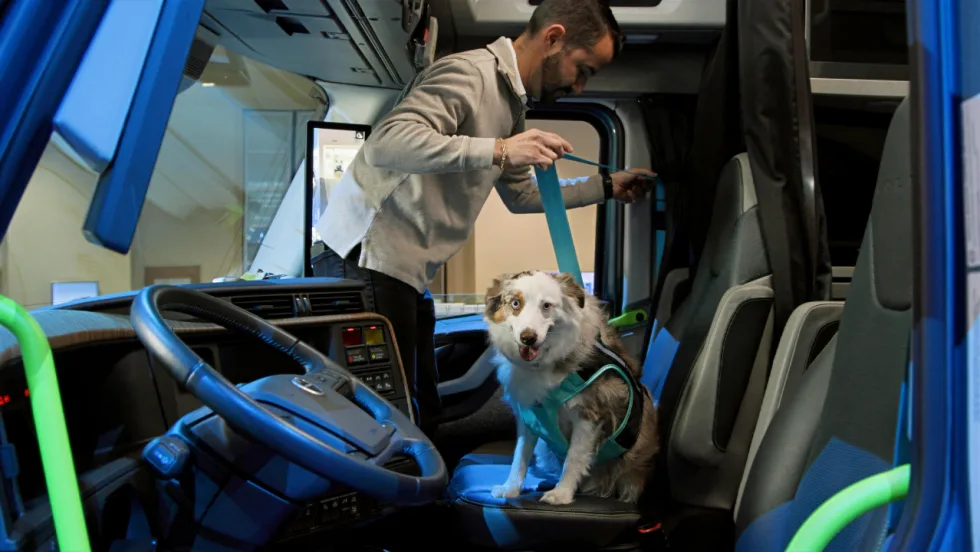
Volvo Trucks Releases New Safety Recommendations for Traveling with Pets
One of the most important recommendations for professional drivers traveling with pets is to ensure pets are properly restrained while the truck is moving. Other tips are available in the new guide from Volvo Trucks North America and Center for Pet Safety.
Read More →
API Issues Refueling Safety Guidelines
The American Petroleum Institute offers a list of safe vehicle refueling guidelines, including ways to avoid potential problems with static electricity discharges in fall, winter, and early spring.
Read More →
Winter Fleet Prep: Expert Tips to Keep Vehicles Running Smoothly
Cold weather can expose weak batteries, tires, fuel systems, and maintenance gaps fast. Use this winter fleet checklist to prepare trucks and drivers before temperatures drop.
Read More →
When a Work Truck Breaks Down, the Job Can Stop, Too
A work truck breakdown can stop more than the vehicle. Discover how payloads, jobsites, and specialty equipment change the roadside response.
Read More →
What Stronger Long-Term Fleet Service Partnerships Actually Require
Fleet service partnerships rarely fall apart all at once. Learn the three warning signs that trust is eroding and what fleets and providers can do before downtime, frustration, and lost revenue follow.
Read More →
Applause & TRUCE Software Partner to Improve Driver Safety Through AI-Powered Telematics & Employee Performance Management
Applause has integrated TRUCE driving metrics directly into its employee-first performance and safety platform that transforms mobile devices into AI-powered telematics.
Read More →
How Detroit Assurance with Active Brake Assist Works
Do you want to see what it is like to experience Detroit Assurance’s Active Brake Assist? In this video, Work Truck will put you in the cab to see how it all works and then hear more details from DTNA’s Mike Young.
Read More →
Get Left of Loss: A 5-Step Workplace Violence Prevention Framework for Fleet Operators
Violence risks do not stop at the driver’s door. Learn five practical steps fleets can take to spot threats early and protect workers before loss occurs.
Read More →
Sponsored•July 17, 2026
How Better Visibility Cut Speeding Violations by 48%
Fleet leaders don't need more data, they need clearer visibility into what the data is saying. This case study explores how one utility replaced speeding-event counts with a single metric — miles driven in violation — to strengthen safety and significantly reduce speeding violations.
Read More →