




PEAK Survey Finds DEF's Impact on Fuel Economy a Top Concern
As Diesel Exhaust Fluid (DEF) has become a mandatory commodity for all fleet managers running 2010 EPA-compliant engines, many still have questions about how it impacts day-to-day operations.
As Diesel Exhaust Fluid (DEF) has become a mandatory commodity for all fleet managers running 2010 EPA-compliant engines, many still have questions about how it impacts day-to-day operations. In an August 2013 online survey of the trucking industry, PEAK Commercial & Industrial, the makers of BlueDEF, found that the top concern of those surveyed was how DEF with SCR technology impact overall fuel economy.
Respondents were provided the following choices and asked to rank their top concerns with DEF usage:
Performance in freezing temperatures
Effect on fuel economy
Additional cost to overall maintenance budget
Proper storage
Ease of accessibility (finding it when you need it)
Contamination (using the right accessories)
Not surprisingly, fuel economy ranked number one with the highest overall ranking, followed by added maintenance costs and performance in freezing temperatures. Dr. Frank Cook, Senior Vice President of New Product Development with PEAK Commercial & Industrial explains more about the fuel efficiency side of DEF:
“With the use of DEF with SCR technology, the engine can be tuned to run at optimal conditions, which gives a more complete fuel burn and better fuel economy,” said Cook.
Understanding there are questions about the trade-off of additional DEF cost versus fuel saved, Cook provided this breakdown:
If you get better fuel economy as a result of SCR engines and save 3%, that would be 3 gallons of diesel at $4.00 a gallon for every 100 gallons of fuel (about $12 saved)
At a 3% treat rate you would use 3 gallons of DEF for that same 100 gallons of fuel (about $8.37 spent)
Since DEF is less than the cost of diesel, operating costs are actually lower. For every dollar spent on DEF, it is about 40-50 cents less you are spending on diesel fuel, which is a solid return rate.
Cook added that you typically only have to fill your DEF tank once every 6,000 miles, which can be via truck stop pumps, company storage containers or retail containers.
“We’ve been supplying functional fluids to major companies worldwide for years under our well-known PEAK brand, so when DEF came along, we made sure that our customers were well supported with this new product,” said Cook. “We have 99.3 percent on-time delivery rates for all of our products and are one of the top DEF suppliers in the industry.”
More Fuel

The Smart Way to Build a Mixed-Energy Fleet Isn’t About Picking a Side
Mixed-energy fleets aren’t about picking a winning fuel. Sarah Booth of WEX explains how vehicle data, duty cycles, charging strategy, and real-world costs can help fleets choose the right energy source for each job.
Read More →
Ignoring This Dashboard Warning Could Cost Your Fleet Thousands in Fuel
New research suggests neglected diesel aftertreatment systems could waste up to $30 in fuel per vehicle each day. Here's why vocational fleets should pay attention.
Read More →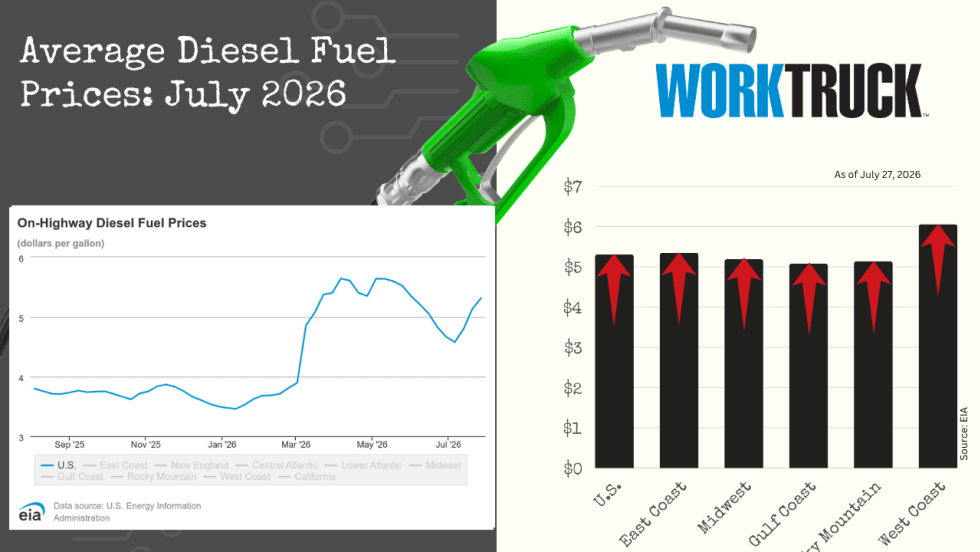
July Diesel Trends Update
The average price of a gallon of diesel increased again this week, and the EIA reported a new national average of $5.31 at the start of the week.
Read More →
WEX Brings Standard Fleet's Connected Vehicle Platform to Fleet Customers
This week’s product launch with Standard Fleet’s connected vehicle platform reflects WEX Venture Capital's strategy of turning startup innovation into customer solutions. Standard Fleet is now available to WEX fleet customers.
Read More →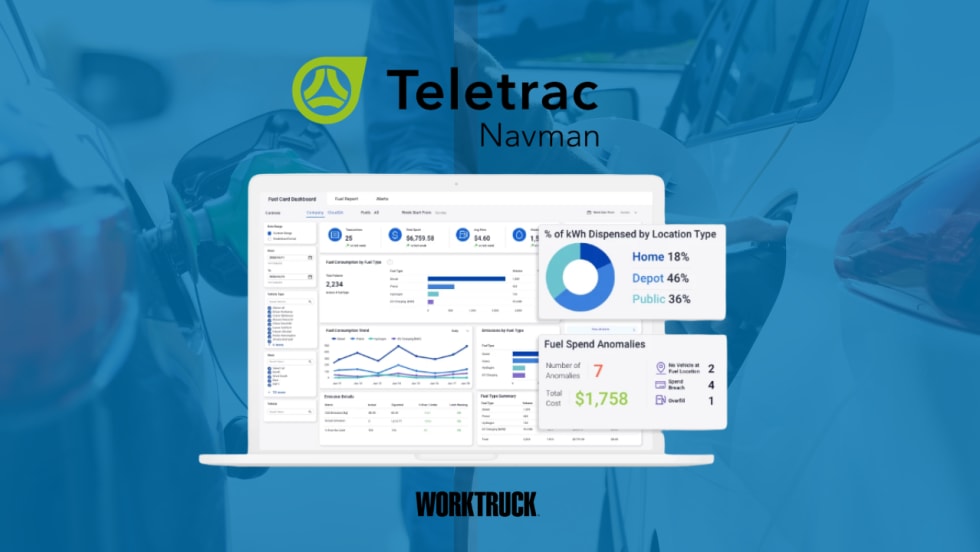
Teletrac Navman Adds Mixed-Energy Fleet Tools to TN360
The new Energy Hub combines fuel transactions, EV charging data, vehicle range, and energy costs in one dashboard for fleets operating multiple vehicle and energy types.
Read More →
WEX DriverDash adds CITGO, Expands Nationwide Access for Fleets
The DriverDash mobile payment app, by WEX, has been integrated into the CITGO merchant network, which means WEX has expanded its U.S. station footprint with the addition of approximately 4,000 CITGO locations.
Read More →
Mixed Energy Fleet Tips for Balancing EVs, Gas and Diesel Vehicles
Mixed energy fleets are becoming the new normal. Learn how fleet managers are balancing EVs, gas and diesel vehicles while controlling costs and planning for the future.
Read More →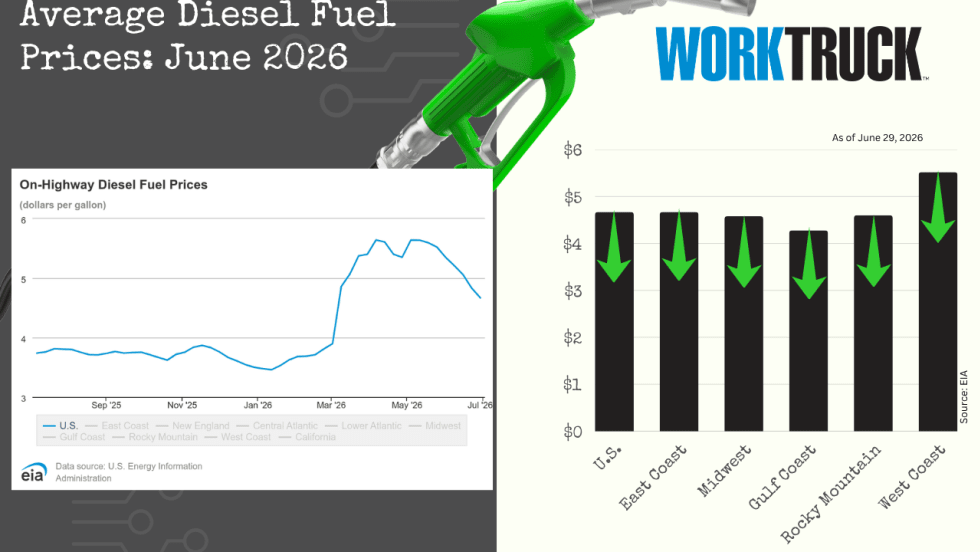
June Diesel Trends Update
The national average price of a gallon of diesel has dropped again, this week by more than 16 cents. All five regions reported lower average prices, ranging from almost 13 cents to more than 28 cents cheaper than a week ago.
Read More →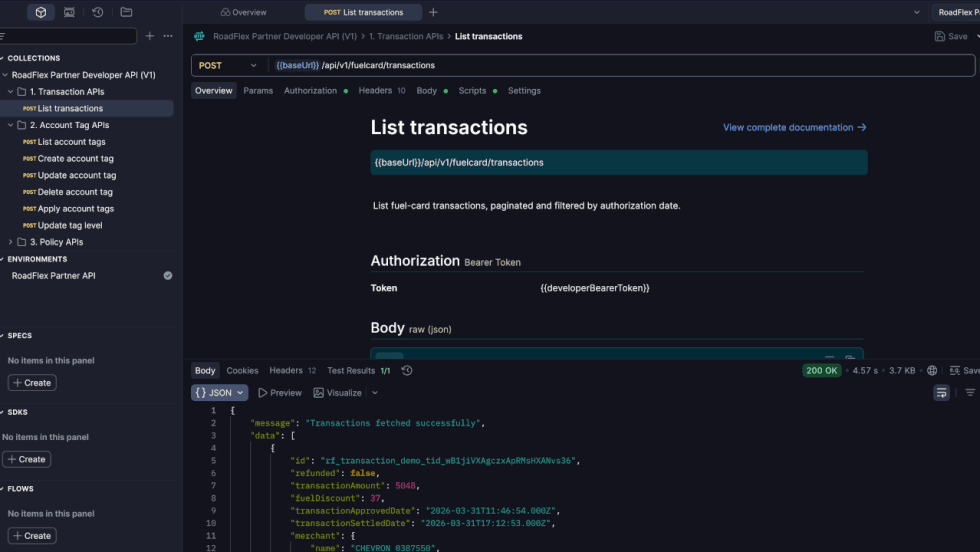
RoadFlex Launches RoadFlex Direct Open API Platform
RoadFlex Direct connects fuel cards, controls, and data to the telematics and fleet management systems fleets already run, from Geotab and Samsara to Fleetio and RTA, with no separate dashboard or double data entry.
Read More →
The Key to Fuel Efficiency Sits in the Cab
Learn how driver behavior, telematics, coaching, and fuel data can help fleets improve fuel efficiency, lower costs, and reduce emissions.
Read More →