




Watch: Common Misconceptions About Fuel Spend Management Solutions
OptiMile Pro Launches Fuel Planning Platform to Cut Fleet Fuel Spend
OmtiMile Pro’s new software replaces the "fill up when empty" habit with a globally optimized fuel plan that picks the cheapest stop in the fleet's contracted network and the precise amount of fuel to load on every run.
from News/Media Release
May 20, 2026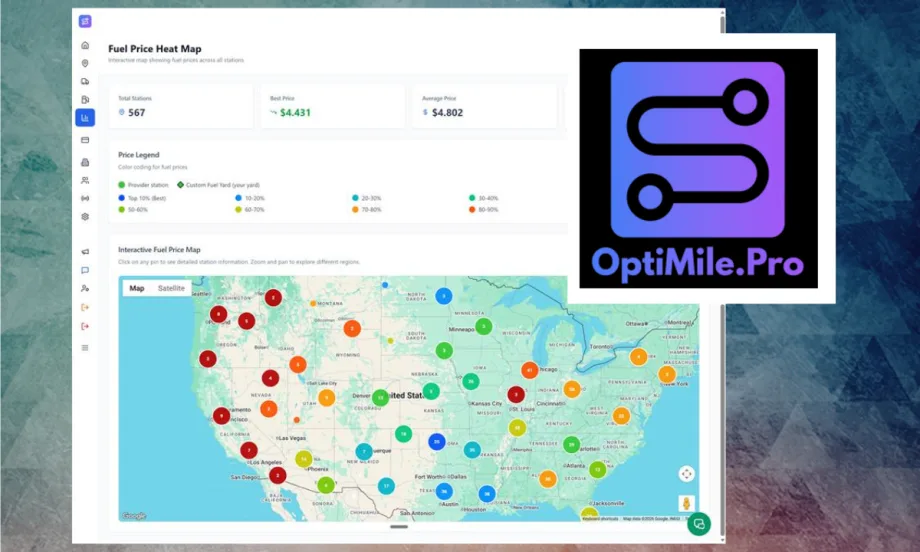
OptiMile Pro helps fleets save on fuel by not only routing drivers to the most affordable option but also providing guidance on how much fuel to purchase, rather than drivers always filling the tank completely.
Credit:
OptiMile Pro | Work Truck
4 min to read
OptiMile Pro’s fuel planning platform is now available for fleets, including over-the-road trucking fleets and other fleets that operate across state lines. Some fleets still plan fuel manually, rely on driver habits, or use basic fuel-price visibility that doesn't account for the full cost of the trip.
OptiMile Pro replaces all three with a globally optimized fuel plan generated before the truck rolls. It tells dispatchers and drivers exactly which stops to make and how many gallons to load at each one, based on the carrier's contracted rates, the route, tank capacity, detours, trip requirements, each driver's actual MPG, and nearly 50 other variables.
Early customers are seeing fuel cost reductions of 11 to 17%, OptiMile reported. Across the U.S. trucking industry, which burns roughly 38 billion gallons of diesel a year, that range represents more than $20 billion in annual fuel spend that fleets pay for but don't have to. OptiMile said the platform also collapses fuel planning from hours to seconds, freeing dispatch teams from a task most still do on spreadsheets.
The "Fill Up When Empty" Problem
OptiMile said some fleets still fuel the way they did 20 years ago: drivers top off the tank when it gets low, at the closest station along the route.
Even fleets with sophisticated fuel networks and negotiated discounts leave money on the table on every run, OptiMile said, because the choice of where and how much to buy is made by gut feel rather than optimized across every trip.
“If your drivers fill up when they're nearly empty, there's a 100% chance you're spending more than you have to on fuel,” said Preston Reynolds, founder of OptiMile Pro. “Building a truly optimized fuel plan means evaluating millions of stop-and-fill combinations across every route, with prices that change daily and a different state-tax math at every border. The math is simply too complex for humans to do reliably, so most fleets settle for ‘good enough’ and end up spending up to 30% more than they need to.”
How OptiMile Pro Works
OptiMile Pro connects to a fleet's existing fuel contracts (including major networks like Love's Travel Stops, Pilot Flying J, and TA/Petro) and applies a one-of-a-kind globally optimal algorithm across every route. The platform doesn't just pick the cheapest station; it determines the precise amount of fuel to load at each stop, so the truck reaches the next station that's cheaper per gallon.
Here are three recent routes that were run on the platform:
- Seattle, Washington, to Dallas, Texas: $799 saved, 27.9% below the carrier's baseline cost
- Long Beach, California, to Syracuse, Utah: $252 saved, 32.3% below baseline
- Salt Lake City, Utah, to Denver, Colorado: $133 saved, 35.8% below baseline
State fuel taxes are part of the math, too.
Under the International Fuel Tax Agreement (IFTA), interstate carriers pay fuel tax based on miles driven per state, not gallons purchased there. OptiMile said that means the price posted on the pump isn't the real cost of fuel.
With diesel hitting record highs near $5.50 per gallon nationally, that gap matters more than ever. Between a station in Illinois posting $5.42 per gallon and a station in Indiana posting $5.55 per gallon, generally looks like an easy choice for most dispatchers. After IFTA tax adjustment, though, Illinois at roughly $0.43 per gallon in state tax, Indiana at roughly $0.61, the Indiana station is actually cheaper at $4.94 versus $4.99 on a true-cost basis.
OptiMile Pro applies that math automatically to every stop on every route, then layers fill-amount optimization on top. Once the plan is generated, OptiMile Pro delivers fuel instructions to drivers by SMS. Quickly coming features will also tell operations teams how well drivers are adhering to the plan.
“Fleets have more fuel data than ever, but data alone doesn't produce the cheapest plan,” Reynolds said. “OptiMile Pro turns route, truck, and fuel-network information into clear instructions that dispatch teams and drivers can actually follow to save piles of cash from being burned unnecessarily.”
What OptiMile Pro Handles for You
OptiMile Pro is designed to fit inside a fleet's existing operations. No new hardware. No driver retraining. No change to fuel contracts, dispatch software, drivers, routes, or delivery schedules.
OptiMile’s team will even handle the integration work for your fleet and connect the platform to the carrier's existing TMS and telematics systems directly. The only thing that changes operationally is which fuel stops drivers visit within the carrier's network, and how much they buy at each one.
30-Day Money-Back Guarantee
OptiMile is backing the launch with an unusual guarantee for B2B SaaS: if a fleet does not realize measurable fuel savings exceeding its OptiMile Pro subscription cost within the first 30 days, the fleet doesn’t pay anything.
“If we can't help a fleet make noticeable savings on their own routes in their first month, we don't deserve their money,” Reynolds said.
More Fuel

The Smart Way to Build a Mixed-Energy Fleet Isn’t About Picking a Side
Mixed-energy fleets aren’t about picking a winning fuel. Sarah Booth of WEX explains how vehicle data, duty cycles, charging strategy, and real-world costs can help fleets choose the right energy source for each job.
Read More →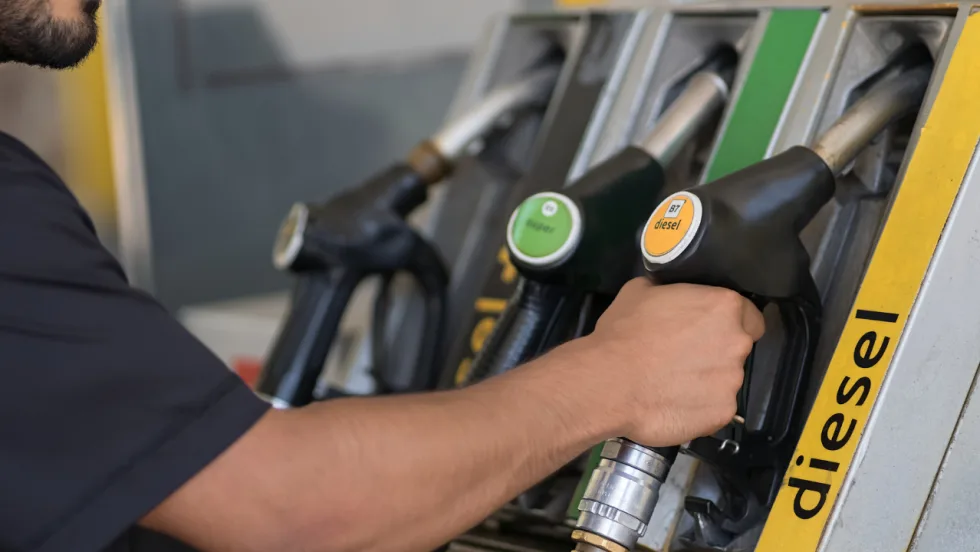
Ignoring This Dashboard Warning Could Cost Your Fleet Thousands in Fuel
New research suggests neglected diesel aftertreatment systems could waste up to $30 in fuel per vehicle each day. Here's why vocational fleets should pay attention.
Read More →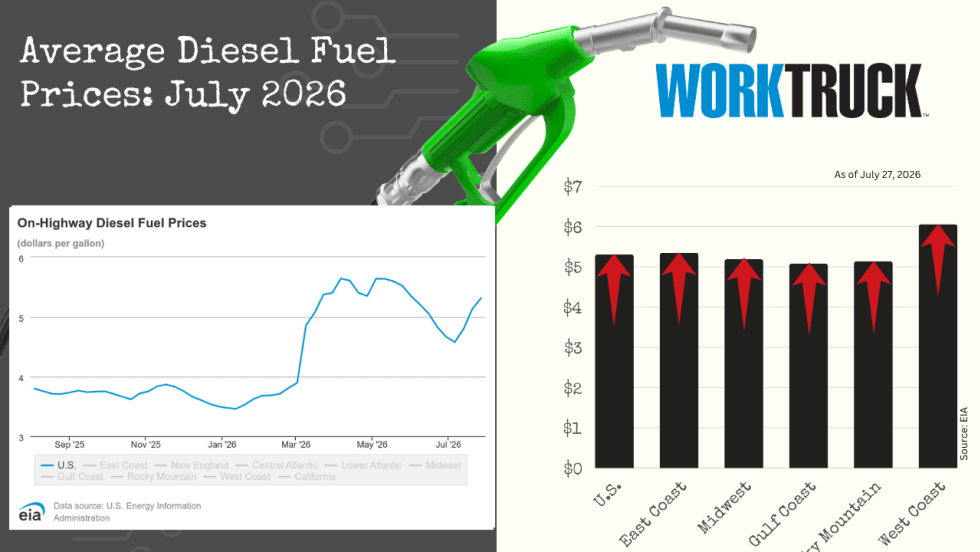
July Diesel Trends Update
The average price of a gallon of diesel increased again this week, and the EIA reported a new national average of $5.31 at the start of the week.
Read More →
WEX Brings Standard Fleet's Connected Vehicle Platform to Fleet Customers
This week’s product launch with Standard Fleet’s connected vehicle platform reflects WEX Venture Capital's strategy of turning startup innovation into customer solutions. Standard Fleet is now available to WEX fleet customers.
Read More →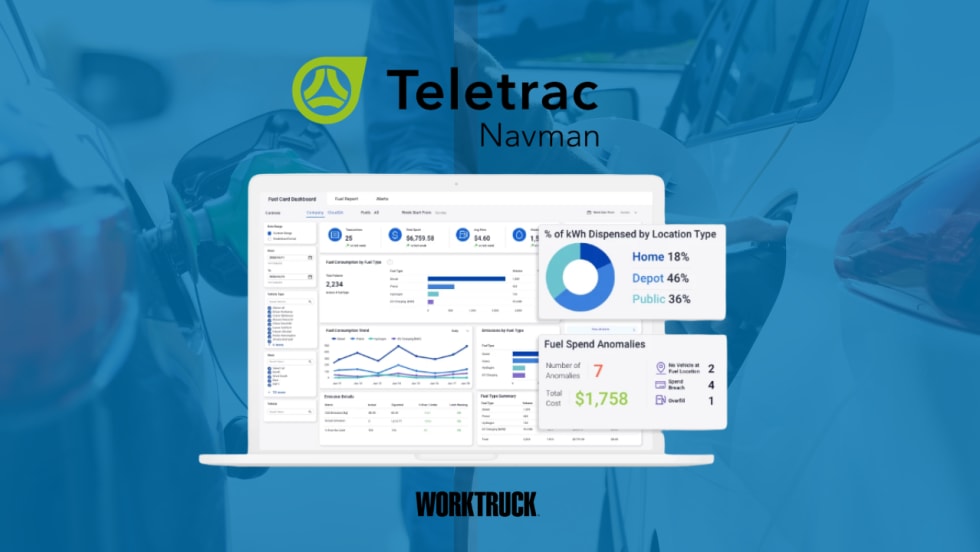
Teletrac Navman Adds Mixed-Energy Fleet Tools to TN360
The new Energy Hub combines fuel transactions, EV charging data, vehicle range, and energy costs in one dashboard for fleets operating multiple vehicle and energy types.
Read More →
WEX DriverDash adds CITGO, Expands Nationwide Access for Fleets
The DriverDash mobile payment app, by WEX, has been integrated into the CITGO merchant network, which means WEX has expanded its U.S. station footprint with the addition of approximately 4,000 CITGO locations.
Read More →
Mixed Energy Fleet Tips for Balancing EVs, Gas and Diesel Vehicles
Mixed energy fleets are becoming the new normal. Learn how fleet managers are balancing EVs, gas and diesel vehicles while controlling costs and planning for the future.
Read More →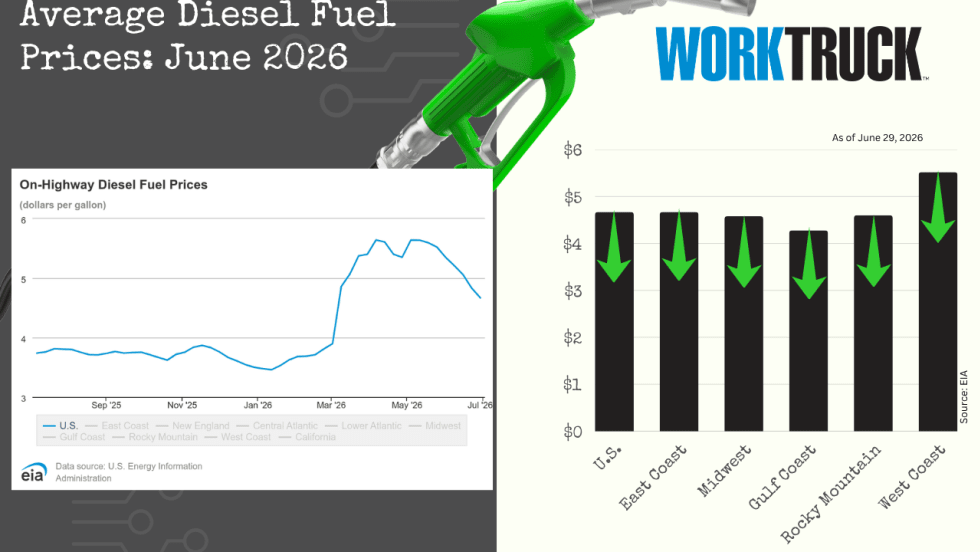
June Diesel Trends Update
The national average price of a gallon of diesel has dropped again, this week by more than 16 cents. All five regions reported lower average prices, ranging from almost 13 cents to more than 28 cents cheaper than a week ago.
Read More →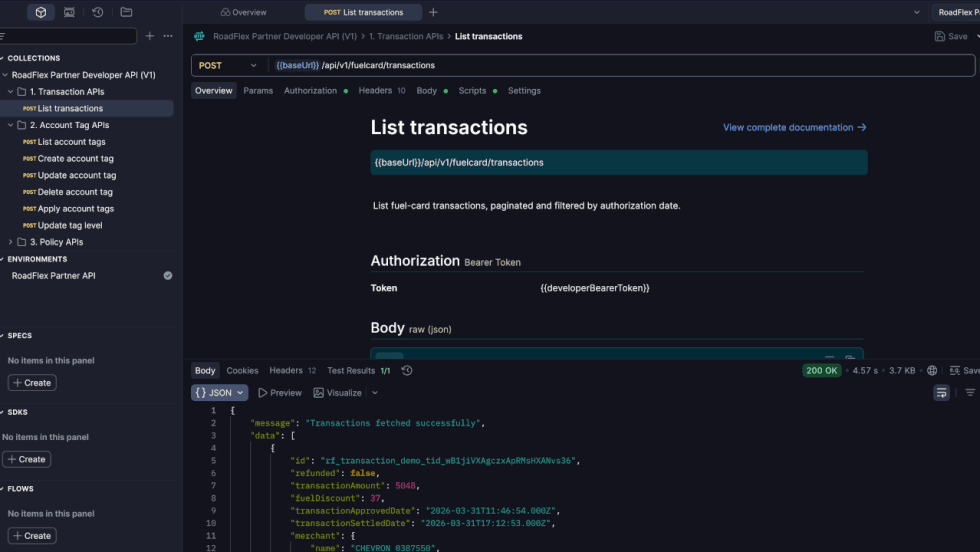
RoadFlex Launches RoadFlex Direct Open API Platform
RoadFlex Direct connects fuel cards, controls, and data to the telematics and fleet management systems fleets already run, from Geotab and Samsara to Fleetio and RTA, with no separate dashboard or double data entry.
Read More →
The Key to Fuel Efficiency Sits in the Cab
Learn how driver behavior, telematics, coaching, and fuel data can help fleets improve fuel efficiency, lower costs, and reduce emissions.
Read More →