




Learn More About Truck Classes: A Guide to Vehicle Classes and Uses
New Proposed Rule for Trucks Over 10,000 lbs.
Notice of Proposed Rule making will require AEB systems on vehicles over 10,000 lbs.

Hillary Weiss・Senior Editor

Advanced Emergency Braking systems will be required on heavy trucks, passenger cars, and light trucks.
Photo: Work Truck
2 min to read
In May, the U.S. Department of Transportation’s National Highway Traffic Safety Administration announced a Notice of Proposed Rulemaking requiring Advanced Emergency Braking (AEB) systems on passenger cars and light trucks.
And in June, another rule was proposed for AEB systems on heavy trucks as well.
The proposed rules are expected to dramatically reduce crashes associated with pedestrians and rear-end crashes.
But will this affect the work truck industry? Yes — under the new law, new commercial trucks over 10,000 pounds must have automatic emergency braking systems and stability control systems.
What Is AEB Systems?
AEB goes beyond the driver's capabilities, automatically applying the brakes when necessary and supplementing the driver's braking efforts to avert potential disasters on the road.
Using the inputs from the sensors, an AEB system analyzes various parameters such as the vehicle's speed, distance from surrounding objects, and relative motion to determine the likelihood of an impending crash.
With its fast-processing capabilities, the system accurately evaluates the criticality of the situation, leaving no room for error.
When the AEB system identifies an imminent collision and detects that the driver has not initiated braking, it takes immediate action.
Additionally, in cases where the driver's braking efforts are insufficient, the AEB system supplements them by increasing braking force, thereby optimizing the chances of avoiding or reducing the severity of the crash.
According to NHTSA Chief Counsel Ann Carlson, “Our proposed rule would require all cars to be able to stop and avoid contact with a vehicle in front of them up to 62 miles per hour. And the proposal would require pedestrian AEB, including requiring that AEB recognize and avoid pedestrians at night.”
What the Rule Means for the Work Truck Industry
The proposed rule will apply to newly manufactured vehicles. It will not require existing ones to be retrofitted.
According to FMVSS No. 136, it will apply in a two-tiered phase:
Vehicles with a gross vehicle weight rating over 26,000 pounds, would have to be manufactured with AEB beginning the first September three years after the final rule is published.
Vehicles not subject to ESC rules (10,001-26,000 pounds) would have an additional year.
Want to stay up to date on the latest medium-duty work truck news? Make sure to subscribe to our eNewsletter to get the latest updates! Sign up here.
More Safety & Compliance

Recalls You Need to Know About in October 2026
In October 2026, what recalls might impact your fleet? Work Truck has the answers in this comprehensive overview of recent NHTSA recalls.
Read More →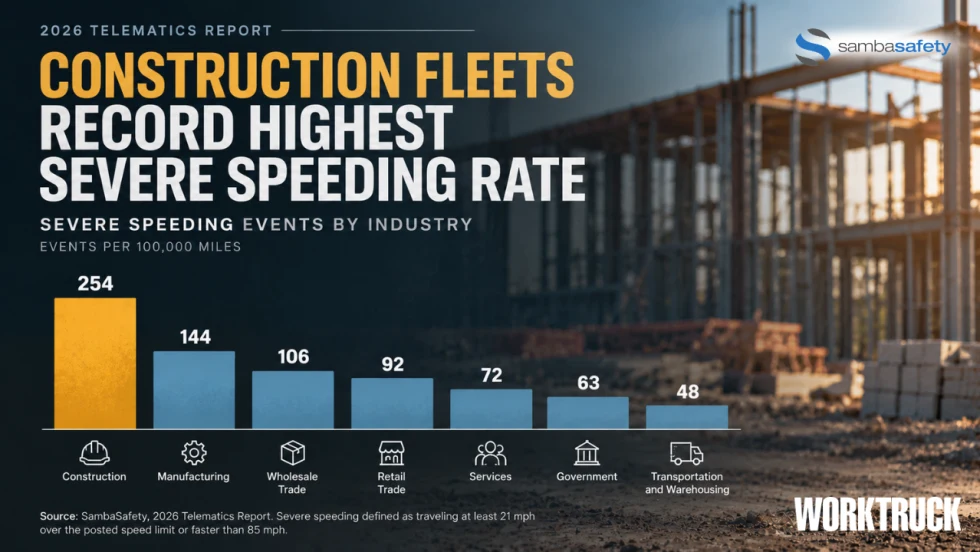
Construction Fleets Show Telematics Adoption Alone May Not Reduce Driving Risk
SambaSafety found construction fleets monitor roughly 92% of their vehicles but recorded the highest severe speeding rate among industries studied.
Read More →
Lytx Launches 360 Hub Kit for Expanded Fleet Camera Visibility
Lytx’s new AI-ready gateway and HD auxiliary camera ecosystem, the Lytx 360 Hub Kit, extends visibility across side, rear, cargo, and blind-zone views to help fleets see more and respond faster.
Read More →From Our Partners



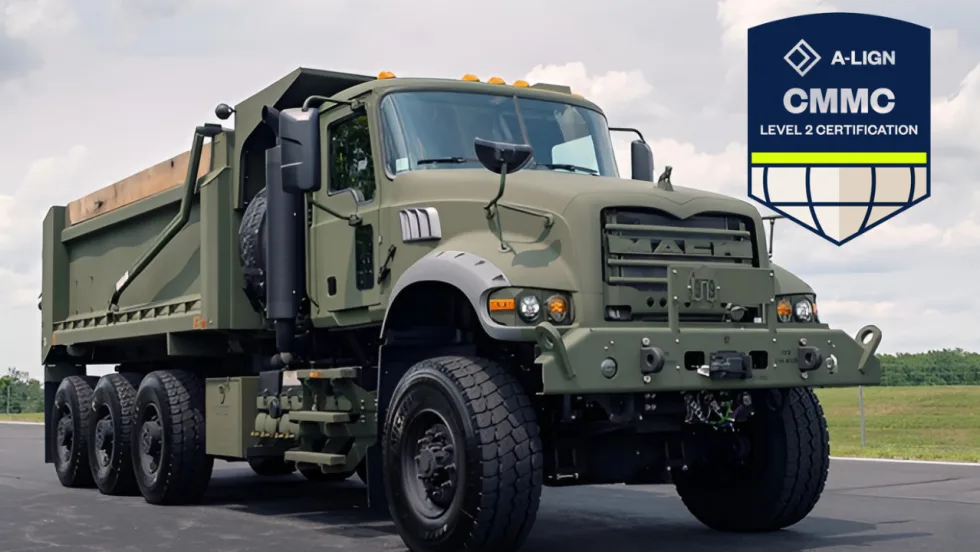
Mack Defense Achieves Cybersecurity Maturity Model Certification Level 2
After an assessment conducted by an authorized Certified Third-Party Assessment Organization (C3PAO), Mack Defense has achieved Cybersecurity Maturity Model Certification (CMMC) Level 2.
Read More →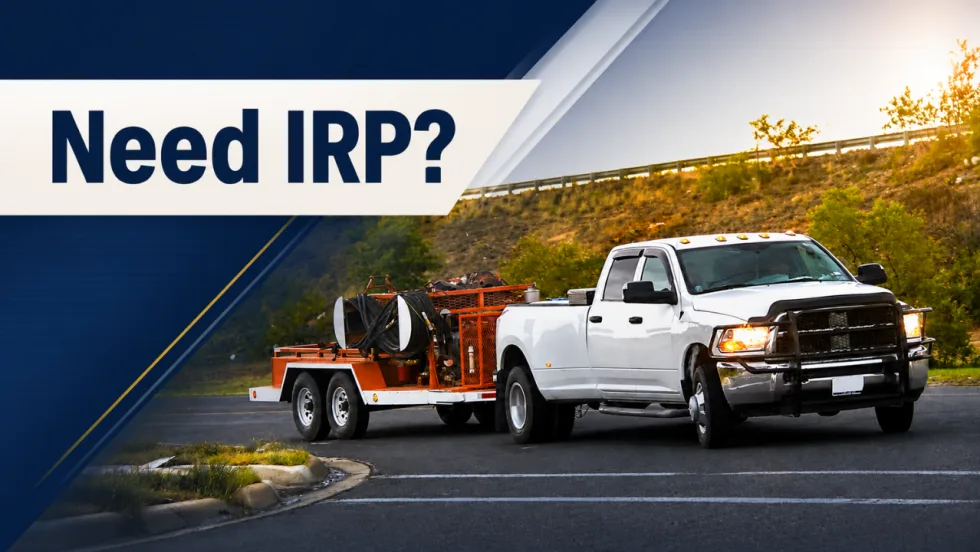
When Work Trucks Under 26,001 Pounds Need IRP Registration
Think trucks under 26,001 pounds are automatically in the clear when it comes to IRP? Not always. Learn where lighter vehicles can still run into trip permit, apportioned registration, and IFTA compliance requirements when crossing state or provincial lines.
Read More →
Smith System Wants Work Truck Fleets to Look Beyond the Driver Alert
Smith System’s new Driver Risk Management program is built to help mixed work truck fleets turn telematics alerts and observations into specific behaviors, coaching actions, and measurable follow-up.
Read More →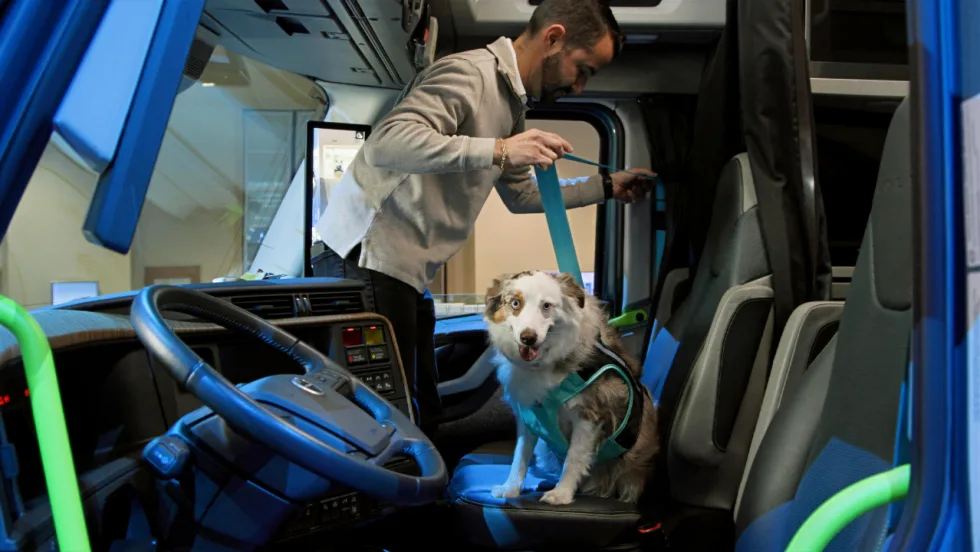
Volvo Trucks Releases New Safety Recommendations for Traveling with Pets
One of the most important recommendations for professional drivers traveling with pets is to ensure pets are properly restrained while the truck is moving. Other tips are available in the new guide from Volvo Trucks North America and Center for Pet Safety.
Read More →
Are Work Truck Drivers Warming Up to Dash Cams and GPS Tracking?
A new survey finds field-service drivers may be more comfortable with dash cams and GPS tracking than fleet managers think, especially when the technology helps protect them after a crash.
Read More →
Recalls You Need to Know About in September 2026
If you have Altec, Chrysler, Ford, Heil, General Motors, International, Mack Trucks, Paccar, Rivian, Royal Truck, Toyota, US Truck Body, or Volvo Trucks vehicles in your fleet, you should check these important recalls issued by the National Highway Safety Administration.
Read More →
API Issues Refueling Safety Guidelines
The American Petroleum Institute offers a list of safe vehicle refueling guidelines, including ways to avoid potential problems with static electricity discharges in fall, winter, and early spring.
Read More →