




New Financing Tool for Volvo Electric Trucks
Volvo Trucks North America has introduced a new electromobility total cost of ownership tool.

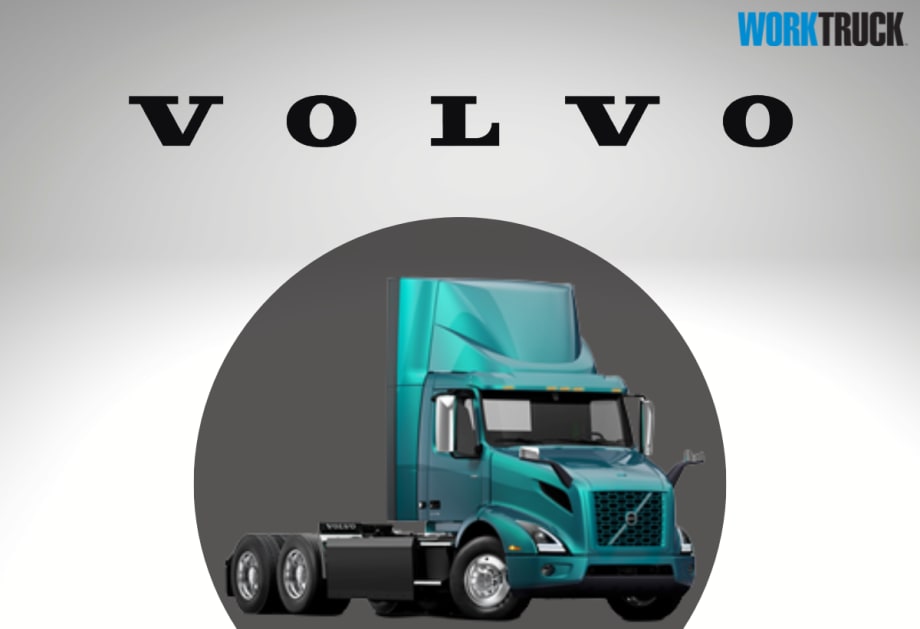
Volvo's electromobility TCO tool is available for Certified Electric Vehicle dealerships.
Photo: Volvo/Work Truck
Volvo Trucks North America has introduced a new tool.
The electromobility total cost of ownership (TCO) tool supports customers to make fact-based decisions about the business impact of purchasing and operating zero-tailpipe emission battery-electric trucks.
The TCO tool, now available for Volvo Trucks Certified Electric Vehicle (EV) Dealerships throughout North America, is part of Volvo Trucks’ concierge approach to electromobility, which includes helping customers implement solutions that achieve both economic and environmental, social, and governance (ESG) goals.
Peter Voorhoeve, president, Volvo Trucks North America said, “When evaluating the investment of deploying a truck into your fleet, the purchase price is only one factor. While battery-electric trucks currently require a higher up-front purchasing investment than traditional diesel trucks, customers can benefit from available funding and incentive programs.”
He added, “Additionally, electric trucks eliminate many of the standard maintenance requirements compared to diesel trucks and offer managed charging costs, and the ability to make meaningful progress toward sustainability goals. Our electromobility TCO tool helps customers to understand and evaluate the full impact of their fleet purchasing decisions.”
Benefits of the Electromobility Total Cost of Ownership Tool
Evaluating the TCO of operating a commercial vehicle requires the consideration of multiple fixed and variable costs throughout the vehicle’s lifetime, including purchase price, maintenance, fueling, funding, tax credits, and other factors.
Through the TCO tool, prospective electric adopters can see the bigger picture, allowing for better long-term purchasing decisions that help promote the decision to transition to zero-tailpipe emission transportation solutions.
When all these factors are evaluated, the TCO tool provides fleets with a transparent projection and comparison of the lifetime cost between battery-electric trucks and their diesel counterparts — including costs for repairs and maintenance, the current price of diesel fuel and electricity, and the estimated cost to purchase and install fueling or charging infrastructure.
Through its many proprietary features, the tool shows customers how local, state, and federal incentives on trucks and charging infrastructure can impact the long-term TCO.
In areas such as California, where significant funding and incentives are available for zero-tailpipe emission vehicles, the purchase of a battery-electric truck can be even more beneficial to customers due to reduced upfront purchasing costs.
The TCO tool is utilized by the sales teams at Volvo Trucks Certified EV Dealerships to ensure that customers are professionally guided through the decision-making process for investing and transitioning toward electromobility solutions.
With a diverse set of tools, including TCO, route-planning, and connected technology tools, it will be much more robust for customers to evaluate the necessary information before starting the electromobility journey.
By leveraging the details about each fleet’s operations, the TCO tool will also show customers the projected potential CO2 reductions that can be achieved by adopting Volvo VNR Electric trucks.
To add it its electrification journey, Volvo Trucks North America also offers a new program for customers. The program is for those with electric trucks. Electric truck chargers can easily be obtained now through their dealers with the Vendor Direct Shipping program.
More Technology & AI
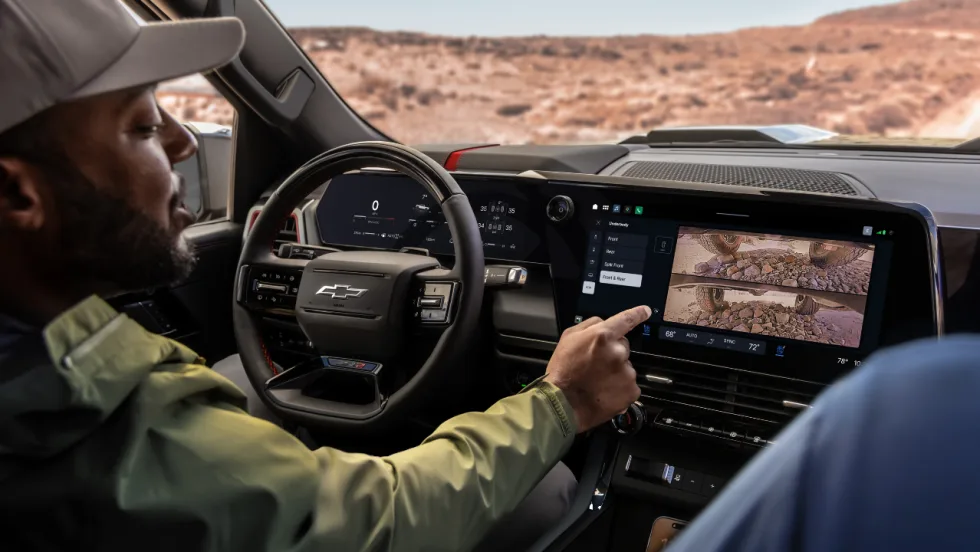
GM Brings New Truck Focused Interface to 2027 Silverado and Sierra
GM's new pickup interface puts trailering data, camera views, vehicle controls, and smartphone integration closer to the driver in the 2027 Silverado and Sierra.
Read More →
Samsara Driver Perks Expands Rewards Beyond the Long Haul Driver
Samsara’s new driver rewards program was built with a broader professional driver in mind, including employees who split their day between driving, job sites, service calls, and other work.
Read More →
AI Service Advisor Aims to Cut Fleet Repair Downtime
Fleetio said its AI Service Advisor can help fleets cut repair downtime by an average of 2.5 hours per repair while reducing manual maintenance work.
Read More →From Our Partners



Verra Mobility Launches AI-Driven Title & Registration Solution
Verra Mobility has launched a new AI-driven Title & Registration platform to help fleets move vehicles from acquisition to the road the same day while reducing compliance risk.
Read More →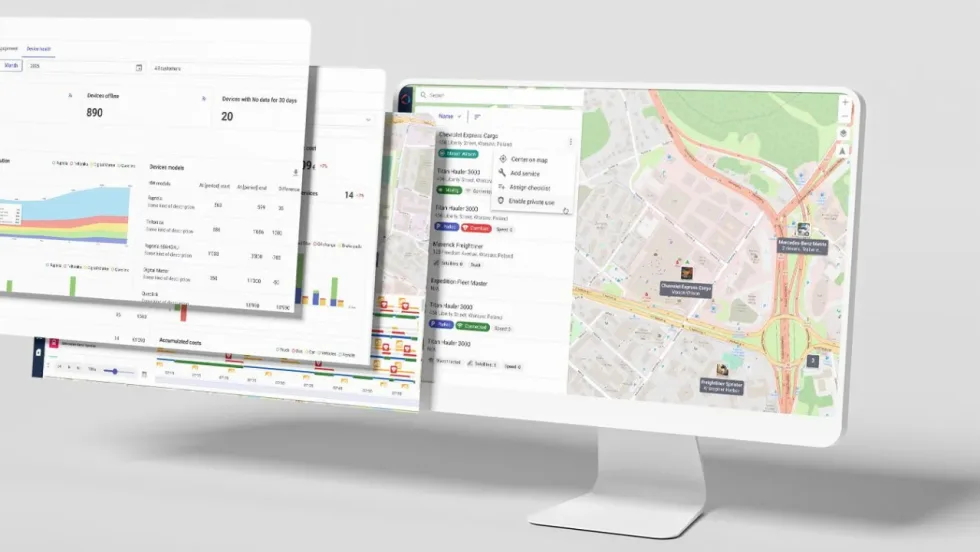
Wialon Unlocks OEM Data to Give Fleet Owners Data Ownership & Operational Clarity
Wialon has introduced hardware-free OEM integration as the EU Data Act accelerates the shift in vehicle data access across the fleet industry in many countries.
Read More →
Teletrac Navman Promotes New CEO from Within
Teletrac Navman’s next CEO, Ricardo Buranello, has served as the company’s chief financial and operating officer. He brings deep financial and operational expertise, a strong strategic orientation, and an intimate knowledge of the business to his new role.
Read More →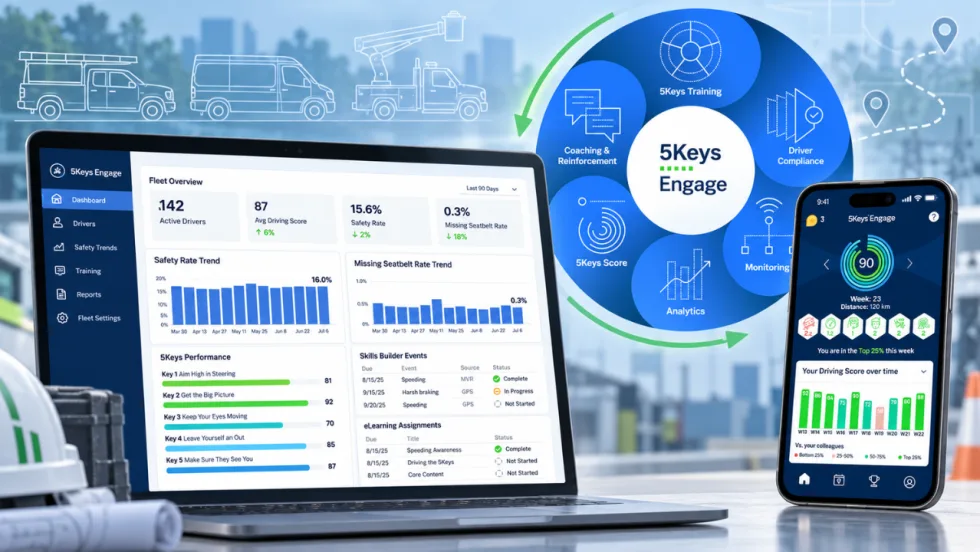
Smith System Wants Work Truck Fleets to Look Beyond the Driver Alert
Smith System’s new Driver Risk Management program is built to help mixed work truck fleets turn telematics alerts and observations into specific behaviors, coaching actions, and measurable follow-up.
Read More →
Ford Pro Software Updates: August 26
Check out the latest Ford Pro software updates, including Google Maps integration, Remote Vehicle Alarm integration, Motor Pool for easier management of shared pool vehicles, and more.
Read More →
Where AI Is Actually Saving Fleet Managers Time
AI is moving past the buzzword stage and into the daily fleet workflow. Fleetio’s Brianna Perry Lang breaks down where fleets are seeing real time savings, from maintenance and data entry to repair decisions, safety, and compliance
Read More →
Are Work Truck Drivers Warming Up to Dash Cams and GPS Tracking?
A new survey finds field-service drivers may be more comfortable with dash cams and GPS tracking than fleet managers think, especially when the technology helps protect them after a crash.
Read More →