





Related: Netradyne Captures 1 Billion Minutes and 500 Million Miles of Data
Netradyne Maps 1 Billion Miles, Captures 3 Billion Minutes of Video
Driveri has mapped data from vehicles traveling more than 1 billion miles on U.S. roads, including 1.8 million unique miles.
July 21, 2020

The Driveri system leverages a four-camera system looking both within and outside the vehicle, continuously analyzing driving scenes and road data while monitoring drivers for driving behavior.
Photo: Netradyne
2 min to read
Netradyne, a provider of artificial intelligence (AI) and edge computing focusing on driver and fleet safety, announced that Driveri has mapped data from vehicles traveling more than 1 billion miles on U.S. roads, including 1.8 million unique miles, more than any other vision-based driving system, according to the company.
This data is collected by the Driveri system deployed in fleet vehicles around the US, driven by professional drivers and includes numerous passes over the same roads to provide deeper insights into how driving and different road conditions may change in hours, days and weeks, not mapped over the course of many years.
Additionally, the company has tracked nearly 3 billion minutes of vision-based driving data. It was just back in January that the company announced 1-billion minutes of data.
The Driveri system leverages a four-camera system looking both within and outside the vehicle, continuously analyzing driving scenes and road data while monitoring drivers for driving behavior using AI embedded directly into the edge computing device. It captures road and traffic scenarios such as commercial driveways, temporary road closures, frontage roads, school zones and more.
"In addition to mapping more than a billion miles, we are creating a unique database from which to study the trends and patterns regarding accidents and changing roads,” said Avneesh Agrawal, chief executive officer of Netradyne. “This rich data not only is critical for fleet companies and insurers to make our roads safer, but ultimately this data will be immensely valuable to the systems of autonomous vehicles, where the training data is imperative. Lives literally are at stake, our data can be used to help train AV ecosystems which currently must rely on pricey surveys, specialized equipment, and human review; rather, they can lean on the data collected by our Driveri platform in order to gather real-time insights and alerts that will improve safety and optimize overall fleet operations. The more miles humans are safely able to drive today will help the autonomous vehicles of the future drive safely, but only if we have the data to use to train those future systems.”
Netradyne’s dynamic maps are generated in real-time and crowd-sourced from Driveri devices that are deployed in commercial vehicles. Using proprietary real-time computer vision algorithms on the edge, and crowd sourcing in the cloud Netradyne is able to generate and rapidly update maps without requiring any human intervention.
More Technology & AI
Fleet Downtime, Truck Theft, and Electric Growth Lead This Month
Where is your fleet losing time? This Truck Chat recap connects repair delays, theft risks, storm planning, and lessons from scaling electric trucks.
Read More →
HCSS Partners with Verizon Connect to Deliver Fleet Intelligence for Construction Fleets
HCSS has integrated with Verizon Connect to provide near real-time fleet insights so contractors can spend less time tracking assets and more time keeping projects on schedule.
Read More →
How Fleets Can Use Technology to Fight Fuel Fraud
Fuel fraud and theft remain significant challenges for commercial fleets, whether the problem involves third-party fraud or driver misuse. In this video, David Abraham of WEX explains how SecureFuel uses vehicle geolocation, telematics, transaction information, and AI to help fleet managers identify suspicious fuel purchases and make more informed decisions.
Read More →From Our Partners
Basic Tracking vs Next Generation Fleet Technology
Sponsored by AT&T Business

5 Facts Every Fleet Manager Should Know About Embedded Telematics
Sponsored by Stellantis/Mobilisights

How AI Video Telematics Boosts Driver Safety and Helps to Avoid Unnecessary Costs
Sponsored by Verizon Connect

Charting the 8 Bottom-Line Benefits of Workforce Optimization
Sponsored by Verizon Connect

Can AI Agents Help Small Work Truck Fleets Do More With Less?
Motive's new AI Agents automate fleet safety, maintenance, compliance, and dispatch tasks. Here's how they work for smaller fleets, what managers control, and what early users are seeing.
Read More →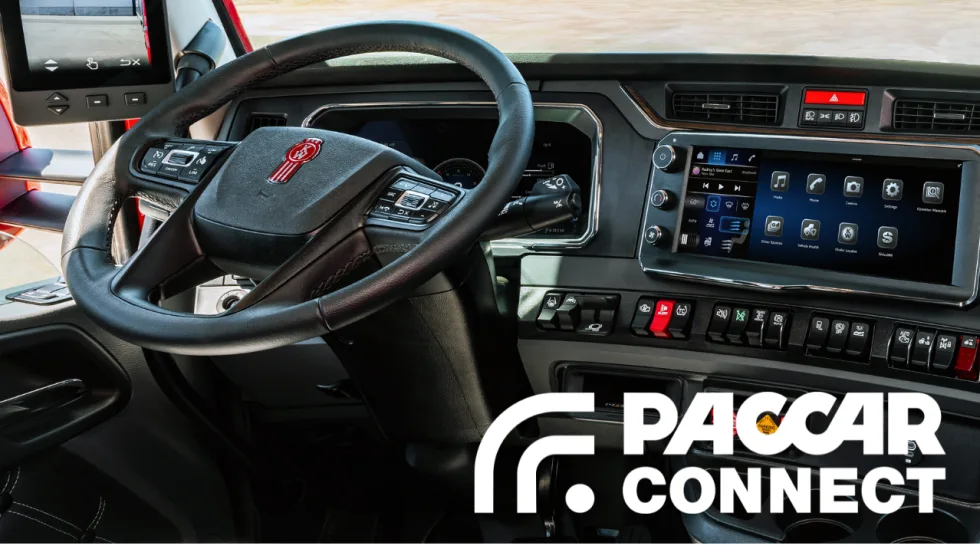
Paccar Launches Paccar Connect for Peterbilt and Kenworth Trucks
The new Paccar Connect offers touchscreen displays, telematics capabilities, and an expanding app ecosystem to boost productivity and streamline driver workflows.
Read More →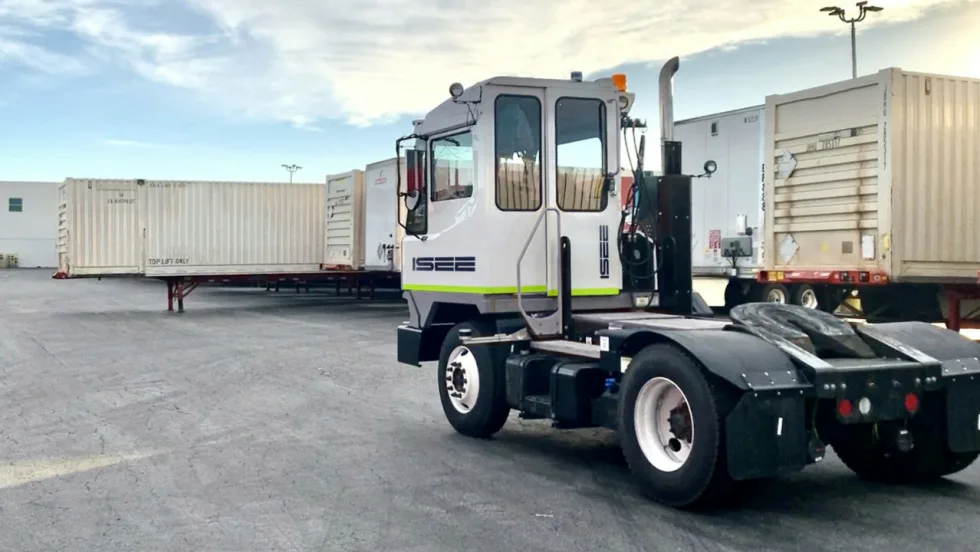
Holman and ISEE Partner to Expand Autonomous Yard Truck Operations
The partnership combines Holman's fleet management and upfitting capabilities with ISEE's autonomous driving technology to help businesses deploy and manage driverless yard trucks.
Read More →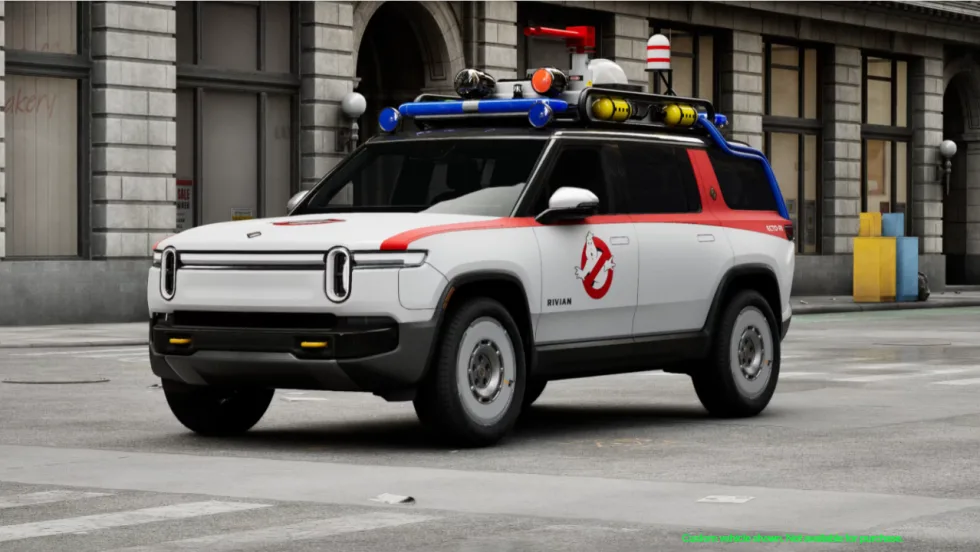
Who You Gonna Call? Rivian Turns Electric Vehicles Into Ghostbusters Rides
Rivian teams up with Sony Pictures for a Ghostbusters-inspired Halloween software update, complete with custom sounds, lighting effects, and a special Ecto-R1.
Read More →
The Second Trip and What Missing Tools Really Cost a Service Business
For service fleets, missing tools and equipment can lead to second trips, lost technician time, higher operating costs, and delayed jobs. Equipment tracking can help HVAC, plumbing, electrical, landscaping, and other service businesses improve visibility and reduce downtime.
Read More →
GeoFencing Adds to Your Truck Security Arsenal
Geofencing is a familiar fleet tool today, but its early adoption marked a major shift in vehicle tracking, route monitoring, and the debate over employee privacy.
Read More →
Geotab Data Shows Regional Trucking Growing Faster as Last Mile Routes Get Denser
Geotab's first U.S. supply chain report finds stable long-haul activity, stronger regional freight movement, tighter hub-and-spoke utilization, and more last-mile trips on shorter routes.
Read More →