





Learn More: Incorporating Driver Safety & Technology to Increase Retention
Netradyne Launches Smaller Dashcam: Driveri D-210
The D-210 in-cab camera joins Netradyne's flagship Driveri (now named D-410), a vision-based safety platform that combines artificial intelligence with video, advanced onboard sensors and edge computing to detect, reason and determine causality of events.
November 25, 2020
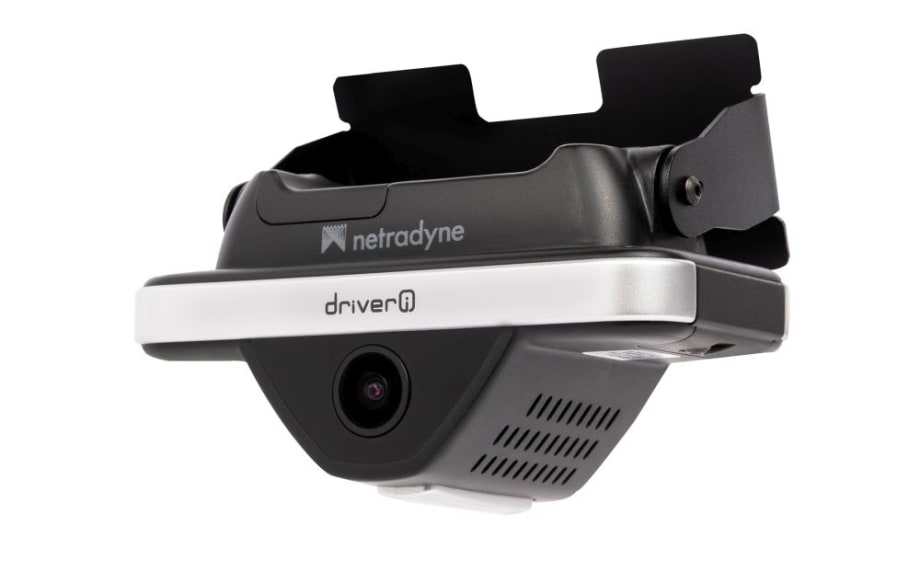
Designed with small and medium sized commercial vehicles in mind, the D-210 has a smaller form factor yet brings the same high performance and feature rich functionality of the D-410.
Photo: Netradyne
3 min to read
Netradyne, a provider of artificial intelligence and edge computing focusing on driver and fleet safety, announced the expansion of its Driveri product line with the introduction of the smaller Driveri D-210 in-cab camera.
The D-210 joins the flagship Driveri (now named D-410), a vision-based safety platform that combines artificial intelligence with video, advanced onboard sensors and edge computing to detect, reason and determine causality of events.
Designed with small and medium sized commercial vehicles in mind, the D-210 has a smaller form factor yet brings the same high performance and feature rich functionality of the D-410. With a 50% reduction in footprint, the D-210’s camera system consists of dual HD inward and outward cameras that support high quality video recording and real-time event playback.
Drivers and fleet managers have access to their performance in real-time through a mobile application and can track events in the moment and after the fact for coaching. Driveri customers have access to straightforward reports that can be used as the basis for safety rewards and improved performance.
“With the smaller footprint afforded by the new dual HD camera system in the D-210, we can now support any class of commercial vehicle with our industry leading Driveri devices and the full stack Netradyne platform,” said Avneesh Agrawal, chief executive officer of Netradyne. “The D-210 builds on the strong feature set of our flagship D-410 and enables drivers and operators of any fleet or vehicle class size to achieve real impacts in safety, productivity, and efficiency, all while achieving cost savings thanks to reduced incidents and the critical video recording and data sets for reported events.”
Powered by edge computing AI, Netradyne’s Driveri platform leverages a camera system looking both within and outside the vehicle which continuously analyzes driving scenes and road data while monitoring a driver’s behavior using AI embedded directly into the edge computing device. It captures diverse roads and traffic scenarios such as commercial driveways, temporary road closures, frontage roads, school zones and more. To date, the system has recorded over three billion minutes and more than one billion miles of mapped driving, "seeing" events that legacy "trigger-based" camera systems would not.
Among the first customers to deploy the D-210 is Aioi Nissay Dowa Insurance Services USA (AIS), a full-service insurtech insurance agency developing data science-based products and services for the future of transportation and the on-demand mobility industry.
“We evaluated many camera-based systems but we selected Netradyne based on the excellent AI-driven object detection and recognition that could also provide us with the precision-level data we need to assess driving risk and safety of a fleet vehicle in full context of the operating environment,” said Craig Lozofsky, chief operating officer at AIS. The company is in the process of deploying 300 units of the D-210 in a carshare fleet, underscoring the variety of fleet vehicles and applications Netradyne can support with the D-210.
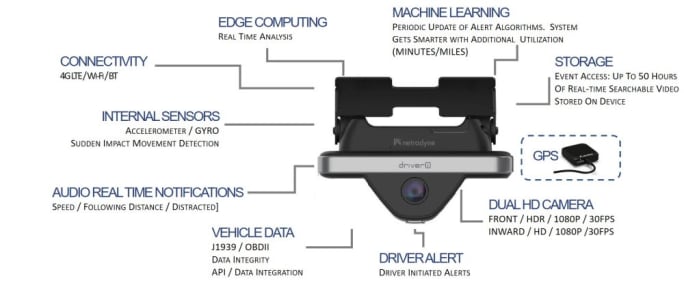
Powered by edge computing AI, Netradyne’s Driveri platform leverages a camera system looking both within and outside the vehicle which continuously analyzes driving scenes and road data while monitoring a driver’s behavior using AI embedded directly into the edge computing device.
Photo: Netradyne
“When it comes to improving both overall business costs and road safety, AI-based camera systems can protect every commercial vehicle regardless of class or miles driven,” said Adam Kahn, president, Fleet Business at Netradyne. “Whether you have a fleet of five or 5,000, increasing costs remain a challenge. A platform that uses a vision-based approach to collect and analyze data can help key stakeholders make sound decisions, mitigate costs and reduce risk while boosting fleet performance.”
Fleets using Driveri experience safety improvements immediately upon deployment, and many report building a culture of safety within their fleets as demonstrated by an average of 61% improvement in complying with Stop signs and 57% improvement in complying with traffic lights (based on cumulative Netradyne data over a two-year period). Additionally, a 2019 analysis of 4,360 vehicles traveling a combined 350 million miles shows a 45% reduction in accident frequency over a six-month time period, resulting in significantly reduced claims costs.
More Technology
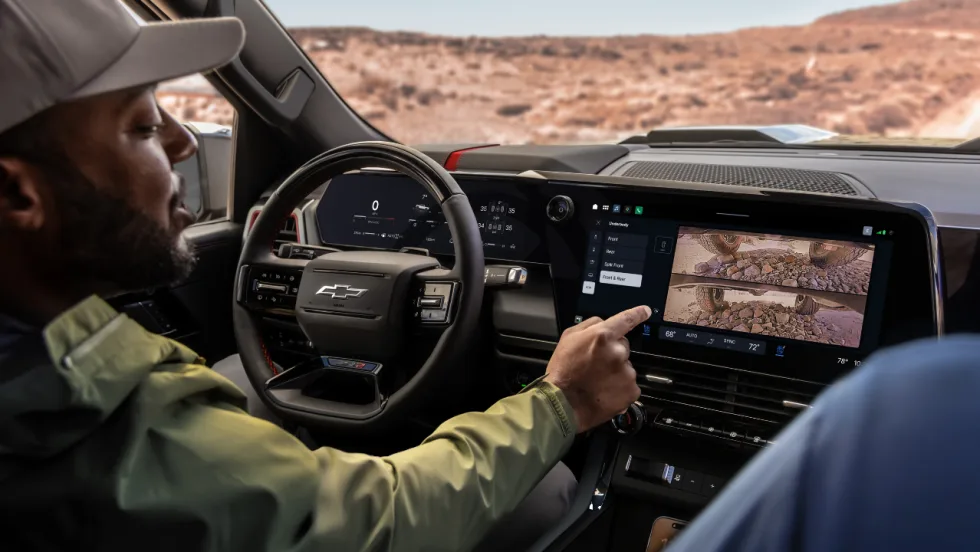
GM Brings New Truck Focused Interface to 2027 Silverado and Sierra
GM's new pickup interface puts trailering data, camera views, vehicle controls, and smartphone integration closer to the driver in the 2027 Silverado and Sierra.
Read More →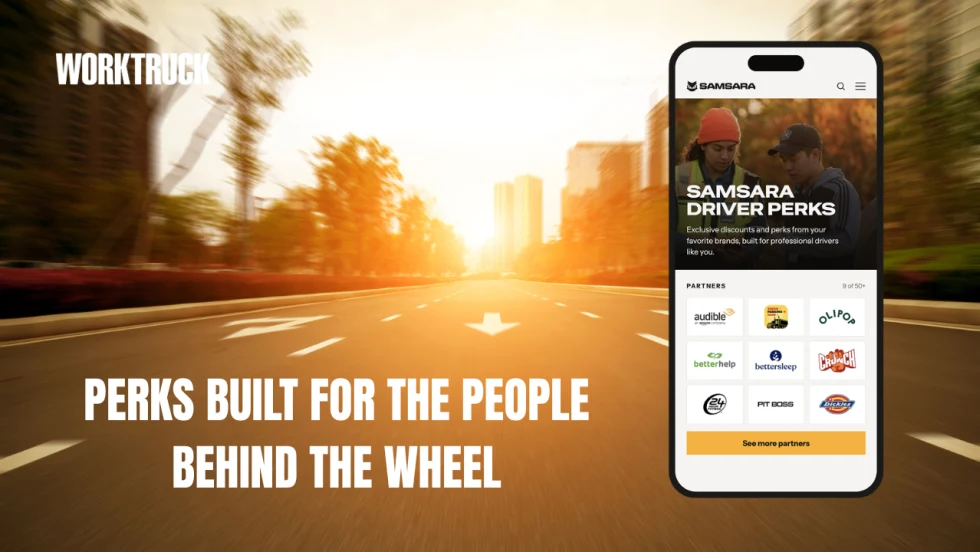
Samsara Driver Perks Expands Rewards Beyond the Long Haul Driver
Samsara’s new driver rewards program was built with a broader professional driver in mind, including employees who split their day between driving, job sites, service calls, and other work.
Read More →
AI Service Advisor Aims to Cut Fleet Repair Downtime
Fleetio said its AI Service Advisor can help fleets cut repair downtime by an average of 2.5 hours per repair while reducing manual maintenance work.
Read More →
Verra Mobility Launches AI-Driven Title & Registration Solution
Verra Mobility has launched a new AI-driven Title & Registration platform to help fleets move vehicles from acquisition to the road the same day while reducing compliance risk.
Read More →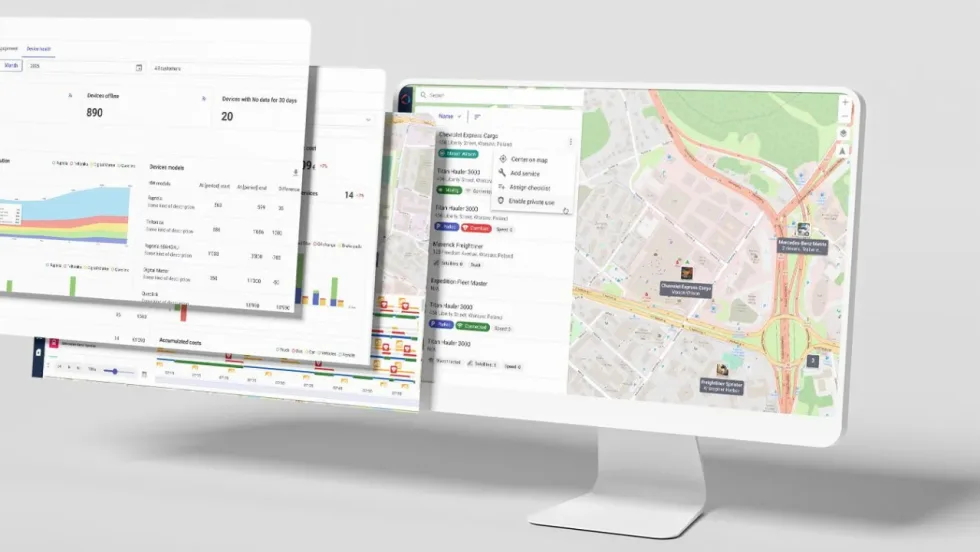
Wialon Unlocks OEM Data to Give Fleet Owners Data Ownership & Operational Clarity
Wialon has introduced hardware-free OEM integration as the EU Data Act accelerates the shift in vehicle data access across the fleet industry in many countries.
Read More →
Teletrac Navman Promotes New CEO from Within
Teletrac Navman’s next CEO, Ricardo Buranello, has served as the company’s chief financial and operating officer. He brings deep financial and operational expertise, a strong strategic orientation, and an intimate knowledge of the business to his new role.
Read More →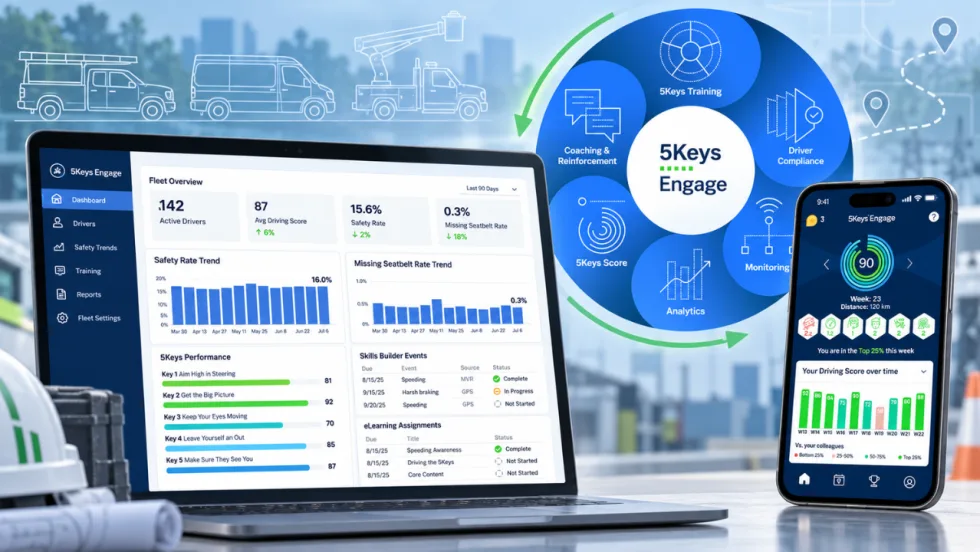
Smith System Wants Work Truck Fleets to Look Beyond the Driver Alert
Smith System’s new Driver Risk Management program is built to help mixed work truck fleets turn telematics alerts and observations into specific behaviors, coaching actions, and measurable follow-up.
Read More →
Ford Pro Software Updates: August 26
Check out the latest Ford Pro software updates, including Google Maps integration, Remote Vehicle Alarm integration, Motor Pool for easier management of shared pool vehicles, and more.
Read More →
Where AI Is Actually Saving Fleet Managers Time
AI is moving past the buzzword stage and into the daily fleet workflow. Fleetio’s Brianna Perry Lang breaks down where fleets are seeing real time savings, from maintenance and data entry to repair decisions, safety, and compliance
Read More →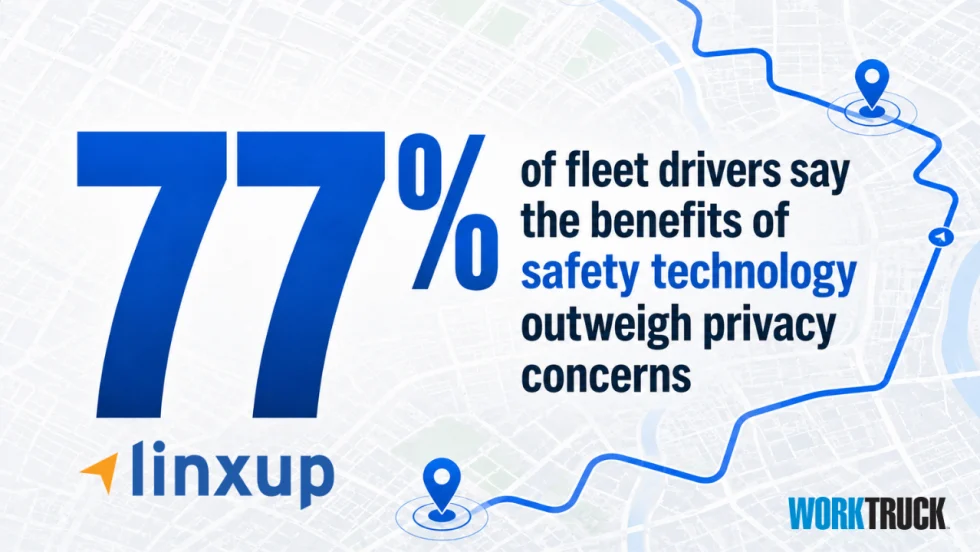
Are Work Truck Drivers Warming Up to Dash Cams and GPS Tracking?
A new survey finds field-service drivers may be more comfortable with dash cams and GPS tracking than fleet managers think, especially when the technology helps protect them after a crash.
Read More →