




Multi-Axle Vehicle Tolls to Rise July 1
OAKLAND, CA -- The Bay Area Toll Authority (BATA) has reminded drivers of big-rig trucks, cars, and trucks hauling trailers, and other vehicles or combinations with more than two axles that the second step in the two-phase toll increase approved in 2010 for multi-axle vehicles on Bay Area toll bridges takes effect July 1.
OAKLAND, CA -- The Bay Area Toll Authority (BATA) has reminded drivers of big-rig trucks, cars, and trucks hauling trailers, and other vehicles or combinations with more than two axles that the second step in the two-phase toll increase approved in 2010 for multi-axle vehicles on Bay Area toll bridges takes effect July 1. The first step in the toll increase took effect in July 2011.
Beginning July 1, 2012, tolls for vehicles or combinations with three or more axles on the seven state-owned toll bridges will be fully indexed at $5 times the number of axles, or $15 for three-axle vehicles; $20 for four axles; $25 for five axles; $30 for six axles; and $35 for rigs with seven or more axles. The fully indexed toll rate on the Golden Gate Bridge will be $6 times the number of axles, with a $5-per-axle rate for FasTrak customers.
BATA approved the two-step increase in tolls for multi-axle vehicles on the state-owned bridges in January 2010 as part of a comprehensive toll increase package to finance seismic retrofits of the Antioch and Dumbarton bridges, to help offset the increased cost of debt financing resulting from financial market turmoil that began in 2007, and to counter revenue losses caused by a decline in toll-paying traffic on the bridges since fiscal year 2003-04. While the toll hike for most vehicles went into effect in July 2010, the Authority voted to delay the increase for multi-axle vehicles for one year and then implement the new toll schedule in two steps. This phased approach was designed to allow commercial trucking firms to incorporate the higher tolls into new contracts with shippers. These contracts typically carry 18- to 24-month terms.
California state law (Streets & Highways Code Sec. 30150.2) requires that tolls on state-owned toll bridges be based on the number of axles on a vehicle or the total number of axles on a vehicle plus the total number of axles on a drawn trailer or vehicle.
BATA said that it encourages all motorists — including drivers of big-rig trucks and recreational vehicles — to take advantage of the FasTrak electronic toll collection program to make toll payment easier and more convenient. FasTrak can be used in all lanes at all Bay Area toll plazas. FasTrak toll tags are available at Costco, Safeway and Walgreens stores throughout the Bay Area. Customers also can enroll in the FasTrak program online (at 511.org; or bayareafastrak.org), by telephone (dial 511 and ask for "FasTrak" at the first prompt), or in person at the FasTrak customer service center at 475 The Embarcadero in San Francisco.
More Operations
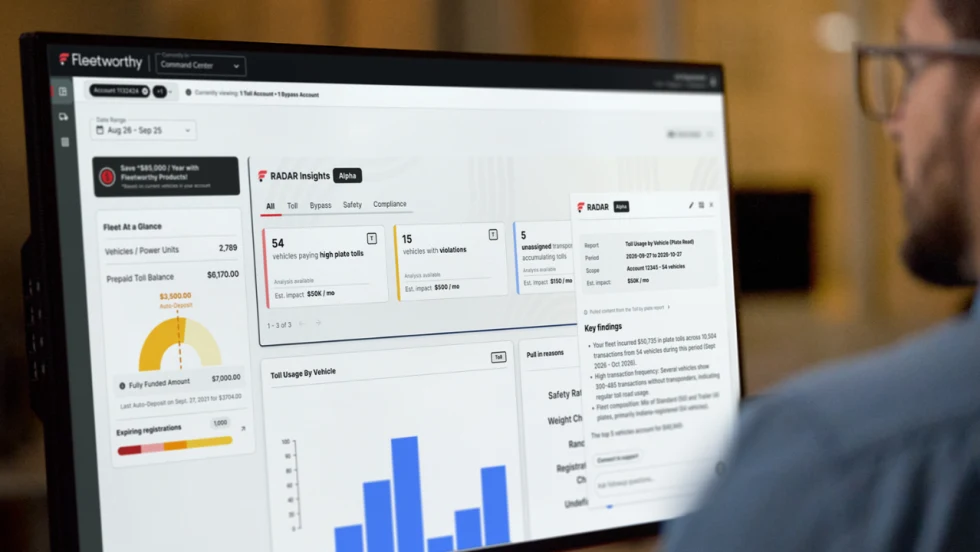
Fleetworthy Unveils RADAR, an Embedded AI Layer Powering Smarter Fleet Decisions
A new artificial intelligence layer inside Fleetworthy Toll Management turns toll data into instant answers and proactive insights, with weigh station bypass, compliance, and safety enhancements next.
Read More →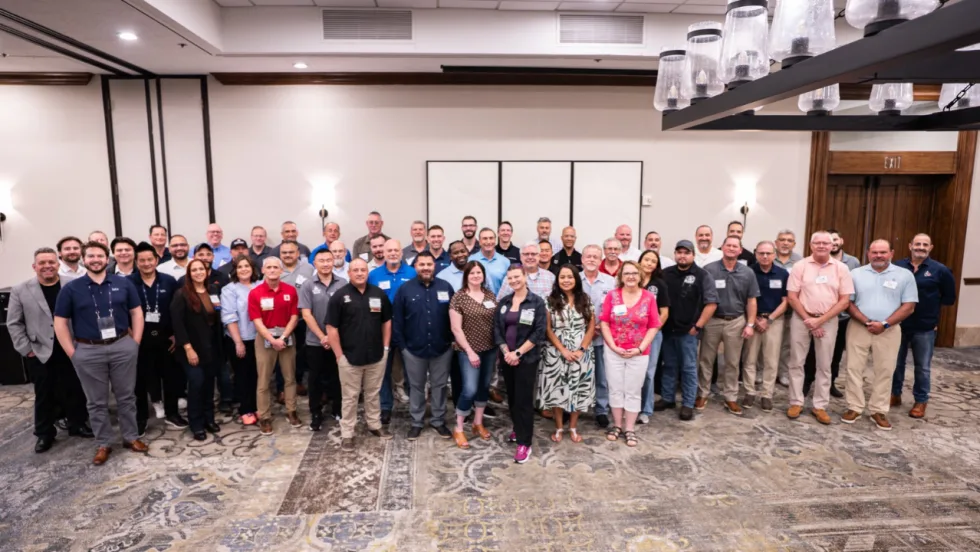
Fleet Conversations and Connections at Work Truck Exchange 2026
Fleet connections, friendly competition, and a few flying axes. See the people and moments that brought Work Truck Exchange 2026 to life.
Read More →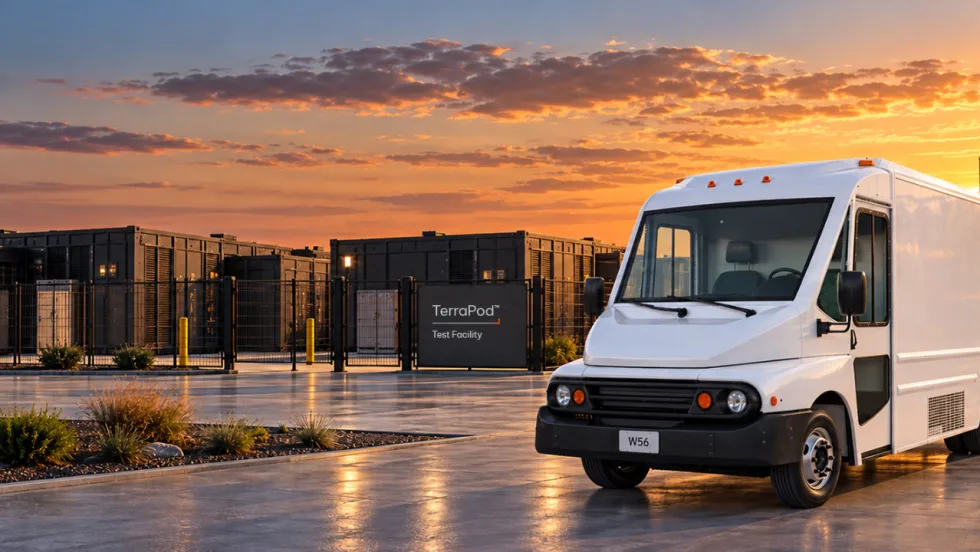
Workhorse Enters Modular AI Infrastructure Market Through TerraPod Partnership with RHAELM
Workhorse’s initial agreement with RHAELM is to develop a full-scale TerraPod manufacturing spec unit, then a non-binding letter of intent covers further expanding the partnership, including a supply agreement and a contemplated contingent initial order for 150 TerraPod systems.
Read More →From Our Partners
Basic Tracking vs Next Generation Fleet Technology
Sponsored by AT&T Business

5 Facts Every Fleet Manager Should Know About Embedded Telematics
Sponsored by Stellantis/Mobilisights

How AI Video Telematics Boosts Driver Safety and Helps to Avoid Unnecessary Costs
Sponsored by Verizon Connect

Charting the 8 Bottom-Line Benefits of Workforce Optimization
Sponsored by Verizon Connect

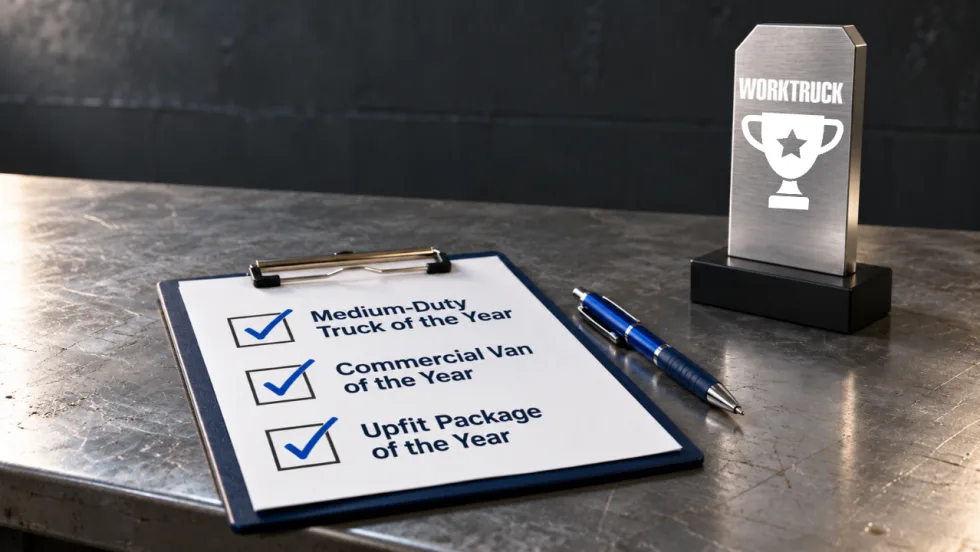
Your Fleet Experience Deserves a Vote
You know what happens after the vehicle leaves the dealership. Work Truck’s fleet awards give that experience a place in the industry conversation, and a reason to make your voice heard.
Read More →
Work Truck Seeks Fleet and Industry Insights on 2026 Trends and 2027 Forecasts
Work Truck is seeking insights from fleet leaders and industry partners on the trends that shaped 2026 and what commercial fleets should prepare for in 2027. Participate today!
Read More →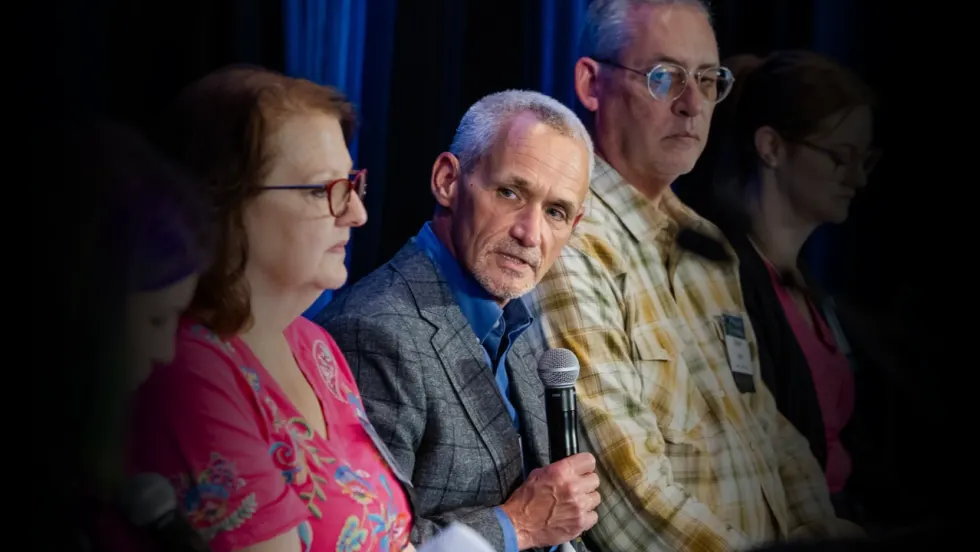
30 Years in Fleet and Still Learning: Lessons Beyond Trucks
After more than three decades in fleet, Bob Adamsky has learned that knowing trucks is only part of the job. The bigger lessons come down to communication, understanding, and never assuming you know it all.
Read More →
What Every New Fleet Manager Should Know
Carolyn Edwards shares lessons on finding mentors, showing fleet’s value, and leading teams in this episode of Legends of Fleet.
Read More →
Les Schwab Tires Launches Foundation With $100,000 for Community Recovery
Les Schwab Tires launches a foundation with $100,000 to support recovery for Silver Rail Elementary and the Bend community following a school shooting.
Read More →
Bring Some Fleet to Your Halloween with Our Pumpkin Carving Templates
Download Work Truck’s truck-themed pumpkin patterns, explore more automotive designs, and give your shop or front porch a seasonal upgrade.
Read More →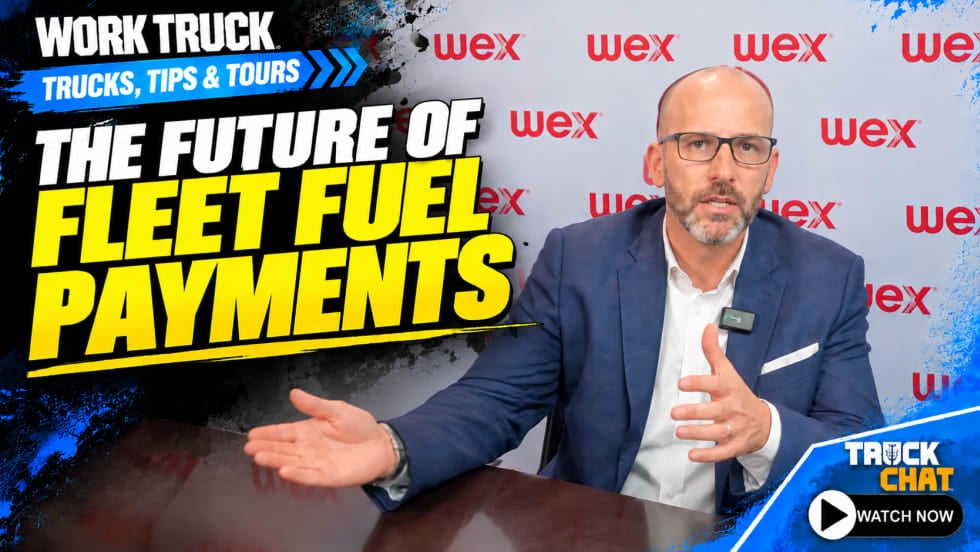
How Cardless Fuel Payments Benefit Commercial Fleets
Is it time for fleets to move beyond plastic fuel cards? David Abraham of WEX explains how cardless fuel payments can help reduce fraud, simplify driver transactions, and improve efficiency by allowing drivers to pay for fuel using their smartphones.
Read More →