





State of Fuel Industry: Gasoline & Diesel
Medium-Duty Trucks Embrace Low-Emission Diesel Technology
Research from Diesel Technology Forum shows that 57% of all commercial diesel trucks on the roads are near-zero emissions models.
July 10, 2023

The population of near-zero emissions diesel technology trucks is 57% of all commercial diesel trucks on the roads today.
Photo: Work Truck
2 min to read
U.S. trucking companies are buying more new, low-emission, diesel technology than ever before.
Research shows the number of new near-zero emission diesel trucks on the road increased 10.2% between 2021 and 2022 according to the Diesel Technology Forum (DTF).
Near-zero emission trucks are advanced diesel technology manufactured in the 2010 and later model years.
The Growing Near-Zero Emissions Vehicles Population
According to DTF’s analysis of S&P Global Mobility TIPNet Vehicles in Operation Data as of December 2022:
Diesel dominates the trucking sector: For the largest commercial trucks (Class 8) in operation that are 2010 or later model years, 95.4% are advanced diesel technology; 2.1% are CNG, 0.3% are electric, and the remainder are gasoline or other fuels.
For the entire (Class 3-8) commercial truck population of over 15 million vehicles, 75.6% are powered by diesel, gasoline (22.9%), compressed natural gas (0.46%), other (ethanol, fuel cell, LNG, propane, 0.85%) and electric (0.09%).
Illinois has the fastest-growing registration of new advanced diesel technology Class 8 commercial trucks, up 4.6% as of December 2022 compared to 2021.The population of near-zero emissions diesel technology trucks is growing. They comprise 57% of all commercial diesel trucks (Class 3-8) on the roads today. These trucks are equipped with particulate filters and selective catalytic reduction systems that achieve near-zero levels of emissions. That’s a 10.2% increase in one year (2022 vs. 2021).
65.7% of all commercial diesel trucks (Class 3-8) on the road are 2007 and newer and are equipped with particulate filters so they achieve near-zero emissions for particulates.
Indiana ranks first of the states for the highest percentage of registrations of 2010 and later model year near-zero emission diesel trucks (73.2%). Next in the rankings is Utah (66.2%), Pennsylvania (66.0%), the District of Columbia (65.4%), Texas (63.6%), Oklahoma (62.6%), Florida (62.3%), Illinois (60.6%), Louisiana (59.2%), and Wisconsin (59.1%). California lags the national average, taking the 35th spot (51.6%).
There are 125 times more new generation advanced diesel trucks on the road in California than electric trucks.
The Future of Diesel
Diesel technology has transformed over the last decade, with advancements leading to near-zero emissions beginning with the 2010 model year.
The next milestone for advanced diesel technology is emerging in California in 2024 and other parts of the country in 2027. It will further reduce NOx emissions by an additional 50-80% over current models.
When it comes to diesel technology, it offers:
Efficient performance.
Low-cost operation.
High market value for used products.
Routing and ready access to servicing, parts and fueling throughout the nation.
More Fuel

The Smart Way to Build a Mixed-Energy Fleet Isn’t About Picking a Side
Mixed-energy fleets aren’t about picking a winning fuel. Sarah Booth of WEX explains how vehicle data, duty cycles, charging strategy, and real-world costs can help fleets choose the right energy source for each job.
Read More →
Ignoring This Dashboard Warning Could Cost Your Fleet Thousands in Fuel
New research suggests neglected diesel aftertreatment systems could waste up to $30 in fuel per vehicle each day. Here's why vocational fleets should pay attention.
Read More →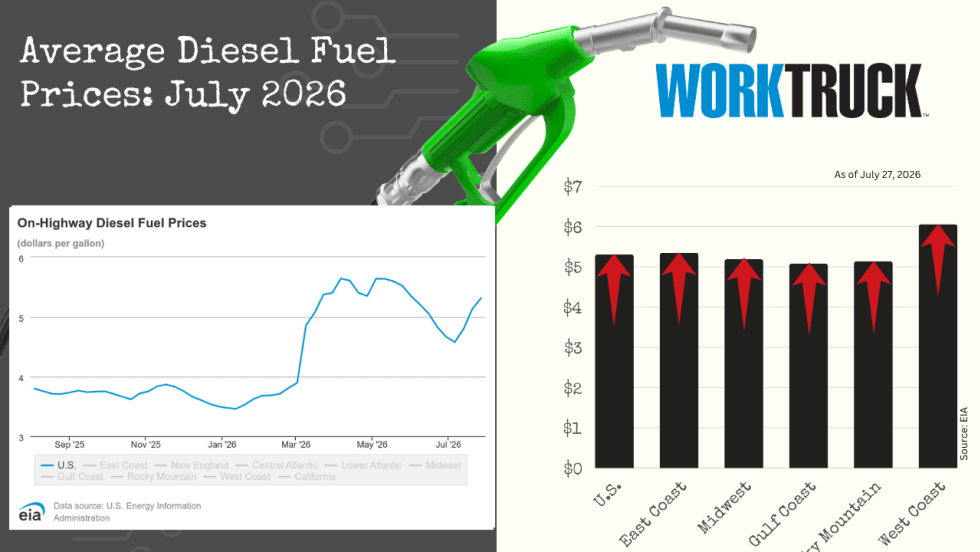
July Diesel Trends Update
The average price of a gallon of diesel increased again this week, and the EIA reported a new national average of $5.31 at the start of the week.
Read More →
WEX Brings Standard Fleet's Connected Vehicle Platform to Fleet Customers
This week’s product launch with Standard Fleet’s connected vehicle platform reflects WEX Venture Capital's strategy of turning startup innovation into customer solutions. Standard Fleet is now available to WEX fleet customers.
Read More →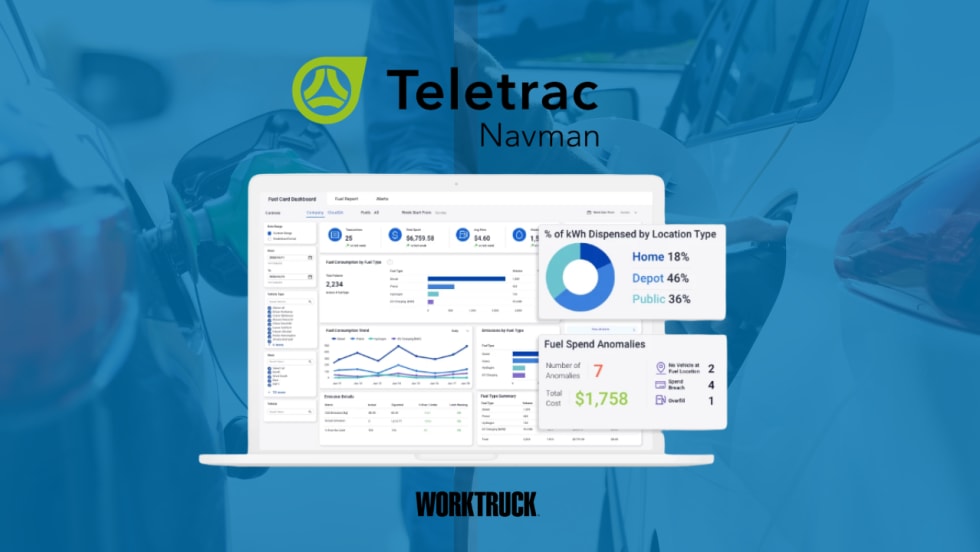
Teletrac Navman Adds Mixed-Energy Fleet Tools to TN360
The new Energy Hub combines fuel transactions, EV charging data, vehicle range, and energy costs in one dashboard for fleets operating multiple vehicle and energy types.
Read More →
WEX DriverDash adds CITGO, Expands Nationwide Access for Fleets
The DriverDash mobile payment app, by WEX, has been integrated into the CITGO merchant network, which means WEX has expanded its U.S. station footprint with the addition of approximately 4,000 CITGO locations.
Read More →
Mixed Energy Fleet Tips for Balancing EVs, Gas and Diesel Vehicles
Mixed energy fleets are becoming the new normal. Learn how fleet managers are balancing EVs, gas and diesel vehicles while controlling costs and planning for the future.
Read More →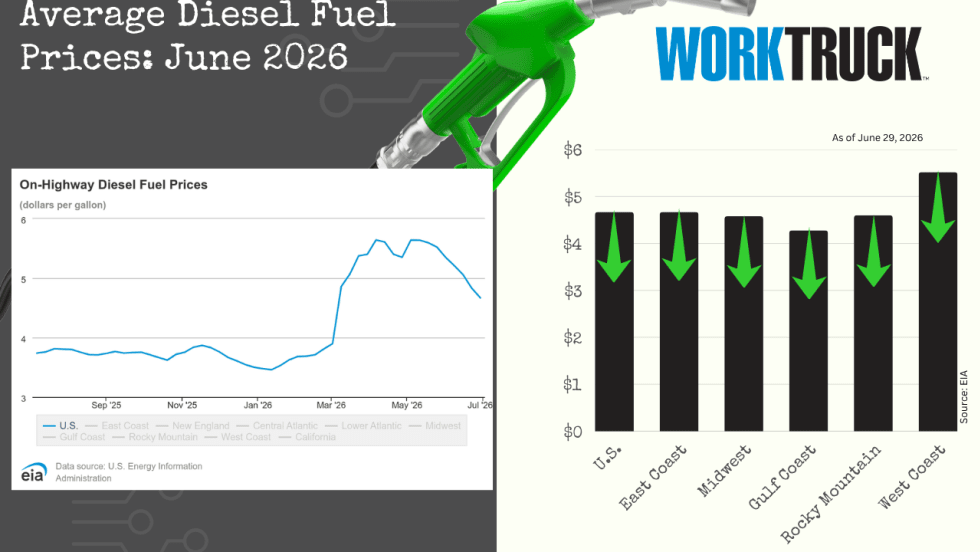
June Diesel Trends Update
The national average price of a gallon of diesel has dropped again, this week by more than 16 cents. All five regions reported lower average prices, ranging from almost 13 cents to more than 28 cents cheaper than a week ago.
Read More →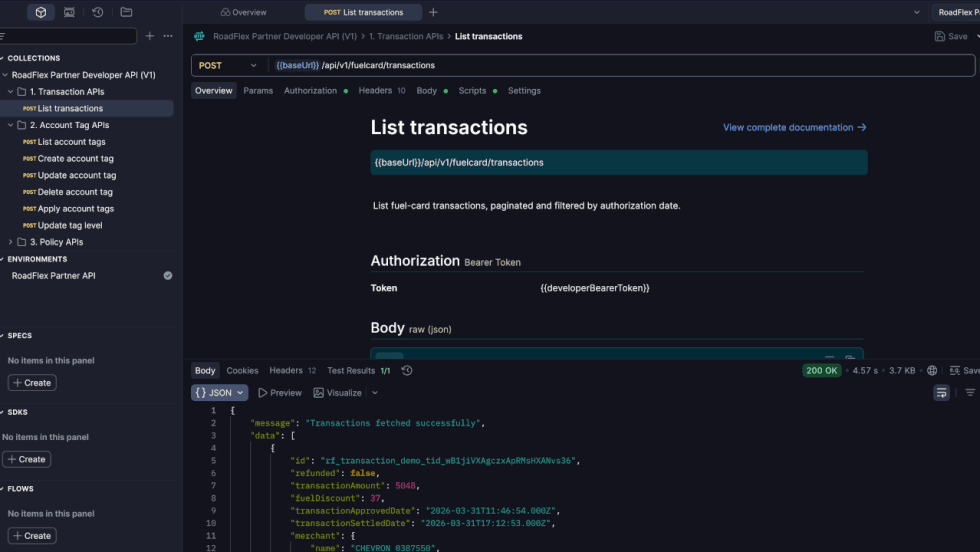
RoadFlex Launches RoadFlex Direct Open API Platform
RoadFlex Direct connects fuel cards, controls, and data to the telematics and fleet management systems fleets already run, from Geotab and Samsara to Fleetio and RTA, with no separate dashboard or double data entry.
Read More →
The Key to Fuel Efficiency Sits in the Cab
Learn how driver behavior, telematics, coaching, and fuel data can help fleets improve fuel efficiency, lower costs, and reduce emissions.
Read More →