




Lake Michigan Mailers to Convert Service Fleet to accept LPG and Gasoline
Lake Michigan Mailers, Inc. announced that it will begin converting its service vehicle fleet to run on both liquefied propane gas (LPG) also known as propane autogas and gasoline.

Lake Michigan Mailers, Inc. announced that it will begin converting its service vehicle fleet to run on both liquefied propane gas (LPG) also known as propane autogas and gasoline. The conversion will allow the company to reduce its cost per mile by 32 percent and will reduce the company’s vehicle emissions by emission by as much as 60 percent, according to Lake Michigan Mailers.
Lake Michigan Mailers is a provider of document management, mail assembly, mail processing, presorting, data management, digital marketing and distribution services provides document, and mail transportation services to companies, schools, colleges and universities, health care providers, governmental entities, and organizations in a 12,600 mile square mile area daily with its own regional fleet of vehicles. The company’s service fleet travels more than 477,000 road miles annually. Since May 2009, the company said it has seen its fuel costs skyrocket 71.1 percent.
“We knew we had to make a strategic change in the way we propel our vehicles down the road in order to support our continued market growth in the face of rapidly rising fuel costs,” said David C. Rhoa, president of Lake Michigan Mailers, Inc. “We evaluated every alternative fuel type currently available. Propane is the right choice for us for a number of reasons, including cost per gallon, long-term price stability, improved environmental impact, available fueling infrastructure, and vehicle conversion options. With nearly 90 percent of domestic propane supplies produced in the United States, we are confident that we won’t be subject to the wild price fluctuations that we find in the global oil and gasoline markets.”
The company also expects the conversion to propane to yield significant environmental benefits. “Propane burns cleaner than gasoline resulting in lower harmful emissions. We expect our propane vehicles will emit 12 percent less carbon dioxide, 20 percent less nitrogen oxide, and 60 percent less carbon monoxide and GHG emissions by 20 percent than our standard gasoline -fueled vehicles. Converting to propane is a natural extension of our existing sustainability programs,” Rhoa said.
The company has partnered with Icom North America of New Hudson, MI, to build and install the EPA-approved vehicle propane management systems.
The propane liquid injection conversion system provided by Icom will allow the company’s vehicles to run on both propane and traditional gasoline with propane being the primary fuel. “Using Icom’s bi-fuel system extends both the useful life of the vehicle and its service range and helped us overcome a potentially significant barrier – availability of propane fueling stations,” Rhoa said. “We needed a system that would not tie us exclusively to one fuel type. The Icom system gives us the cost savings and cleaner burning advantages of propane and the security of knowing that our vehicles will not be stranded for lack of propane fueling stations.” Lake Michigan Mailers has selected AmeriGas, Inc. to provide propane for the converted vehicles.
Lake Michigan Mailer will begin converting its vehicle fleet in June 2012. The process to convert the existing Michigan-based fleet is expected to be completed by August 2013. The company plans to begin converting its Indiana -based fleet in the fourth quarter of 2013 with a final conversion date of June 2014.
More Fuel

The Smart Way to Build a Mixed-Energy Fleet Isn’t About Picking a Side
Mixed-energy fleets aren’t about picking a winning fuel. Sarah Booth of WEX explains how vehicle data, duty cycles, charging strategy, and real-world costs can help fleets choose the right energy source for each job.
Read More →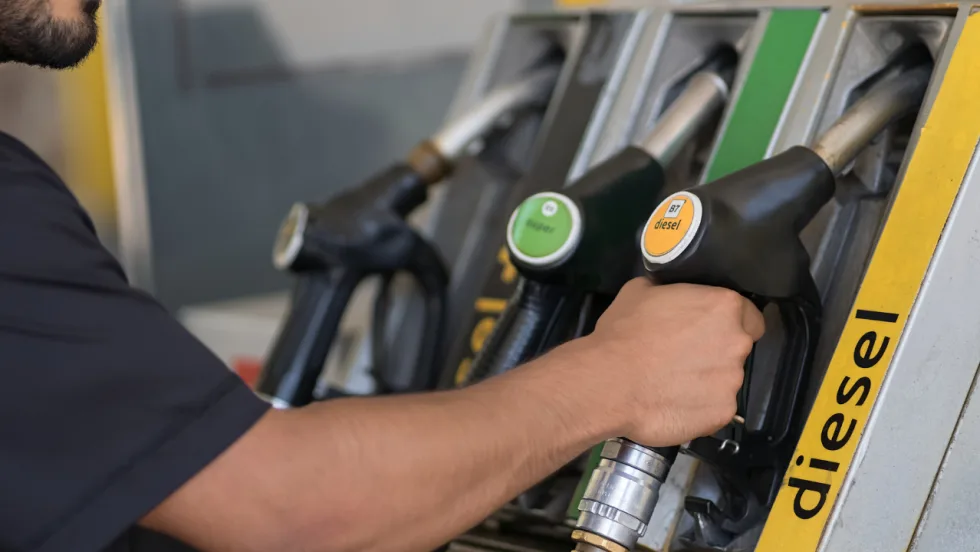
Ignoring This Dashboard Warning Could Cost Your Fleet Thousands in Fuel
New research suggests neglected diesel aftertreatment systems could waste up to $30 in fuel per vehicle each day. Here's why vocational fleets should pay attention.
Read More →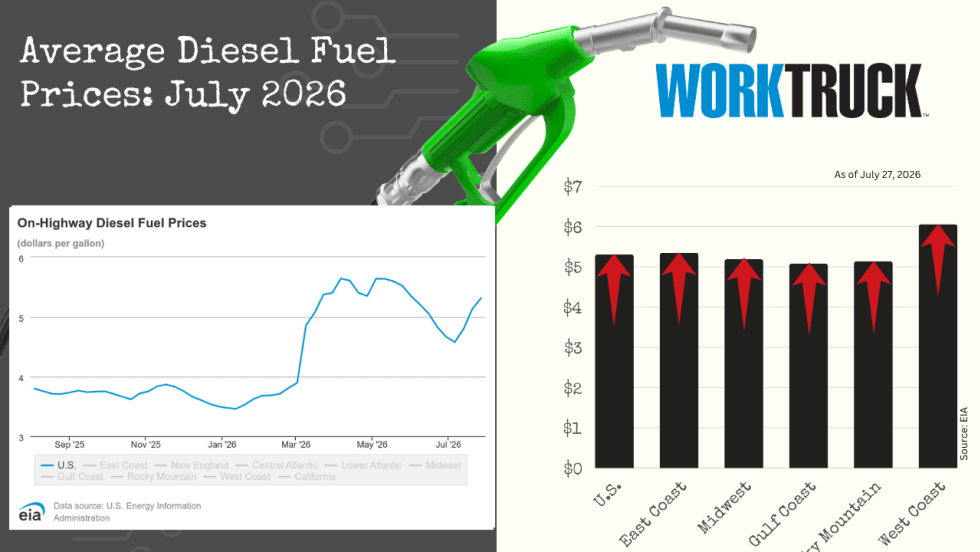
July Diesel Trends Update
The average price of a gallon of diesel increased again this week, and the EIA reported a new national average of $5.31 at the start of the week.
Read More →
WEX Brings Standard Fleet's Connected Vehicle Platform to Fleet Customers
This week’s product launch with Standard Fleet’s connected vehicle platform reflects WEX Venture Capital's strategy of turning startup innovation into customer solutions. Standard Fleet is now available to WEX fleet customers.
Read More →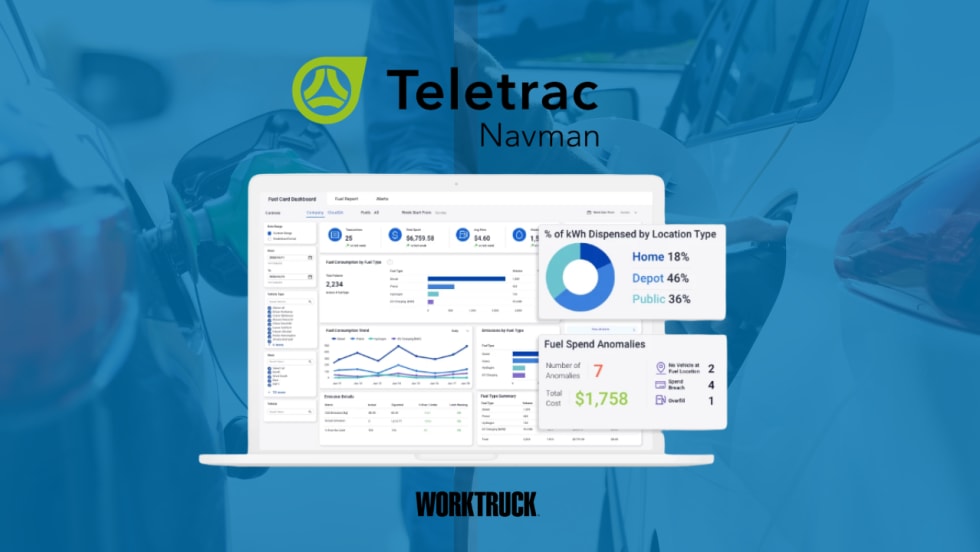
Teletrac Navman Adds Mixed-Energy Fleet Tools to TN360
The new Energy Hub combines fuel transactions, EV charging data, vehicle range, and energy costs in one dashboard for fleets operating multiple vehicle and energy types.
Read More →
WEX DriverDash adds CITGO, Expands Nationwide Access for Fleets
The DriverDash mobile payment app, by WEX, has been integrated into the CITGO merchant network, which means WEX has expanded its U.S. station footprint with the addition of approximately 4,000 CITGO locations.
Read More →
Mixed Energy Fleet Tips for Balancing EVs, Gas and Diesel Vehicles
Mixed energy fleets are becoming the new normal. Learn how fleet managers are balancing EVs, gas and diesel vehicles while controlling costs and planning for the future.
Read More →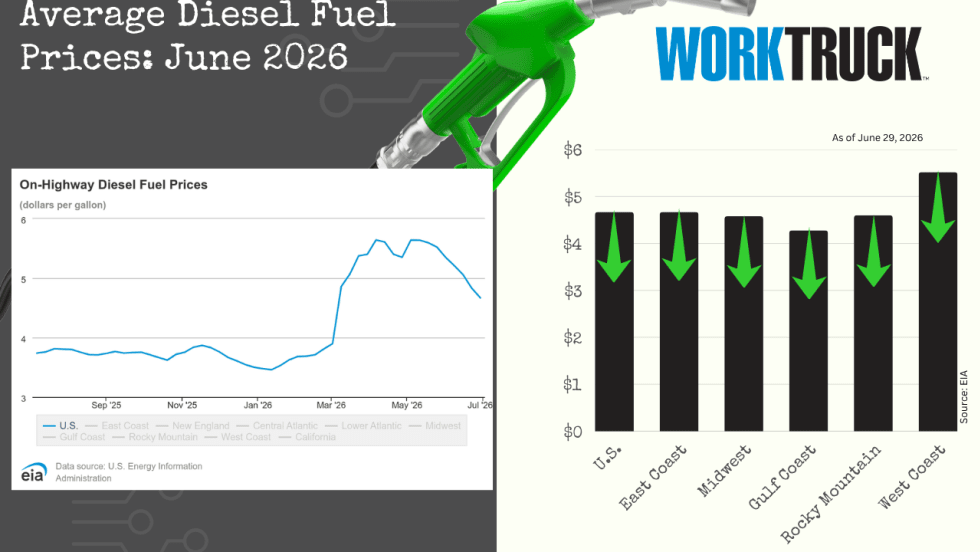
June Diesel Trends Update
The national average price of a gallon of diesel has dropped again, this week by more than 16 cents. All five regions reported lower average prices, ranging from almost 13 cents to more than 28 cents cheaper than a week ago.
Read More →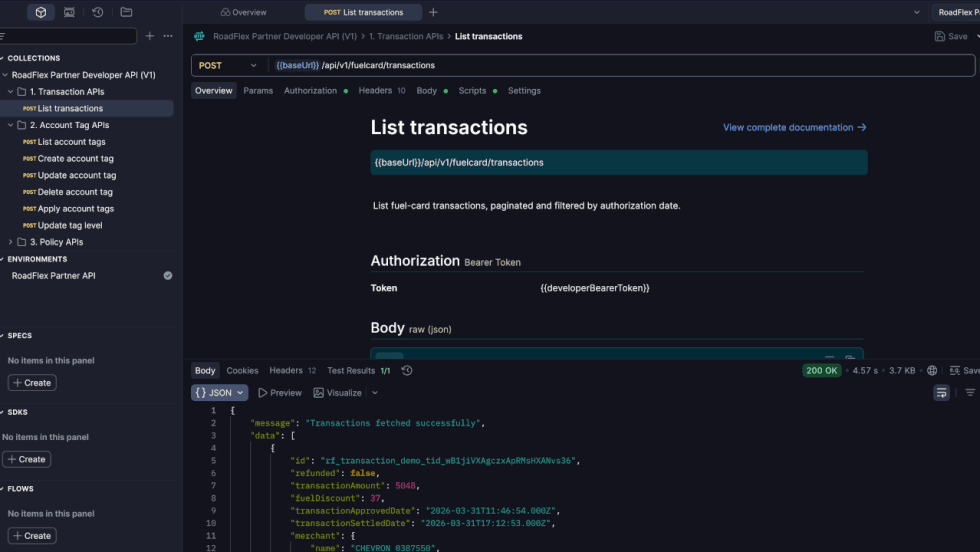
RoadFlex Launches RoadFlex Direct Open API Platform
RoadFlex Direct connects fuel cards, controls, and data to the telematics and fleet management systems fleets already run, from Geotab and Samsara to Fleetio and RTA, with no separate dashboard or double data entry.
Read More →
The Key to Fuel Efficiency Sits in the Cab
Learn how driver behavior, telematics, coaching, and fuel data can help fleets improve fuel efficiency, lower costs, and reduce emissions.
Read More →