




Kraft Foods Cuts More Than 50 Million Truck Miles
NORTHFIELD, IL - Since 2005, Kraft Foods' sustainability projects have saved the company more than 50 million miles in its global transportation and distribution network.
NORTHFIELD, IL - Since 2005, Kraft Foods' sustainability projects have saved the company more than 50 million miles in its global transportation and distribution network.
"We think about miles, piles and idles when moving our product," said Steve Yucknut, vice president, sustainability. "We're finding ways to drive fewer miles, reduce inventory piles, and eliminate idling trucks. We're collaborating with customers and suppliers. And we're using a number of high-tech innovations for our trucks and warehouses to reduce energy and CO2 emissions."
In North America, Kraft Foods saved more than a million miles, replaced 10,000 truck shipments, and reduced 2,000 tons of CO2 emissions by shipping wheat via waterways to its Toledo, Ohio, flour mill.
The company has purchased 11 North American hybrid direct store delivery vehicles for frozen products, with hybrid power train and electric refrigeration technology consuming 30-percent less fuel than a traditional truck, according to the company.
Earlier this month, the U.S. Environmental Protection Agency (EPA) awarded Kraft Foods for its environmental excellence, innovation and creativity. As part of its participation in the EPA's SmartWay Transport Partnership (www.epa.gov/smartway), the company has adopted no-idle engine policies at its shipping locations, piloted a hybrid frozen delivery truck program, and increased its use of intermodal (rail and barge) transport.
Using Oracle Transportation Management to create Project MOST (Management of Optimized Sustainable Transportation), the company measures truck movements and designs new trip segments to minimize "empty miles," eliminating more than 500,000 miles last year. Now, Kraft Foods' private fleet and its top 50 carriers use the software and Oracle has recognized the company for its work with its 2009 "Enable the Eco-Enterprise" award.
Kraft Foods' 20 largest plants and distribution centers in North America use software from Transportation/Warehouse Optimization to maximize product per truckload, taking the equivalent of 1,500 trucks off the road and more than a million off the highway system.
With a reported 5,156 vehicles in its U.S. fleet, the company ranked #72 on Automotive Fleet's 2009 Top 300 Commercial Fleets listing.
For more on Kraft Foods' global efforts, click here.
Originally posted on Automotive Fleet
More Fuel

The Smart Way to Build a Mixed-Energy Fleet Isn’t About Picking a Side
Mixed-energy fleets aren’t about picking a winning fuel. Sarah Booth of WEX explains how vehicle data, duty cycles, charging strategy, and real-world costs can help fleets choose the right energy source for each job.
Read More →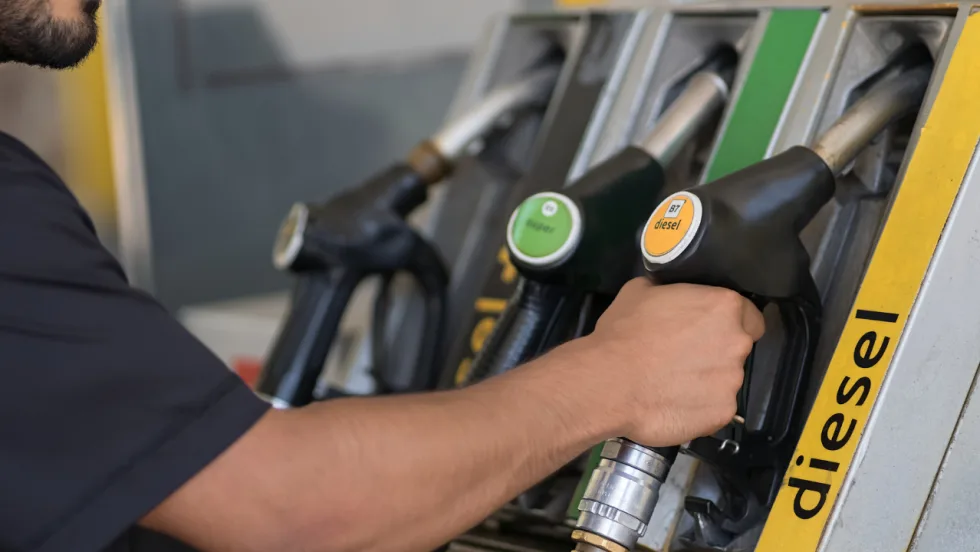
Ignoring This Dashboard Warning Could Cost Your Fleet Thousands in Fuel
New research suggests neglected diesel aftertreatment systems could waste up to $30 in fuel per vehicle each day. Here's why vocational fleets should pay attention.
Read More →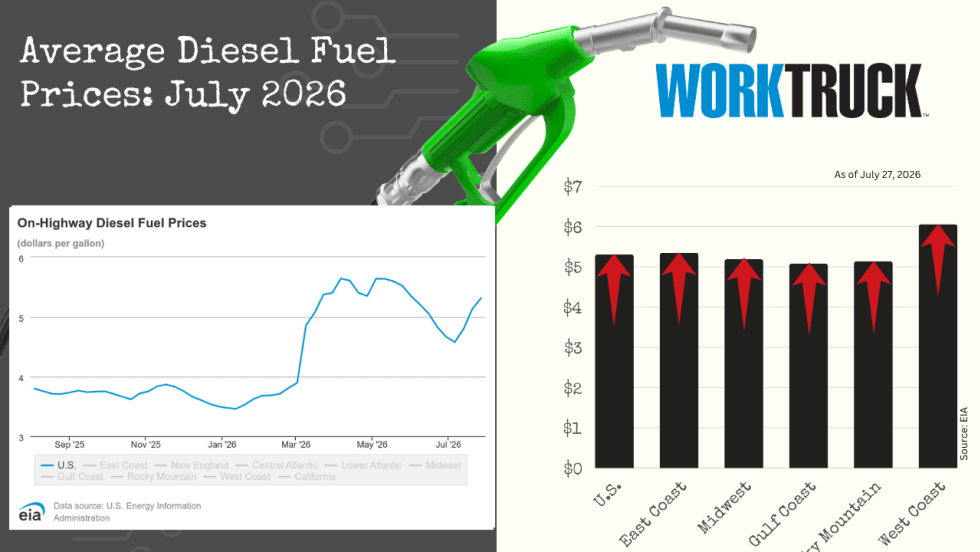
July Diesel Trends Update
The average price of a gallon of diesel increased again this week, and the EIA reported a new national average of $5.31 at the start of the week.
Read More →
WEX Brings Standard Fleet's Connected Vehicle Platform to Fleet Customers
This week’s product launch with Standard Fleet’s connected vehicle platform reflects WEX Venture Capital's strategy of turning startup innovation into customer solutions. Standard Fleet is now available to WEX fleet customers.
Read More →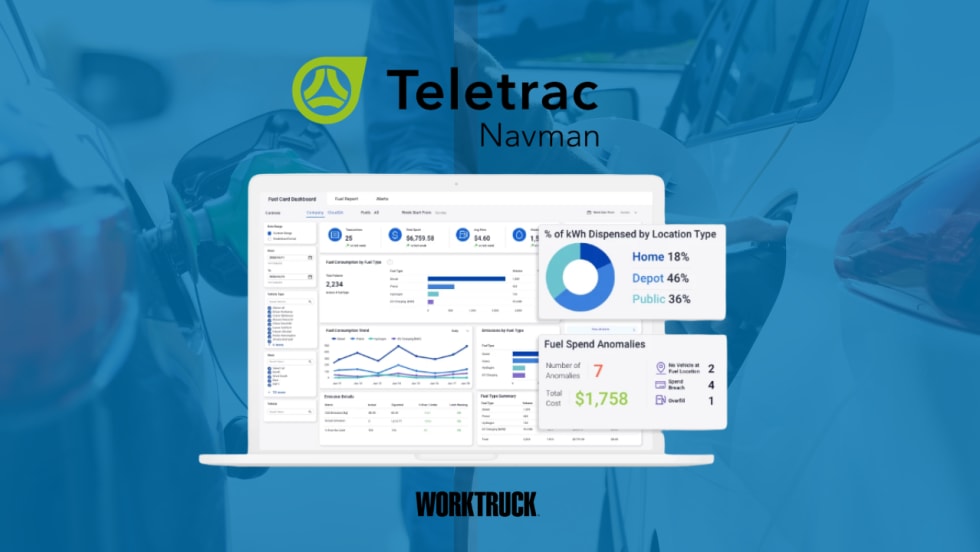
Teletrac Navman Adds Mixed-Energy Fleet Tools to TN360
The new Energy Hub combines fuel transactions, EV charging data, vehicle range, and energy costs in one dashboard for fleets operating multiple vehicle and energy types.
Read More →
WEX DriverDash adds CITGO, Expands Nationwide Access for Fleets
The DriverDash mobile payment app, by WEX, has been integrated into the CITGO merchant network, which means WEX has expanded its U.S. station footprint with the addition of approximately 4,000 CITGO locations.
Read More →
Mixed Energy Fleet Tips for Balancing EVs, Gas and Diesel Vehicles
Mixed energy fleets are becoming the new normal. Learn how fleet managers are balancing EVs, gas and diesel vehicles while controlling costs and planning for the future.
Read More →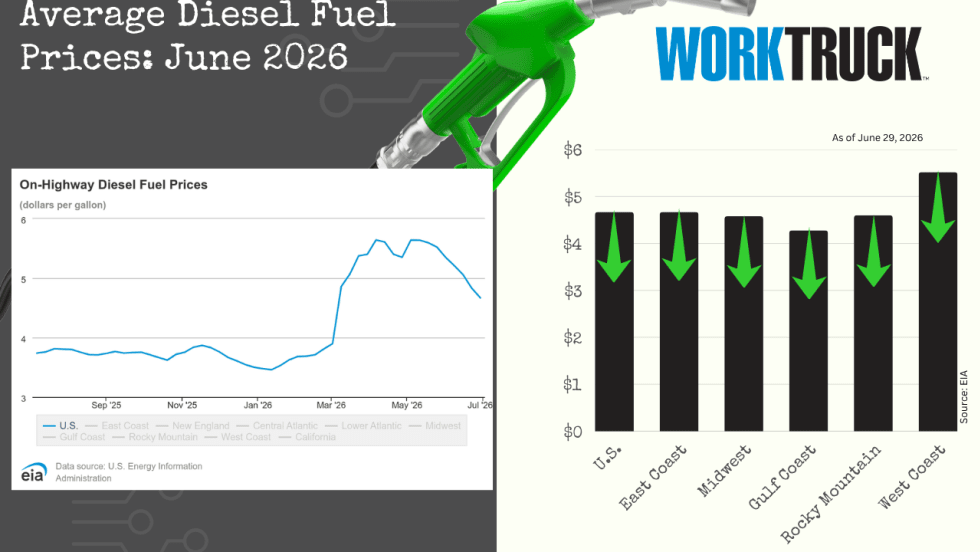
June Diesel Trends Update
The national average price of a gallon of diesel has dropped again, this week by more than 16 cents. All five regions reported lower average prices, ranging from almost 13 cents to more than 28 cents cheaper than a week ago.
Read More →
RoadFlex Launches RoadFlex Direct Open API Platform
RoadFlex Direct connects fuel cards, controls, and data to the telematics and fleet management systems fleets already run, from Geotab and Samsara to Fleetio and RTA, with no separate dashboard or double data entry.
Read More →
The Key to Fuel Efficiency Sits in the Cab
Learn how driver behavior, telematics, coaching, and fuel data can help fleets improve fuel efficiency, lower costs, and reduce emissions.
Read More →