




King County’s New Hybrid Truck Delivers
KING COUNTY, WA– With just 7,300 miles on its odometer, one of King County’s newest work trucks is already proving its worth.
KING COUNTY, WA – With just 7,300 miles on its odometer, one of King County’s newest work trucks is already proving its worth. It may look like other trucks that are used to hoist workers into the air to repair traffic signals or maintain roadside trees – but this one is the first that runs on a hybrid-electric system.
The King County Department of Transportation (KCDOT) put the new medium-duty lift truck into service in October, and after four months the county is already seeing a 25-percent fuel savings for the vehicle.
“When I found out that Kenworth was about to unveil its first production of hybrid trucks, I wanted King County to be the first governmental agency to purchase one,” said King County Executive Ron Sims.
“The first months in operation are showing that taxpayers are getting a double payback on this truck, with both operational and environmental benefits.”
KCDOT Director Harold Taniguchi said Sims has pushed the department to continue its efforts to be one of the greenest transportation agencies in the nation.
KCDOT’s Fleet Administration Division Director Windell Mitchell said the new lift truck has already achieved a 25 percent reduction in fuel consumption compared to conventional diesel trucks in the fleet. This contributes to more efficient operations by the crews, because they can remain in the field for longer periods of time without refueling. Mitchell said not only is the new truck using less fuel when it’s moving between jobs, but also when it’s stationary.
“On our non-hybrid trucks, the motor has to be running for the lift to operate,” said Mitchell. “With this truck, the lift operates off the energy stored in the hybrid battery. That’s both cheaper and quieter.”
Mitchell headed up efforts to form a consortium of local and state government agencies interested in taking hybrid vehicle technology to the next level with the production of medium and heavy-duty work trucks. Together, they have opened the market for hybrid diesel-electric truck purchases, and also serve as a testing ground to provide on-the-road experience, data collection, and analysis of the new trucks. Through the purchasing power of the consortium, Mitchell was able to negotiate a deal so that King County did not have to pay a premium for the hybrid system.
The new Kenworth lift truck will soon be joined in the fleet by an International hybrid vehicle hauler, and an International lift truck will come on board this summer. As other trucks in the fleet age and need to be replaced, Mitchell said the plan is to purchase new hybrid trucks whenever possible.
Originally posted on Automotive Fleet
More Sustainability
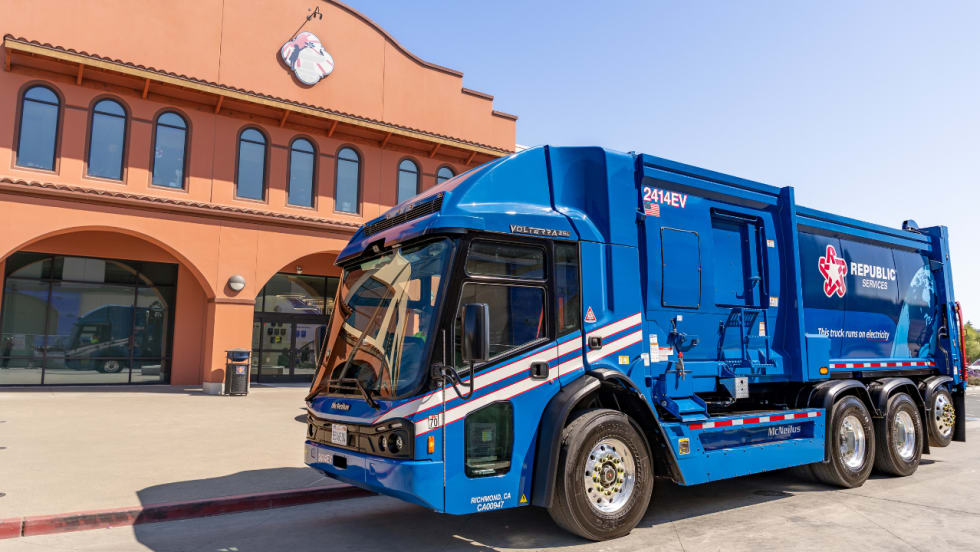
What Republic Services Learned Moving Electric Trucks Beyond the Pilot
With 250 electric refuse trucks now in service, Republic Services is learning that scaling a new powertrain depends as much on routes, drivers, technicians, and daily operations as it does on the truck itself.
Read More →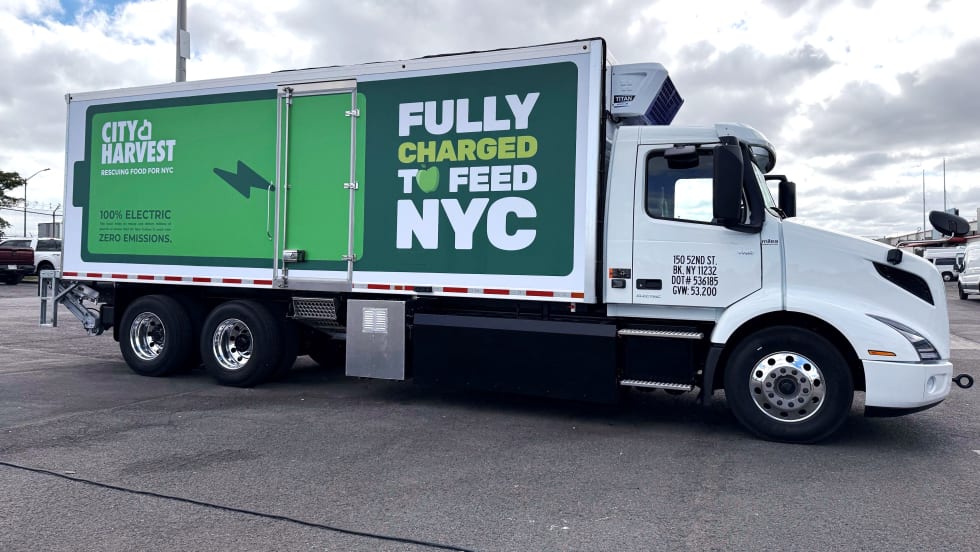
City Harvest Begins Using Volvo VNR Electric Trucks to Rescue Food Across New York City
Volvo Trucks North America and the Bronx Is Breathing project team handed over three new Volvo VNR Electric trucks to City Harvest, which will use the trucks to rescue and deliver food throughout the Bronx and across all five boroughs of New York.
Read More →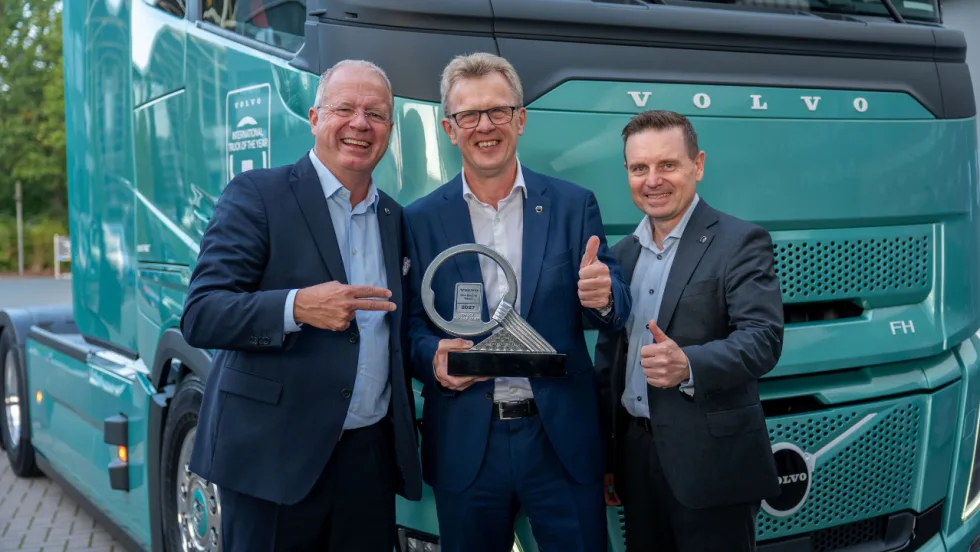
Volvo Trucks Wins International Truck of the Year 2027 for its Global Electric Range
Volvo Trucks' global heavy-duty electric range has been named International Truck of the Year 2027. Since 2019, more than 7,000 electric Volvo trucks have driven more than 310 million miles worldwide.
Read More →


Fleet Forward Conference Introduces One-Day Passes for 2026
New one-day registration gives fleet professionals the flexibility to attend Tuesday, Wednesday, or Thursday, with passes available for $199 through Sept. 18.
Read More →
CALSTART Rebrands as Catalyst Mobility, Will Combine with Forth in 2027
CALSTART has rebranded as Catalyst Mobility and will combine with Forth at the start of 2027. The new organization said it is poised to become one of the world's largest, strongest, and most impactful clean transportation nonprofits.
Read More →
Electric Truck and Charging Programs to Boost Sustainability at NY & NJ Ports
Together, the Port Authority of New York and New Jersey and CALSTART will electrify drayage and terminal operations serving the East Coast’s busiest container port. A pair of incentive programs totaling $45 million has launched to accelerate adoption of zero-emission drayage trucks and terminal tractors.
Read More →
The Smart Way to Build a Mixed-Energy Fleet Isn’t About Picking a Side
Mixed-energy fleets aren’t about picking a winning fuel. Sarah Booth of WEX explains how vehicle data, duty cycles, charging strategy, and real-world costs can help fleets choose the right energy source for each job.
Read More →
Xos Hub Surpasses One Gigawatt-Hour of Energy Delivered in the Field
A single Xos Hub has surpassed one gigawatt-hour of energy across more than 33,600 charging sessions in the field, demonstrating performance that supports Xos' expansion across new products and markets.
Read More →
Carrier Transicold Launches All-Electric Vector 8200 TRU for Diesel-Free On-Site Cold Storage
Carrier Transicold’s first engineless multi-temperature TRU helps fresh- and frozen-food fleets add supplemental cold storage capacity during seasonal peaks.
Read More →
Narro Trucks Introduces Electric Utility Vehicle
Narro Trucks officially launched its operations on Aug. 20 and hosted a ride and drive to showcase its electric truck, which will be produced in Virginia.
Read More →