




Iowa DOT Achieves Near-Zero Emissions with 100% Biodiesel Trucks
The Iowa DOT is committing to a lower carbon footprint in their state fleet by operating these ten snow removal and road maintenance trucks with Optimus Technologies’ advanced fuel system technology, powered by 100% biodiesel.

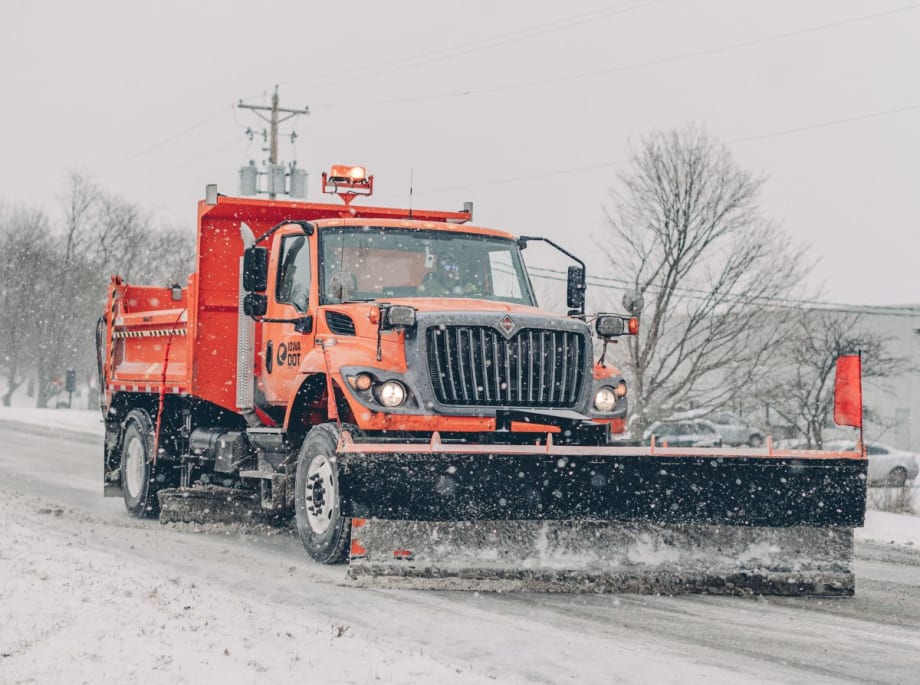
The Iowa DOT committed to a lower carbon footprint through the use of B-100 in its snowplow truck fleet.
Photo: Iowa DOT
This past winter, the Des Moines, Iowa, area got pummeled with over two feet of snow. While most residents stayed bundled inside, ten Iowa Department of Transportation (DOT) snowplows were on the roads, clearing snow and cleaning the air.
The Iowa DOT is committing to a lower carbon footprint in their state fleet by operating these ten snow removal and road maintenance trucks with Optimus Technologies’ advanced fuel system technology, powered by 100% biodiesel (B-100), according to the fleet.
Over the course of the winter season, these vehicles used more than 9,000 gallons of biodiesel and successfully treated almost 55,000 miles of roadway, significantly lowering their carbon emissions at the same time. They are the first DOT in the nation to deploy sustainable solutions in their plows, leading the country in B-100 adoption as electric alternatives don’t exist and would not be as effective in these applications.
Biodiesel is a cleaner alternative to petroleum diesel and is a readily available, sustainable solution for fleets, according to Optimus Technologies. Suitable for use in any diesel engine, biodiesel can be adopted by fleets in varying blends from 5% biodiesel, or B-5, all the way up to 100% (B-100). Blends above 20% biodiesel require upgrades to engines to ensure compatibility and successful operational performance. Biodiesel is classified as an advanced biofuel by the EPA because it reduces carbon emissions by more than 50%; in fact, Optimus noted that 100% biodiesel reduces scope 1 carbon emissions by over 95% compared to traditional petroleum-based diesel fuel.
“The Iowa Department of Transportation is becoming a global leader in carbon reductions while taking the next steps forward toward the state’s sustainability goals,” said Todd Cogdill, fleet manager for the Iowa DOT. “This is coming to fruition as a result of Optimus’ advanced technology coupled with fuels produced right here in Iowa.”
The Iowa DOT is one of the original early adopters of biodiesel in its fleet. For more than 20 years, the Iowa DOT has utilized B-20. The Vector System enables Iowa DOT to increase biodiesel usage to 100% by eliminating traditional issues associated with higher biodiesel blends, such as gelling, even in sub-zero temperatures. This project is another example of the Iowa DOT demonstrating their forward-looking leadership. In 2020 Iowa DOT launched an initial B100 test project with five upgraded trucks; due to the success of the original project, Iowa DOT has since placed two additional orders, ordering a total of five new trucks equipped with the B100 technology, bringing the total to ten.
“The Iowa DOT senses the same urgency that we’re seeing globally – municipalities, states, and countries are faced with directives to immediately reduce carbon emissions,” said Colin Huwyler, Optimus’ CEO. “We’re seeing a significant increase in interest for our technology as fleets recognize that options like electric vehicles can’t perform the demanding tasks required in severe-duty applications like snow removal. EVs can’t handle these operations today and I’d guess they likely won’t be suitable for at least the next decade, maybe two. Rather than passing the buck, IDOT is setting the example. With Optimus’ technology and Renewable Energy Group’s biodiesel, IDOT is seamlessly integrating low-carbon solutions today.”
The Iowa Department of Transportation is committed to reducing their carbon emissions but cannot afford to sacrifice performance of their fleet vehicles. Performance and reliability are especially critical for public-safety operations like snow removal and road maintenance that the residents of Iowa depend on. As Iowa DOT continues to upgrade their fleet for use with 100% biodiesel, they are able to leverage existing vehicles and infrastructure to achieve significant environmental and financial benefits.
More Fuel

The Smart Way to Build a Mixed-Energy Fleet Isn’t About Picking a Side
Mixed-energy fleets aren’t about picking a winning fuel. Sarah Booth of WEX explains how vehicle data, duty cycles, charging strategy, and real-world costs can help fleets choose the right energy source for each job.
Read More →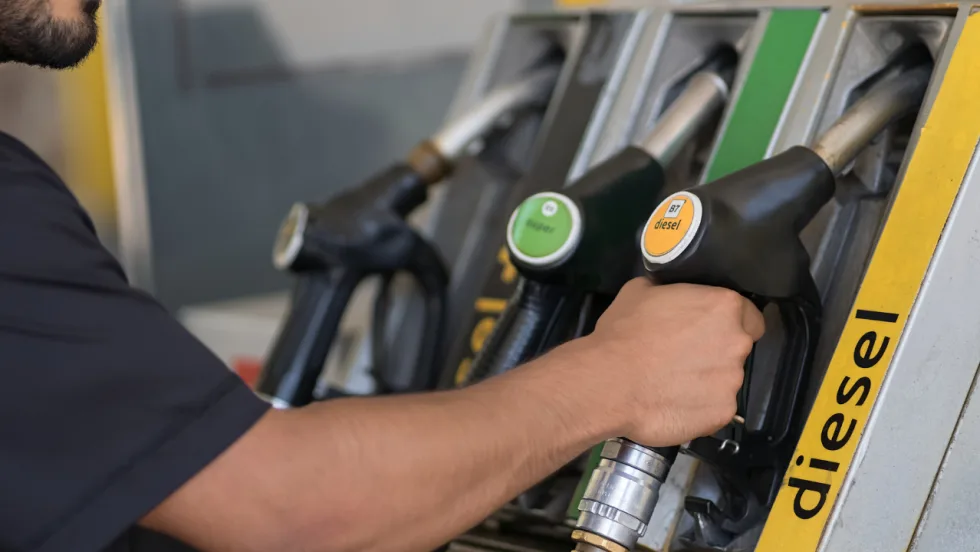
Ignoring This Dashboard Warning Could Cost Your Fleet Thousands in Fuel
New research suggests neglected diesel aftertreatment systems could waste up to $30 in fuel per vehicle each day. Here's why vocational fleets should pay attention.
Read More →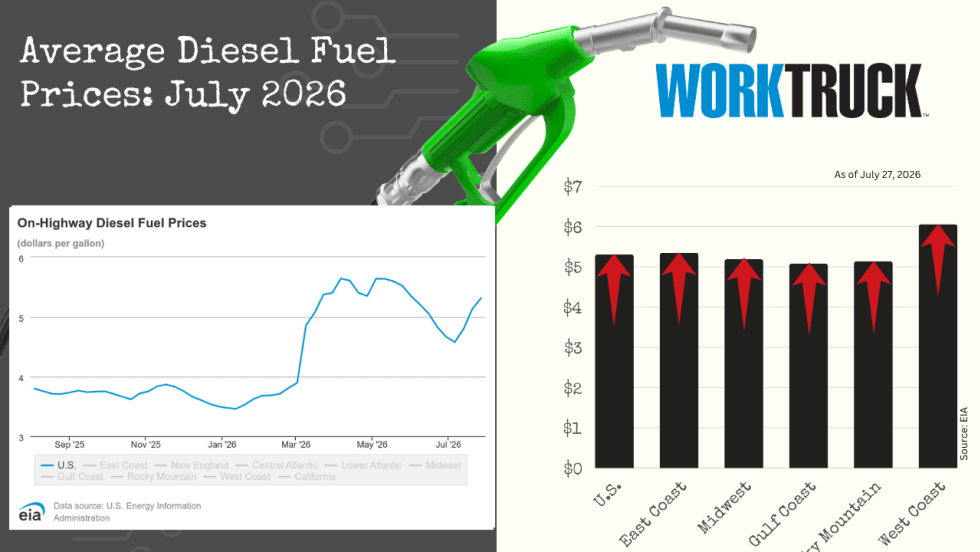
July Diesel Trends Update
The average price of a gallon of diesel increased again this week, and the EIA reported a new national average of $5.31 at the start of the week.
Read More →
WEX Brings Standard Fleet's Connected Vehicle Platform to Fleet Customers
This week’s product launch with Standard Fleet’s connected vehicle platform reflects WEX Venture Capital's strategy of turning startup innovation into customer solutions. Standard Fleet is now available to WEX fleet customers.
Read More →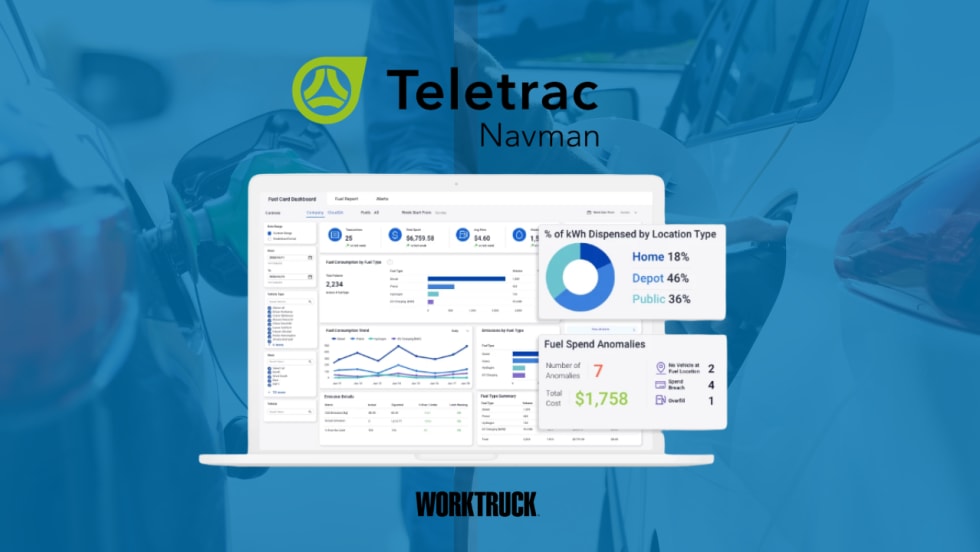
Teletrac Navman Adds Mixed-Energy Fleet Tools to TN360
The new Energy Hub combines fuel transactions, EV charging data, vehicle range, and energy costs in one dashboard for fleets operating multiple vehicle and energy types.
Read More →
WEX DriverDash adds CITGO, Expands Nationwide Access for Fleets
The DriverDash mobile payment app, by WEX, has been integrated into the CITGO merchant network, which means WEX has expanded its U.S. station footprint with the addition of approximately 4,000 CITGO locations.
Read More →
Mixed Energy Fleet Tips for Balancing EVs, Gas and Diesel Vehicles
Mixed energy fleets are becoming the new normal. Learn how fleet managers are balancing EVs, gas and diesel vehicles while controlling costs and planning for the future.
Read More →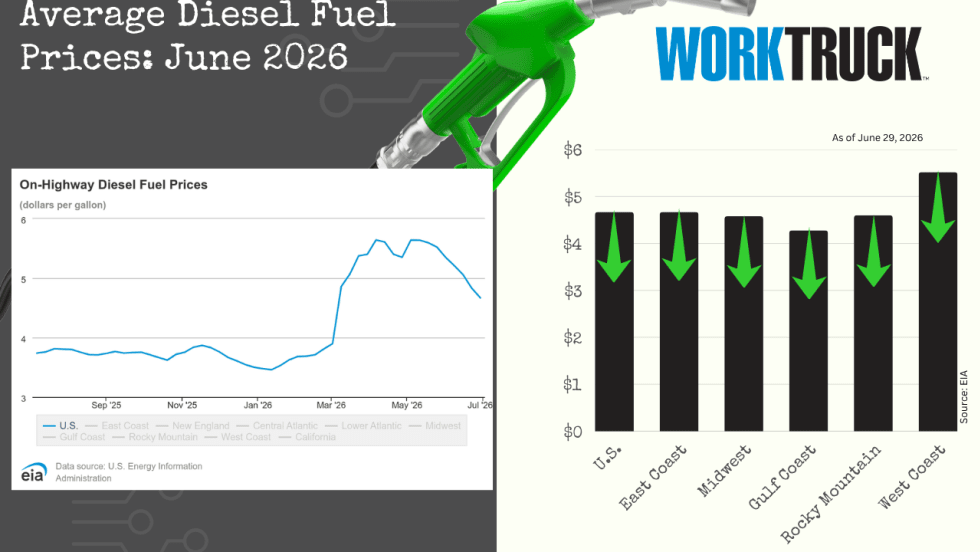
June Diesel Trends Update
The national average price of a gallon of diesel has dropped again, this week by more than 16 cents. All five regions reported lower average prices, ranging from almost 13 cents to more than 28 cents cheaper than a week ago.
Read More →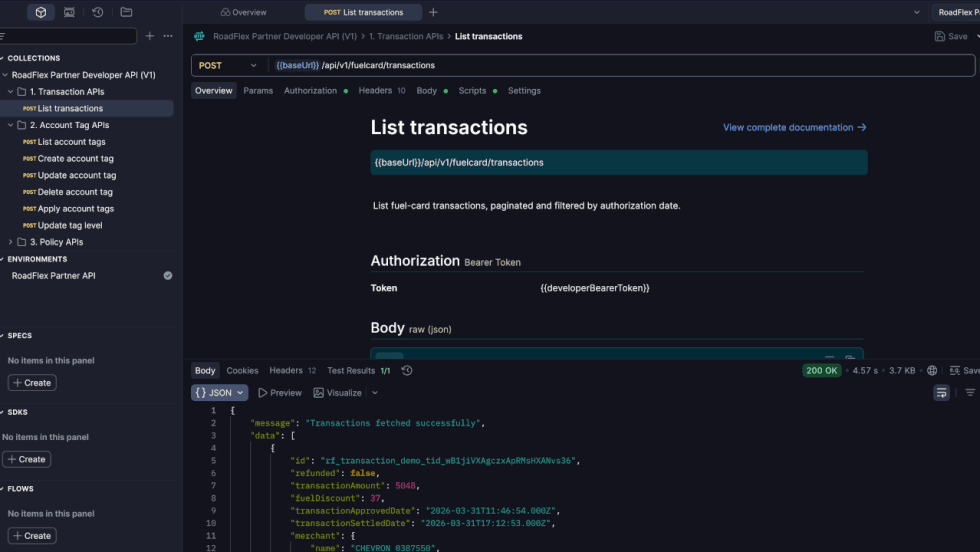
RoadFlex Launches RoadFlex Direct Open API Platform
RoadFlex Direct connects fuel cards, controls, and data to the telematics and fleet management systems fleets already run, from Geotab and Samsara to Fleetio and RTA, with no separate dashboard or double data entry.
Read More →
The Key to Fuel Efficiency Sits in the Cab
Learn how driver behavior, telematics, coaching, and fuel data can help fleets improve fuel efficiency, lower costs, and reduce emissions.
Read More →