




Impact of Full ELD Enforcement: ‘A Firehose of Violations’
Not just the illegally unprepared may feel the shock starting April 1, when full enforcement of the electronic logging device rule kicks in. That’s because everyone required to operate with an ELD will face “a firehose of violations” issued roadside by law enforcement, predicts Steve Bryan, president of Vigillo.
March 29, 2018


Everyone required to operate with an ELD will face “a firehose of violations” issued roadside by law enforcement, predicts Steve Bryan, president of Vigillo.
3 min to read

Everyone required to operate with an ELD will face “a firehose of violations” issued roadside by law enforcement, predicts Steve Bryan, president of Vigillo.
This Sunday, April 1, will roll in cold and hard for motor carriers and drivers who are not yet compliant with the electronic logging device mandate. That’s when the so-called “soft enforcement” period for ELD violations comes to a screeching halt for all but those exempt from the game-changing rule.
But not just the illegally unprepared could feel the shock of the new day’s dawning. That’s because everyone required to operate with an electronic logging device will face “a firehose of violations” issued roadside by law enforcement, predicts Steve Bryan, president of Vigillo.
Bryan used that arresting metaphor to drive home his point: Data collected during the soft enforcement period indicates that law enforcement is more than ready and able to start assigning Compliance, Safety, Accountability (CSA) points and issuing of out-of-service citations for any violation of the ELD mandate once April 1 arrives.
Full enforcement of the ELD rule will “not be limited to smaller carriers, as already brand-name carriers are being written up” during the ongoing soft enforcement period, he said during a panel on the topic during the Truckload Carriers Association’s annual convention this week in Orlando, Florida.
He said those violations include ones being racked up by ELD-compliant fleets because they may have “drivers who are not using their device correctly or not turning the device on correctly for inspectors” to examine their records of duty status.
According to Bryan, from the start of the mandate on Dec. 18 through the end of February, some 27,000 ELD violations were recorded. He said if that paces holds going into April – and there is no reason it won’t – carriers and drivers will feel like “a fire hose of data has been turned on them.”
On a more positive note, he said that once full enforcement kicks in, hours of service violations tied to the keeping of paper logs should drop off, thanks to the greater accuracy of ELDs – which of course is the whole point of the new rule.
Bryan’s forecast of where enforcement is headed is based on his combing through nearly three months of ELD citations that were being parked in “a holding place,” a temporary violation category, set up by the Commercial Vehicle Safety Alliance to be used during the soft enforcement period so that they wouldn’t ding CSA scores.
But, he stressed, come April 1, those violations will “start to go into their real hours of service violation category,” where they will pack their maximum wallop on CSA points.
“’Soft enforcement’ seems to have gone as planned,” said Bryan. “It was only ‘soft’ because points were not assessed. But when it ends on April 1, a lot of carriers will see a dramatic impact. That even large carriers compliant on ELDs are getting these [violation] numbers [now] means you can’t be complacent about full enforcement.”
Originally posted on Automotive Fleet
More Technology & AI
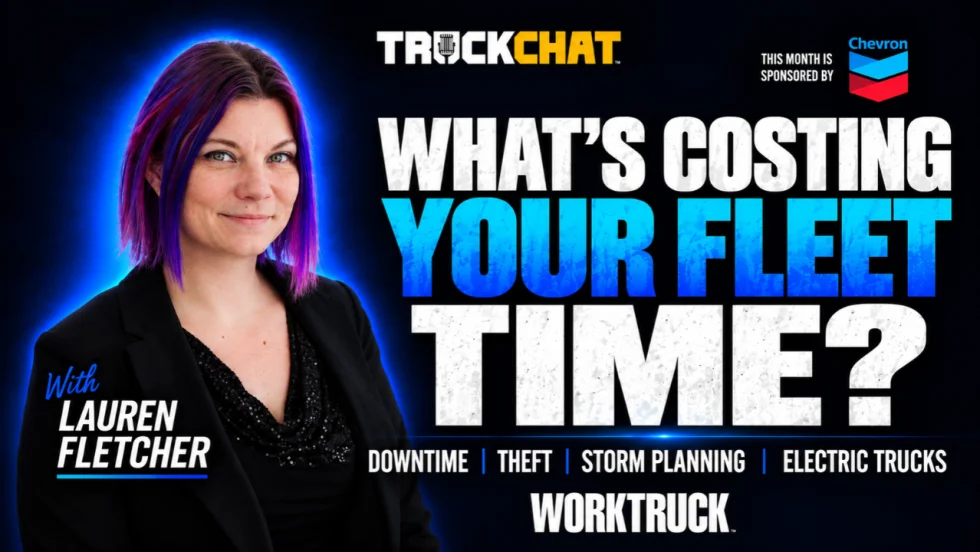
Fleet Downtime, Truck Theft, and Electric Growth Lead This Month
Where is your fleet losing time? This Truck Chat recap connects repair delays, theft risks, storm planning, and lessons from scaling electric trucks.
Read More →
HCSS Partners with Verizon Connect to Deliver Fleet Intelligence for Construction Fleets
HCSS has integrated with Verizon Connect to provide near real-time fleet insights so contractors can spend less time tracking assets and more time keeping projects on schedule.
Read More →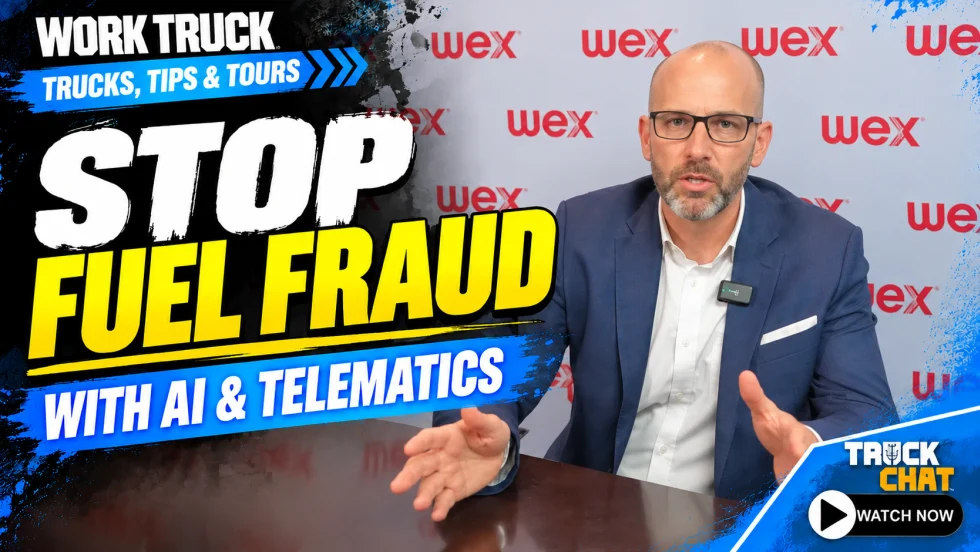
How Fleets Can Use Technology to Fight Fuel Fraud
Fuel fraud and theft remain significant challenges for commercial fleets, whether the problem involves third-party fraud or driver misuse. In this video, David Abraham of WEX explains how SecureFuel uses vehicle geolocation, telematics, transaction information, and AI to help fleet managers identify suspicious fuel purchases and make more informed decisions.
Read More →From Our Partners
Basic Tracking vs Next Generation Fleet Technology
Sponsored by AT&T Business

5 Facts Every Fleet Manager Should Know About Embedded Telematics
Sponsored by Stellantis/Mobilisights

How AI Video Telematics Boosts Driver Safety and Helps to Avoid Unnecessary Costs
Sponsored by Verizon Connect

Charting the 8 Bottom-Line Benefits of Workforce Optimization
Sponsored by Verizon Connect

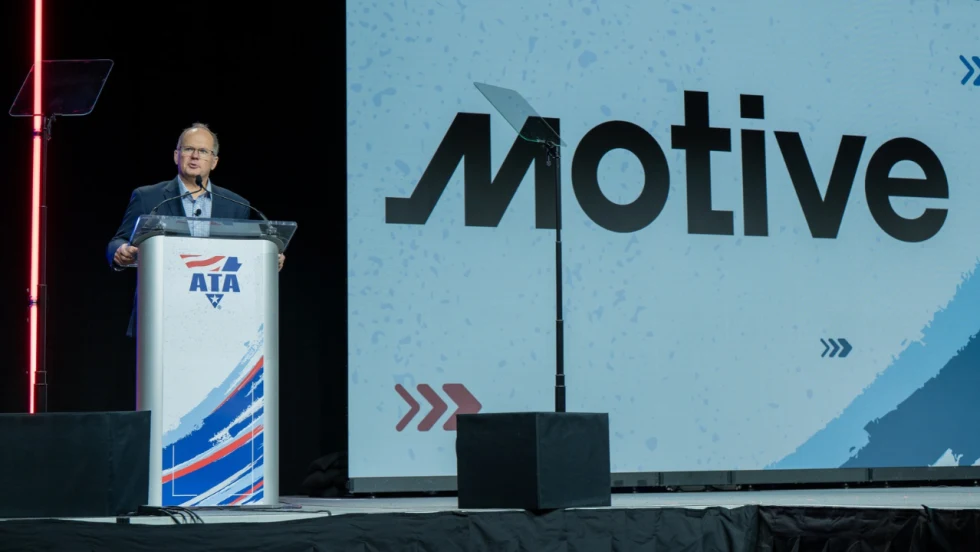
Can AI Agents Help Small Work Truck Fleets Do More With Less?
Motive's new AI Agents automate fleet safety, maintenance, compliance, and dispatch tasks. Here's how they work for smaller fleets, what managers control, and what early users are seeing.
Read More →
Paccar Launches Paccar Connect for Peterbilt and Kenworth Trucks
The new Paccar Connect offers touchscreen displays, telematics capabilities, and an expanding app ecosystem to boost productivity and streamline driver workflows.
Read More →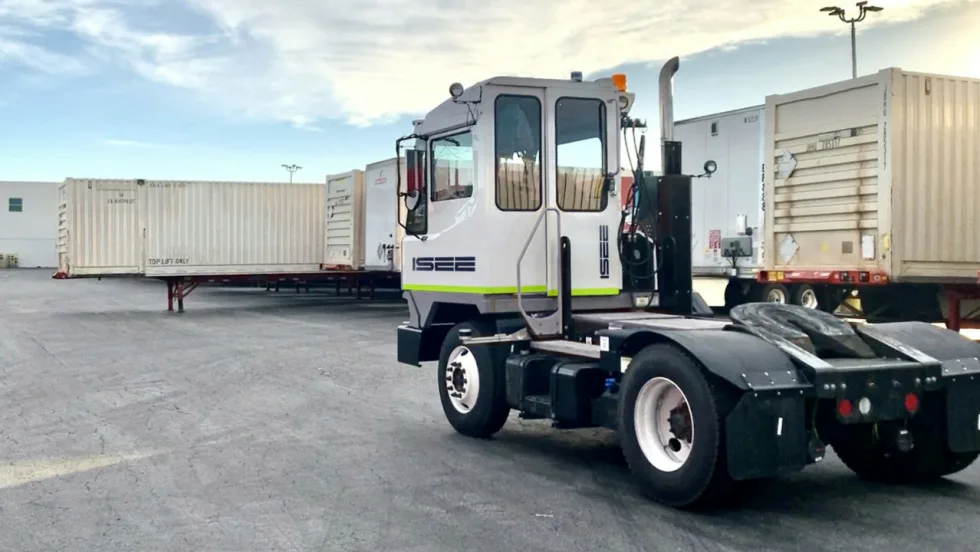
Holman and ISEE Partner to Expand Autonomous Yard Truck Operations
The partnership combines Holman's fleet management and upfitting capabilities with ISEE's autonomous driving technology to help businesses deploy and manage driverless yard trucks.
Read More →
Who You Gonna Call? Rivian Turns Electric Vehicles Into Ghostbusters Rides
Rivian teams up with Sony Pictures for a Ghostbusters-inspired Halloween software update, complete with custom sounds, lighting effects, and a special Ecto-R1.
Read More →
The Second Trip and What Missing Tools Really Cost a Service Business
For service fleets, missing tools and equipment can lead to second trips, lost technician time, higher operating costs, and delayed jobs. Equipment tracking can help HVAC, plumbing, electrical, landscaping, and other service businesses improve visibility and reduce downtime.
Read More →
GeoFencing Adds to Your Truck Security Arsenal
Geofencing is a familiar fleet tool today, but its early adoption marked a major shift in vehicle tracking, route monitoring, and the debate over employee privacy.
Read More →
Geotab Data Shows Regional Trucking Growing Faster as Last Mile Routes Get Denser
Geotab's first U.S. supply chain report finds stable long-haul activity, stronger regional freight movement, tighter hub-and-spoke utilization, and more last-mile trips on shorter routes.
Read More →