




Illinois Bill Requires Posting of Truck Routes and Education on Truck GPS
SKOKIE, IL - Illinois Governor Pat Quinn has signed legislation aimed at enhancing truck safety in the state by making truck routing and restrictions more accessible to the commercial trucking industry.
SKOKIE, IL - Illinois Governor Pat Quinn has signed legislation aimed at enhancing truck safety in the state by making truck routing and restrictions more accessible to the commercial trucking industry. The new law also provides a program to educate professional truck drivers about the vast differences between truck and car GPS devices.
House Bill 1377, now signed into law, was the result of recommendations made by a State of Illinois Task Force charged with investigating the use of GPS technology as well as compliance with the Designated Truck Route System.
Among other things, the new law, which goes into effect on January 1, 2012, requires local jurisdictions to provide the most up-to-date truck route information to the Illinois Department of Transportation, which in turn will post this information online.
The state task force, made up of government and industry representatives made three key recommendations that are part of the legislation:
1) Merge together databases containing key truck routing data such as overpasses, and legal restrictions;
2) Require local jurisdictions to report their designated truck networks and preferred routes via a simplified reporting process;
3) Educate truck drivers on the differences between GPS devices designed for trucks and those used in cars.
With the signing of this law, truck specific restrictions for Illinois municipalities will now become significantly more transparent to the public as well as to manufacturers of products designed to serve the commercial transportation industry. In addition, by educating truckers on appropriate routing for trucks (in contrast to routing for cars), this law is intended to increase safety on the roads and decrease the potential for dangerous bridge strikes which cause traffic congestion and infrastructure damage.
"The difference between a truck-specific GPS and a device designed for car routing is significant," said Rep. Michael Zalewski, Task Force Chairman and state representative for the 21st Illinois Congressional District. "Using the appropriate 'tool' for the job will benefit the citizens of Illinois by reducing accidents, congestion, and the costs of repairing infrastructure damaged by accidents involving commercial vehicles."
John McAvoy, Director of Engineering for Rand McNally, was one of nine members of the Task Force appointed to make recommendations to the Illinois State Assembly.
"There is a significant gap between what is readily available, and what should be reported and made available for manufacturers, to utilize in providing accurate truck-specific routing. Providing vital height and weight information in an easily accessible format will benefit all who share the road," said McAvoy.
In addition to participation in the Task Force, Rand McNally has been actively engaged with the Federal Motor Carrier Safety Administration and the U.S. Department of Transportation on educating professional drivers on the benefits of using truck-specific routing products such as GPS devices and maps.
More Technology & AI
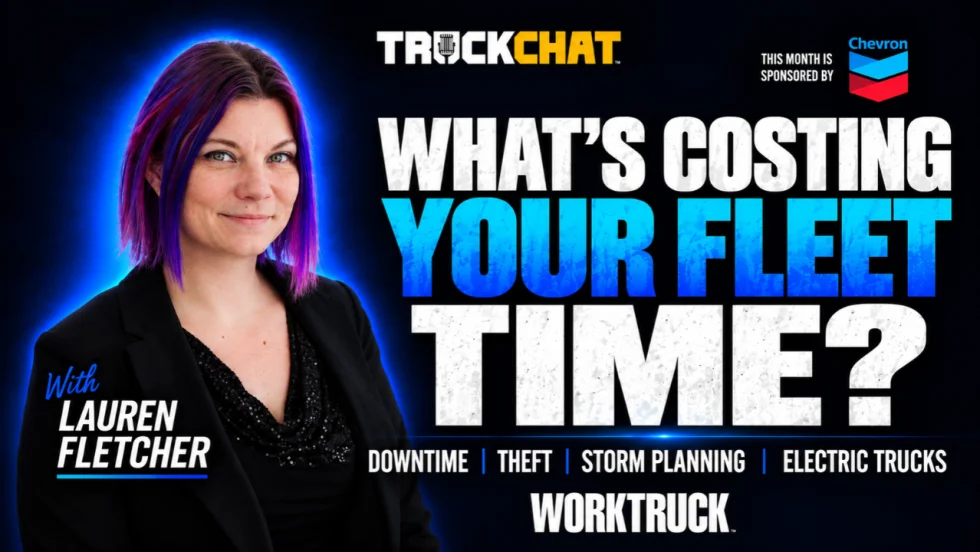
Fleet Downtime, Truck Theft, and Electric Growth Lead This Month
Where is your fleet losing time? This Truck Chat recap connects repair delays, theft risks, storm planning, and lessons from scaling electric trucks.
Read More →
HCSS Partners with Verizon Connect to Deliver Fleet Intelligence for Construction Fleets
HCSS has integrated with Verizon Connect to provide near real-time fleet insights so contractors can spend less time tracking assets and more time keeping projects on schedule.
Read More →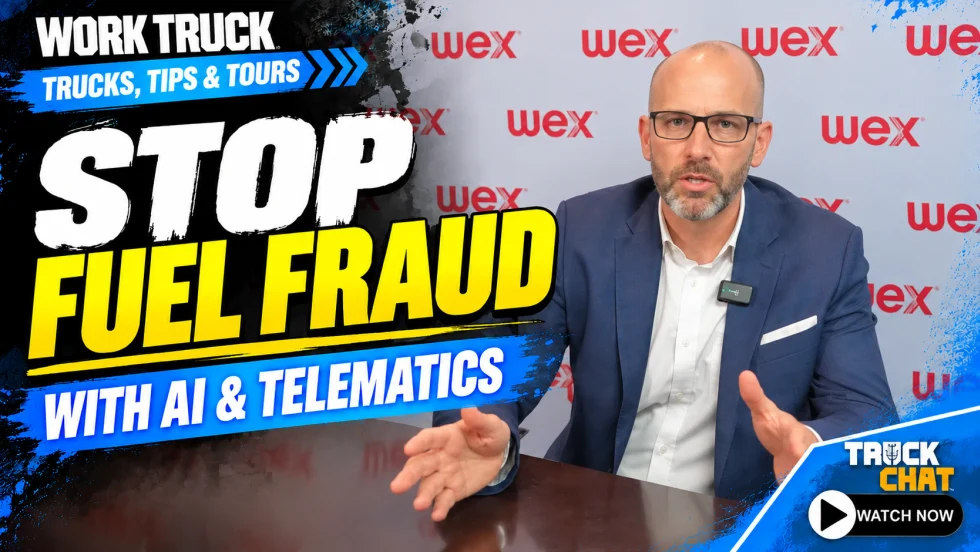
How Fleets Can Use Technology to Fight Fuel Fraud
Fuel fraud and theft remain significant challenges for commercial fleets, whether the problem involves third-party fraud or driver misuse. In this video, David Abraham of WEX explains how SecureFuel uses vehicle geolocation, telematics, transaction information, and AI to help fleet managers identify suspicious fuel purchases and make more informed decisions.
Read More →From Our Partners
Basic Tracking vs Next Generation Fleet Technology
Sponsored by AT&T Business

5 Facts Every Fleet Manager Should Know About Embedded Telematics
Sponsored by Stellantis/Mobilisights

How AI Video Telematics Boosts Driver Safety and Helps to Avoid Unnecessary Costs
Sponsored by Verizon Connect

Charting the 8 Bottom-Line Benefits of Workforce Optimization
Sponsored by Verizon Connect

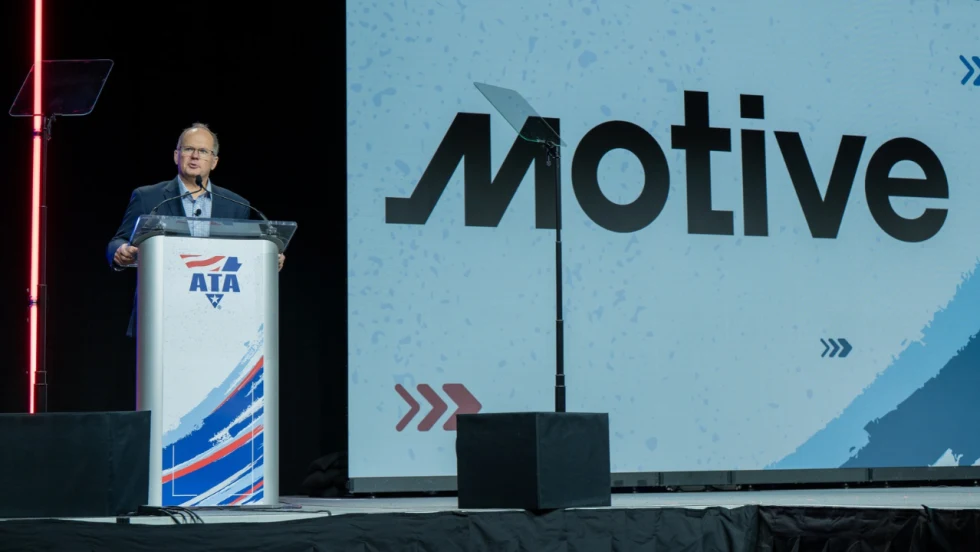
Can AI Agents Help Small Work Truck Fleets Do More With Less?
Motive's new AI Agents automate fleet safety, maintenance, compliance, and dispatch tasks. Here's how they work for smaller fleets, what managers control, and what early users are seeing.
Read More →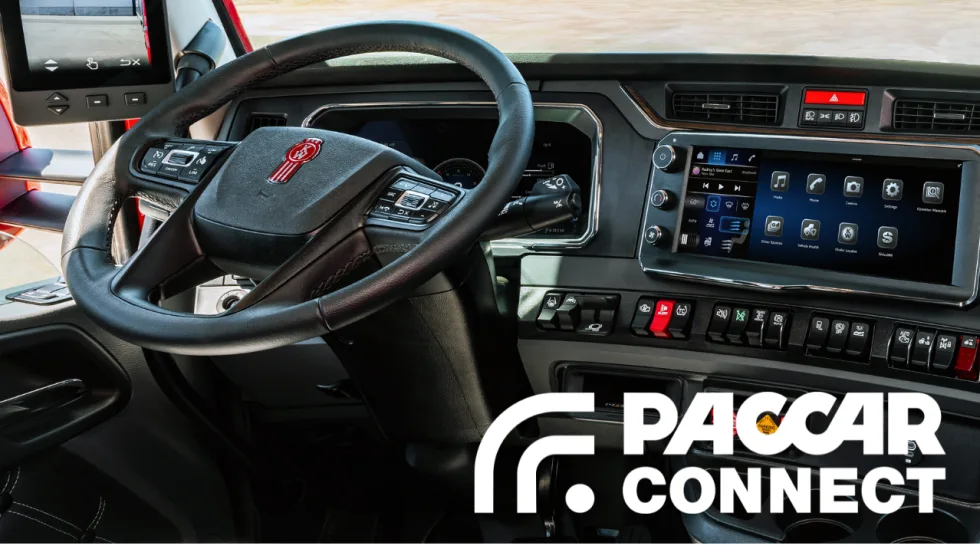
Paccar Launches Paccar Connect for Peterbilt and Kenworth Trucks
The new Paccar Connect offers touchscreen displays, telematics capabilities, and an expanding app ecosystem to boost productivity and streamline driver workflows.
Read More →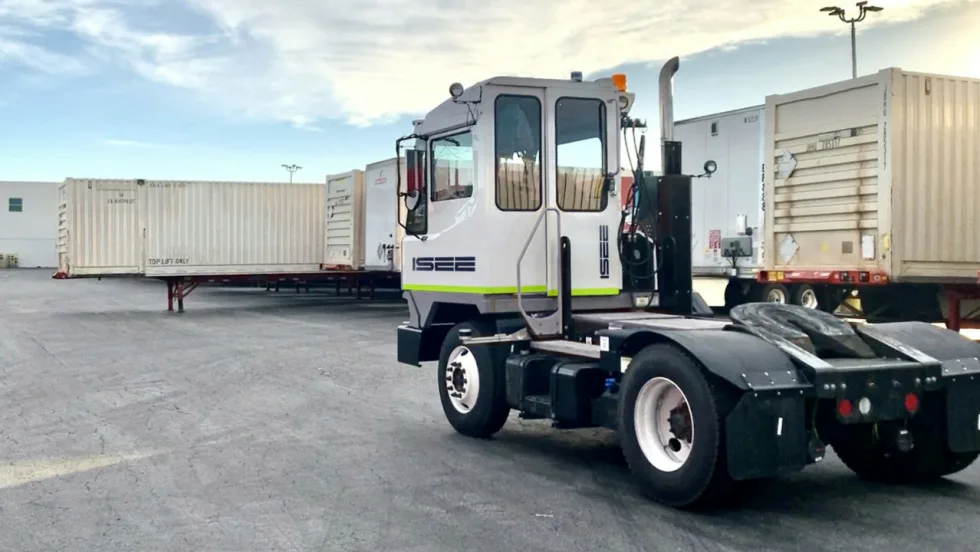
Holman and ISEE Partner to Expand Autonomous Yard Truck Operations
The partnership combines Holman's fleet management and upfitting capabilities with ISEE's autonomous driving technology to help businesses deploy and manage driverless yard trucks.
Read More →
Who You Gonna Call? Rivian Turns Electric Vehicles Into Ghostbusters Rides
Rivian teams up with Sony Pictures for a Ghostbusters-inspired Halloween software update, complete with custom sounds, lighting effects, and a special Ecto-R1.
Read More →
The Second Trip and What Missing Tools Really Cost a Service Business
For service fleets, missing tools and equipment can lead to second trips, lost technician time, higher operating costs, and delayed jobs. Equipment tracking can help HVAC, plumbing, electrical, landscaping, and other service businesses improve visibility and reduce downtime.
Read More →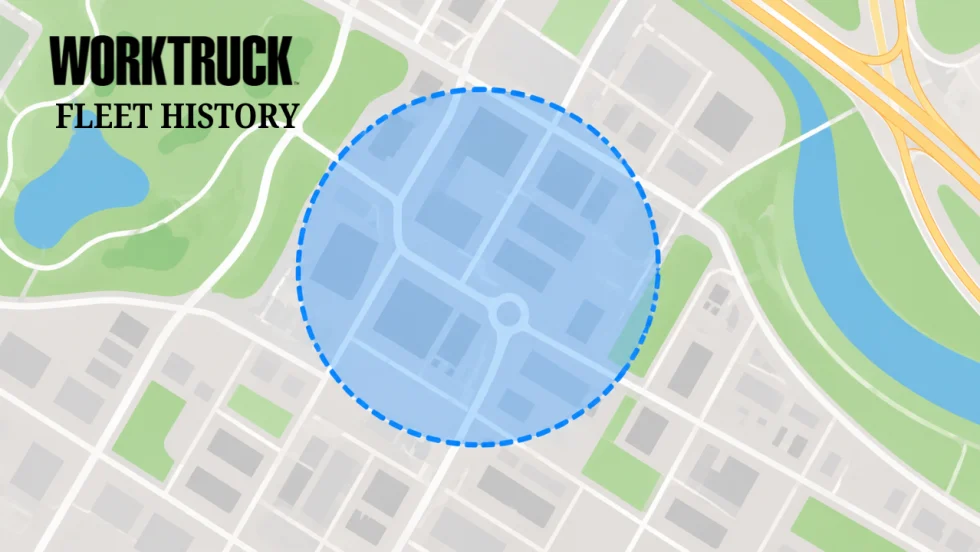
GeoFencing Adds to Your Truck Security Arsenal
Geofencing is a familiar fleet tool today, but its early adoption marked a major shift in vehicle tracking, route monitoring, and the debate over employee privacy.
Read More →
Geotab Data Shows Regional Trucking Growing Faster as Last Mile Routes Get Denser
Geotab's first U.S. supply chain report finds stable long-haul activity, stronger regional freight movement, tighter hub-and-spoke utilization, and more last-mile trips on shorter routes.
Read More →