




Hybrid Medium and HD Truck Sales to Surpass 100,000 Vehicles Annually by 2017
BOULDER, CO - As the global economy begins tentative steps toward recovery, truck manufacturers are looking to technologies that can help mitigate the rising cost of diesel fuel while meeting increasingly strict emissions requirements.
BOULDER, CO - As the global economy begins tentative steps toward recovery, truck manufacturers are looking to technologies that can help mitigate the rising cost of diesel fuel while meeting increasingly strict emissions requirements. Trucks that utilize electricity to meet these goals come in four variations: hybrid electric, plug-in hybrid, battery electric, and plug-in electric power take-off (EPTO) to operate equipment onboard without using fuel. As the technology costs fall and diesel prices increase, the value proposition for hybrid trucks is strong, and a new report from Pike Research forecasts that sales will surpass 100,000 vehicles annually by 2017.
"The truck market has experienced seismic changes in the last few years," says senior analyst Dave Hurst. "The global recession has taken a huge toll on medium duty and heavy duty truck sales in many regions. As fuel prices have increased, truck manufacturers have responded by expanding their offerings of alternative drivetrains to help reduce emissions and fuel usage by trucks."
However, Hurst adds that the primary challenge facing the hybrid truck market remains the cost of the system. Hybrid electric vehicles (HEVs), plug-in hybrid electric vehicles (PHEVs), and battery electric vehicles (BEVs) all continue to have higher upfront costs that are significant enough to result in higher total cost of ownership for the vehicles. While the typical operating cost of a diesel vehicle is significantly higher than that of other drivetrains ($0.72/mile for diesel versus $0.60/mile for hybrid and $0.22/mile for BEV trucks), Pike Research's analysis indicates that the higher purchase cost and low cost of diesel in some markets means that the trucks are not able to recover the incremental costs for the electric drive system in their lifetime. As a result, government incentives and emissions or fuel economy regulations will continue to play a very important role in promoting hybrids and plug-in trucks.
Pike Research's analysis further indicates that most HEV, PHEV, and BEV trucks will utilize different chemistries of lithium ion (Li-ion) batteries. The cleantech market intelligence firm expects that the use of nickel metal hydride (NiMH) batteries will peak in 2016, as vehicle manufacturers move their remaining systems toward Li-ion. The Li-ion market is expected to reach 3.6 million kilowatt hours (kWh) globally in the medium and heavy duty truck market by 2017.
Pike Research's report, "Hybrid Medium and Heavy Duty Trucks", examines the opportunities and challenges in the market for hybrid electric, plug-in hybrid, and battery electric medium and heavy-duty trucks. The report provides a comprehensive assessment of the different drivetrains, battery technologies, and key drivers of market growth. The report explores global government regulations regarding diesel emissions and vehicle purchase incentives and includes detailed forecasts through 2017. Key market players are also profiled. An Executive Summary of the report is available for free download on the firm's website.
More Green Fleet

Fleet Forward Conference Introduces One-Day Passes for 2026
New one-day registration gives fleet professionals the flexibility to attend Tuesday, Wednesday, or Thursday, with passes available for $199 through Sept. 18.
Read More →
CALSTART Rebrands as Catalyst Mobility, Will Combine with Forth in 2027
CALSTART has rebranded as Catalyst Mobility and will combine with Forth at the start of 2027. The new organization said it is poised to become one of the world's largest, strongest, and most impactful clean transportation nonprofits.
Read More →
Electric Truck and Charging Programs to Boost Sustainability at NY & NJ Ports
Together, the Port Authority of New York and New Jersey and CALSTART will electrify drayage and terminal operations serving the East Coast’s busiest container port. A pair of incentive programs totaling $45 million has launched to accelerate adoption of zero-emission drayage trucks and terminal tractors.
Read More →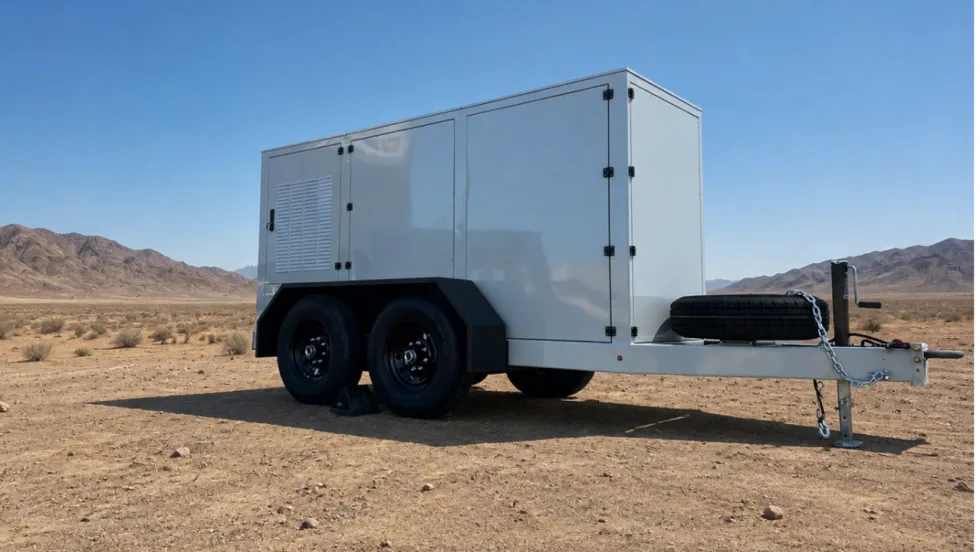
Xos Hub Surpasses One Gigawatt-Hour of Energy Delivered in the Field
A single Xos Hub has surpassed one gigawatt-hour of energy across more than 33,600 charging sessions in the field, demonstrating performance that supports Xos' expansion across new products and markets.
Read More →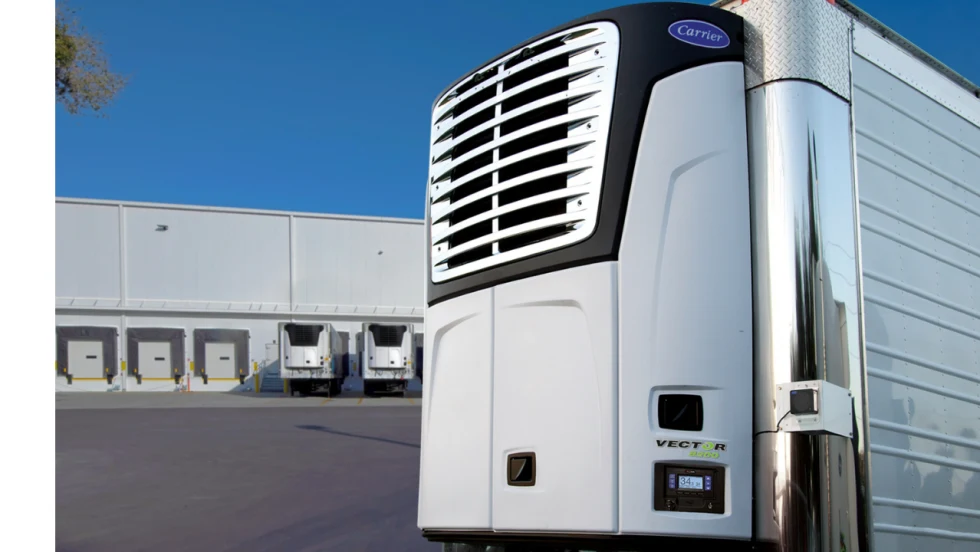
Carrier Transicold Launches All-Electric Vector 8200 TRU for Diesel-Free On-Site Cold Storage
Carrier Transicold’s first engineless multi-temperature TRU helps fresh- and frozen-food fleets add supplemental cold storage capacity during seasonal peaks.
Read More →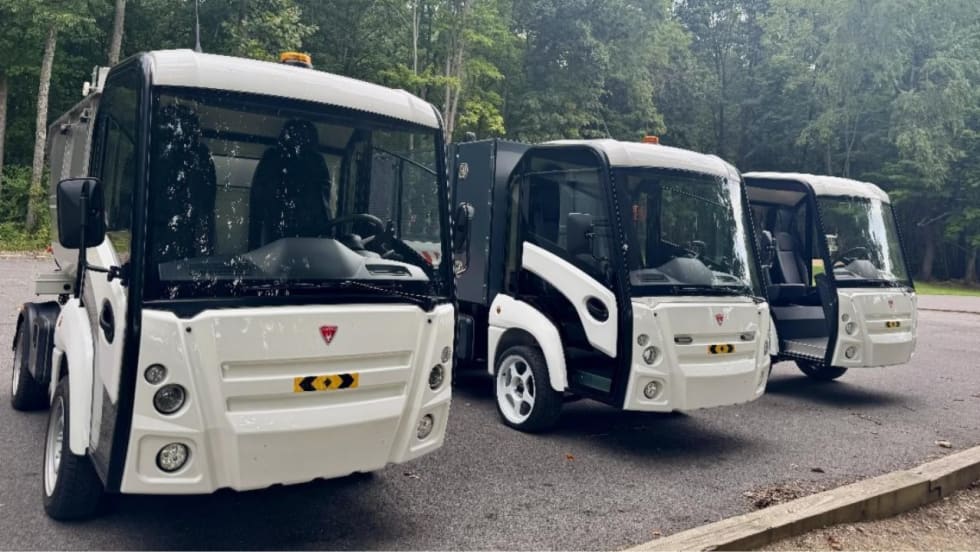
Narro Trucks Introduces Electric Utility Vehicle
Narro Trucks officially launched its operations on Aug. 20 and hosted a ride and drive to showcase its electric truck, which will be produced in Virginia.
Read More →
Samsung SDI Takes Full Control of GM Battery JV as Indiana Plant Pivots to Energy Storage
Samsung SDI is taking full control of its Indiana battery plant with GM, marking a major shift from the EV-focused joint venture Charged Fleet first covered in 2023.
Read More →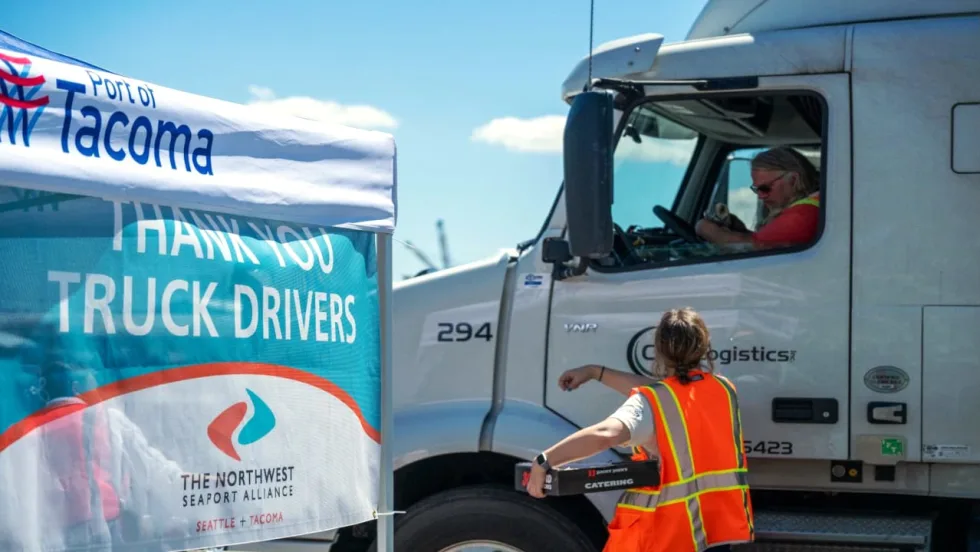
NWSA Taps CALSTART to Administer Zero-Emission Drayage Assistance Program
CALSTART will provide free technical assistance services to drayage fleets serving the Ports of Seattle and Tacoma and looking to transition to cleaner technologies and help decarbonize freight hubs.
Read More →
EV Fleet Reality Check: What Operators Wish They Knew Before Electrifying Their Work Vans
Electric work truck upfits bring new compatibility questions. Learn how parts availability, OEM guidance, power demands, and route planning can affect fleet performance.
Read More →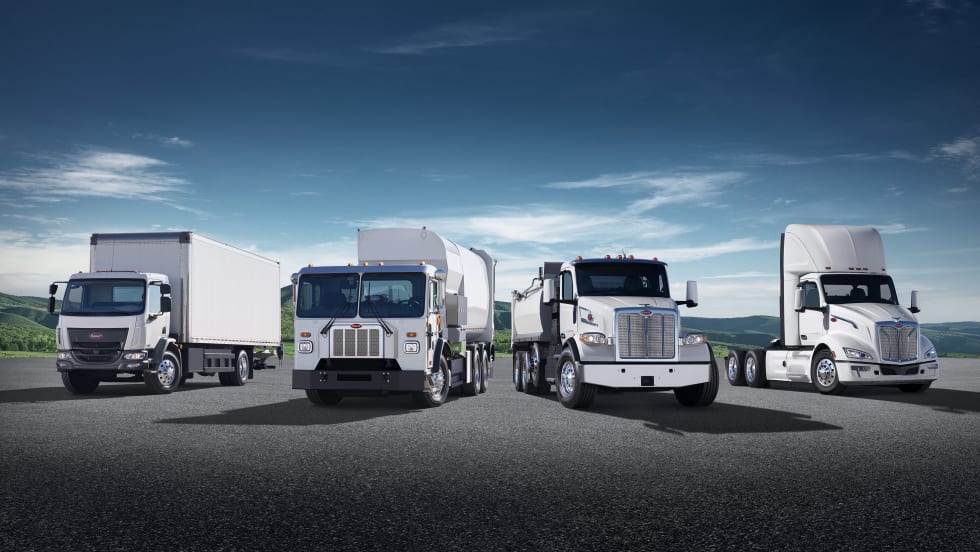
Peterbilt Expands Sourcewell Partnership with Electric Vehicle Lineup
Peterbilt Motors Company’s cooperative purchasing agreement with Sourcewell and its Canadian partner, Canoe Procurement Group, now includes including Peterbilt's battery-electric vehicle lineup.
Read More →