




Hybra-Drive Selected to Build Hydraulic Hybrid Truck for Testing
PASADENA, CA – A government-corporate partnership led by CALSTART has selected a Michigan firm to build three identical hydraulic hybrid delivery trucks for real-world testing by UPS, FedEx Ground, and Purolator.
PASADENA, CA – A government-corporate partnership led by CALSTART has selected a Michigan firm to build three identical hydraulic hybrid delivery trucks for real-world testing by UPS, FedEx Ground, and Purolator. The partnership, CALSTART’s Hybrid Truck Users Forum (HTUF), selected Hybra-Drive Systems LLC to build three large Class 6 trucks for road testing that incorporate the firm’s approach to the promising hydraulic hybrid technology.
“We are increasingly convinced that this technology offers a chance to — fairly quickly — improve the fuel mileage of large trucks,” said Bill Van Amburg, senior vice president of CALSTART. “We’ve seen several innovative approaches for this type of vehicle and this is one that our team wants to test to help speed introduction.”
Under the new agreement, which is being funded by the Department of Energy, Hybra-Drive will build and deliver three hydraulic hybrid trucks over the next 9 to 12 months. UPS, FedEx Ground, and Purolator then will conduct a six- to nine-month evaluation of the vehicle. Hybra-Drive hopes the evaluations will demonstrate up to a 60 percent cut in fuel use along with an accompanying reduction in emissions.
Hybra-Drive, based in Deerfield, Mich. , was selected from among roughly four dozen companies that responded to a Request for Proposals issued last September.
In a hydraulic hybrid truck, a high-efficiency diesel engine is combined with a unique hydraulic propulsion system, replacing the conventional drivetrain and transmission. The vehicle uses hydraulic pumps and hydraulic storage tanks to store energy, similar to what is done with electric motors and batteries in hybrid electric vehicles. Fuel economy is increased in three ways: vehicle braking energy is recovered that normally is wasted; the engine is operated more efficiently; and the engine can be shut off when stopped or decelerating.
The U.S. Environmental Protection Agency unveiled the first hydraulic hybrid diesel urban delivery vehicle in June 2006. Since then, several vehicle manufacturers have been working on the technology. Hybra-Drive’s approach is unique in that it has developed a hydraulic fluid transmission to go along with the hydraulic pumps and storage tanks that are used to store energy.
Hybra-Drive Systems, working in conjunction with Gates Corporation, Detroit Custom Chassis (a subsidiary of Spectra LMP, LLC), and Morgan Olson LLC, proposed a series hydraulic hybrid vehicle (HHV) based on a Ford chassis for the validation project. In this design, a gasoline, alternative fuel, or diesel engine can be used to operate a hydraulic pump that pressurizes a stored energy hydraulic system to propel the vehicle. The HDS-HHPT system is designed to add no extra curb weight compared to the standard vehicle and includes unique, cost effective designs for the variable displacement gear pump and fluid power accumulator system.
Although the corporate members have direct experience with operating both hydraulic and electric hybrid parcel delivery vehicles, their objective is to explore other technology options to better understand the relative merits and benefits of different technical approaches. The Hybrid Truck Users Forum allows the corporate members to pool their resources more efficiently and work together to advance alternative fuel technologies.
More Green Fleet

Fleet Forward Conference Introduces One-Day Passes for 2026
New one-day registration gives fleet professionals the flexibility to attend Tuesday, Wednesday, or Thursday, with passes available for $199 through Sept. 18.
Read More →
CALSTART Rebrands as Catalyst Mobility, Will Combine with Forth in 2027
CALSTART has rebranded as Catalyst Mobility and will combine with Forth at the start of 2027. The new organization said it is poised to become one of the world's largest, strongest, and most impactful clean transportation nonprofits.
Read More →
Electric Truck and Charging Programs to Boost Sustainability at NY & NJ Ports
Together, the Port Authority of New York and New Jersey and CALSTART will electrify drayage and terminal operations serving the East Coast’s busiest container port. A pair of incentive programs totaling $45 million has launched to accelerate adoption of zero-emission drayage trucks and terminal tractors.
Read More →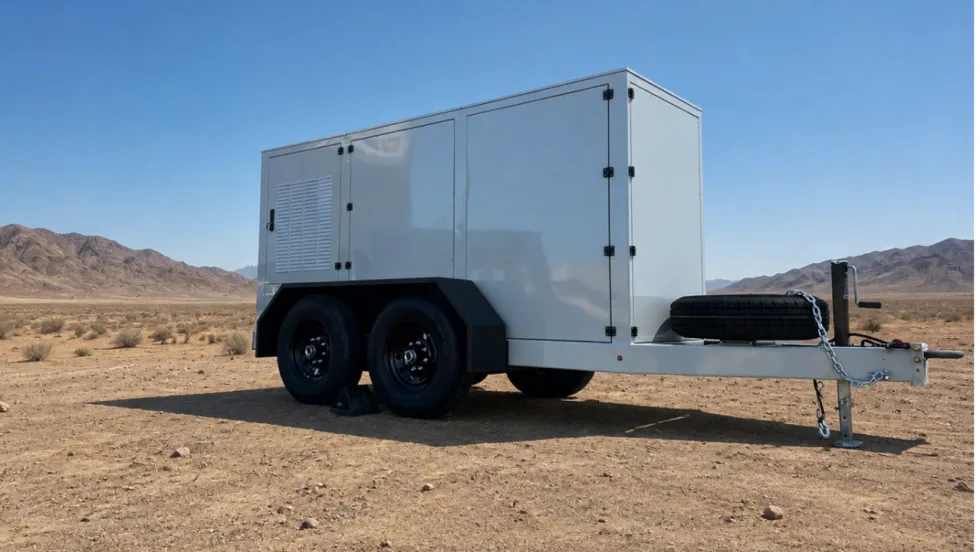
Xos Hub Surpasses One Gigawatt-Hour of Energy Delivered in the Field
A single Xos Hub has surpassed one gigawatt-hour of energy across more than 33,600 charging sessions in the field, demonstrating performance that supports Xos' expansion across new products and markets.
Read More →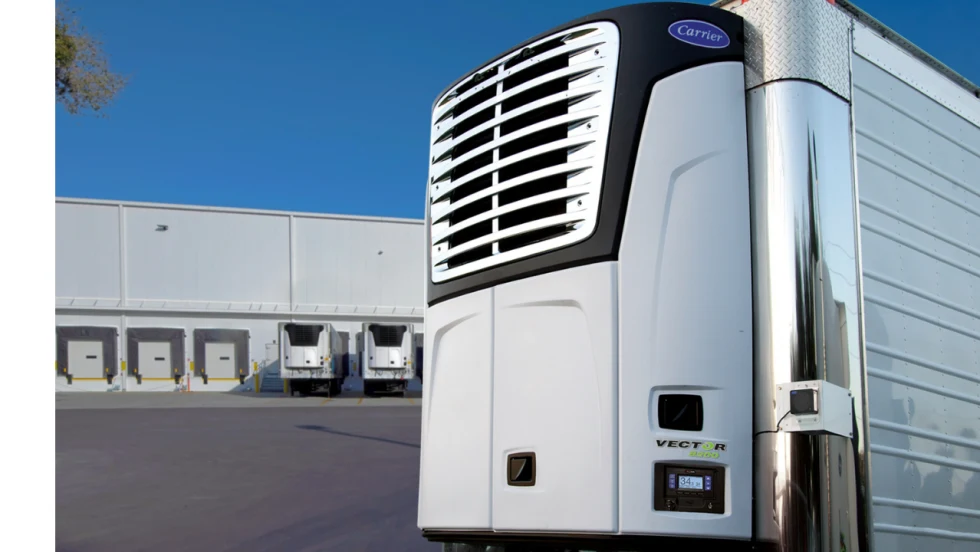
Carrier Transicold Launches All-Electric Vector 8200 TRU for Diesel-Free On-Site Cold Storage
Carrier Transicold’s first engineless multi-temperature TRU helps fresh- and frozen-food fleets add supplemental cold storage capacity during seasonal peaks.
Read More →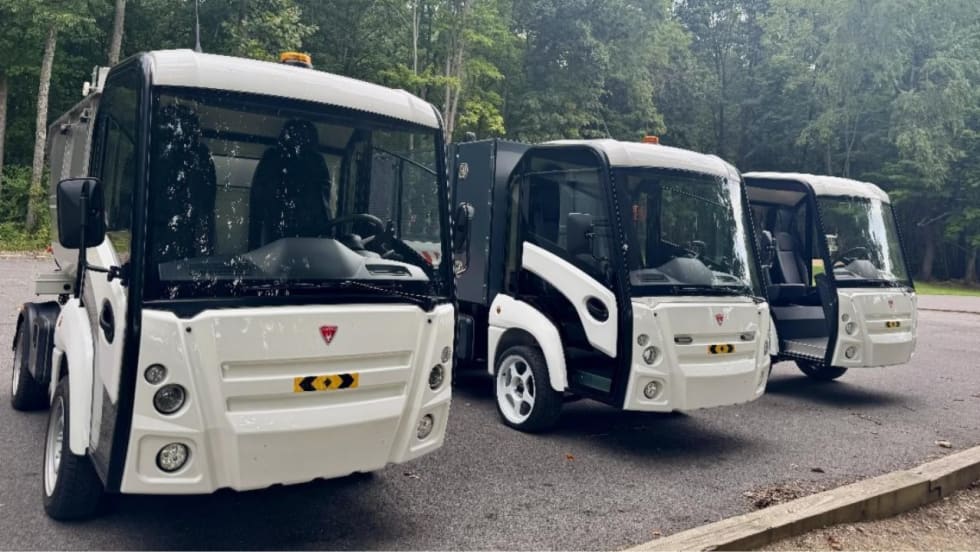
Narro Trucks Introduces Electric Utility Vehicle
Narro Trucks officially launched its operations on Aug. 20 and hosted a ride and drive to showcase its electric truck, which will be produced in Virginia.
Read More →
Samsung SDI Takes Full Control of GM Battery JV as Indiana Plant Pivots to Energy Storage
Samsung SDI is taking full control of its Indiana battery plant with GM, marking a major shift from the EV-focused joint venture Charged Fleet first covered in 2023.
Read More →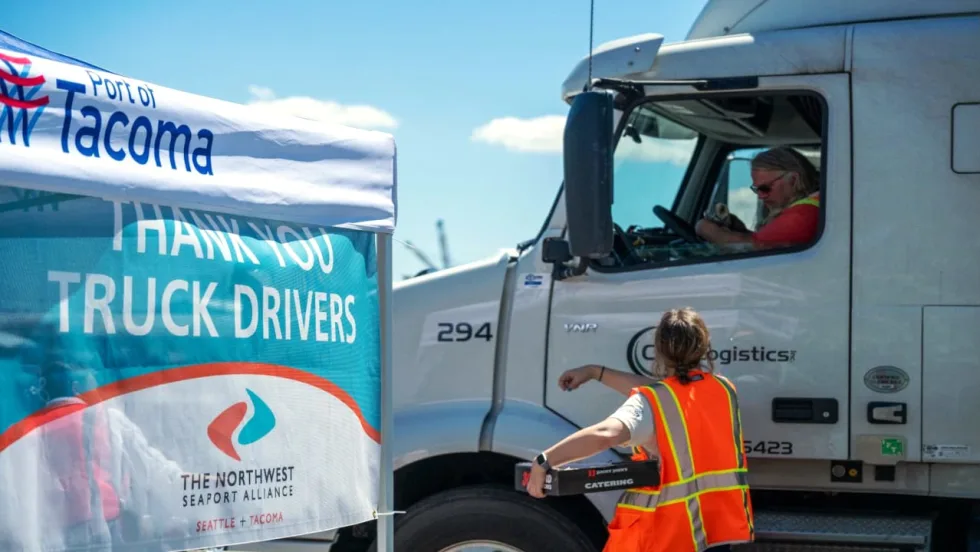
NWSA Taps CALSTART to Administer Zero-Emission Drayage Assistance Program
CALSTART will provide free technical assistance services to drayage fleets serving the Ports of Seattle and Tacoma and looking to transition to cleaner technologies and help decarbonize freight hubs.
Read More →
EV Fleet Reality Check: What Operators Wish They Knew Before Electrifying Their Work Vans
Electric work truck upfits bring new compatibility questions. Learn how parts availability, OEM guidance, power demands, and route planning can affect fleet performance.
Read More →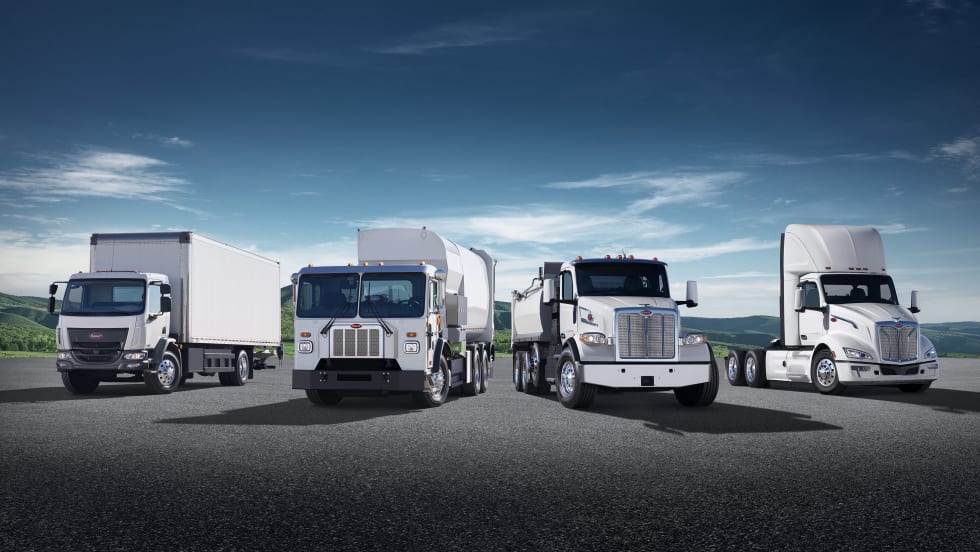
Peterbilt Expands Sourcewell Partnership with Electric Vehicle Lineup
Peterbilt Motors Company’s cooperative purchasing agreement with Sourcewell and its Canadian partner, Canoe Procurement Group, now includes including Peterbilt's battery-electric vehicle lineup.
Read More →