




Related: Latest Trends in Telematics
How Telematics and Data are Changing Fleet
Investment in telematics is critical and the industry knows it. The proliferation of telematics solutions in the fleet industry has been rising and will continue its upward trajectory as the technology grows and develops in terms of what it offers fleets

Andy Lundin・Former Senior Editor
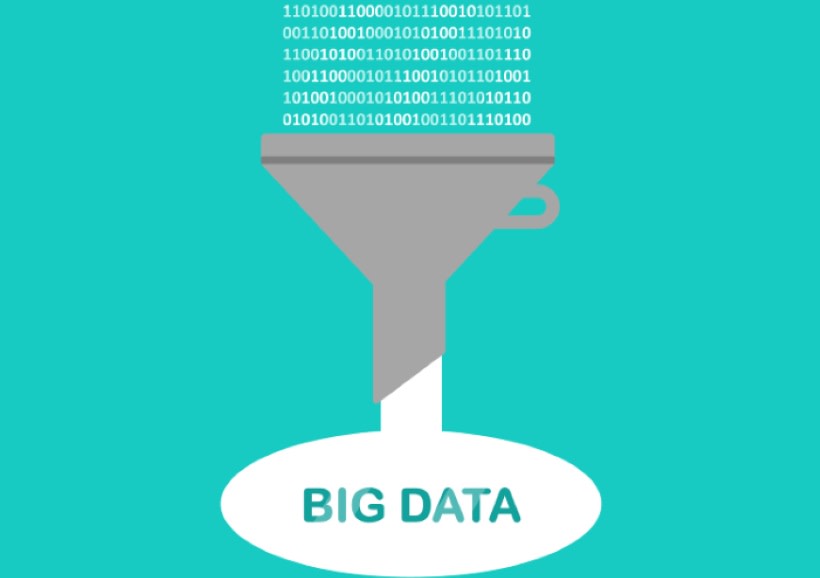
As telematics technology continues to grow, it will expand to include more data types that fleets can analyze, as well as provide more ways to parse through the data to find actionable ways for fleets to utilize what they discover.
Graphic courtesy of Tumisu via Pixabay.
3 min to read
Investment in telematics is critical and the industry knows it. The proliferation of telematics solutions in the fleet industry has been rising and will continue its upward trajectory as the technology grows and develops in terms of what it offers fleets

Sherry Calkins, Geotab
Over the last decade, the North American commercial telematics market grew from approximately two million units in service to 6.4 million units, according to a 2019 study from C.J. Driscoll & Associates. Over this period, revenues of North American telematics hardware and service grew from an estimated $2 billion to $5.3 billion.
While several market segments are maturing, overall market growth remains strong and revenues are projected to reach $7.5 billion by 2022, the report also found.
As the technology continues to grow, it will expand to include more data types that fleets can analyze, as well as provide more ways to parse through the data to find actionable ways for fleets to utilize what they discover.
But with so much information available, fleets are in need of effective ways to address the abundance of data.
Ultimately, a harmonization of telematics technologies and data between companies may become the norm of the future, noted Sherry Calkins, VP strategic partners, Geotab.
“One of the key future game changers in the fleet industry will be operating systems that can support open platforms for data integration,” said Calkins. “As businesses continue to merge and streamline operations around the globe, harmonizing data will be critical for fleets to combine data from multiple systems and utilize telematics data to give it meaning.”
Companies like Geotab are making their available fleet platforms open to communicating with other organizations’ systems.
“Having one integrated platform that can make sense of the data, provide predictive analytics and enable businesses to tackle large scale problems will be the future for fleet management operating systems,” added Calkins.
Further still, OEMs are also working in the space through an embedding of telematics tech into fleet assets, including with collaborations with FMCs and suppliers.
Having telematics become a more ubiquitous functionality in fleet vehicles will help reduce logistical headaches for fleets.

[EMPTY CREDIT]
“With this technology now factory-installed in many popular fleet models, this eliminates one of the biggest roadblocks companies typically face when exploring a telematics solution – installation costs and logistics as well as the associated vehicle downtime," said Howie Spangler, VP, Information Technology, ARI.
Beyond simplifying installation to prevent potential fleet downtime, having telematics capabilities embedded directly into the vehicle will play a role in how telematics and analytics become more integrated going forward.
“OEM-enabled telematics typically provides richer data and virtually eliminates the need to interpret or re-engineer the data received from traditional third-party OBD devices,” said Spangler.
With deeper insight into fleet specific metrics such as driver behavior, utilization, diagnostic data, etc., fleet operators can leverage the data to improve the efficiency and performance of vehicles and drivers.
“Updated technology will be revolutionary to vehicle and fleet operations,” said Emily Candib, Director of Fleet Products, Merchants Fleet. “Given fleet is somewhat unique with operating rules compared to consumer use, some technologies may target consumer use prior to fleet application due to the complexities that fleet structures can have. Adaption and agreement between manufacturers must be in-sync to make the technology useful to fleets. Additionally, barriers to entry for vendors to enter and support the connected space must be low.”

Emily Candib, Merchants Fleet
The continued connection between this data expansion and FMCs will also be critical.
“With an eye towards the future, in addition to receiving a myriad of data points from the vehicle, FMCs may be able to push data to the driver via the infotainment system and direct appropriate actions—gaining efficiency-driven and safety-oriented results. For example, we may eventually have the capability to send communications such as PM reminders or warnings about high-risk driving habits straight to the vehicle to further re-enforce behavioral changes” said Spangler.
Originally posted on Automotive Fleet
More Technology
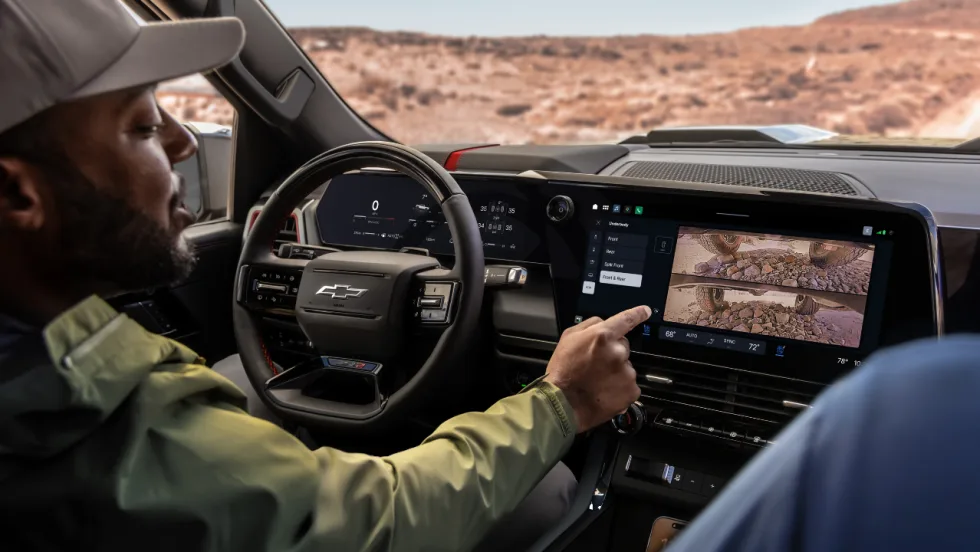
GM Brings New Truck Focused Interface to 2027 Silverado and Sierra
GM's new pickup interface puts trailering data, camera views, vehicle controls, and smartphone integration closer to the driver in the 2027 Silverado and Sierra.
Read More →
Samsara Driver Perks Expands Rewards Beyond the Long Haul Driver
Samsara’s new driver rewards program was built with a broader professional driver in mind, including employees who split their day between driving, job sites, service calls, and other work.
Read More →
AI Service Advisor Aims to Cut Fleet Repair Downtime
Fleetio said its AI Service Advisor can help fleets cut repair downtime by an average of 2.5 hours per repair while reducing manual maintenance work.
Read More →
Verra Mobility Launches AI-Driven Title & Registration Solution
Verra Mobility has launched a new AI-driven Title & Registration platform to help fleets move vehicles from acquisition to the road the same day while reducing compliance risk.
Read More →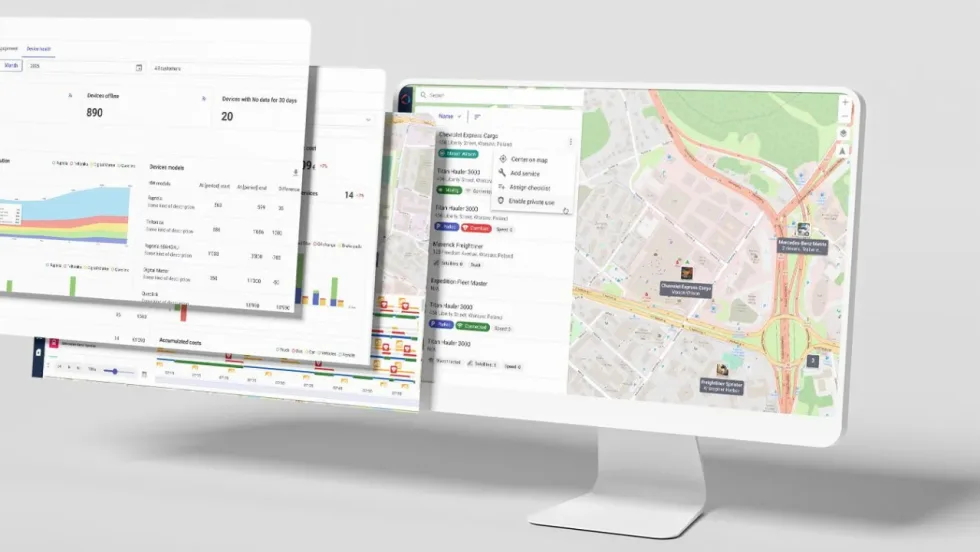
Wialon Unlocks OEM Data to Give Fleet Owners Data Ownership & Operational Clarity
Wialon has introduced hardware-free OEM integration as the EU Data Act accelerates the shift in vehicle data access across the fleet industry in many countries.
Read More →
Teletrac Navman Promotes New CEO from Within
Teletrac Navman’s next CEO, Ricardo Buranello, has served as the company’s chief financial and operating officer. He brings deep financial and operational expertise, a strong strategic orientation, and an intimate knowledge of the business to his new role.
Read More →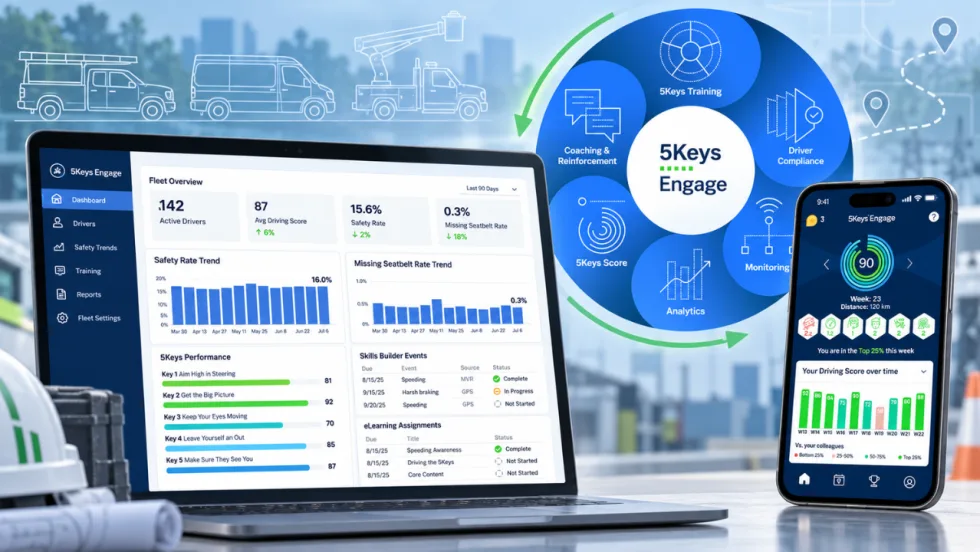
Smith System Wants Work Truck Fleets to Look Beyond the Driver Alert
Smith System’s new Driver Risk Management program is built to help mixed work truck fleets turn telematics alerts and observations into specific behaviors, coaching actions, and measurable follow-up.
Read More →
Ford Pro Software Updates: August 26
Check out the latest Ford Pro software updates, including Google Maps integration, Remote Vehicle Alarm integration, Motor Pool for easier management of shared pool vehicles, and more.
Read More →
Where AI Is Actually Saving Fleet Managers Time
AI is moving past the buzzword stage and into the daily fleet workflow. Fleetio’s Brianna Perry Lang breaks down where fleets are seeing real time savings, from maintenance and data entry to repair decisions, safety, and compliance
Read More →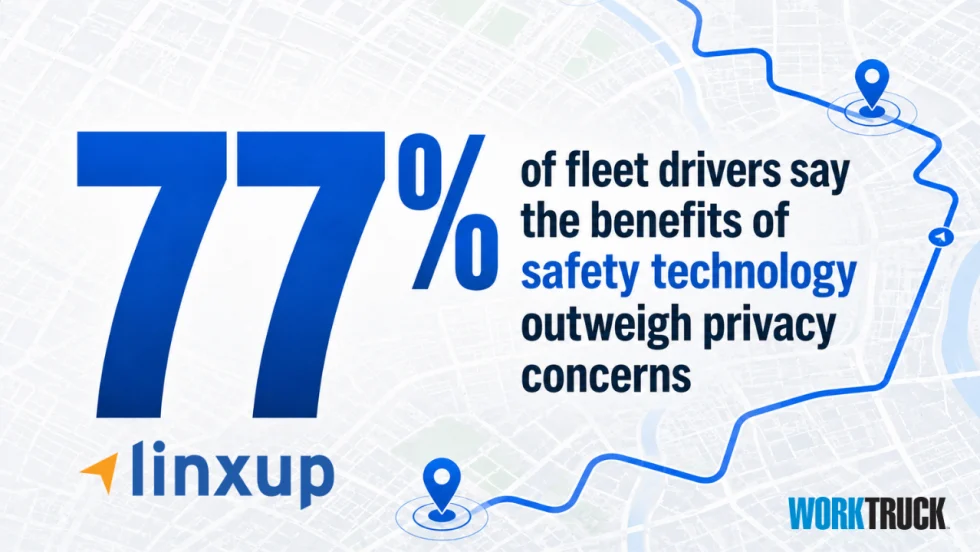
Are Work Truck Drivers Warming Up to Dash Cams and GPS Tracking?
A new survey finds field-service drivers may be more comfortable with dash cams and GPS tracking than fleet managers think, especially when the technology helps protect them after a crash.
Read More →