





"Any attempt to mislabel this as a ‘bad regulation’ in the final weeks before implementation is intentionally misleading.”
House Rejects One of Two Anti-ELD Measures
Late in the evening of Sept. 6, the amendment sponsored by Rep. Brian Babin (R-TX)-- which sought to prevent funding of the electronic logging device rule for almost one year-- was voted down on the House floor, 246-173.
September 6, 2017
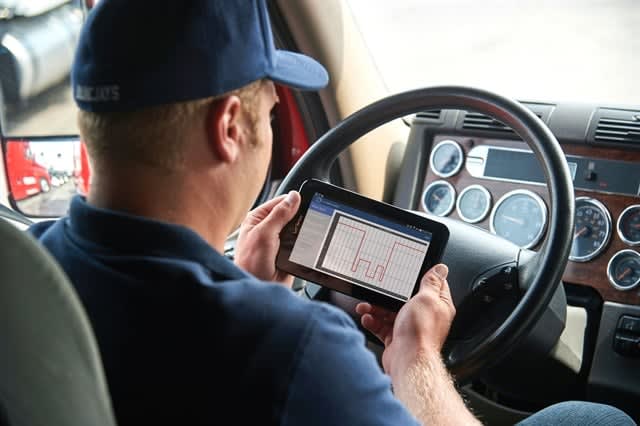
Photo: J.J. Keller
4 min to read

Photo: J.J. Keller
UPDATE: Late in the evening of Sept. 6, the amendment sponsored by Rep. Brian Babin (R-TX)-- which sought to prevent funding of the electronic logging device rule for almost one year-- was voted down on the House floor, 246-173.
Being the less deliberative and thus the more unpredictable chamber of the U.S. Congress, the House of Representatives presents a playing field ripe for Hail Mary Passes. And so it goes that not even four months to go until the much-debated electronic logging device mandate starts to kick in, no less than two legislative measures have been introduced in the House that are intended to derail the rule.
The quarterback flinging both of these passes is Rep. Brian Babin (R-TX). The first is H.R. 3282, the ELD Extension Act of 2017, which the congressman introduced in July. The bill would delay implementation of the ELD rule for two years. So far, it has attracted 45 co-sponsors in the House.
In early September, Babin tossed his second bomb in the form of an anti-ELD amendment that was offered up for attachment to some unrelated legislation (H.R. 3354, the Make America Secure and Prosperous Appropriations Act of 2018).
This measure aims to prevent funding of the ELD mandate to delay its rollout. The rider would prohibit funds from being used “to implement or enforce” the ELD rule through the 2018 fiscal year that ends on Sept. 30, 2018.
The amendment has been cleared by the House Rules Committee for consideration by the full chamber during floor votes, which were scheduled for Sept. 6.
Marking both of these measures as Hail Mary Passes is the reality that every notable trucking stakeholder group except the Owner Operator Independent Drivers Association remains solidly in favor of implementing the ELD rule with no further delays.
That means a lot of lobbying will be unleashed for keeping the rule as it is and keeping its initial effective date what it is: Dec. 18 of this year. What’s more, no companion legislation to delay or defund the ELD mandate has yet to be introduced – nor is it at all likely to be introduced – in the Senate.
H.R. 3282’s delay in implementation “would further interrupt the actions of a progressive trucking industry that continually places safety at its forefront and stresses continued compliance with its daily operations,” the Truckload Carriers Association said in a statement issued on Sept. 6. TCA added that “the truckload industry does not support this bill or any delay in ELD implementation,” including Rep. Babin’s amendment calling for defunding of the ELD mandate.
In a Sept. 6 letter to select members of Congress, the Trucking Alliance argued that the Babin defunding amendment “ignores federal court rulings (all the way to the U.S. Supreme Court) upholding the ELD mandate” as well as “ignores thousands of comments in support of this new technology. These ELDs accurately track the number of hours that drivers operate their trucks, replacing the paper logbooks that are easily falsified.”
In addition, Lane Kidd, managing director of the Alliance, told HDT that he expects “we will see bipartisan opposition to this amendment when it comes up for debate.”
The American Trucking Associations is also steadfast in its commitment to seeing the ELD rule take effect. “ATA strongly opposes efforts to delay this important rule,” Sean McNally, ATA spokesman, told HDT.
He also referenced an op-ed penned by ATA President and CEO Chris Spear that currently appears on the HuffPost website. In the piece, Spear argues that it is well past time for further debate and action on the ELD rule. He states that the rule “has been debated for nearly a decade. It has been approved by Congress three times, and upheld by federal courts. Any attempt to mislabel this as a ‘bad regulation’ in the final weeks before implementation is intentionally misleading.”
Spear adds that killing or delaying the rule any further will “create more uncertainty for the trucking industry as we seek to plan and make investments in this important new technology.”
In his closing, Spear urges “Congress to keep our highways safe, by avoiding a move that will give bad actors an opportunity to bend the rules.”
Article updated on Sept. 7 at 9:00 am EDT to reflect voting down of Babin amenndment.
Originally posted on Automotive Fleet
More Technology
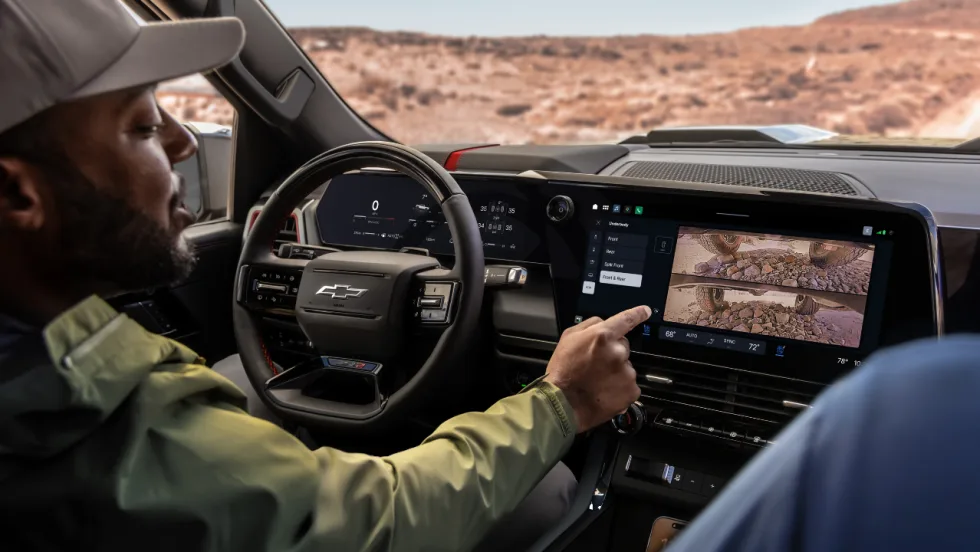
GM Brings New Truck Focused Interface to 2027 Silverado and Sierra
GM's new pickup interface puts trailering data, camera views, vehicle controls, and smartphone integration closer to the driver in the 2027 Silverado and Sierra.
Read More →
Samsara Driver Perks Expands Rewards Beyond the Long Haul Driver
Samsara’s new driver rewards program was built with a broader professional driver in mind, including employees who split their day between driving, job sites, service calls, and other work.
Read More →
AI Service Advisor Aims to Cut Fleet Repair Downtime
Fleetio said its AI Service Advisor can help fleets cut repair downtime by an average of 2.5 hours per repair while reducing manual maintenance work.
Read More →
Verra Mobility Launches AI-Driven Title & Registration Solution
Verra Mobility has launched a new AI-driven Title & Registration platform to help fleets move vehicles from acquisition to the road the same day while reducing compliance risk.
Read More →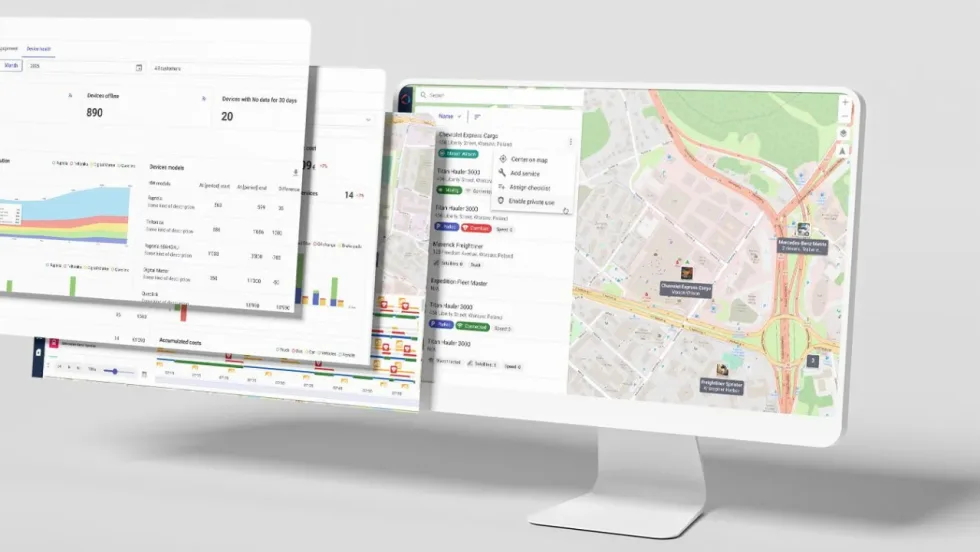
Wialon Unlocks OEM Data to Give Fleet Owners Data Ownership & Operational Clarity
Wialon has introduced hardware-free OEM integration as the EU Data Act accelerates the shift in vehicle data access across the fleet industry in many countries.
Read More →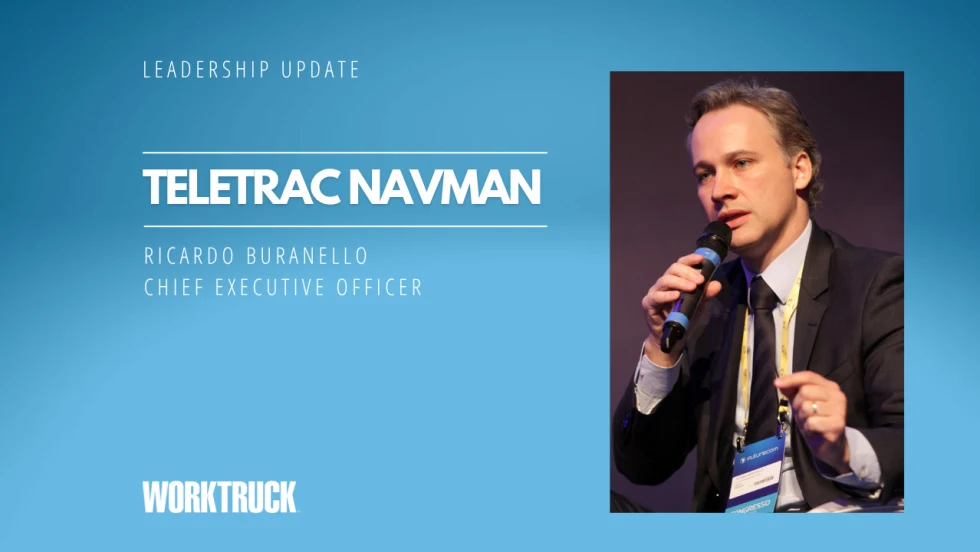
Teletrac Navman Promotes New CEO from Within
Teletrac Navman’s next CEO, Ricardo Buranello, has served as the company’s chief financial and operating officer. He brings deep financial and operational expertise, a strong strategic orientation, and an intimate knowledge of the business to his new role.
Read More →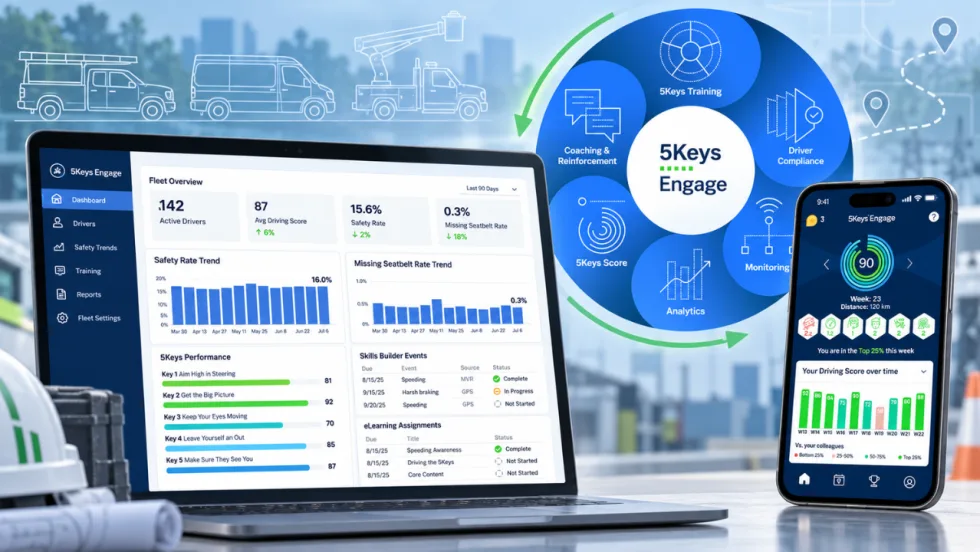
Smith System Wants Work Truck Fleets to Look Beyond the Driver Alert
Smith System’s new Driver Risk Management program is built to help mixed work truck fleets turn telematics alerts and observations into specific behaviors, coaching actions, and measurable follow-up.
Read More →
Ford Pro Software Updates: August 26
Check out the latest Ford Pro software updates, including Google Maps integration, Remote Vehicle Alarm integration, Motor Pool for easier management of shared pool vehicles, and more.
Read More →
Where AI Is Actually Saving Fleet Managers Time
AI is moving past the buzzword stage and into the daily fleet workflow. Fleetio’s Brianna Perry Lang breaks down where fleets are seeing real time savings, from maintenance and data entry to repair decisions, safety, and compliance
Read More →
Are Work Truck Drivers Warming Up to Dash Cams and GPS Tracking?
A new survey finds field-service drivers may be more comfortable with dash cams and GPS tracking than fleet managers think, especially when the technology helps protect them after a crash.
Read More →