




Green Transportation Summit Focuses on Renewability
Held at the Greater Tacoma Convention Center May 21-23, 2019, in Tacoma, Wash., the Green Transportation Summit & Expo (GTSE) educated close to 400 attendees on the various renewable and alternative-fuel options.

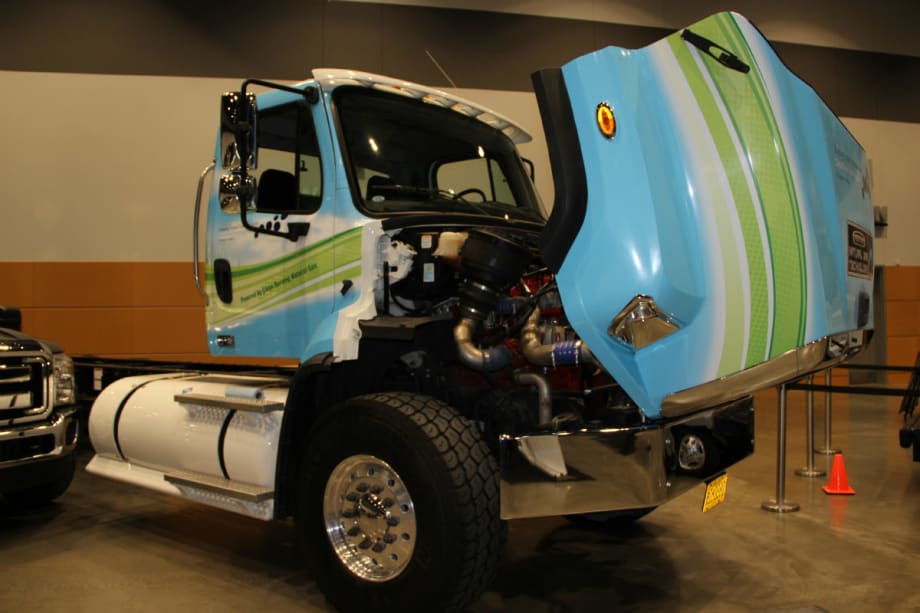
A number of alternative-fuel vehicles were available for GTSE attendees to check out.
Photo by Lauren Fletcher
Held at the Greater Tacoma Convention Center May 21-23, 2019, in Tacoma, Wash., the Green Transportation Summit & Expo (GTSE) welcomed close to 400 attendees to its three-day event.
GTSE was started in 2011 by Brian Trice, executive director for the Columbia-Willamette Clean Cities Coalition and conference director. "GTSE is a grassroots fleet focused regional exposition, with a national scope using a Local Lens," he said.
Focusing on green transportation, the overall theme for the event was renewability. Paul Menig, CEO for Tech-I-M, LLC, opened the conference, welcoming attendees to the 2019 event, kicking off the official start of the conference and Expo Hall.
Alberto Ayala, executive director/air pollution control officer for the Sacramento Metropolitan Air Quality Management District opened the conference with a keynote.
Ayala discussed the future of mobility and the transformation. He touched on global warming and its impact on the transportation sector. He noted that in 31 years, we will see significant impact on the global mean temperature of the planet, which will get to unmanageable levels. We have crossed over to higher levels of greenhouse gas concentrations than ever before.
“We are at the cusp of something big. Things are going to change in the transportation sector in the next few decades more than they have changed in the past 100 years. We have to be sure we are guiding this transportation. It’s not just about better transportation, but better mobility,” Ayala commented to attendees. “It’s the use of fossil fuels that have got us here.”
The internal combustion engine (ICE) is the center point of a lot of today’s issues. There are still issues related to the diesel emissions scandal (although it was quite good for pushing vehicle electrification). According to Ayala, it’s time to rethink how we are doing things.
Ayala’s top advice: “We have to be better about not trusting without verifying data,” when discussing current issues with diesel emissions.
What’s next for renewables? This is a topic on the mind of many. A moderated session with five renewable fuel specialists moderated by Rick Wallace, senior policy analyst for the Oregon Department of Energy, covered the topic in depth. The panel’s consensus: We need to push together as an industry for cleaner, more renewable fuel and energy source.
In addition to the 19 breakout sessions, attendees were provided plenty of time to visit the expo hall featuring 48 green transportation-related vendors. From equipment to vehicles, attendees were given time to speak with experts one-on-one, ask questions, and see products first-hand.
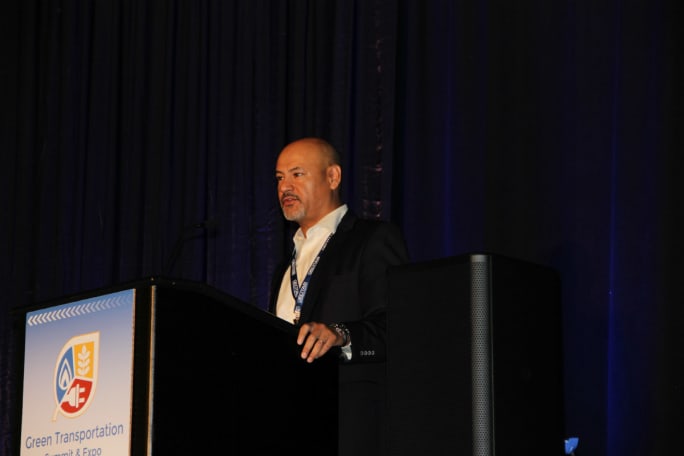
Alberto Ayala, executive director/air pollution control officer for the Sacramento Metropolitan Air Quality Management District opened the conference with a keynote, discussing the future of mobility and the transformation.
Photo by Lauren Fletcher
Focused Breakout Sessions
After the opening keynote and plenary session, the conference broke out into a total of 19 simultaneous breakout sessions throughout the remainder of the two days.
Women took center stage in the session “Women Driving the Future of Transportation.” We took a tour with several advanced female transportation leaders. Simultaneously, “The Impact of Near-Zero Natural Gas Technology, Now and in the Future” informed fleet managers about the state of natural gas technology currently and the future we can expect. Additionally, “Fire, Flood, Earthquake, Derailment: The Move to Low/Zero-Emissions and Emergency Preparedness” helped fleet managers understand what they need to do to help continue to reduce emissions and prepare for possible emergencies.
The next group of breakout sessions covered multiple topics. Some fleets have valid concerns related to infrastructure, especially in underserved areas. “Innovative Partnerships to Deploy Electric Vehicle Charging Stations in Underserved Areas” helped address those concerns. At the same time, attendees were able to learn abut “Tools for Planning Reductions in a Fleet’s GHG Emissions, Fuel Efficiency Strategies, and Telematics” or the “Winning Combination: Renewable Diesel & Biodiesel.”
After a short break, attendees broke again for the final sessions for the first day. “General Practices for Sustainable Fleet Management” helped fleet managers understand actions they can take to become more sustainable. Propane Autogas continues to be a popular renewable fuel for fleets, especially work truck fleets. “Propane Autogas Innovations & Fleet Experiences: How to Move Forward Successfully with Autogas for Your Fleet” provided information for fleets looking to create or grow their propane Autogas fleet. Finally, a focus on renewable natural gas (RNG) with the session “Catalyzing RNG Production and Utilization” featured a roundtable type-session that covered issues market saturation.
The second full day of sessions started off right away with a series of breakout sessions focused on electrification. Women once again took center stage in the first group of three with “Charging Ahead: The Powerful Role of Women in the EV Industry.” At the same time, attendees were able to choose from a session on “Medium- & Heavy-Duty Truck Electrification Opportunities & Challenges” or “The Roles of Hydrogen & Fuel Cell Electric Vehicles in Transportation and a Decarbonized Economy.”
Next, attendees were given the choice of three more sessions focused on electrification and fuel cell/hydrogen vehicles. “Port Community EV Blueprint: The Plan for Electrifying a Major Seaport” talked with the Port of Long Beach, Calif., and the Port of Seattle about their experiences. Additionally, bus fleets weren’t left out with a session on “Electrifying Transit: The Bus Depot of the Future, 2020 and Beyond.” Heavy-duty fleet managers checked out the session on “Fuel Cell and Hydrogen: A Compelling Value Proposition for Zero Emission Heavy-Duty Transportation.”
The final portion of the event provided attendees with a choice of two breakout sessions. After lunch, attendees broke out to learn about “The Electrification Checklist: Making the Right ZEV Decisions for Your Fleet,” or “Microbility: Mode or Menace,” which was an interactive workshop to reinvent the right-of-way for more than just cars, bikes, and pedestrians.
The event ended with two final sessions covering “Dealership Engagement Can Transform the EV Market” and “Keys to Driving 100% Renewable Economy Forward: Solar EV Charging & Community Choice Energy.”
More Green Fleet

Fleet Forward Conference Introduces One-Day Passes for 2026
New one-day registration gives fleet professionals the flexibility to attend Tuesday, Wednesday, or Thursday, with passes available for $199 through Sept. 18.
Read More →
CALSTART Rebrands as Catalyst Mobility, Will Combine with Forth in 2027
CALSTART has rebranded as Catalyst Mobility and will combine with Forth at the start of 2027. The new organization said it is poised to become one of the world's largest, strongest, and most impactful clean transportation nonprofits.
Read More →
Electric Truck and Charging Programs to Boost Sustainability at NY & NJ Ports
Together, the Port Authority of New York and New Jersey and CALSTART will electrify drayage and terminal operations serving the East Coast’s busiest container port. A pair of incentive programs totaling $45 million has launched to accelerate adoption of zero-emission drayage trucks and terminal tractors.
Read More →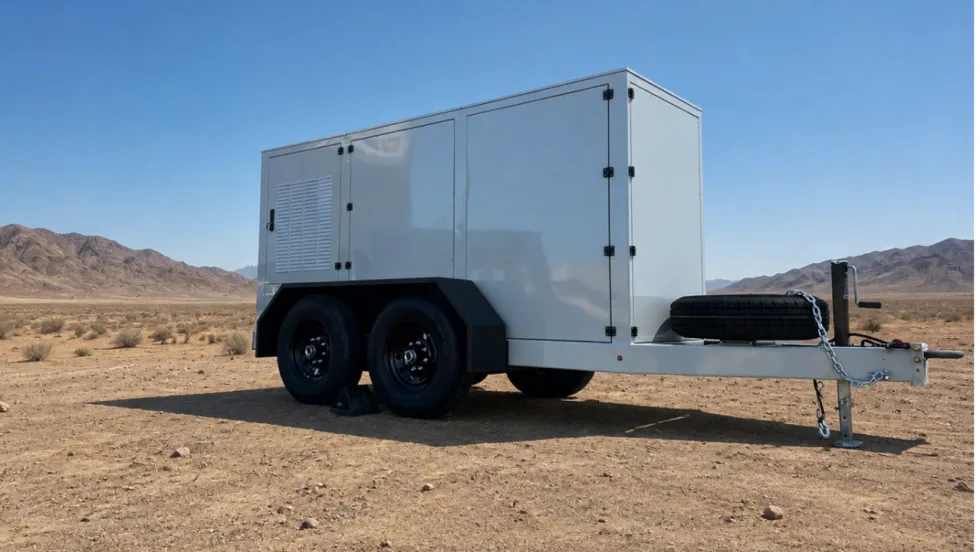
Xos Hub Surpasses One Gigawatt-Hour of Energy Delivered in the Field
A single Xos Hub has surpassed one gigawatt-hour of energy across more than 33,600 charging sessions in the field, demonstrating performance that supports Xos' expansion across new products and markets.
Read More →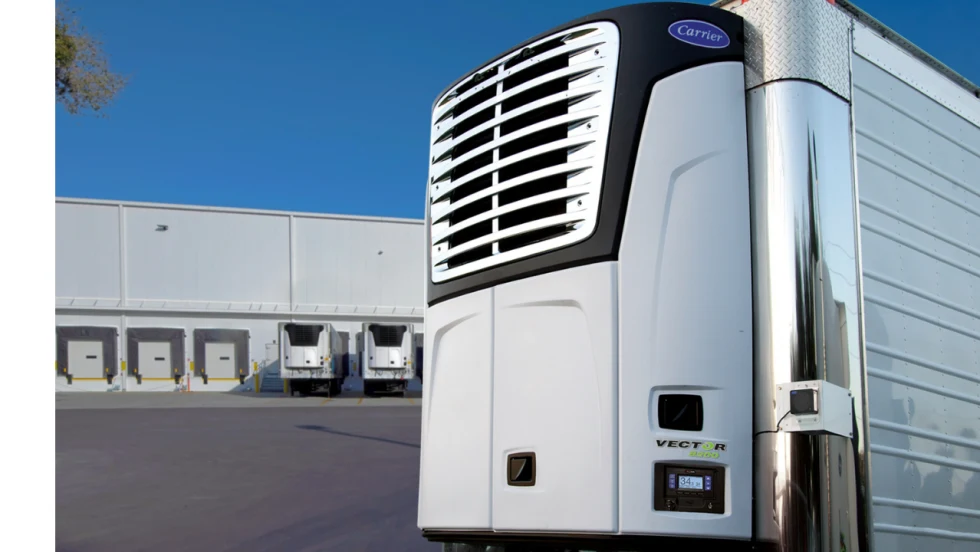
Carrier Transicold Launches All-Electric Vector 8200 TRU for Diesel-Free On-Site Cold Storage
Carrier Transicold’s first engineless multi-temperature TRU helps fresh- and frozen-food fleets add supplemental cold storage capacity during seasonal peaks.
Read More →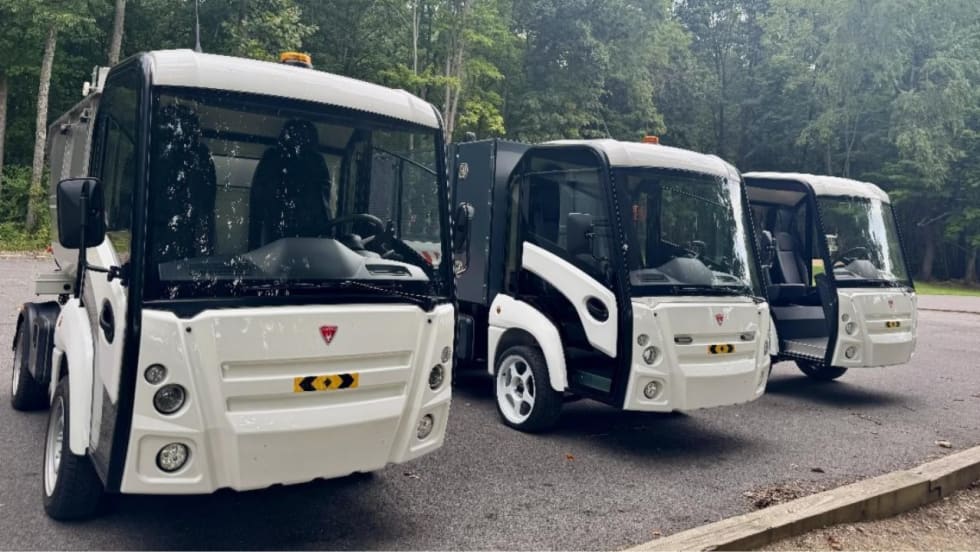
Narro Trucks Introduces Electric Utility Vehicle
Narro Trucks officially launched its operations on Aug. 20 and hosted a ride and drive to showcase its electric truck, which will be produced in Virginia.
Read More →
Samsung SDI Takes Full Control of GM Battery JV as Indiana Plant Pivots to Energy Storage
Samsung SDI is taking full control of its Indiana battery plant with GM, marking a major shift from the EV-focused joint venture Charged Fleet first covered in 2023.
Read More →
NWSA Taps CALSTART to Administer Zero-Emission Drayage Assistance Program
CALSTART will provide free technical assistance services to drayage fleets serving the Ports of Seattle and Tacoma and looking to transition to cleaner technologies and help decarbonize freight hubs.
Read More →
EV Fleet Reality Check: What Operators Wish They Knew Before Electrifying Their Work Vans
Electric work truck upfits bring new compatibility questions. Learn how parts availability, OEM guidance, power demands, and route planning can affect fleet performance.
Read More →
Peterbilt Expands Sourcewell Partnership with Electric Vehicle Lineup
Peterbilt Motors Company’s cooperative purchasing agreement with Sourcewell and its Canadian partner, Canoe Procurement Group, now includes including Peterbilt's battery-electric vehicle lineup.
Read More →