




Geotab Embraces Disruptive Technology Trends
Geotab's leaders have positioned the company to welcome technology mega-trends that will reshape the landscape for commercial telematics in the coming years such as connected vehicles, electrification, smart cities, and data-driven analysis, co-founder Colin Sutherland told attendees of Geotab Connect earlier this month.


Geotab's co-founder Colin Sutherland told attendees of Geotab Connect that the telematics provider is well positioned for disruptive technology changes in the coming years.
Photo courtesy of Geotab.
Geotab's leaders have positioned the company to welcome technology mega-trends that will reshape the landscape for commercial telematics in the coming years such as connected vehicles, electrification, smart cities, and data-driven analysis, co-founder Colin Sutherland told attendees of Geotab Connect earlier this month.
Sutherland, who is also executive vice president of sales and marketing, told the 900 partners, resellers, and other attendees that the Canadian company recognizes that we're living in "an age of disruption." The conference marked its fourth year with a two-day event at Toronto's Westin Harbour Castle.
"We all experience that in our daily lives," Sutherland said on June 12. "There are things going on in the world that are disruptive and powered by IoT (Internet of Things). We're a data driver and we’re embracing disruption. It's OK to embrace the disruption, and it's good to be a leader in this space."
The privately-held Geotab has reached some growth milestones since the 2017 event, including 1.2 million devices connected to its platform and a predicted $250 million in top-line revenue for the year. Geotab has seen growth come from its value-added reseller network, the electronic logging device mandate, and partnerships with manufacturers such as Volvo, Mack, and Ford.
Commercial fleets continue to purchase telematics hardware and cloud-based software from Geotab for two main reasons – increasing productivity and minimizing damage to lives and property, said Neil Cawse, Geotab's chief executive officer.
"Telematics is changing the way fleets run," Cawse said. "Our product reduces the likelihood of an accident by 30%. One in 220 accidents involves a fatality, so 65 people are walking around this year because of the Geotab product. "
Geotab leaders say they’re ready for several challenges in the years ahead around manufacturer concerns about vehicle cybersecurity, demands for greater data privacy — especially in Europe with the General Data Protection Regulation (GDPR) that passed in late May — and robust operational data from electrified vehicles. These topics were among those from the event's wide-ranging presentations and panels about the evolution of the telematics industry.
"Telematics as an industry has finally transformed from focus solely on driver behavior solutions to driving operations and supply chain solutions that not only drive cost savings but also top line revenue," said Kimberly Clark, Element Fleet Management vice president of connected solutions product and sales support.
"New optimization solutions are creating dynamic tools, allowing the flexibility needed in operations for scheduling and real-time route changes and planning," Clark said. "Integration into CRM systems creates new opportunities for sales fleets to explore connectivity solutions to improve effectiveness analytics. Big data analytics is harnessing the power of vehicle data plus other fleet data to find answers to tough business questions that are not able to be answered through traditional analytical methods."
Geotab is positioning itself for what its leaders see as a rising tide of electrified vehicle adoption among commercial and government fleets. The company announced it had acquired FleetCarma, which has been helping primarily utility fleets manage battery-electric and plug-in hybrid vehicles since 2007.
Several Geotab subject-matter experts discussed the company's "neutral vehicle" proposal that would allow third-party app development of vehicles rather than private networks controlled by the manufacturers. In May, the company added a privacy mode to its data collection protocol.
To address a movement toward smart cities in which municipalities have begun planning and implementing strategies to improve transportation in their jurisdiction, Geotab launched a data website as a resource in that effort.
"The future of telematics will require the ability to read and respond to electric vehicles and the electric charging infrastructure," said Norma Havens, co-national sales manager with reseller USA Fleet Solutions. "That is a key step to the next phase of A.I. integration into vehicles. The ability to use the data to affect change within a fleet operations and company- or agency-wide will open up opportunities we cannot even imagine today."
Related: Ford Establishes Fleet Vehicle Data Unit
Originally posted on Automotive Fleet
More Technology & AI
GeoFencing Adds to Your Truck Security Arsenal
Geofencing is a familiar fleet tool today, but its early adoption marked a major shift in vehicle tracking, route monitoring, and the debate over employee privacy.
Read More →
Geotab Data Shows Regional Trucking Growing Faster as Last Mile Routes Get Denser
Geotab's first U.S. supply chain report finds stable long-haul activity, stronger regional freight movement, tighter hub-and-spoke utilization, and more last-mile trips on shorter routes.
Read More →
When Fleet Technology Helps and When It Just Adds Complexity
New technology can help fleets work smarter, but only if it solves the right problem. Lauren Fletcher talks with AP Fleet’s Alex Coveney about innovation, AI, data, and knowing when a new solution is actually worth adopting.
Read More →From Our Partners
Basic Tracking vs Next Generation Fleet Technology
Sponsored by AT&T Business
5 Facts Every Fleet Manager Should Know About Embedded Telematics
Sponsored by Stellantis/Mobilisights
How AI Video Telematics Boosts Driver Safety and Helps to Avoid Unnecessary Costs
Sponsored by Verizon Connect
Charting the 8 Bottom-Line Benefits of Workforce Optimization
Sponsored by Verizon Connect

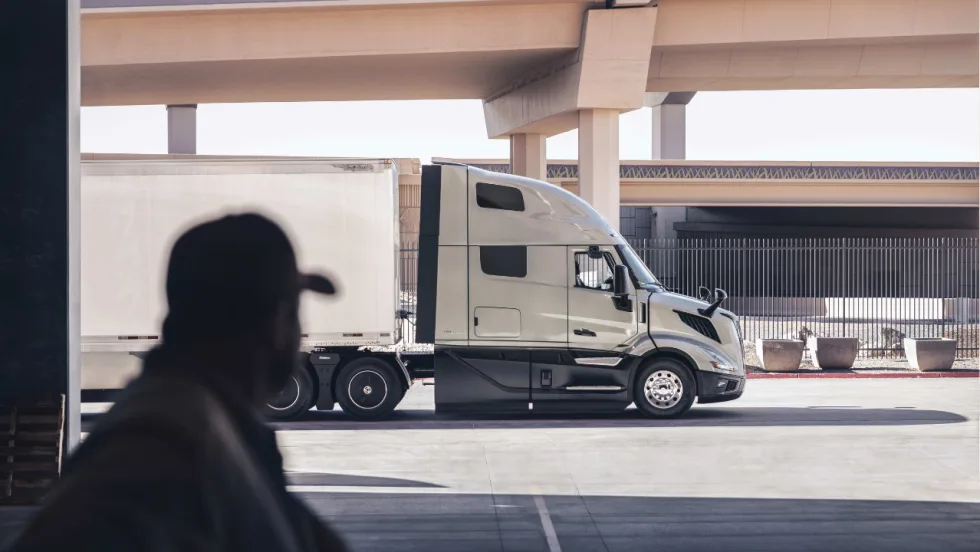
Volvo Trucks’ 'Lock and Leave' Software Updates Go Live Across North America
Unattended over-the-air software updates are now available in Volvo trucks across the U.S. and Canada. The new capability lets trucks stay current with the latest software without interrupting operations or requiring a dealership visit.
Read More →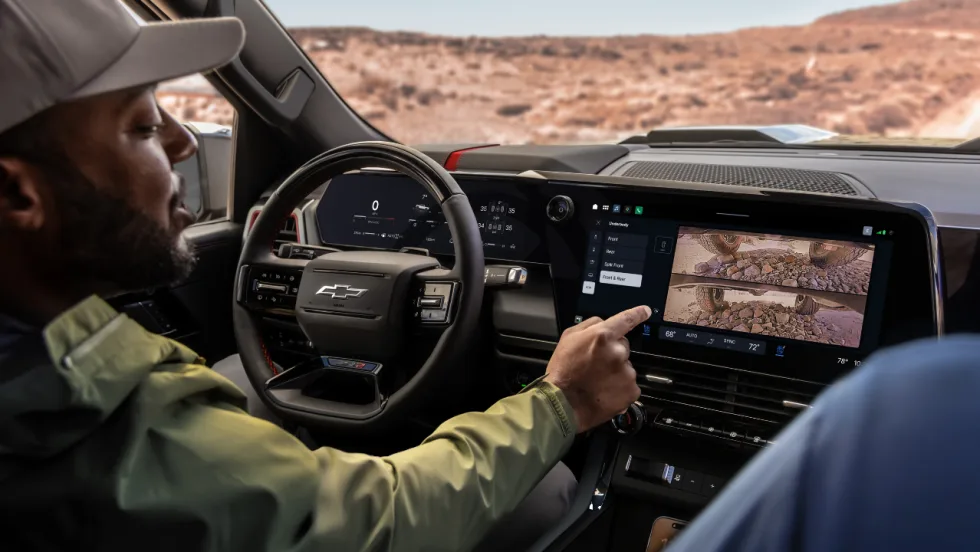
GM Brings New Truck Focused Interface to 2027 Silverado and Sierra
GM's new pickup interface puts trailering data, camera views, vehicle controls, and smartphone integration closer to the driver in the 2027 Silverado and Sierra.
Read More →
Samsara Driver Perks Expands Rewards Beyond the Long Haul Driver
Samsara’s new driver rewards program was built with a broader professional driver in mind, including employees who split their day between driving, job sites, service calls, and other work.
Read More →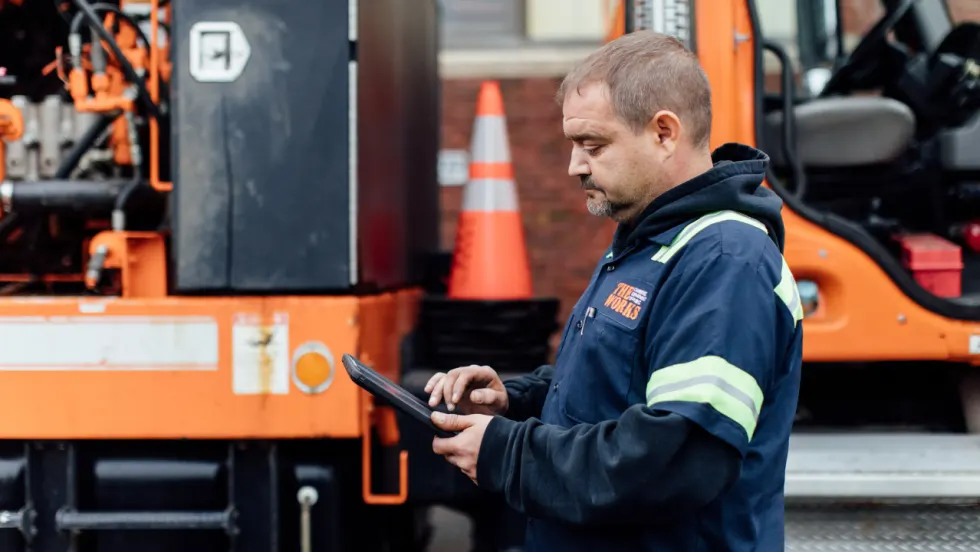
AI Service Advisor Aims to Cut Fleet Repair Downtime
Fleetio said its AI Service Advisor can help fleets cut repair downtime by an average of 2.5 hours per repair while reducing manual maintenance work.
Read More →
Verra Mobility Launches AI-Driven Title & Registration Solution
Verra Mobility has launched a new AI-driven Title & Registration platform to help fleets move vehicles from acquisition to the road the same day while reducing compliance risk.
Read More →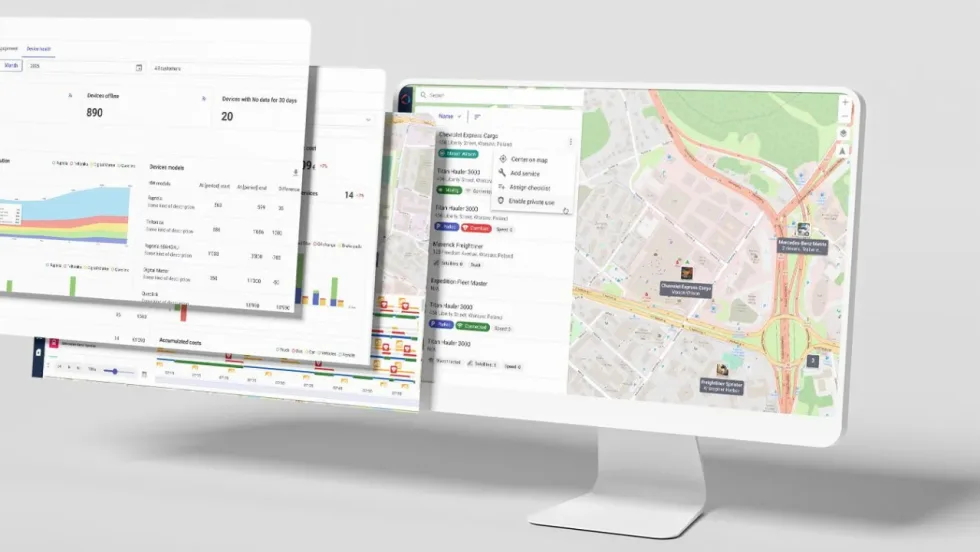
Wialon Unlocks OEM Data to Give Fleet Owners Data Ownership & Operational Clarity
Wialon has introduced hardware-free OEM integration as the EU Data Act accelerates the shift in vehicle data access across the fleet industry in many countries.
Read More →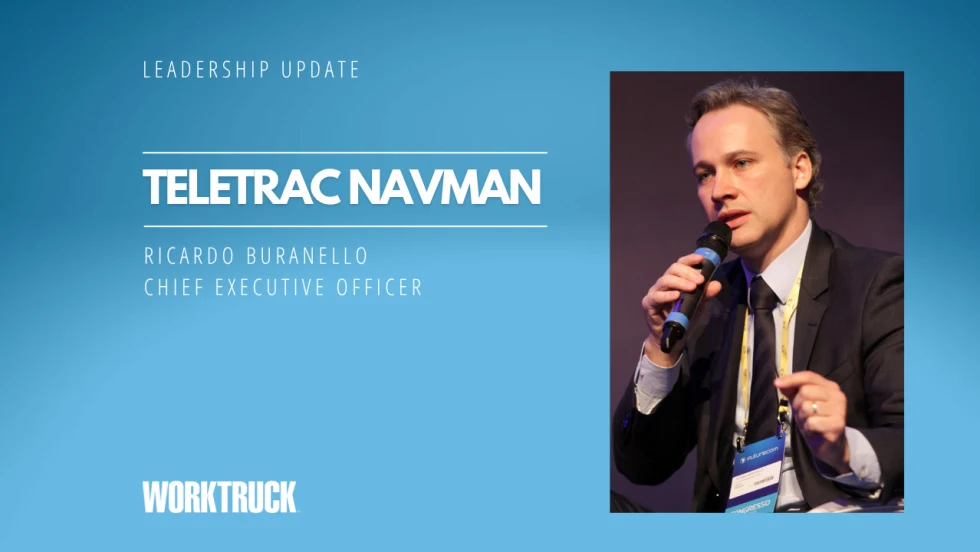
Teletrac Navman Promotes New CEO from Within
Teletrac Navman’s next CEO, Ricardo Buranello, has served as the company’s chief financial and operating officer. He brings deep financial and operational expertise, a strong strategic orientation, and an intimate knowledge of the business to his new role.
Read More →