




Ford, U-Haul Launch Industry-First Fleet of Eco-Friendly Painted Vehicles on U.S. Highways
DEARBORN, MI – Ford Motor Company and U-Haul launched the industry's first fleet of vehicles painted with Ford's environmentally responsible new technology.

DEARBORN, MI – Ford Motor Company and U-Haul launched the industry’s first fleet of vehicles painted with Ford’s environmentally responsible new technology, which reduces greenhouse gases by 15 percent and cuts Ford’s production costs, according to Ford.
More than 200 Ford E-Series trucks painted with this new technology were delivered to U-Haul facilities around the country. U-Haul began renting the units, tagged with eco-friendly decals, to customers this week.
The technology combines an advanced chemical formulation of high-solids, solvent-borne paint with an innovative three-wet application process that requires a smaller, less expensive and cleaner paint shop than traditional automotive paint facilities.
In addition to reduced CO2 emissions, the new technology reduces VOC emissions (volatile organic compounds) by about 10 percent. The company estimates it can save approximately $7 per vehicle by cutting the time it takes to paint a vehicle by almost 20 percent as well as reducing the size of the traditional paint shop by nearly 15 percent, according to Ford.
“Painting vehicles has traditionally been one of the auto industry’s biggest environmental challenges,” said Mary Ellen Rosenberger, paint manager of Ohio Assembly Plant where the new technology was launched. “Ford has found the solution. It’s environmentally sound. It’s cost-efficient. And it produces beautifully painted vehicles with long-term durability.”
Ford’s new high-solids, solvent-borne paint formulation produces fewer VOC and CO2 emissions than do water-borne and current solvent-borne paints. Because the new formulation contains more color pigment, it requires less paint to cover a vehicle than water-based paint. Furthermore, the new technology allows for three coats of wet paint to be applied to the vehicle one on top of the other, without drying between coats. This eliminates the prime-coat application and its related processes, which means a smaller, more efficient paint shop.
Furthermore, there’s no need for an air-conditioning process or an additional low-temperature oven, which are required in water-borne paint shops to evaporate the water from the paint, according to Ford.
The paint formulation contains new polymers and other additives that prevent running and sagging during the three-wet application process. And Ford’s laboratory tests show the high-solids, solvent-borne paint provides better long-term resistance to chips and scratches than water-borne paint.
Said Dean Cerimeli, U-Haul’s director of Truck and Trailer Product: “When it comes to the environment and sustainability, we are happy to partner with Ford in this important field test. We believe this is the most environmentally responsible way to paint vehicles. And we applaud Ford for leading the industry.”
In June, Ford won the “Best Technical Prize” for its new paint technology at SURCAR: The International Conference on Automobile Body Finishing in Cannes, France.
More Operations
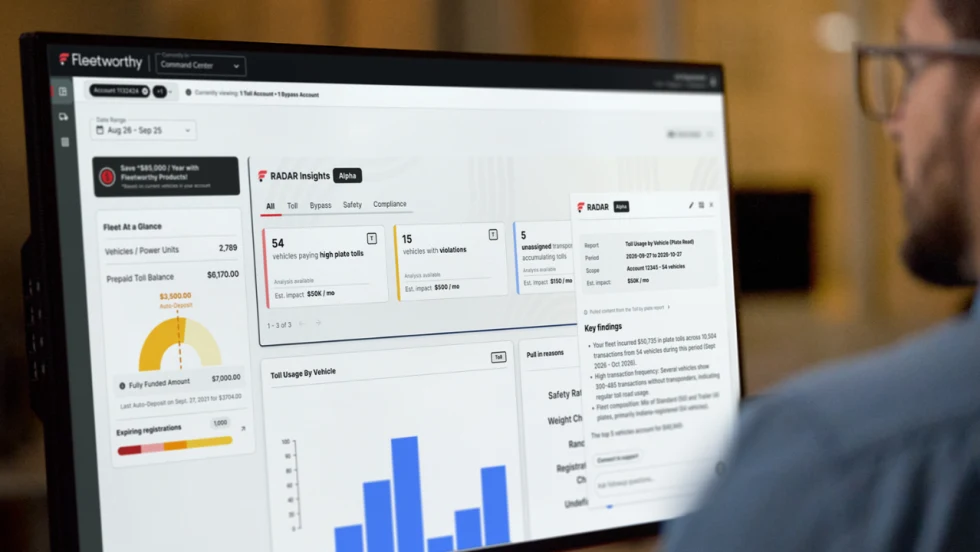
Fleetworthy Unveils RADAR, an Embedded AI Layer Powering Smarter Fleet Decisions
A new artificial intelligence layer inside Fleetworthy Toll Management turns toll data into instant answers and proactive insights, with weigh station bypass, compliance, and safety enhancements next.
Read More →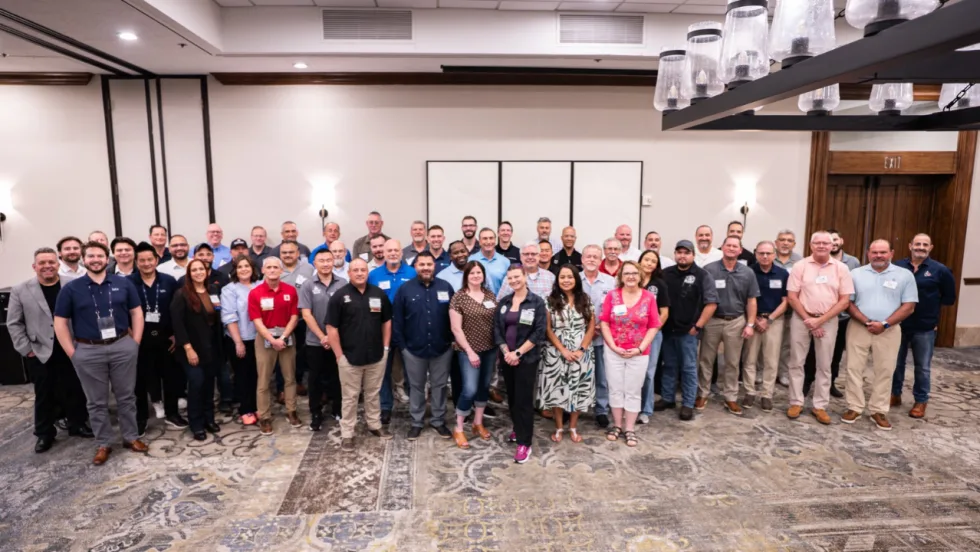
Fleet Conversations and Connections at Work Truck Exchange 2026
Fleet connections, friendly competition, and a few flying axes. See the people and moments that brought Work Truck Exchange 2026 to life.
Read More →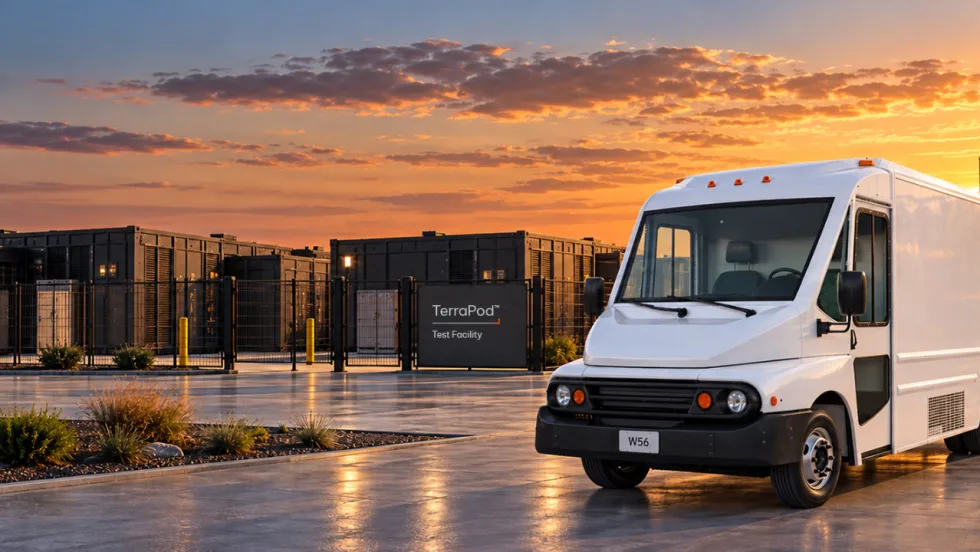
Workhorse Enters Modular AI Infrastructure Market Through TerraPod Partnership with RHAELM
Workhorse’s initial agreement with RHAELM is to develop a full-scale TerraPod manufacturing spec unit, then a non-binding letter of intent covers further expanding the partnership, including a supply agreement and a contemplated contingent initial order for 150 TerraPod systems.
Read More →From Our Partners
Basic Tracking vs Next Generation Fleet Technology
Sponsored by AT&T Business

5 Facts Every Fleet Manager Should Know About Embedded Telematics
Sponsored by Stellantis/Mobilisights

How AI Video Telematics Boosts Driver Safety and Helps to Avoid Unnecessary Costs
Sponsored by Verizon Connect

Charting the 8 Bottom-Line Benefits of Workforce Optimization
Sponsored by Verizon Connect

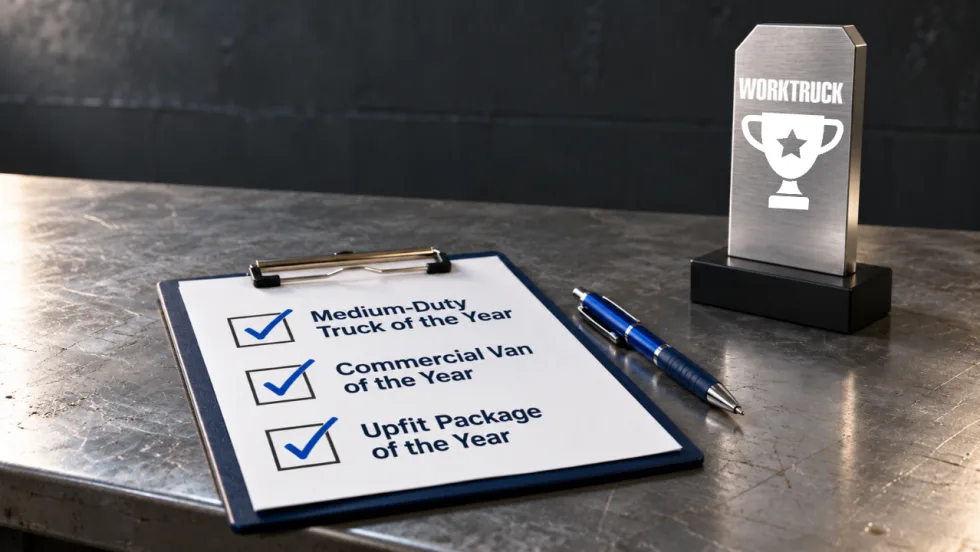
Your Fleet Experience Deserves a Vote
You know what happens after the vehicle leaves the dealership. Work Truck’s fleet awards give that experience a place in the industry conversation, and a reason to make your voice heard.
Read More →
Work Truck Seeks Fleet and Industry Insights on 2026 Trends and 2027 Forecasts
Work Truck is seeking insights from fleet leaders and industry partners on the trends that shaped 2026 and what commercial fleets should prepare for in 2027. Participate today!
Read More →
30 Years in Fleet and Still Learning: Lessons Beyond Trucks
After more than three decades in fleet, Bob Adamsky has learned that knowing trucks is only part of the job. The bigger lessons come down to communication, understanding, and never assuming you know it all.
Read More →
What Every New Fleet Manager Should Know
Carolyn Edwards shares lessons on finding mentors, showing fleet’s value, and leading teams in this episode of Legends of Fleet.
Read More →
Les Schwab Tires Launches Foundation With $100,000 for Community Recovery
Les Schwab Tires launches a foundation with $100,000 to support recovery for Silver Rail Elementary and the Bend community following a school shooting.
Read More →
Bring Some Fleet to Your Halloween with Our Pumpkin Carving Templates
Download Work Truck’s truck-themed pumpkin patterns, explore more automotive designs, and give your shop or front porch a seasonal upgrade.
Read More →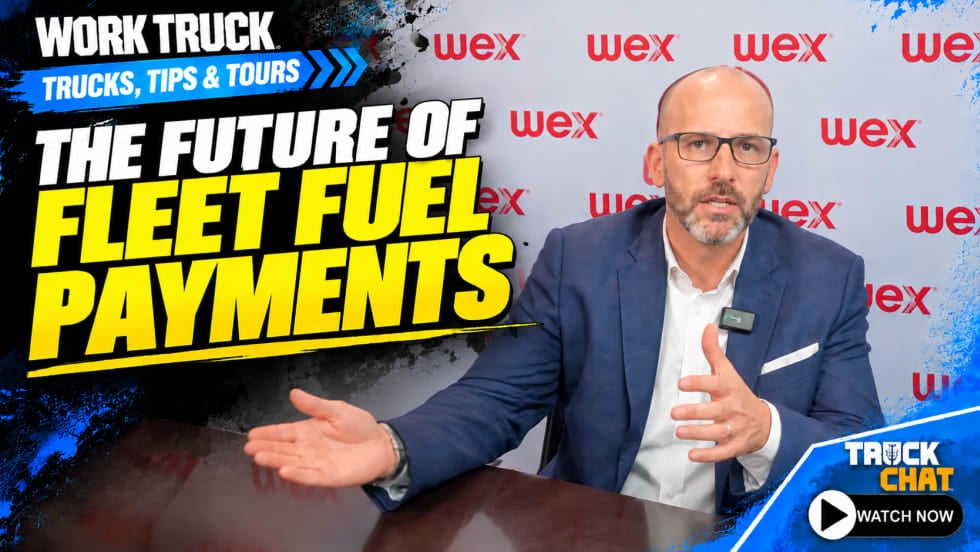
How Cardless Fuel Payments Benefit Commercial Fleets
Is it time for fleets to move beyond plastic fuel cards? David Abraham of WEX explains how cardless fuel payments can help reduce fraud, simplify driver transactions, and improve efficiency by allowing drivers to pay for fuel using their smartphones.
Read More →