





Related News: Ford Adds Jobs, Investment to Handle F-150 Lightning Surge
Ford To Build Mega-Plant For Future EV Models
Called Blue Oval City, the complex will be constructed on a nearly six-square-mile site in west Tennessee and produce next-generation electric F-Series pickups and advanced batteries.
September 29, 2021
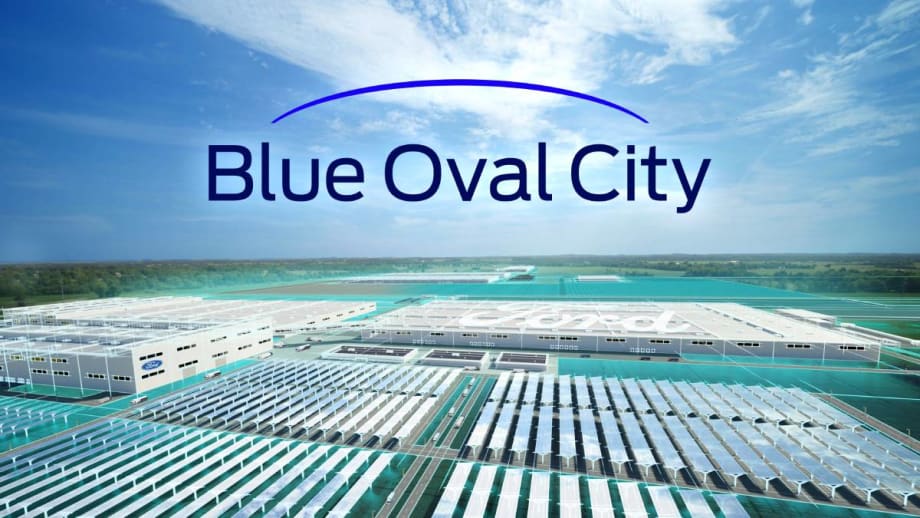
Three new BlueOvalSK battery plants – two in Kentucky and one in Tennessee – will enable 129 gigawatt hours a year of U.S. production capacity for Ford.
Photo: Ford
6 min to read
Ford Motor Company announced Sept. 27 a major boost to electric vehicle production for American customers with plans to build two massive, environmentally and technologically advanced campuses in Tennessee and Kentucky that will produce the next generation of electric F-Series trucks and the batteries to power future electric Ford and Lincoln vehicles.
Ford plans to make the largest ever U.S. investment in electric vehicles at one time by any automotive manufacturer and, together with its partner, SK Innovation, plans to invest $11.4 billion and create nearly 11,000 new jobs at the Tennessee and Kentucky mega-sites, according to the company.
An all-new $5.6 billion mega campus in Stanton, Tenn., called Blue Oval City, will create about 6,000 new jobs and reimagine how vehicles and batteries are manufactured.
Blue Oval City will assemble an expanded lineup of electric F-Series vehicles and will include a BlueOvalSK battery plant, key suppliers and recycling. Ford’s new Tennessee plant is designed to be carbon neutral with zero waste to landfill once fully operational.
In central Kentucky, Ford plans to build a dedicated battery manufacturing complex with SK Innovation – the $5.8 billion BlueOvalSK Battery Park – creating 5,000 jobs. Twin battery plants on the site are intended to supply Ford’s North American assembly plants with locally assembled batteries for powering next-generation electric Ford and Lincoln vehicles. Investments in the new Tennessee and Kentucky battery plants are planned to be made via BlueOvalSK, a new joint venture to be formed by Ford and SK Innovation, subject to definitive agreements, regulatory approvals and other conditions.
“This is a transformative moment where Ford will lead America’s transition to electric vehicles and usher in a new era of clean, carbon-neutral manufacturing,” said Ford Executive Chair Bill Ford in the news release. “With this investment and a spirit of innovation, we can achieve goals once thought mutually exclusive – protect our planet, build great electric vehicles Americans will love and contribute to our nation’s prosperity.”
This news comes amid strong demand for the all-new Ford F-150 Lightning truck, E-Transit and Mustang Mach-E electric vehicles, and follows Ford’s recent announcement to expand production capacity and add jobs at the Ford Rouge Electric Vehicle Center in Dearborn, Mich.
Jim Farley, Ford president and CEO, said, “We are moving now to deliver breakthrough electric vehicles for the many rather than the few. It’s about creating good jobs that support American families, an ultra-efficient, carbon-neutral manufacturing system, and a growing business that delivers value for communities, dealers and shareholders.”
Ford says its $7 billion investment is the largest ever manufacturing investment at one time by any automotive manufacturer in the U.S. Part of Ford’s more-than-$30 billion investment in electric vehicles through 2025, this investment supports the company’s longer-term goal to create a sustainable American manufacturing ecosystem, and to accelerate its progress towards achieving carbon neutrality, backed by science-based targets in line with the Paris Climate Agreement. Overall, Ford expects 40% to 50% of its global vehicle volume to be fully electric by 2030.
Dongseob Jee, president of battery business, SK Innovation, said, “Our joint venture, BlueOvalSK, will embody this spirit of collaboration. We look forward to growing our trust-based partnership by delivering on our market-leading value proposition, experience and cutting-edge expertise.”
All-new Ford Blue Oval City
Reimagining how electric vehicles – and the batteries that power them – are designed, manufactured and recycled, Ford is creating an all-new electric vehicle manufacturing ecosystem.
Blue Oval City will be among the largest auto manufacturing campuses in U.S. history. Like the iconic Rouge complex in Michigan did a century earlier, Blue Oval City will usher in a new era for American manufacturing.
The 3,600-acre campus covering nearly six square miles will encompass vehicle assembly, battery production and a supplier park in a vertically integrated system that delivers cost efficiency while minimizing the carbon footprint of the manufacturing process. The assembly plant will use always-on cloud-connected technologies to drive vast improvements in quality and productivity. The mega campus is designed to add more sustainability solutions, including the potential to use local renewable energy sources such as geothermal, solar and wind power.
“West Tennessee is primed to deliver the workforce and quality of life needed to create the next great American success story with Ford Motor Company and SK Innovation,” Tennessee Gov. Bill Lee said. “This is a watershed moment for Tennesseans as we lead the future of the automotive industry and advanced manufacturing.”
Creating about 6,000 jobs, Blue Oval City will be a hive of technical innovation to build next-generation electric F-Series trucks. This growth opportunity will allow Ford to reach new customers with an expanded electric truck lineup.
“Blue Oval City’s assembly plant will harness Ford’s global manufacturing expertise and cutting-edge technologies to deliver cost efficiencies and the quality that our customers expect,” said Kumar Galhotra, Ford president, Americas and International Markets Group. “This will enable Ford to lead in the race to bring dependable, affordable and advanced electric vehicles to even more Americans.”
Bigger Assembly Plant, Smaller Environmental Impact
Despite its size, the assembly plant at Blue Oval City is designed for minimal effects on the surrounding environment – and even to generate positive ones. The assembly plant’s goal is to have a regenerative impact on the local environment through biomimicry in design of the facility. From the start of production in 2025, Ford’s goal is for the assembly plant to be carbon neutral.
Through an on-site wastewater treatment plant, the assembly plant aspires to make zero freshwater withdrawals for assembly processes by incorporating water reuse and recycling systems. Zero-waste-to-landfill processes will capture materials and production scrap at an on-site materials collection center to sort and route materials for recycling or processing either at the plant or at off-site facilities once the plant is operational.
Ford is collaborating with Redwood Materials, a battery materials company, to make electric vehicles more sustainable and affordable for Americans by localizing the supply chain network, creating recycling options for scrap and end-of-life vehicles, and ramping up lithium-ion recycling. Ford believes battery recycling is essential for the success of an electrified future and has the potential to offer significant economic benefits as well as help solve for end-of-life battery recycling.
BlueOvalSK Battery Park
Joining the Ford electric manufacturing revolution is a planned $5.8 billion, 1,500-acre BlueOvalSK battery manufacturing campus in Glendale, Ky., which is targeted to open in 2025.
Twin co-located plants will be capable of producing up to 43 gigawatt hours each for a total of 86 gigawatt hours annually. Together, these American-made batteries will power next-generation electric Ford and Lincoln vehicles.
Bringing 5,000 new jobs to Kentucky, BlueOvalSK Battery Park will be centrally located to support Ford’s North American assembly plants’ footprint.
Technician Investments in Texas and the U.S.
Ford is investing $90 million in Texas alone as part of a $525 million total investment across the U.S. during the next five years to transform America’s auto technician industry. The investment will go toward job training and career readiness initiatives for the current and next generation of technicians. These programs aim to develop highly skilled technicians and will support Ford’s growing portfolio of connected electric vehicles.
Originally posted on Charged Fleet
More Green Fleet

Fleet Forward Conference Introduces One-Day Passes for 2026
New one-day registration gives fleet professionals the flexibility to attend Tuesday, Wednesday, or Thursday, with passes available for $199 through Sept. 18.
Read More →
CALSTART Rebrands as Catalyst Mobility, Will Combine with Forth in 2027
CALSTART has rebranded as Catalyst Mobility and will combine with Forth at the start of 2027. The new organization said it is poised to become one of the world's largest, strongest, and most impactful clean transportation nonprofits.
Read More →
Electric Truck and Charging Programs to Boost Sustainability at NY & NJ Ports
Together, the Port Authority of New York and New Jersey and CALSTART will electrify drayage and terminal operations serving the East Coast’s busiest container port. A pair of incentive programs totaling $45 million has launched to accelerate adoption of zero-emission drayage trucks and terminal tractors.
Read More →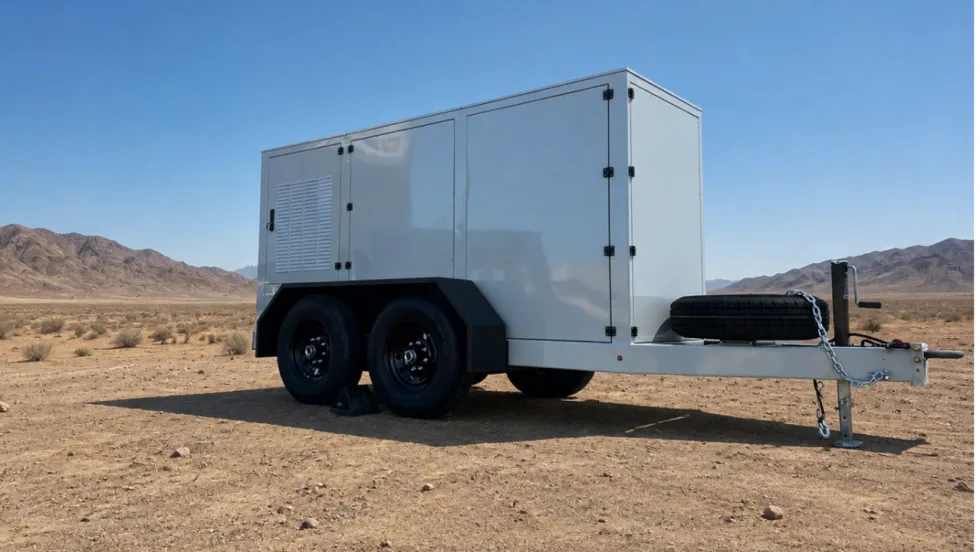
Xos Hub Surpasses One Gigawatt-Hour of Energy Delivered in the Field
A single Xos Hub has surpassed one gigawatt-hour of energy across more than 33,600 charging sessions in the field, demonstrating performance that supports Xos' expansion across new products and markets.
Read More →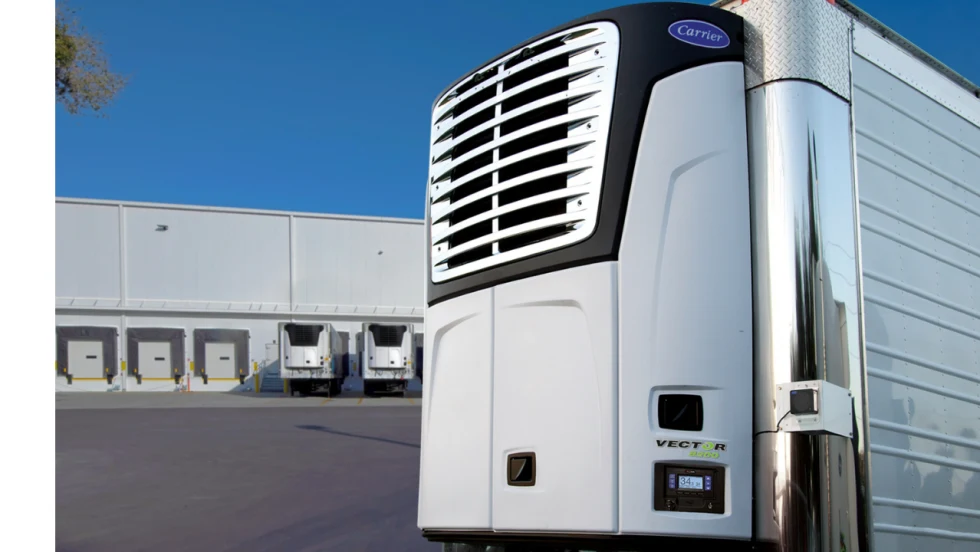
Carrier Transicold Launches All-Electric Vector 8200 TRU for Diesel-Free On-Site Cold Storage
Carrier Transicold’s first engineless multi-temperature TRU helps fresh- and frozen-food fleets add supplemental cold storage capacity during seasonal peaks.
Read More →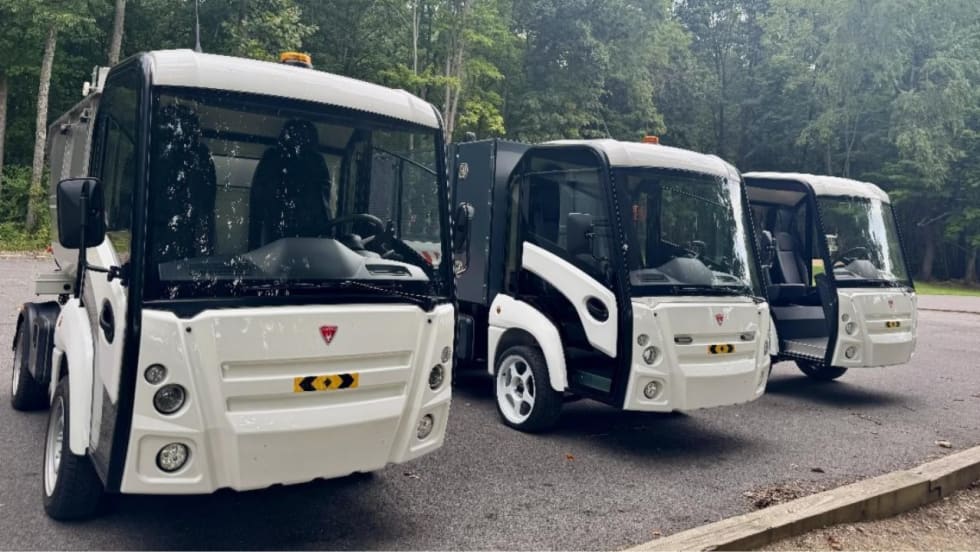
Narro Trucks Introduces Electric Utility Vehicle
Narro Trucks officially launched its operations on Aug. 20 and hosted a ride and drive to showcase its electric truck, which will be produced in Virginia.
Read More →
Samsung SDI Takes Full Control of GM Battery JV as Indiana Plant Pivots to Energy Storage
Samsung SDI is taking full control of its Indiana battery plant with GM, marking a major shift from the EV-focused joint venture Charged Fleet first covered in 2023.
Read More →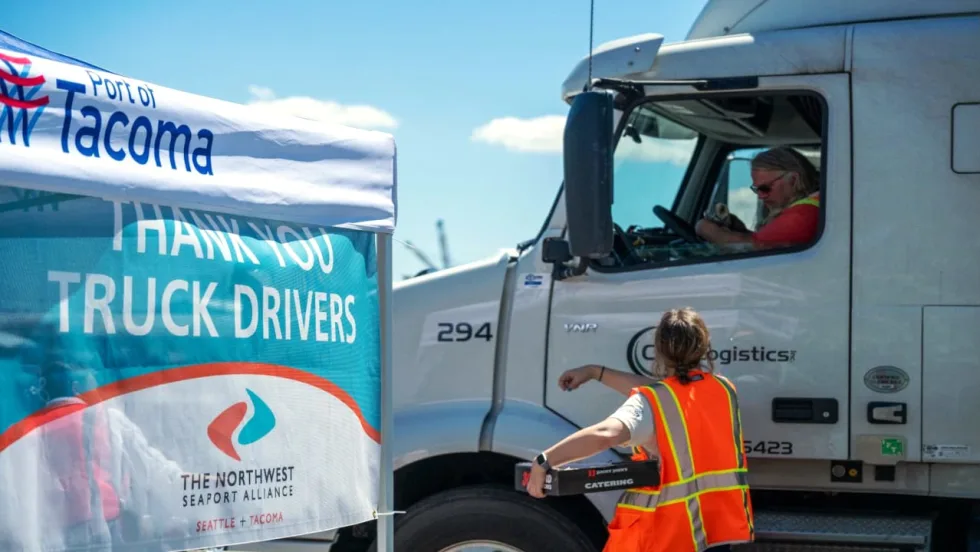
NWSA Taps CALSTART to Administer Zero-Emission Drayage Assistance Program
CALSTART will provide free technical assistance services to drayage fleets serving the Ports of Seattle and Tacoma and looking to transition to cleaner technologies and help decarbonize freight hubs.
Read More →
EV Fleet Reality Check: What Operators Wish They Knew Before Electrifying Their Work Vans
Electric work truck upfits bring new compatibility questions. Learn how parts availability, OEM guidance, power demands, and route planning can affect fleet performance.
Read More →
Peterbilt Expands Sourcewell Partnership with Electric Vehicle Lineup
Peterbilt Motors Company’s cooperative purchasing agreement with Sourcewell and its Canadian partner, Canoe Procurement Group, now includes including Peterbilt's battery-electric vehicle lineup.
Read More →