




Ford Expands Alternative-Fuel Conversion Capability to F-450, F-550 Super Duty
Ford announced that it will begin offering an alternative-fuels engine prep package for its 6.8L F-450 and F-550 Super Duty chassis cab.

Ford announced that it will begin offering an alternative-fuels engine prep package for its 6.8L F-450 and F-550 Super Duty chassis cab.
At the annual Ford Fleet Product and Business Conference in Dearborn, Ford presented details of the conversion option, which will become available this fall and enables the use of efficient, clean-burning compressed natural gas (CNG) or propane (LPG, or liquefied petroleum gas).
F-450 and F-550 Super Duty are Ford's latest commercial vehicles to get the alternative-fuel conversion option. Since introducing the option to E-Series and other commercial fleet vehicles last fall, Ford has shipped some 3,000 E-Series vans with CNG/LPG-prepped 5.4L and 6.8L gas engines to fleet operators such as Verizon and Schwan's Home Delivery Service.
Ford also offers the package on its Transit Connect, including its new Taxi offering with a 2.0L four-cylinder gas engine. This fall, Ford also will add CNG/LPG capability to the F-53 motor home chassis and new F-59 commercial strip chassis.
The alt-fuel advantage
F-450 and F-550's 6.8L V-10 engine is well suited to CNG/LPG conversion. The engine comes with hardened exhaust valves and valve seats for improved wear resistance and durability for gaseous fuel systems.
CNG and LPG are increasingly popular choices for fleet operators looking to cut fuel cost and reduce greenhouse gas emissions. According to the EPA, CNG is less expensive and burns cleaner than gasoline, resulting in reduced CO2 emissions. Propane also burns cleaner than gasoline.
"Compressed natural gas and propane offer more than sufficient power for vehicles because they are high-energy fuels," said Rob Stevens, commercial vehicle chief engineer. "Other natural benefits for these fuels are overall lower emissions of greenhouse gases compared to gasoline and lower fuel/operating costs for their fleet."
Nearly 87 percent of natural gas used in the United States is domestically produced. There also are government tax credit incentives for fleets to convert to alternative fuels.
Ford provides calibration guidance to numerous highly competitive CNG and LPG upfitters for E-Series, F-Series and Transit Connect. By following Ford recommendations published in the Body Builders Advisory Service QVM Bulletin Q-185, the converted vehicle maintains its factory engine warranty.
Ford fleet leadership
Ford is the only manufacturer to offer 100 percent of its fleet vehicles this year with fuel-efficient powertrains and other sustainable technologies - including battery-electric, hybrid, natural gas, propane, E85, biodiesel and EcoBoost.
In 2009, Ford commanded the largest share of commercial and government fleet sales, with 32 percent and 44 percent, respectively.
Ford F-Series, Fusion, Escape, Taurus, Econoline and Ranger were the sales leaders in their respective commercial segments. F-Series, Crown Victoria and Econoline also were the top three sellers in the government fleet sector.
"Fleet customers are turning to Ford because our comprehensive product lineup provides solutions for virtually every need," said Kevin Koswick, director of Ford North American Fleet, Leasing and Remarketing Operations. "The quality, class-leading fuel economy and strong resale values of our vehicles provide a compelling value proposition."
More Green Fleet

Fleet Forward Conference Introduces One-Day Passes for 2026
New one-day registration gives fleet professionals the flexibility to attend Tuesday, Wednesday, or Thursday, with passes available for $199 through Sept. 18.
Read More →
CALSTART Rebrands as Catalyst Mobility, Will Combine with Forth in 2027
CALSTART has rebranded as Catalyst Mobility and will combine with Forth at the start of 2027. The new organization said it is poised to become one of the world's largest, strongest, and most impactful clean transportation nonprofits.
Read More →
Electric Truck and Charging Programs to Boost Sustainability at NY & NJ Ports
Together, the Port Authority of New York and New Jersey and CALSTART will electrify drayage and terminal operations serving the East Coast’s busiest container port. A pair of incentive programs totaling $45 million has launched to accelerate adoption of zero-emission drayage trucks and terminal tractors.
Read More →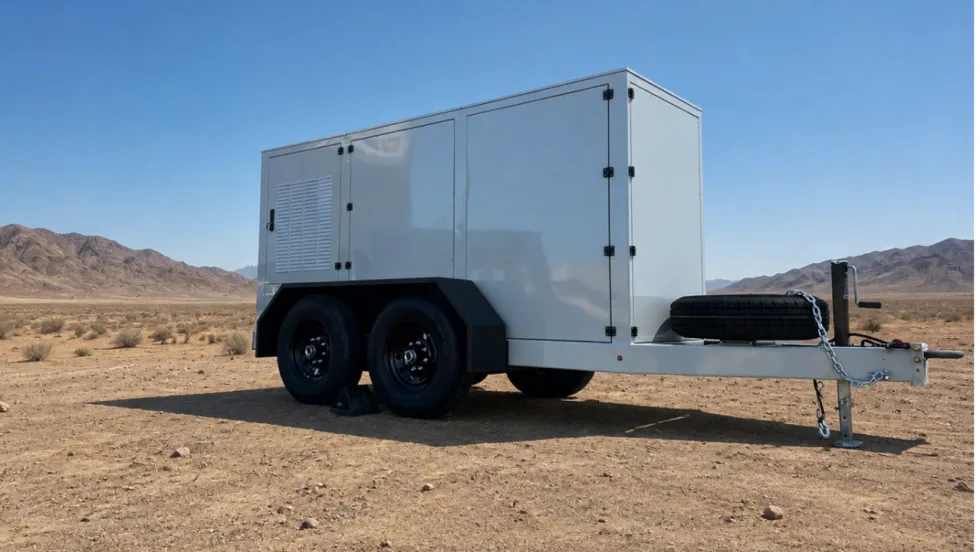
Xos Hub Surpasses One Gigawatt-Hour of Energy Delivered in the Field
A single Xos Hub has surpassed one gigawatt-hour of energy across more than 33,600 charging sessions in the field, demonstrating performance that supports Xos' expansion across new products and markets.
Read More →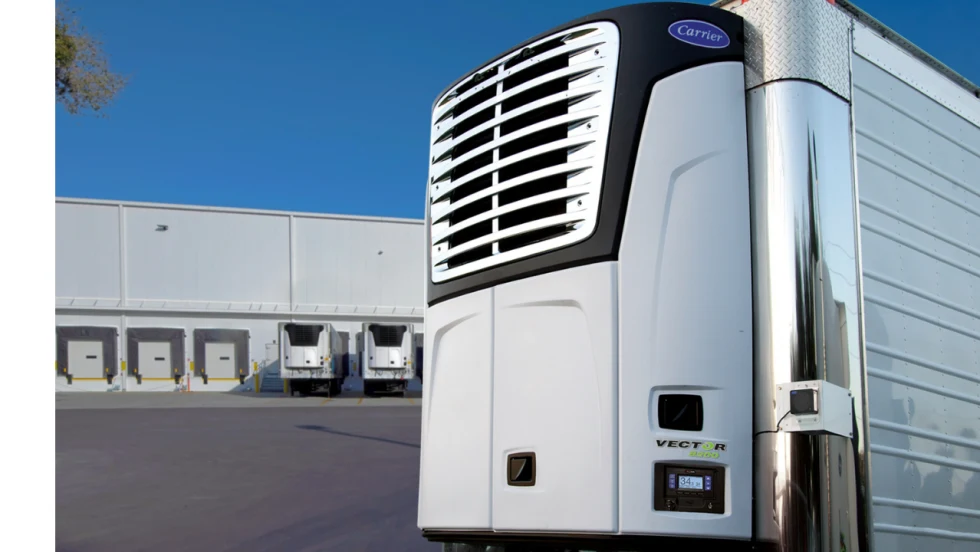
Carrier Transicold Launches All-Electric Vector 8200 TRU for Diesel-Free On-Site Cold Storage
Carrier Transicold’s first engineless multi-temperature TRU helps fresh- and frozen-food fleets add supplemental cold storage capacity during seasonal peaks.
Read More →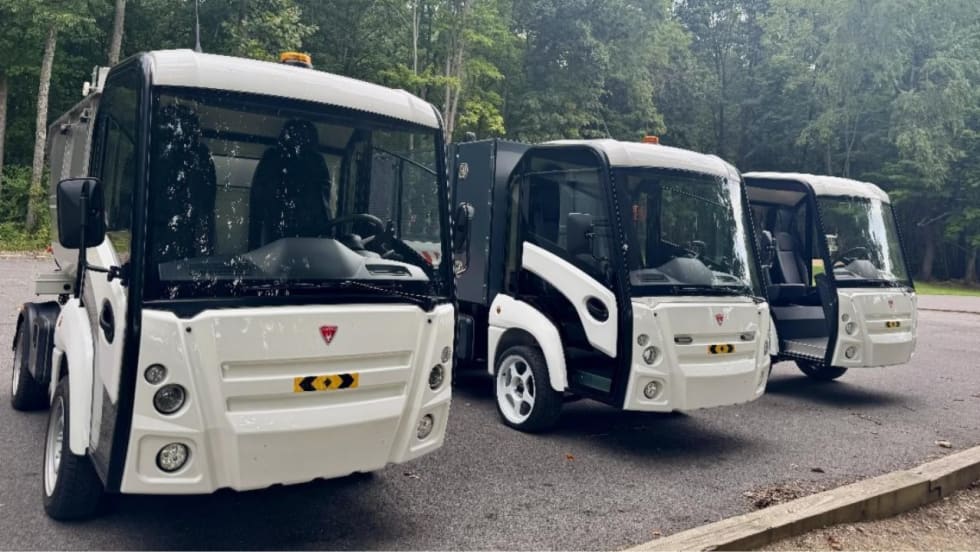
Narro Trucks Introduces Electric Utility Vehicle
Narro Trucks officially launched its operations on Aug. 20 and hosted a ride and drive to showcase its electric truck, which will be produced in Virginia.
Read More →
Samsung SDI Takes Full Control of GM Battery JV as Indiana Plant Pivots to Energy Storage
Samsung SDI is taking full control of its Indiana battery plant with GM, marking a major shift from the EV-focused joint venture Charged Fleet first covered in 2023.
Read More →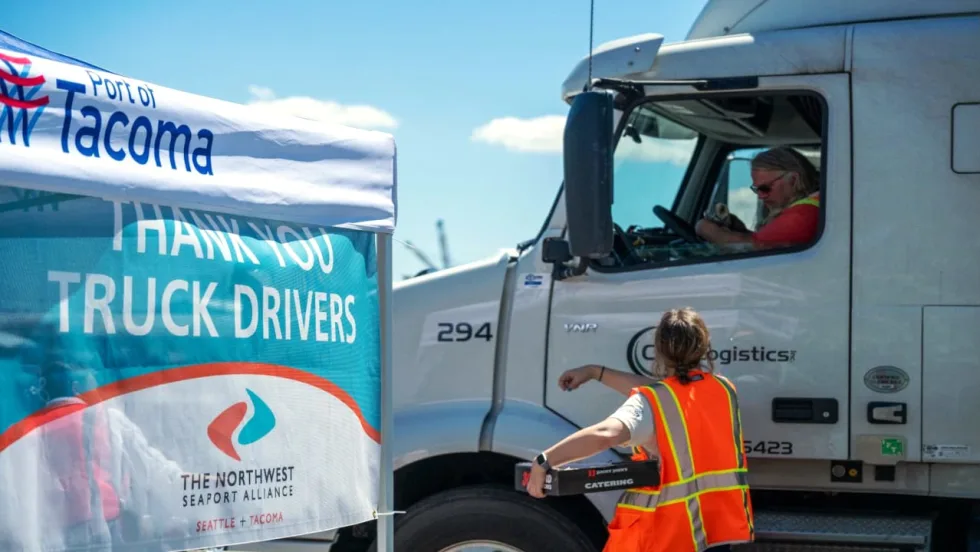
NWSA Taps CALSTART to Administer Zero-Emission Drayage Assistance Program
CALSTART will provide free technical assistance services to drayage fleets serving the Ports of Seattle and Tacoma and looking to transition to cleaner technologies and help decarbonize freight hubs.
Read More →
EV Fleet Reality Check: What Operators Wish They Knew Before Electrifying Their Work Vans
Electric work truck upfits bring new compatibility questions. Learn how parts availability, OEM guidance, power demands, and route planning can affect fleet performance.
Read More →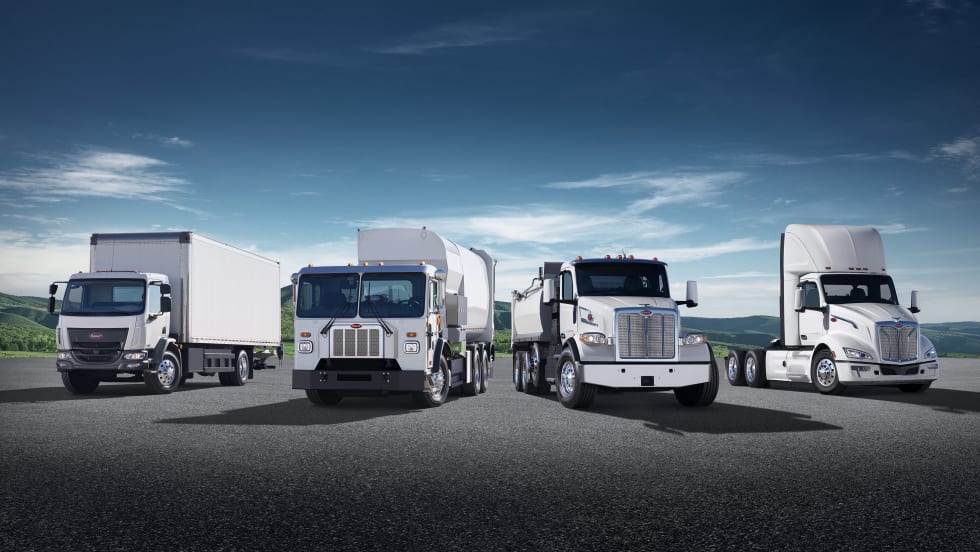
Peterbilt Expands Sourcewell Partnership with Electric Vehicle Lineup
Peterbilt Motors Company’s cooperative purchasing agreement with Sourcewell and its Canadian partner, Canoe Procurement Group, now includes including Peterbilt's battery-electric vehicle lineup.
Read More →