




Ford E-Series Vans Cut Fuel Costs, C02 Emissions In Unique Way - Van Pooling Commuters
DEARBORN, MI - Thousands of Ford E-Series vans are achieving 150 passenger-miles per gallon each day as commuter vehicles for VPSI, a leader in developing and maintaining world-class van pool programs.
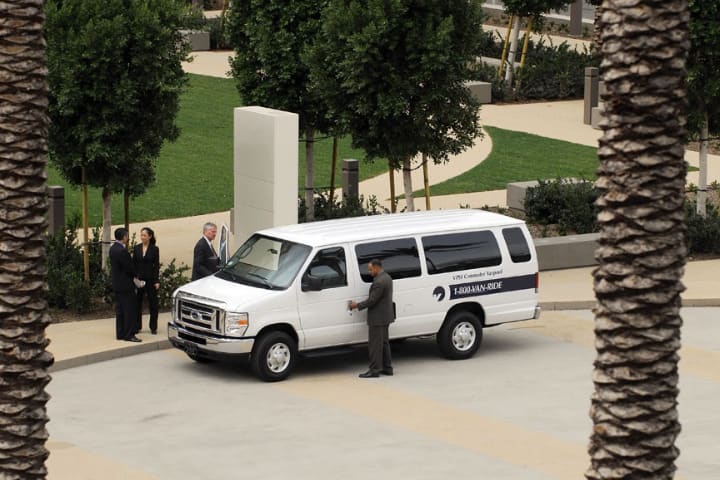
VPSI E-Series Van Pool Vehicle
DEARBORN, MI - Thousands of Ford E-Series vans are achieving 150 passenger-miles per gallon each day as commuter vehicles for VPSI, a leader in developing and maintaining world-class van pool programs.
A combination of Ford E-150, E-250 and E-350 models represent about 70 percent of VPSI's 5,000-vehicle fleet and transport more than 40,000 people in the United States to and from work each day.
"We believe we have the most ecological Ford vehicles on the road," said Steve Pederson, vice president, Fleet and Risk Management, VPSI, who calculated the 150 passenger miles-per gallon figure by multiplying the 15 mpg achieved by Ford E-Series vans by 10 passengers. Some VPSI Ford commuter vanpools seat as many as fifteen passengers, which would result in even more impressive results.
VPSI's use of Ford E-Series vanpools takes 14 million commuter vehicles off the nation's roadways each year, saving more than $73 million in fuel and reducing CO2 emissions by 259,000 tons.
VPSI defines a vanpool as a group of 7 to 15 people that commutes to and from work on a regular basis. VPSI provides the vehicle, a comprehensive maintenance and repair program, insurance and back-up vans. The group of commuters shares the monthly operating expense.
Pederson says the company's decision to populate the majority of its fleet with Ford vehicles was a practical one.
"Ford made it easy for us," he said. "We have a great relationship with Ford Fleet, and we had an opportunity to work directly with Ford engineers who helped us get the base vehicles manufactured to our specifications directly from the factory, which helped minimize waste."
VPSI modified the Ford E-Series vans to include center aisle seating for easy boarding, reclining luxury seating, and individual overhead reading lights.
"The vans are very comfortable, and they make commuting time more productive because passengers can read, catch up on their work or even sleep while riding to work instead of coping with the daily grind of traffic congestion," said Pederson.
Vanpooling also helps passengers reduce wear and tear on their personal vehicles and enables them to save money. The average vanpool commuter can save $5,000 per year, compared with the cost of driving to work alone, according to Michael Norvell, vice president, Business Development, VPSI.
"This is one of those rare situations where everybody benefits," he said. "The commuters save money and enjoy a comfortable ride to work. Employers conserve on-site parking at the workplace. And we all benefit from an environmental perspective by having fewer vehicles on the road. It's a win-win-win proposition."
Ford E-Series has been America's top-selling full-size van for 31 years running. In May, sales were up 34 percent versus a year ago.
More Operations
Family Ties Inside the Fleet Families Building Careers Across Generations
Three fleet families share what it really takes to work together, learn across generations, and keep business from following them home.
Read More →
Shades of Fleet Call for Voices: Fleet's Hidden Heroes
Fleet’s hidden heroes are often the ones keeping everything moving behind the scenes. September’s Shades of Fleet is looking for dispatchers, coordinators, parts specialists, and other support pros to share their stories.
Read More →
Truck Centers, Inc. Celebrates National Truck Driver Appreciation Week with $1,000 Fuel Card Giveaways
During National Truck Driver Appreciation Week, Truck Centers, Inc. is offering customers a chance to fuel up for free. Customers at all Truck Centers locations can enter to win one of four $1,000 fuel cards from Sept. 14 - 18.
Read More →
Fleet Guides, AI Time-Savers, Truck Tariffs & Fuel Strategy Lead the News
This week’s Truck Chat Cheat Sheet covers new fleet vehicle guides, practical AI use cases, U.S.-Canada truck production, mixed-energy strategy, and more.
Read More →
What Fleet Employers Are Missing When Hiring Veterans
What if some of the strongest candidates for fleet are already out there, but their experience is written in a language our industry does not always recognize?
Read More →
Automotive Fleet Opens 2026 Personal Use Survey for Commercial Fleet Managers
Less than two weeks left! Commercial and corporate fleet managers are invited to share how their organizations handle company vehicle personal-use policies, charges, and driver eligibility.
Read More →
What Resilient Fleets Do Differently When Conditions Change
Fleet resilience is about more than reacting to disruption. Lauren Fletcher talks with AP Fleet’s Alex Coveney about flexibility, planning, scaling, and what helps fleets adapt when business conditions shift.
Read More →
If We Want the Next Generation in Automotive, We Have to Give Them a Reason to Care
The automotive industry talks constantly about its workforce shortage. But before we can recruit the next generation, we may need to do a better job giving kids a reason to care about automotive in the first place.
Read More →
Ram ProMaster City Under $40K, Truck Tariffs, and AI Maintenance Lead the News
A sub-$40K commercial van, tariff questions, AI-powered maintenance, and a new EV production strategy headline this week’s Truck Chat Cheat Sheet.
Read More →
Bob Adamsky Shares the Fleet Lessons You Usually Learn the Hard Way
After more than 30 years in fleet, Arrow International’s Bob Adamsky has learned that the job is about far more than vehicles. He shares the lessons he wishes every fleet manager could learn a little earlier.
Read More →