





Related: Overall Commercial Vehicle Traffic Dips, While Trucking Activity is Strong
Fleets Seeing Less Road Congestion Due to COVID-19
Average commercial vehicle speeds have increased and time spent at intersections for drivers has reduced, indicating reduced congestion following regional stay-at-home orders.
April 15, 2020
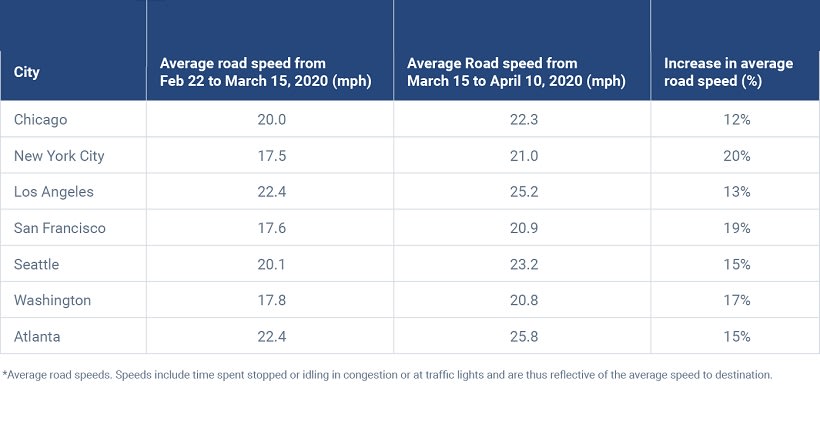
Photo: Geotab
2 min to read
Average commercial vehicle speeds have increased and time spent at intersections for drivers has reduced, indicating reduced congestion following regional stay-at-home orders, according to data from Geotab.
Geotab revealed new data insights highlighting the impact that COVID-19 has had on commercial vehicle activity in seven major U.S. cities. The data is processed from more than 2 million Geotab connected vehicles worldwide and is pulled from averages from Feb. 22, 2020 to March 15, 2020 compared with March 15, 2020 to April 10, 2020.
“Now more than ever, commercial vehicle drivers are tasked with moving essential goods across the country to help ensure that U.S. citizens have access to necessities like groceries, toiletries and more,” said Mike Branch, Vice President of Data and Analytics at Geotab. “Through our analysis, we have seen a noticeable decrease in traffic congestion based on average speeds and time spent at intersections. This means that with less traffic on the roads, commercial vehicles are able to travel through typically congested major cities in a more efficient way, allowing these essential drivers to get where they are going quicker.”
The U.S. city with the largest increase in average road speeds was found to be New York City, moving from an average speed of 17.5 mph to an average of 21.0 mph - a 20% increase, according to Geotab data. San Francisco and Washington had the second largest increase in average road speeds.
In addition to average road speed, the analysis also examined the average time stopped at city intersections after March 15, 2020 compared to average times from Feb. 22, 2020 to March 15, 2020. The city with the largest reduction in time spent at intersections was Atlanta at 17%, with an average of 35 seconds spent at an intersection compared to 42 seconds before March 15. The city that has shown the smallest reduction in time spent at intersections is Seattle, with a 3% difference since before March 15.
“Examining connected car datasets at the city level helps provide some clarity and understanding about what is happening in our communities during unprecedented times such as this,” added Branch. “As citizens across both the U.S. and the world continue to stay home, our support for frontline essential workers continues to be of the utmost importance.”
Originally posted on Automotive Fleet
More Technology & AI
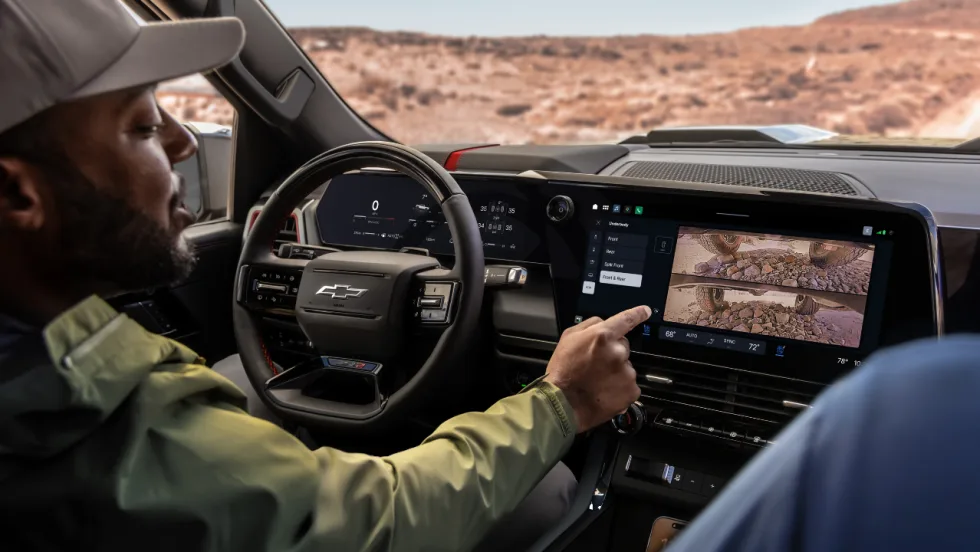
GM Brings New Truck Focused Interface to 2027 Silverado and Sierra
GM's new pickup interface puts trailering data, camera views, vehicle controls, and smartphone integration closer to the driver in the 2027 Silverado and Sierra.
Read More →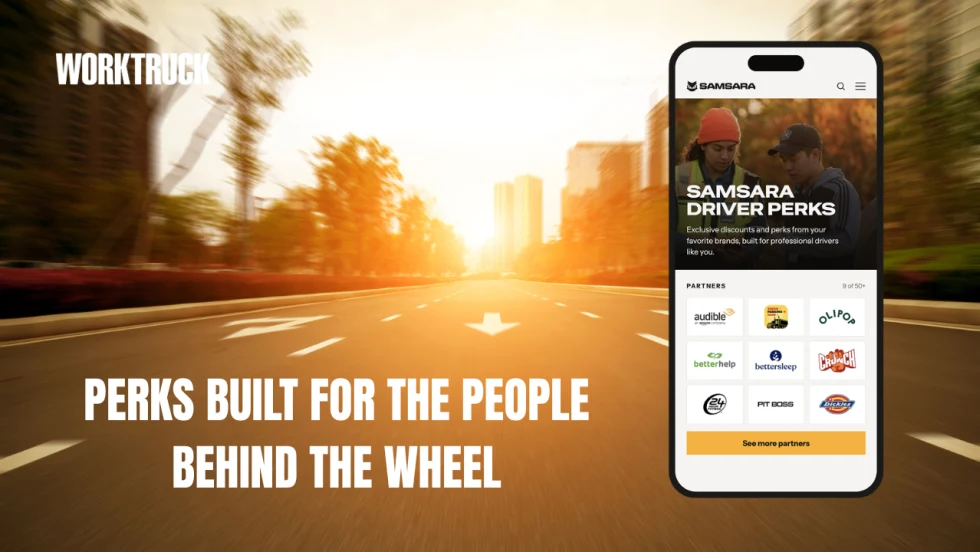
Samsara Driver Perks Expands Rewards Beyond the Long Haul Driver
Samsara’s new driver rewards program was built with a broader professional driver in mind, including employees who split their day between driving, job sites, service calls, and other work.
Read More →
AI Service Advisor Aims to Cut Fleet Repair Downtime
Fleetio said its AI Service Advisor can help fleets cut repair downtime by an average of 2.5 hours per repair while reducing manual maintenance work.
Read More →From Our Partners



Verra Mobility Launches AI-Driven Title & Registration Solution
Verra Mobility has launched a new AI-driven Title & Registration platform to help fleets move vehicles from acquisition to the road the same day while reducing compliance risk.
Read More →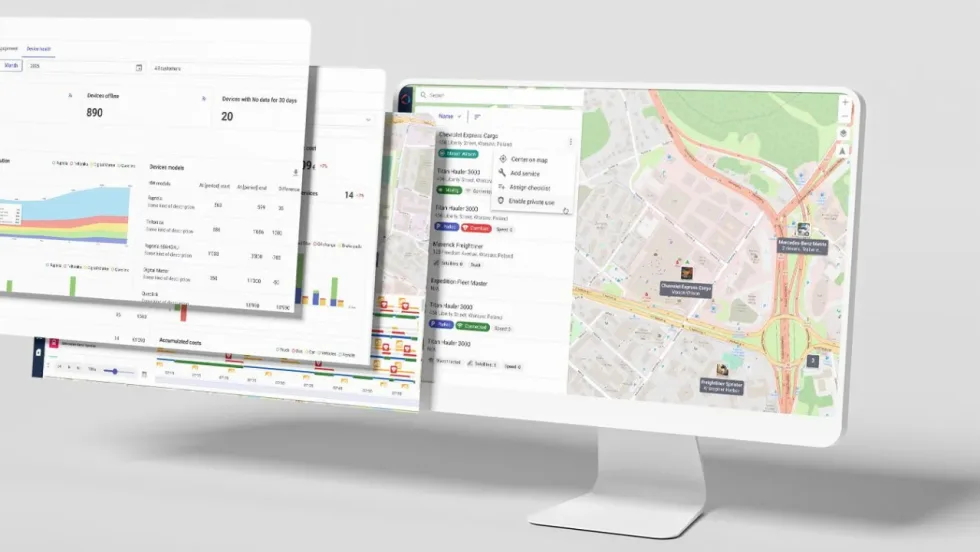
Wialon Unlocks OEM Data to Give Fleet Owners Data Ownership & Operational Clarity
Wialon has introduced hardware-free OEM integration as the EU Data Act accelerates the shift in vehicle data access across the fleet industry in many countries.
Read More →
Teletrac Navman Promotes New CEO from Within
Teletrac Navman’s next CEO, Ricardo Buranello, has served as the company’s chief financial and operating officer. He brings deep financial and operational expertise, a strong strategic orientation, and an intimate knowledge of the business to his new role.
Read More →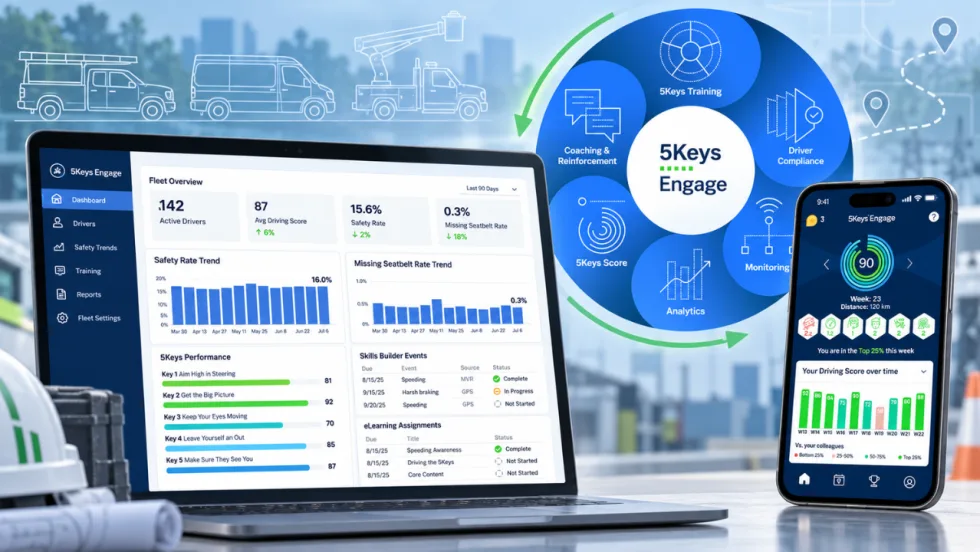
Smith System Wants Work Truck Fleets to Look Beyond the Driver Alert
Smith System’s new Driver Risk Management program is built to help mixed work truck fleets turn telematics alerts and observations into specific behaviors, coaching actions, and measurable follow-up.
Read More →
Ford Pro Software Updates: August 26
Check out the latest Ford Pro software updates, including Google Maps integration, Remote Vehicle Alarm integration, Motor Pool for easier management of shared pool vehicles, and more.
Read More →
Where AI Is Actually Saving Fleet Managers Time
AI is moving past the buzzword stage and into the daily fleet workflow. Fleetio’s Brianna Perry Lang breaks down where fleets are seeing real time savings, from maintenance and data entry to repair decisions, safety, and compliance
Read More →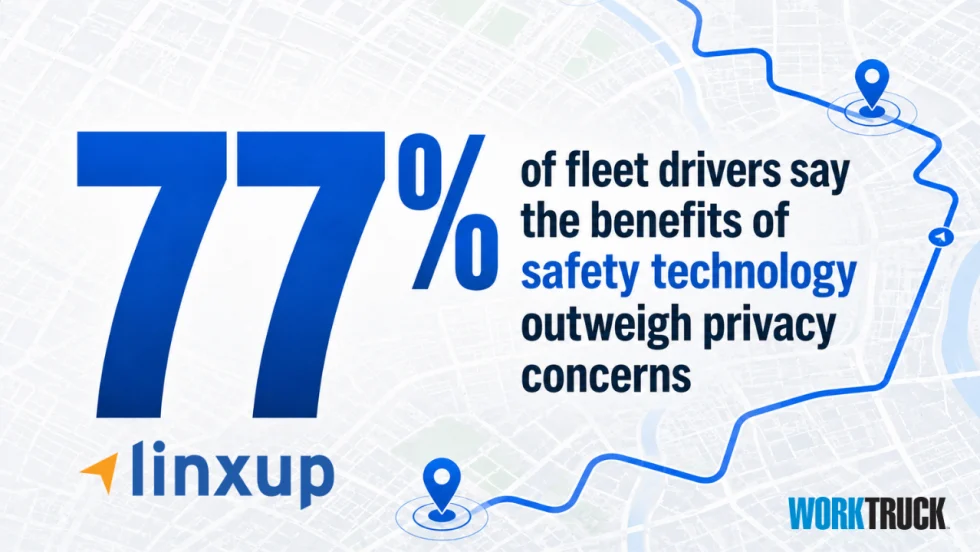
Are Work Truck Drivers Warming Up to Dash Cams and GPS Tracking?
A new survey finds field-service drivers may be more comfortable with dash cams and GPS tracking than fleet managers think, especially when the technology helps protect them after a crash.
Read More →