




Fleet Safety Video Tip: When Hailstorms Threaten
Though scientists are making progress in developing better ways to forecast extreme hailstorms, these destructive weather events can still take drivers by surprise. Here are some safety tips you can pass along to fleet drivers.
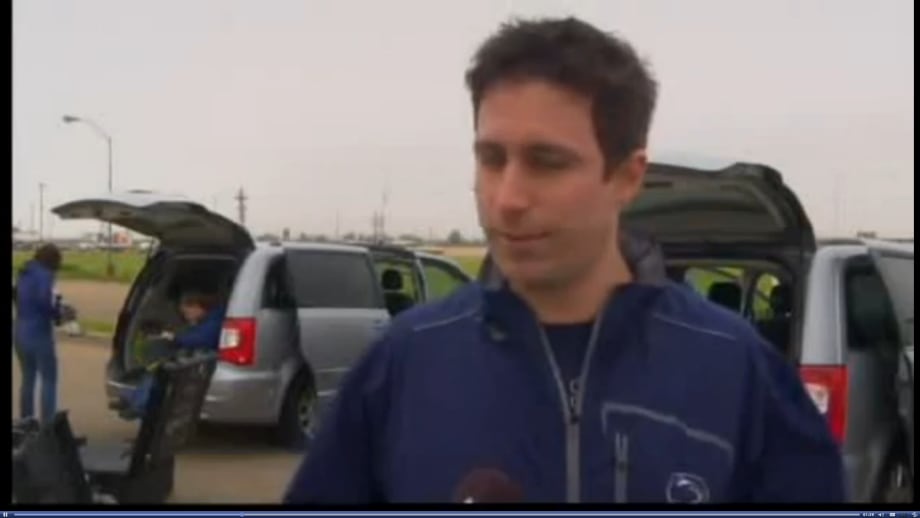
Ever wish you had more advance warning whenever a severe hailstorm headed toward your area, so you could take more measures to protect both fleet drivers and their vehicles?
The Insurance Institute for Business and Home Safety, based in South Carolina, is in fact conducting a research project aimed at reducing hailstorm property damage and improving hailstorm forecast models and radar detection. The project is in collaboration with Penn State University.
But until such research leads to reliable hailstorm forecasting, fleet managers in some regions – particularly the Central Plains states – will continue to deal with occasional hailstorm damage claims. Last month, Texas, Oklahoma and Colorado all experienced major hailstorms that generated plenty of business for local body shops.
There are some measures that drivers can take, though, to protect themselves and their vehicle. Here are some safety tips, provided by Union Mutual of Vermont and Progressive Insurance, you can pass along to fleet drivers as a friendly reminder.
When hail is larger than three-quarters of an inch in diameter, drivers are advised to:
Stop driving. If you can see a safe place to drive to, such as inside a garage or under a service station awning, do so as soon as you can. Make sure you pull completely off the highway, but avoid ditches due to possible high-rising water.
Keep your vehicle angled so the hail hits the front of the vehicle. Windshields are reinforced to withstand forward driving and pelting objects. Side windows and back glass are not, so they’re much more susceptible to breakage.
Stay away from vehicle windows. Cover yourself with a blanket or coat, if possible, because there may be debris. In particular, protect your eyes. See if you can get onto the floor face-down, or lay down on the seat with your back to the windows.
Don’t leave the vehicle until the hailing stops. Your car will furnish reasonable protection.
To learn more about the hailstorm research project, click on the photo or link under the headline. To learn more about the science behind hailstorms, you can watch the Weather Channel video below.
Originally posted on Automotive Fleet
More Safety & Compliance
Fleetworthy Expands Expedited Inspection to 5 States
Following its industry-first launch in Nevada, Fleetworthy’s automated inspection technology is now live in California, Michigan, Vermont, and Maine.
Read More →
Crossing State Lines in a Light-Duty Work Truck? Check These Rules First
Crossing state lines in a lighter work truck? J.J. Keller's Kathy Close explains when IRP registration, trip permits, and towing rules come into play.
Read More →
GeoFencing Adds to Your Truck Security Arsenal
Geofencing is a familiar fleet tool today, but its early adoption marked a major shift in vehicle tracking, route monitoring, and the debate over employee privacy.
Read More →From Our Partners




Recalls You Need to Know About in October 2026
In October 2026, what recalls might impact your fleet? Work Truck has the answers in this comprehensive overview of recent NHTSA recalls.
Read More →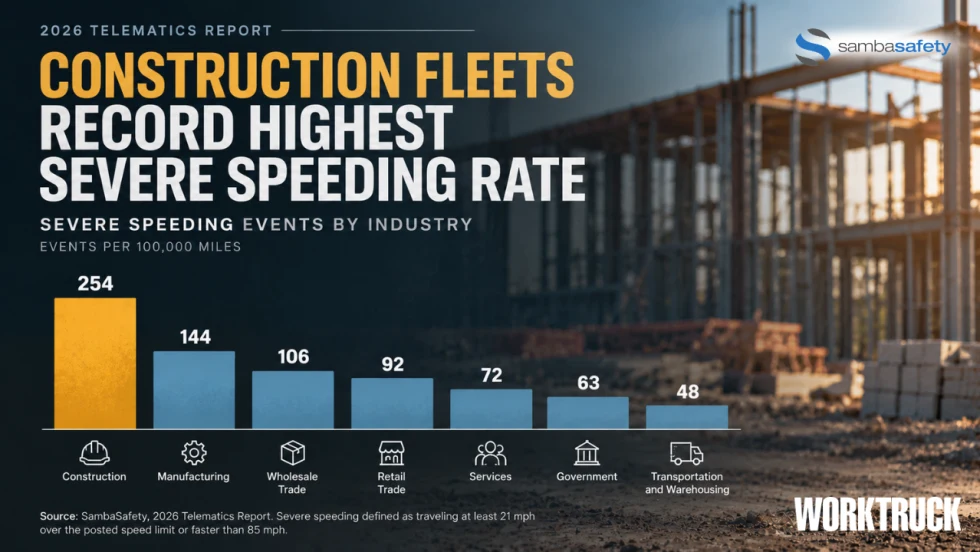
Construction Fleets Show Telematics Adoption Alone May Not Reduce Driving Risk
SambaSafety found construction fleets monitor roughly 92% of their vehicles but recorded the highest severe speeding rate among industries studied.
Read More →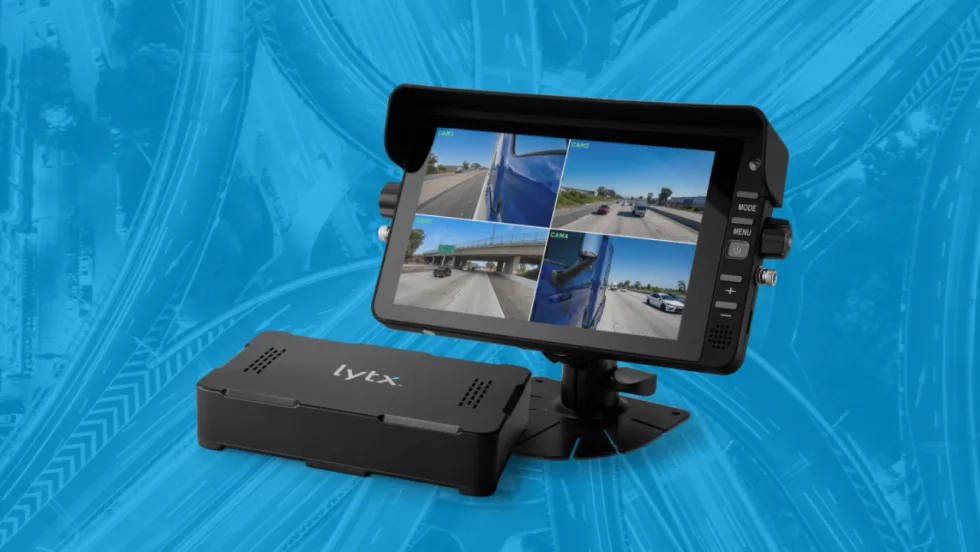
Lytx Launches 360 Hub Kit for Expanded Fleet Camera Visibility
Lytx’s new AI-ready gateway and HD auxiliary camera ecosystem, the Lytx 360 Hub Kit, extends visibility across side, rear, cargo, and blind-zone views to help fleets see more and respond faster.
Read More →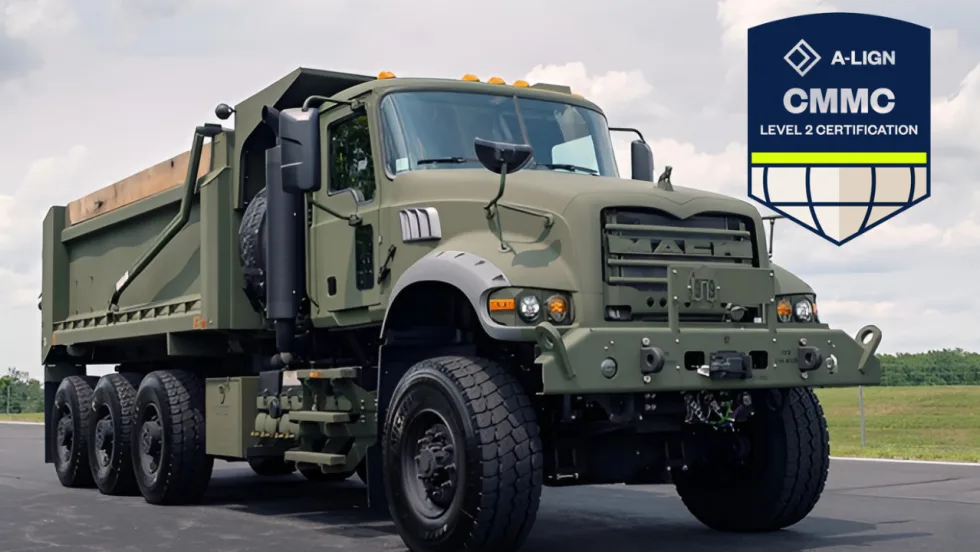
Mack Defense Achieves Cybersecurity Maturity Model Certification Level 2
After an assessment conducted by an authorized Certified Third-Party Assessment Organization (C3PAO), Mack Defense has achieved Cybersecurity Maturity Model Certification (CMMC) Level 2.
Read More →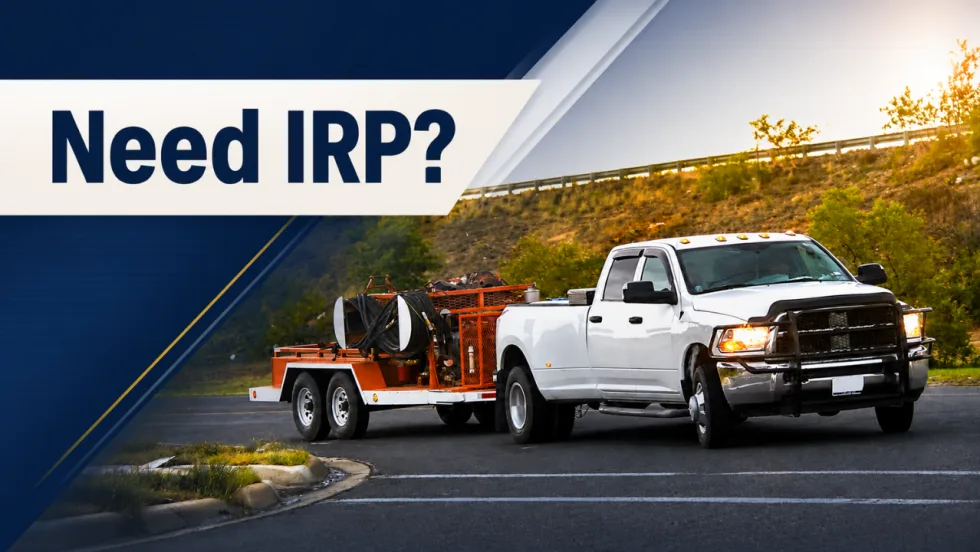
When Work Trucks Under 26,001 Pounds Need IRP Registration
Think trucks under 26,001 pounds are automatically in the clear when it comes to IRP? Not always. Learn where lighter vehicles can still run into trip permit, apportioned registration, and IFTA compliance requirements when crossing state or provincial lines.
Read More →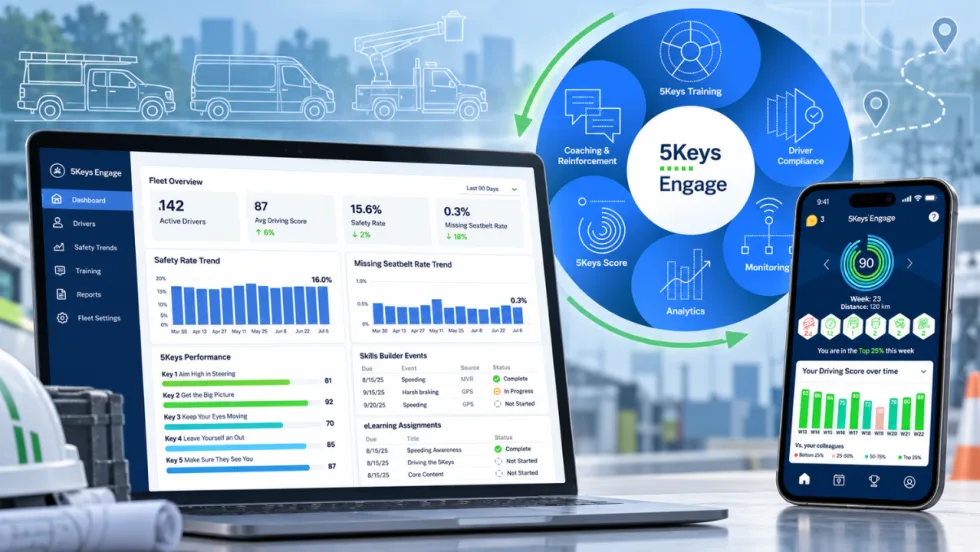
Smith System Wants Work Truck Fleets to Look Beyond the Driver Alert
Smith System’s new Driver Risk Management program is built to help mixed work truck fleets turn telematics alerts and observations into specific behaviors, coaching actions, and measurable follow-up.
Read More →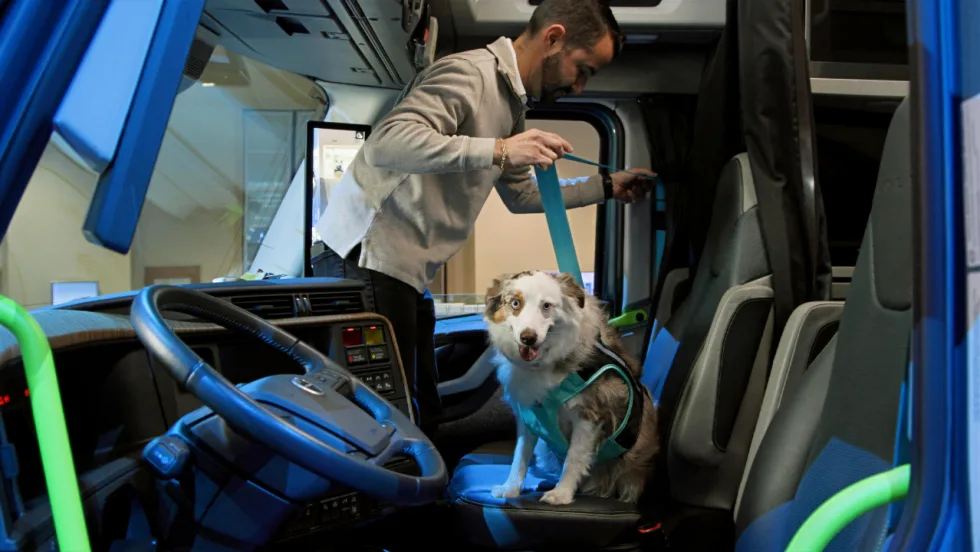
Volvo Trucks Releases New Safety Recommendations for Traveling with Pets
One of the most important recommendations for professional drivers traveling with pets is to ensure pets are properly restrained while the truck is moving. Other tips are available in the new guide from Volvo Trucks North America and Center for Pet Safety.
Read More →