




Fleet Safety Video Tip: Pedal Error Prevention
The National Highway Traffic Safety Administration offers five safety tips aimed at preventing pedal error, which occurs when drivers mistakenly apply the accelerator instead of the brake pedal.

Photo: NHTSA
Each year, approximately 16,000 preventable crashes occur as a result of pedal error, when drivers mistakenly step on the accelerator while intending to apply the brakes, according to the National Highway Traffic Safety Administration.
How does this happen? Sometimes a driver’s foot slips off the edge of the brake onto the accelerator. Sometimes the driver accidentally steps on both the brake and the accelerator. The result can lead to sudden vehicle acceleration, often at full-throttle, with no brake force slowing the vehicle down.
These types of accidents usually occur when a vehicle is traveling at very low speeds, such as when the driver is attempting to park in a parking lot or garage. But they also occur in other situations that commonly require braking, such as approaching an intersection or exiting a highway.
Research indicates that drivers under the age of 20 or over the age of 65 experience pedal error crashes about four times more frequently than other age groups. However, these crashes are seen among other age groups as well, NHTSA said.
NHTSA recently issued an advisory offering five safety tips aimed at preventing pedal error crashes. You may want to pass these tips along to fleet drivers as a friendly reminder:
1. Get Familiar – Adjust your seat, mirrors, steering wheel and pedals (if they are adjustable) properly before starting the vehicle. If you’re driving a vehicle you don’t normally drive, make sure to familiarize yourself with the location and feel of the accelerator and brake pedals.
2. Aim for the Middle – Make it a habit to aim for the center of the brake pedal every time the brake is used. This reinforces muscle memory and reduces the chances of pedal error.
3. Avoid Distractions – Stay focused on the driving task until the vehicle is safely stopped, shifted into park, and the engine is turned off.
4. Be Cautious – Proceed slowly and carefully when pulling in and backing out of parking spaces.
5. Wear the Right Shoes – Your footwear affects your ability to operate a vehicle. Footwear such as flip-flops, heavy boots or high heels can contribute to pedal error crashes. Wear flat-soled and lightweight shoes whenever you’re in the driver’s seat. (That doesn’t mean you have to wear those at the job site, in the office or during sales calls. Just change your shoes once the vehicle is safely parked; it only takes a minute.)
Originally posted on Automotive Fleet
More Safety & Compliance
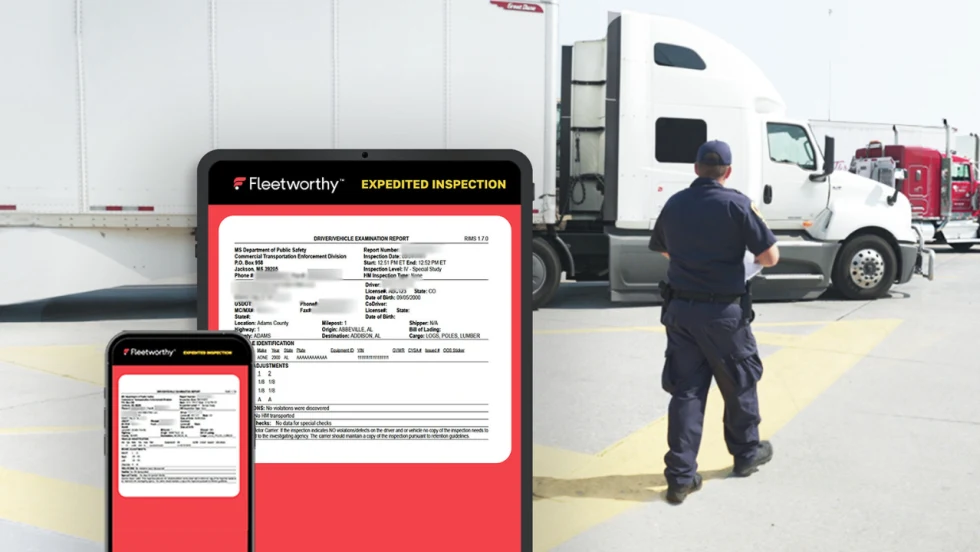
Fleetworthy Expands Expedited Inspection to 5 States
Following its industry-first launch in Nevada, Fleetworthy’s automated inspection technology is now live in California, Michigan, Vermont, and Maine.
Read More →
Crossing State Lines in a Light-Duty Work Truck? Check These Rules First
Crossing state lines in a lighter work truck? J.J. Keller's Kathy Close explains when IRP registration, trip permits, and towing rules come into play.
Read More →
GeoFencing Adds to Your Truck Security Arsenal
Geofencing is a familiar fleet tool today, but its early adoption marked a major shift in vehicle tracking, route monitoring, and the debate over employee privacy.
Read More →From Our Partners




Recalls You Need to Know About in October 2026
In October 2026, what recalls might impact your fleet? Work Truck has the answers in this comprehensive overview of recent NHTSA recalls.
Read More →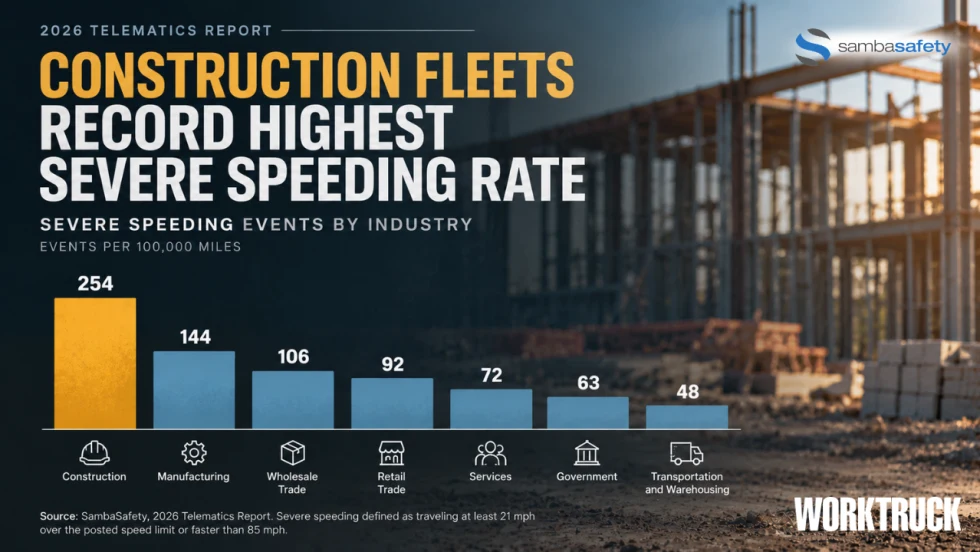
Construction Fleets Show Telematics Adoption Alone May Not Reduce Driving Risk
SambaSafety found construction fleets monitor roughly 92% of their vehicles but recorded the highest severe speeding rate among industries studied.
Read More →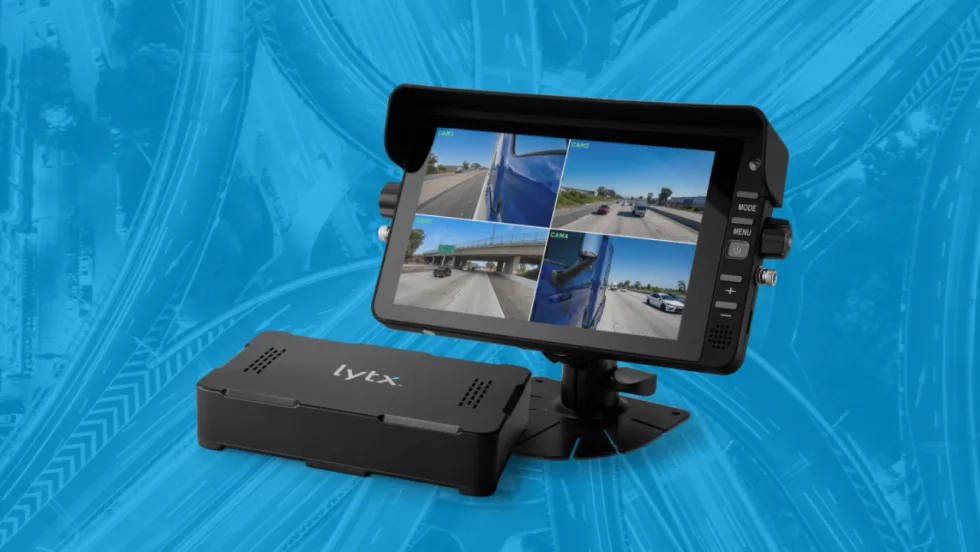
Lytx Launches 360 Hub Kit for Expanded Fleet Camera Visibility
Lytx’s new AI-ready gateway and HD auxiliary camera ecosystem, the Lytx 360 Hub Kit, extends visibility across side, rear, cargo, and blind-zone views to help fleets see more and respond faster.
Read More →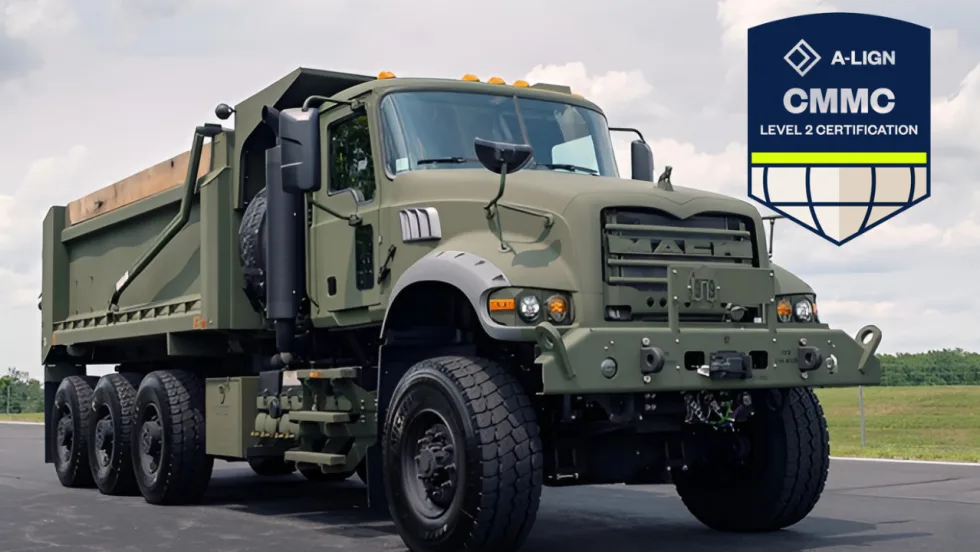
Mack Defense Achieves Cybersecurity Maturity Model Certification Level 2
After an assessment conducted by an authorized Certified Third-Party Assessment Organization (C3PAO), Mack Defense has achieved Cybersecurity Maturity Model Certification (CMMC) Level 2.
Read More →
When Work Trucks Under 26,001 Pounds Need IRP Registration
Think trucks under 26,001 pounds are automatically in the clear when it comes to IRP? Not always. Learn where lighter vehicles can still run into trip permit, apportioned registration, and IFTA compliance requirements when crossing state or provincial lines.
Read More →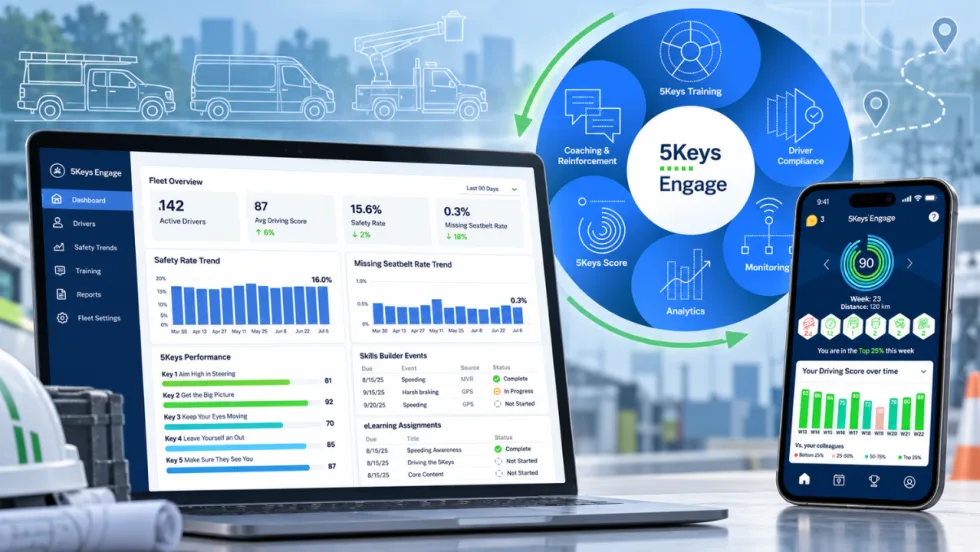
Smith System Wants Work Truck Fleets to Look Beyond the Driver Alert
Smith System’s new Driver Risk Management program is built to help mixed work truck fleets turn telematics alerts and observations into specific behaviors, coaching actions, and measurable follow-up.
Read More →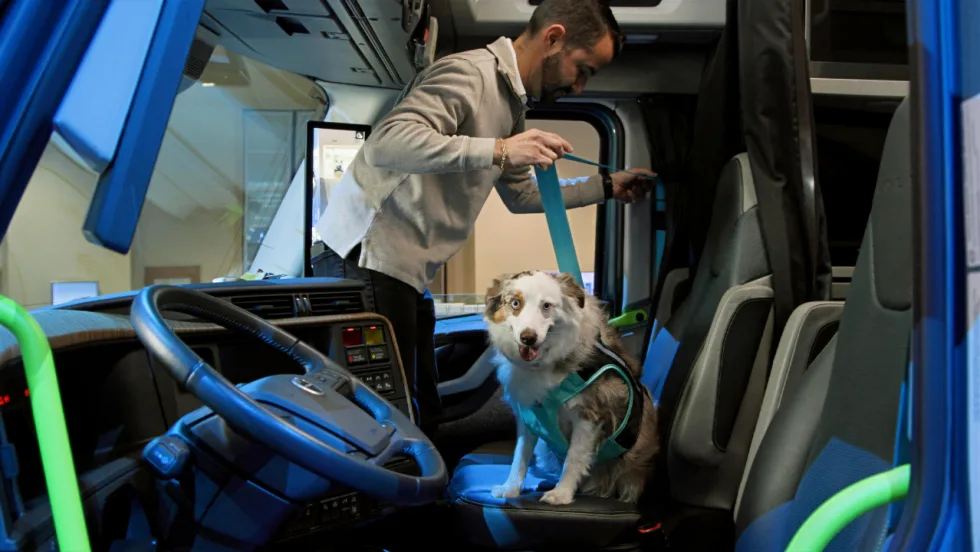
Volvo Trucks Releases New Safety Recommendations for Traveling with Pets
One of the most important recommendations for professional drivers traveling with pets is to ensure pets are properly restrained while the truck is moving. Other tips are available in the new guide from Volvo Trucks North America and Center for Pet Safety.
Read More →